Get every episode summarized
Each time What Next | Daily News and Analysis publishes, we email you a written briefing from the transcript — the topics, who appeared, and any specific claims, with the ad reads skipped.
Email me new episodesFree for 3 shows. No card needed.
About this episode
What Next | Daily News and Analysis is made possible by:
“Hello, hello, this is Brook DeVard, host of the Naked Beauty Podcast, and I want to talk to you about Lexus. At Lexus, master craftsmen called Takumi are involved not just in physical craftsmanship, but in all of those sensory details.”From the transcript
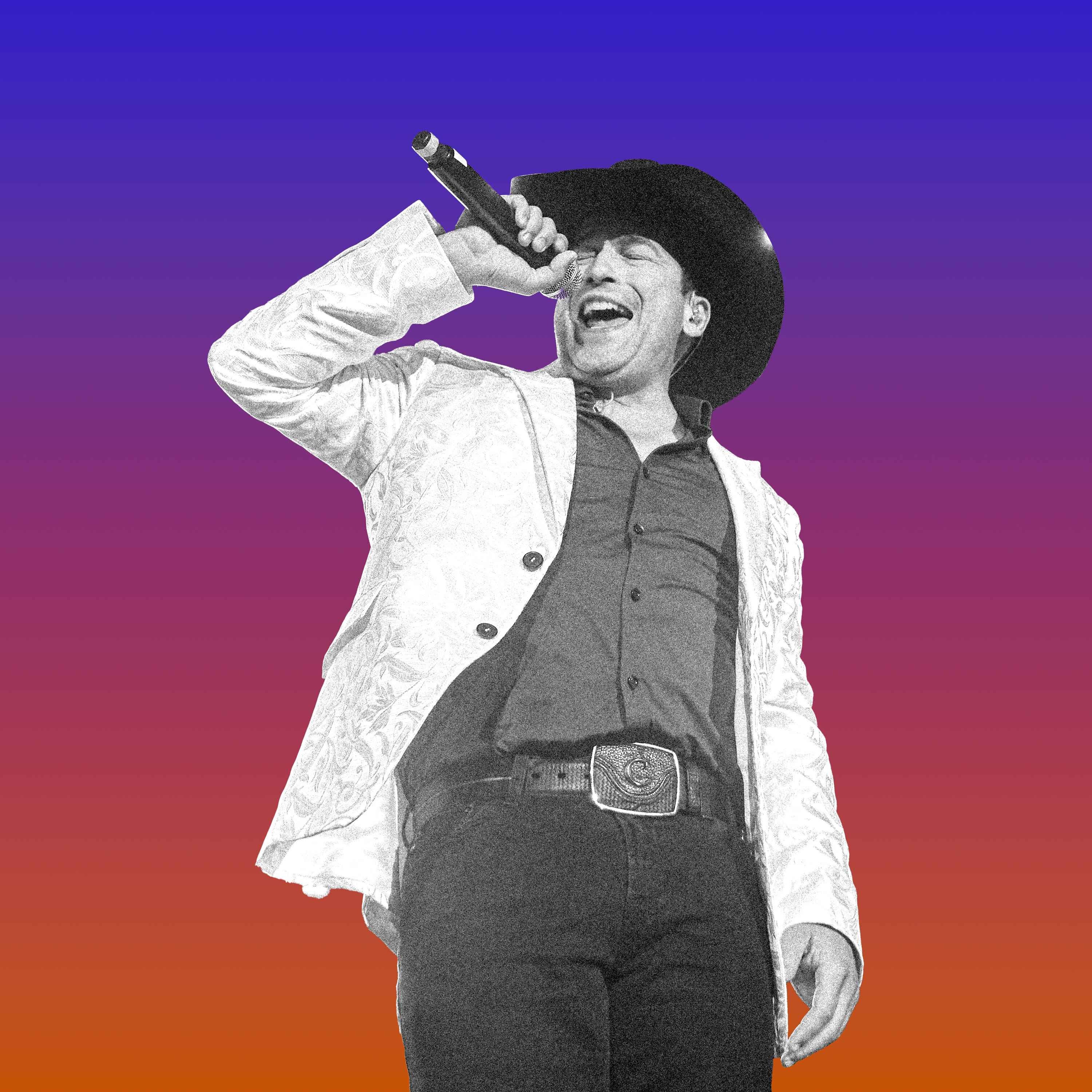
Donald Trump’s in-roads with Latino voters was one of the surprises of his 2024 victory, carrying places like southern Texas’s 15th district by 18 points. But singer-turned-congressional candidate Bobby Pulido thinks those gains are temporary, and that Democrats have a chance, with sensible policies, to take the district and Congress.
Guest: Bobby Pulido, congressional candidate for Texas’s 15th district, Tejano singer-songwriter.
Want more What Next? Subscribe to Slate Plus to access ad-free listening to the whole What Next family and across all your favorite Slate podcasts. Subscribe today on Apple Podcasts by clicking “Try Free” at the top of our show page. Sign up now at slate.com/whatnextplus to get access wherever you listen.
Podcast production by Evan Campbell, Madeline Thames-Ducharme and Patrick Fort.
Paige Osburn is the senior supervising producer of What Next and What Next TBD.
Hosted on Acast. See acast.com/privacy for more information.
Get every episode summarized
Each time What Next | Daily News and Analysis publishes, we email you a written briefing from the transcript — the topics, who appeared, and any specific claims, with the ad reads skipped.
Email me new episodesFree for 3 shows. No card needed.
Hosts & guests
Transcript ready
417 searchable segments. Every word is indexed and playable.
Full transcript
What Next | Daily News and Analysis — Is a Tejano Star's Next Stop Congress?. Machine-transcribed; use the interactive transcript above to jump the player to any line.
Hello, hello, this is Brook DeVard, host of the Naked Beauty Podcast, and I want to talk to you about Lexus. At Lexus, master craftsmen called Takumi are involved not just in physical craftsmanship, but in all of those sensory details. These masters evaluate things like halidor closes, the click of a switch, the acoustic feedback of controls. Instead of just instruments, Takumi craftsmen rely on human perception and intuition to create what sounds and feels right. Out of all of the tools that Lexus uses, the most powerful one is understanding what will make us feel something, because a car that doesn't make you feel something is a car that stops short of amazing. Experience amazing at your Lexus dealer. Decisions made in Washington can affect your portfolio every day, but what policy changes should investors be watching? Listen to Washington-wise, an original podcast for investors from Charles Schwab to hear the stories making news in Washington right now. Host Mike Townsend,
Charles Schwab's managing director for legislative and regulatory affairs, takes a nonpartisan look at the stories that matter most to investors, including policy initiatives for retirement savings, taxes and trade, inflation concerns, the federal reserve, and how regulatory developments can affect companies, sectors, and even the entire market. Mike and his guests offer their perspective on how policy changes could affect what you do with your portfolio. Download the latest episode and follow at Schwab.com slash Washington-wise or wherever you listen. Bobby Polito, you are here to talk about your congressional run in Texas. But can I begin by talking about something else? I want to talk about one of your songs. Okay. All right. That's a new one. That's a new one. Really? I imagine people ask me about your music all the time. Is that not so?
Nobody has asked me about my music since I started running. It's always been politics all the way. This November, Bobby Polito is trying to flip a Republican congressional seat blue. Texas is district 15. That would be reason enough to talk to him, but you cannot talk about Bobby Polito without talking about his music, because he was famous way before politics. Bobby's a Tejano star. This is a song he released years ago, Algundia. Look up the music video, and it's a little funny to watch, because it really makes you realize how long we have been talking about the same issues. In it, Bobby plays a day laborer on a construction site. He is dreaming of buying a house, buying a car.
There is this line in the video where one of the guys here with is like, you see how the laws are these days. If you look Mexican, they'll just check your status in Polito for and I was like, man, this was a while ago. That was my dad that played that role. My dad's a singer too, and my dad, I told him, will you be in the video? And my dad's a one that's telling me that, right? He's a day laborer in the video, but it's actually my real father. After this bit with his dad at the top of the video, Bobby gets nabbed by immigration officials. But he's playing a bit of a scamp. And the very last shot is Bobby shrugging at the camera and dashing back across the border, still hoping for that better life. Some people would look at the video and be like, this is a problem. Like, our immigration system is literally a joke to people. Like, what would you say to someone who saw it that way? I think what's a joke is how it gets politicized. I feel like it went like from let them all in under, you know, look,
let's be honest, right? President Obama did crack down on it. That's a fact. I think he cracked down in the right way, even though it was not something that was very popular to a lot of people. But I think under Biden it got really out of hand. And I think what you saw was the big difference was the asylum process and how that played out under the Biden administration was very different. After Trump 1.0, it was like, I mean, I got to see these 10 cities on the border. I was there with my own eyes. It was really bad. And it really happened under his watch, right? And so we kind of went from let them all in to kick them all out. And truly like, neither one of the two things work. Yeah, I mean, we're talking just a couple days after
a Venezuelan man was shot in the back in Austin, Texas, a food delivery worker. It's not your district, but it's your state. And I'm pretty sure that that's not what you imagined when you were writing this song about the American dream. Of course. And look, the day that our American dream dies, we die as a country. I think that's a part of our makeup. That's who we are. I mean, down here in the Rio Grande Valley, I'm from a place down here that the Rio Grande Valley is used to be called the magical Rio Grande Valley. It was a farming community. My dad was a migrant farm worker, so was his dad. I mean, we don't come from generational wealth. Latinos and Hispanics in South Texas are the embodiment of the American dream. And right now it feels like that's under attack, because it feels like it's now being more selective to say like, well, the American dream belongs to this group of people, but not to these. Today on the show, a conversation with Bobby Polito, is he singing the right tune for Texas?
I'm Mary Harris. You're listening to What Next. Stick around. Today's episode of Slates What Next is brought to you by Olympic hospitality. The Olympic Games are coming to Los Angeles in 2028. This is a once-in-a-generation event that you're not going to want to miss. It's more than a ticket. It's a story you share with your family and friends, and the ultimate way to get closer to the action is within Olympic hospitality package. Ticket-inclusive packages offer a range of prime seating and lounge access options, venue-dependent priority entry, food and beverage selections from LA's diverse dining scene, and elevated service and continuous support, making your day at the Olympic Games one to remember for a lifetime. Get ahead of the curve with an LA-28 hospitality package. Discover more at hospitality.la28.org slash what next. This episode is brought to you by FreshBooks. Whether you just launched a service business or you've
been at it for years, the money side. It's got a way of pulling you from the work you actually love doing. FreshBooks can change that. FreshBooks makes the money side of your service-based business easy. You log your hours, you send a branded invoice, you get paid, and you know your numbers instead of chasing them. Money in, money out, all in one place. No more juggling one app for clients and other for billing, plus a pile of spreadsheets and emails. FreshBooks is designed for how small business owners think about money. Not how an accountant does. You don't need a financial background to use FreshBooks. It's simple on purpose. Most owners are up and running in minutes, not days. And if you need help, a real person is available on every plan. FreshBooks has been trusted by service businesses for over 20 years, helping over 500,000 owners and solo preneurs run their business confidently. Right now, my listeners can get FreshBooks for less than three bucks a month for your first four months that is 90% off. Head to freshbooks.com slash podcast to get started. That is 90% off under $3 a month for four months at FreshBooks.com slash podcast.
Decisions made in Washington can affect your portfolio every day. But what policy changes should investors be watching? Listen to Washington-wise, an original podcast for investors from Charles Schwab. To hear the stories making news in Washington right now. Host Mike Townsend, Charles Schwab's managing director for legislative and regulatory affairs, takes a nonpartisan look at the stories that matter most to investors, including policy initiatives for retirement savings, taxes and trade, inflation concerns, the federal reserve, and how regulatory developments can affect companies, sectors, and even the entire market. Mike and his guests offer their perspective on how policy changes could affect what you do with your portfolio. Download the latest episode and follow at Schwab.com slash Washington-wise. Or wherever you listen. You know, I was wondering why you would run for office because you're pretty you're well-known Tahana singer. You probably don't need to do much of anything if you don't want to.
Life was pretty good. So why? Yeah, why are you? Listen, I was a political science major in college. I was a Texas boy-stater in high school government and social studies and Texas history were my favorite subjects. I had no idea you were such a nerd. Yeah, yeah, I'm a nerd. And nobody knows because I never really, I never I never carried that nerdiness or political advocacy into my music. I never mixed it. I always said my music for Republicans and Democrats and Independents and everybody, right? So I never I never really went out. Is it harder to run for Congress or like be a singer? I think I would say I mean, oh gosh, that's a great question, Mary. Both seem very hard to me. Like achieving success in both
is like both the hard no no no doubt. But in music, you got to have the hard part is you got to actually have the talent to do so not just anybody can do it, right? You look at me like you're incredulous. No, you had that golden voice. Do you know what I mean? Like you yes. Yeah, okay. Yeah, you need talent to do it. But like in politics, it's the one of the few line of works where they pay people to make you look bad. You know, music is is what's true, right? Like like it's no, you're right. I hadn't thought about it that way. And so like music is like they either love you or they're indifferent. And it's like, okay, you know, we love your music or I don't have next they don't hear it. But politics brings in a lot of hate. And so from that end, it's hard because you know, it's hard on your family because your family doesn't like to hear things that they know aren't true being spoken about you. That's hard on anybody.
And you know, look, politics is very difficult. Flipping a red seat that was the Trump plus 18 is damn right like madness to run in a in a district like that, especially in an environment. That's your district, by the way. That's my district, right? And you know, when I first told people I was thinking of running, I got a lot of, are you crazy? Like, are you crazy? And I'm like, no, I'm not crazy. And yes, I think I can win. I mean, let me put some numbers behind it. You're running in Texas is 15th district. Yeah. As you said, it is a district that Donald Trump won by 18 points in 2024. Yeah, redistricting may have made it a smidge trumpier by some instruments. The issue is that it's some of said it's like 1% more, but it relies on 80% of the populace is Latino. So it also
relies on the Latino vote remaining in the GOP's favor. And my assumption is that part of the reason you got into this race is that you were beginning to see signs that that was not going to hold. And I am curious what those first signs were to you. I believe there wasn't going to hold. Listen, I was talking to lots of people during this cycle, even even the cycle before like, as it was going right since 23. Lots of my friends had were voting red. And listen, I've always been a blue dog Democrat. This is what the blue dog is. I was going to ask about that. Why do you always consider yourself a Democrat? Because you have all these things that are like, don't, don't read as Democrat. Like you know, for long-range shooting, you actually, you named your eldest son, Revington, after the rifle. So it's just, it's not like traditionally coded Democrat. So that's interesting to me. That's based on the Democrat on a newer version of what a
Democrat is. See, I never changed. I've been the same type. Like all the people that used to vote Democrat are like me. And they started voting red. And when I would talk to them, the one thing that jumped out at me was what they didn't like is the left-ward shift on a lot of democratic policies that turned them off. It wasn't that the Republicans, oh geez, like guns. Listen, look, look, we're in South Texas on the border, guns, and especially like out of the Rio Grande Valley, my district covers 11 counties and 10 of them are 10 of the other counties other than Rio Grande Valley are all rural, all of them. Like, firearms are not viewed the same way in the city as they are in the country. You know, how are they differently as sport and protection or...
Both. Tell me. Both. It's an independence. Look, when you're out in the country, first of all, there's no traffic. You're not dealing with a lot of people to begin with. You can actually drive faster if you want to and not, you know, I mean, I'm sure I'm not advocating for speeding, but I'm saying like, you know, you're not bound by confines of traffic where you have to, you know, have a stoplight at every block. It's just, it's a different way of life. And yes, there's less things to do, right? Like, like, when you're on the country, like, you know, sometimes a lot of in these rural areas, the thing where you go out the most to get dressed is to go to church on Sunday. And so a lot of the sports that you practice, whether that be hog hunting or coyote hunting or, you know, like, or just hunting is... They're associated with firearms. I mean, like, down here in the Rio Grande Valley, we don't have any local elected Republicans. And the number one fundraiser for Democratic events are skeet shoots. I can't make this up,
right? So you shoot and they're sporting clays and so like, rifles, gun sports is a way of life. And people as I know, if you're people in the city, it's really hard for you to understand that. But there is a big, big break with over the years. And I saw an old interview with Chuck Schumer talking about, well, we'll take the city vote over the rural votes because I'll take those two to one. That was a huge mistake. I mean, I'm insulted by a guy by hearing him say that because if I look down the road, Mary, like, in 2030, California, New York are going to lose congressional seats to Texas and Florida. And because people are moving out to the rural areas because it's cheaper to live. And so, yeah. So like, as a Democrat, if we're going to want to make people's lives better and not let these batshit crazy people like Trump, you know, get in there and his enablers,
we're going to have to moderate a little bit on some issues to understand rural folk a little better. And, you know, and a lot of it happened to what I'll tell you, what happened was when the green new deal was promoted, right? Like oil and gas business, right? Like, it's the best, it's probably one of the best paying jobs in my district. And so it got really, excuse me, really politicized, where it was like, they're going to take away your job. Like, that's how, that's how it was being sold. The Democrats were going to take away your jobs. You're not going to be able to provide for your family. And so, so when did you see it turn back? Because you're saying you saw a lot of your friends kind of flip or maybe just express more sort of GOP-coded opinions and express that in terms of how they were voting. So when did you see that change back to maybe thinking there was an opportunity here? It wasn't a switch. I mean, listen, the thing is I was talking to people and they would say,
look, Bobby, I'm voting Republican, but you're my kind of Democrat. Like, I would vote for you, because you're not bad shit crazy. Because listen, they painted Democrats as very radical. And it worked. Like, extremely worked. I just want to say, I'm not bad shit crazy. And I probably just agree with you about some stuff. I don't think he's talking like I know guns and the green news. I don't think you bad shit crazy, right? Yeah. I'm telling you the people that shifted, right? I'm telling you what they were seeing when they were thinking, right? How much did immigration play a role? Because it's like even back in February, I was looking at like Politico, for instance, writing about your district specifically. I'm talking about how Monica Delacruz Republican currently, you know, your opponent, how she was all of a sudden like, oh no, I need to moderate my opinions here because people in her district were upset. Yeah. Well, here's the thing. Immigration is really a two-tier issue down here.
Right? One thing is the border and the other thing is enforcement's industries. So, so I'll explain why there's a difference. Is the border got really chaotic with asylum seekers. Now, the diaspora in the Rio Grande Valley and South Texas in general is Mexican. Right? It's Mexican American. Now, Mexican Americans cannot claim political asylum because you're on a neighboring country. Right? So, historically, most of the people here, their grandfather or their great-grandfather crossed the border illegally, undocumented, and they ran away from the border patrol and then they had to figure out life on their own. Right? And it was like, hey, I got to cut yards, I got to do whatever I can to provide for my family. That's how the spirit of most of the people here became. What happened is... You've talked about your grandfather being like, I was so proud I never
took a penny from the government. So, you're talking about the same kind of spirit. That's exactly right. It was more like, you've done your homework, Mary. Wow. Yeah, you have. I'm impressed. So, yes. Thank you. That was the spirit of my grandfather, right? And that's the spirit of this region. It's like, hey, we're proud people. Probably our forte is that we work really hard and we'll figure it out. What you started seeing is when the asylum process started getting overwhelmed, it was catch and release. And that catch and release was very, very, very different. Because what they started doing is they would say, okay, instead now, a asylum seeker would not run away from a border patrol agent. They would run to them and say, I want to declare political asylum. It was backlogged so they would fly them in country to wherever they wanted to go. And that was viewed and I want to make it clear. It's not my view, but it's the sentiment that I was
hearing very often from everybody is I see everybody here at the airport flying wherever the hell they want. My grandfather didn't do that. My grandfather couldn't do that. And it really pissed people off. And it became, well, a lot of Latinos at the border also work in enforcement. Yeah, it's also true. So that's also a very, very, very, very true point. You know, the border patrol has continually gotten funded, right? So there's a lot of people that work in a border patrol and law enforcement. And they were really angry with the Biden administration. I mean, and so that really, really had a lot to do with why the shift happened so big. And people are like, look, man, now here's what's happening now with the enforcement in the streets is now I got Republicans that go, my gardener's gone. I don't have anybody else to do this. And now I'm trying to find somebody else and I can't find anybody to cut my yard, right? Or to clean my house or to do,
or like, or or or or in this case, to build houses. Like there was a housing bill that Trump refused to sign that went in because after the 10 day period, it became law. That makes no, no, no change down here if you don't have a workforce. Because like, historically, the people that there's not a building in the real grand valley that was built without immigrant labor, not one. I don't care what anybody wants to tell me. Like I will, I will argue that, you know, to the day I die. It's interesting to hear you talk because I think that a lot of people might make the assumption that a Latino population might look at images of people on the street like being sort of captured by ice. You know what we're seeing now? Yeah. And have a very emotional reaction to it, which I'm sure they are as well. But you're really framing a lot of the concerns as economic too. It's both. It's both. And I will tell you, I've led with the humanitarian thing, okay? Like it breaks my heart
to see the things that are doing. They're happening. And here's the other thing, Mary. People don't really understand us down here. But the real grand valley is a lot of mixed status families. And recently a friend of mine, three time Trump voter, 65 years old, eighth generation Texan from an oil and glass family. I was there years ago when he met his now wife, who was an immigrant. They came over. She overstayed her visa. They met. They fell in love. They have an eight year old American daughter. He's trying to get her papers. And there was a technicality in there that she had crossed over and not said it and is getting deported. And my friend is 65 years old is going to have to leave the country. And potentially, like he says, potentially die in a country that's not mine.
The thing that people are not really taken into account is it's affecting everybody here. This is not an us versus them. It's affecting our community. Listen, we depended on tourism here. A lot. Tourism is down. Nobody wants to come anymore. You know, I'm a singer and everybody asks me, you get tired of people asking you for a picture or an autograph in a restaurant. And I'm like, no, that's a good problem. And have I'd be worried if they didn't want a picture or an autograph in a restaurant, right? The day our country doesn't become a place desirable for people to come over is the day that we're doing something wrong, not the opposite. Yeah. And you made health care a big issue too. Like, not just immigration, not just, you know, for you, you've said for your constituents, it's huge. It is. I don't have insurance. How are you hearing that from them? You don't have all the insurance? I do not have health insurance. No. Why?
I made the decision that I did not want to feed a monster that I despise. I'm ashamed to say this, but I go get my health care, I've gotten my health care in Mexico across the border because it's outrageously expensive here. How would you try to solve that once you got to Congress? Listen, I've heard the president on several occasions talk about how health insurance companies and health insurance companies and actual pharmacy benefit managers have too much power. And I applaud that. And I'm like, okay, so what are you going to do about it? I think they're, it's really terrible what they're doing. Doctors are no longer allowed to be doctors. They have to get permission from
a health insurance specialist to give out medication. It's just, it's, but it's interesting because you see some politicians, like, you look at the Michigan Senate race, right? I do all say ed. He's really framing it as like Medicare for all and trying to find even people who voted for Trump because of that because he thinks we're at a breaking point. We need to do something big. It sounds like you're in a situation even personally where you feel like something big needs to happen. So I'm trying to make what you would want to do. It's just how you, it's just how your definition of big is, right? I mean, like you, a slogan's a slogan enacting something and doing it is not easy, right? And it doesn't come for, and it doesn't come for free. And the question is like everything, right? So how are we going to, what are we, what plans are plans and everything like that? It's like, what are you going to do to fix it? How, what are you going to do? I'm running to be in Congress. I'm going to be one person out of 435 congressman. And I promise you, everybody has a
plan. And so, so it's how you're able to go and work with other people in there and to try to find something that works. And my whole thing is like, I'm not expecting health care to be free. It should just shouldn't cost 15 times more than what it costs. And in, in a country, and it mind you, I'm not going to like crappy hospitals. I'm going to good hospitals. And it's way cheaper. Why can we not provide an affordable option to people? And I go back to this, it's because the health insurance companies have too much power. But, but it actually goes before that, even before that. We need to do something about Citizens United legislatively. It was terrible. And until we fix that, money and politics, we're not going to be able to fix anything. And, and, and, and the thing is, I don't blame anybody that goes out to raise money to be able to compete in an election against
big money, because it, the odds are you get waxed. And, and so, I see you give yourself room to negotiate here, but I think your pitch is like you're living the reality. I am living it, of course. Of course. We'll be right back after a quick break. Decisions made in Washington can affect your portfolio every day. But what policy changes should investors be watching? Listen to Washington-wise, an original podcast for investors from Charles Schwab to hear the stories making news in Washington right now. Host Mike Townsend, Charles Schwab's managing director for legislative and regulatory affairs, takes a nonpartisan look at the stories that matter most to investors, including policy initiatives for retirement savings,
taxes and trade, inflation concerns, the federal reserve, and how regulatory developments can affect companies, sectors, and even the entire market. Mike and his guests offer their perspective on how policy changes could affect what you do with your portfolio. Download the latest episode and follow at Schwab.com slash Washington-wise, or wherever you listen. This episode is brought to you by Omaha Stakes. I'm going to tell you the story of what happened the night Omaha Stakes arrived at my house. This was a few weeks back. It was a Thursday. My kids were like, what's for dinner? And I was like, just wait. Then the Omaha Stakes guy arrived. Not just with stakes. There was chicken in there, pork, some burgers, all of it vacuum sealed, and on dry ice. All of a sudden, we had options. My older kid invited some friends over. He was about to leave for college. It felt like the best way to celebrate was with a stake. The rest of us had burgers, and it all got on the table in a snap. In one box, we had something for a special
occasion, and something for everyone else. If you've never tried them, you might want to start out with the burger perfection flight. It is a good introduction to everything Omaha Stakes has to offer for $79.99. You get 20 premium stake burgers crafted from five distinct cuts of stake each with its own unique flavor profile and texture. The burger perfection flight includes four pure ground filet mignon burgers, New York strip burgers, ribeye burgers, brisket burgers, sirloin burgers. Yeah, all the burgers. Try the burger perfection flight at OmahaStakes.com today. That is 20 premium stake burgers for just $79.99. Plus you get 35 bucks off with promo code next. That's OmahaStakes.com promo code next for $35 off at checkout. Terms apply, see the site for details. I don't think we can get out of this interview without me talking about some stuff you'd rather avoid talking about. Like over the summer, there've been a ton of headlines, few headlines.
About old tweets where you used homophobic slurs and also about your association with a bandmate who's a known sex offender and a bad sex offender convicted of sexual conduct with an eight year old. How do you explain that to voters? Because I imagine you are being asked about it again and again. I'm not really. I swear to you. The only people that ask me about that are journalists. People I've never been. Listen, I've gotten in front of 25,000 people since I've been campaigning that we've like gotten their data. Right? So like this is not just a hyperbolic Trump number. It's the real people that I've gotten in front of. We've done 380 town halls. Nobody's ever asked me about that. And I think it's so hard to believe in the age of the Epstein files. Here's the thing. Here's the thing, Mary. I've answered it and Republicans have slow-dripped it
in order to throw me off of my game. Like this is what they do. Right? So they'll they won't say, oh, there's this joke. All these tweets of jokes. No, it's this joke. And then they'll drip another joke. And then they'll drip another joke to create a narrative that there's a scandal. Now they're 12 years old and keep going. And not in other words. Of course, to throw me off my game. That's their strategy. But when I tell you that this guy that committed this atrocity, this heinous thing, there was 20 years where I didn't see the guy. Right? Like he worked with me early, early, early, and he did this in that 20 year period. And I didn't know about it. But they don't talk about that. And then if I'm, you know, there's that old ex-adage of you're explaining, you're losing. So like, we just got to the point where it's like, people are asking me about their health care. They're asking about affordability. What are we going to do to make life more affordable? And so it seems it seems I think, yeah. Good.
And so like it got to the point where you're like, man, I'll tell you this, Mary, people know me. I have a brand that's 30 years of a musical career with tabloids that cover me with magazines and and and tabloid TV shows. I never had a scandal. Never. Sounds like the tabloid's got nothing on a Republican operative. I guess. I mean, I guess I would say this, which is I can understand you, you know, like political ran ahead, saying Bobby Plyto is sick and tired of apologizing, which I'm not sure if that's true or not. But that was the vibe that they were, they were explaining that you have. But I am curious how these allegations and kind of going through this summer of the drip, drip, drip of allegations has changed how you think about your rent, how you run your campaign and how you might run an office in Washington. Like how has it been a moment for you to like reflect on that and be like,
huh, here's what I would do. No, here's a different choice I would make. No, no, Mary, contrary. I think you just not I don't think you could see two different campaigns. Look, there is a sentiment around here. People are tired of Trumpism. Like my my my opponent tried to call me a king to get a singer on my primary night and we flipped it on her people. We're not running the kind of campaign that they're running. They're running right now a campaign of fear, a negative. I'm not running that kind of a campaign. We're running a campaign of talking about going to work for people and an inspirational campaign on trying to get back to the that America that we know exists, but has recently been blunted. So I and don't don't believe me we see it on the ground, but the polling shows it too. People are exhausted with those kinds of politics.
Now I get it right like right now we're we live in a clickbait society, right? I mean, I don't know about your interview that we're doing here, but most of the things on YouTube have these really scandalous headlines to try to get you to click because that's how they monetize it. That's the nature of the beast, but I think people are tired of that. I really do. I wanted to make sure I told you a funny story before we got off the line, which is about how I first heard your name. I first heard about who you are and this is going to show a lot about who I am, which is a New Yorker very far away from the Texas border area, but I first heard your name three years ago, way before you were running for Congress. So I'm proud of that. I was doing a series of interviews with LGBTQ folks, including a drag king from Austin, Texas. Do you want to know what their
drag name was? You can tell me sure. Bobby, Padrito, which rhymes with Pallito. Yeah, it means Bobby Rodden basically. Yeah, of course. It's pretty good. I got to say it's pretty good. And when I interviewed this drag king, they loved you. They had all these memories of your music at Cancineras, at Karni Asadas. They described you as what they wanted to be when they were on stage, kind of like a Backstreet Boy, a Tejano Backstreet Boy before they were Backstreet Boys. Yeah. Every woman in their family loved you. And that was why when I heard you were running for Congress months ago, I was like, I got to talk to this guy because I was like, this person has the cultural cred that could translate on the campaign trail. Yes. It's hard for anybody to understand it if you're not here, right? Like, or you know, there are culture. And that culture,
that culture is not just South Texas. Mary, it's everywhere. It's in El Paso. You know what I'm saying? Houston has a heavy heavy hand. It's in Austin. It's in Houston. It's in Dallas. Yeah, on my mother's side, I made Generation Texan. And years ago, years ago, I remember when Republicans made a play on rural America. And they used Fox News to do so when they had their freedom concerts. That's when they actually Dixie Chick, the Dixie Chicks. That was, Oh, yeah. And they used to have their series of freedom concerts. And they'd have like country music artists go and play and stuff. And there was a very smart of them because culture is a powerful, powerful thing. It just is. And and in many times, it transcends political parties or political
ideologies. And so culture evolves too, right? Like part of why part of why bring this up is just like, it does ish. The conversation around sexuality and like queer issues in Texas has been so fraught in this cycle, right? Like you see James Tyler Eko, who I know is a friend of yours, Senate candidate there, Democrat. And he's you know, back in a way from stuff he's said previously that might have been seen as supporting the queer community. And here is this drag king in Austin who's like, love, love, Bobby Pledo. Love, love him. I guess is there anything as a candidate? You would say to your Austin namesake right now, like, I just feel like it's a it's a funny moment for someone like that who is Tejano and also queer. And also you're very clearly you said you're running as a Mexican redneck. Like I'm just curious how you would approach someone like that. I want to get to I think the goal should always be for everybody to be able to live the life that
they want to live and be treated equally. And I love everybody. And I don't pass judgment on anybody. I live the life the way I want to live it. And if that life is different than other people's lives, and I their lives the way they live their life doesn't affect me. I don't care. I love everybody. Yeah. And you know, it's just I hope that we can get to a point where we just all just live our lives the way we want to live them. Isn't that what freedom is all about? And I don't believe in passing judgment on anybody. I believe on accepting people for how they are. You know, and that's just the way I see it. Do I speak in LGBTQ terms? No, I don't. I'll tell you I'm not the most versed on that. But I respect that if that's people's lives and choices
and they want to do that, like I'm okay with that. That doesn't affect me or my kids or my family or anybody else. At the end of the day, we all got to live together. And we all want to live together in harmony and not with this division that we've been just like it's just seems like, you know, Obama was the last president that people actually wanted to go vote for. It just feels like since then, we've been voting against and against and I'm tired of that. I don't want to be somebody that somebody goes to vote against. I want somebody to be somebody that people vote for. And I think that we got to get back to that point because like, look, the woodstock and the piece of love era came after this turmoil of war. I feel like we kind of been in that turmoil of war, but it's a civil war and it's not the civil war like it was back in the day with the North versus the South. It's just a more civil war. We're at war with our neighbors over
because somebody told us that, you know, the other side was evil and people that voted the other way were bad people. And I'm just trying to not play that. And I know and you know what? Look, maybe it's not going to help me win an election. I'm okay with that too, but I'm not going to contribute to that same type of ugliness that I loath so much and be that part of that. I don't want to. I refuse to. And yeah. And that's why I'm running and that's why I think that we're resonating with people. Bobby Toledo, I am really grateful for your time. Thank you for coming on the show. Thank you, Mary. Bobby Toledo is a singer who is also running for Congress in Texas' 15th District. And that's our show. What Next is produced by Evan Campbell, Madeline Temsdew-Sharm,
and Patrick Ford. Paige Osborne is the senior supervising producer of What Next and What Next TBD. Miele Bell is the executive producer of podcast here at Slate. Ben Richmond is the senior director of podcast operations. And I'm Mary Harris. Go check me down on Blue Sky. I'm at Mary Harris. Thanks for listening. Catch you back here next time. This is the story of the one. As a shipping manager, he's running the dock, stocking supplies, and making sure every order goes out on time. And Granger helps him stay prepared. From shipping to PPE to hand tools, he counts on Granger to keep products moving and trucks rolling. So his operation runs smoothly, no matter the shift. Call 1-800-Granger. Click ranger.com or just out by Granger for the ones who get it done. Every next move starts with being prepared.
Because tomorrow brings opportunity and opportunity brings new risks. Meet your next project prepared with experienced professionals who know your industry. Meet new markets prepared with one of the industry's largest global networks. Meet Change. Prepared with a dedicated team helping businesses move forward with confidence. Meet tomorrow prepared with Zurich Insurance.
More episodes
More from What Next | Daily News and Analysis

Is the A.I. Race Real?
What Next | Daily News and Analysis

Off the Record: Draining the Press Pool
What Next | Daily News and Analysis

The Fascist Threat Brewing in…Kansas?
What Next | Daily News and Analysis

The Data Center Will Not Hold
What Next | Daily News and Analysis