Get every episode summarized
Each time The SME Stream publishes, we email you a written briefing from the transcript — the topics, who appeared, and any specific claims, with the ad reads skipped.
Email me new episodesFree for 3 shows. No card needed.
About this episode
“Wednesdays on the country, the Prime Minister kicks off the show and we really appreciate it's time because it's not an easy time to be a world leader. You've got a cabinet reshuffle coming up.”From the transcript
The Prime Minister ponders the state of the Indian FTA, the Middle East war, fuel restrictions and potential rationing, and his Cabinet reshuffle.
See omnystudio.com/listener for privacy information.
Get every episode summarized
Each time The SME Stream publishes, we email you a written briefing from the transcript — the topics, who appeared, and any specific claims, with the ad reads skipped.
Email me new episodesFree for 3 shows. No card needed.
Hosts & guests
Transcript ready
86 searchable segments. Every word is indexed and playable.
Full transcript
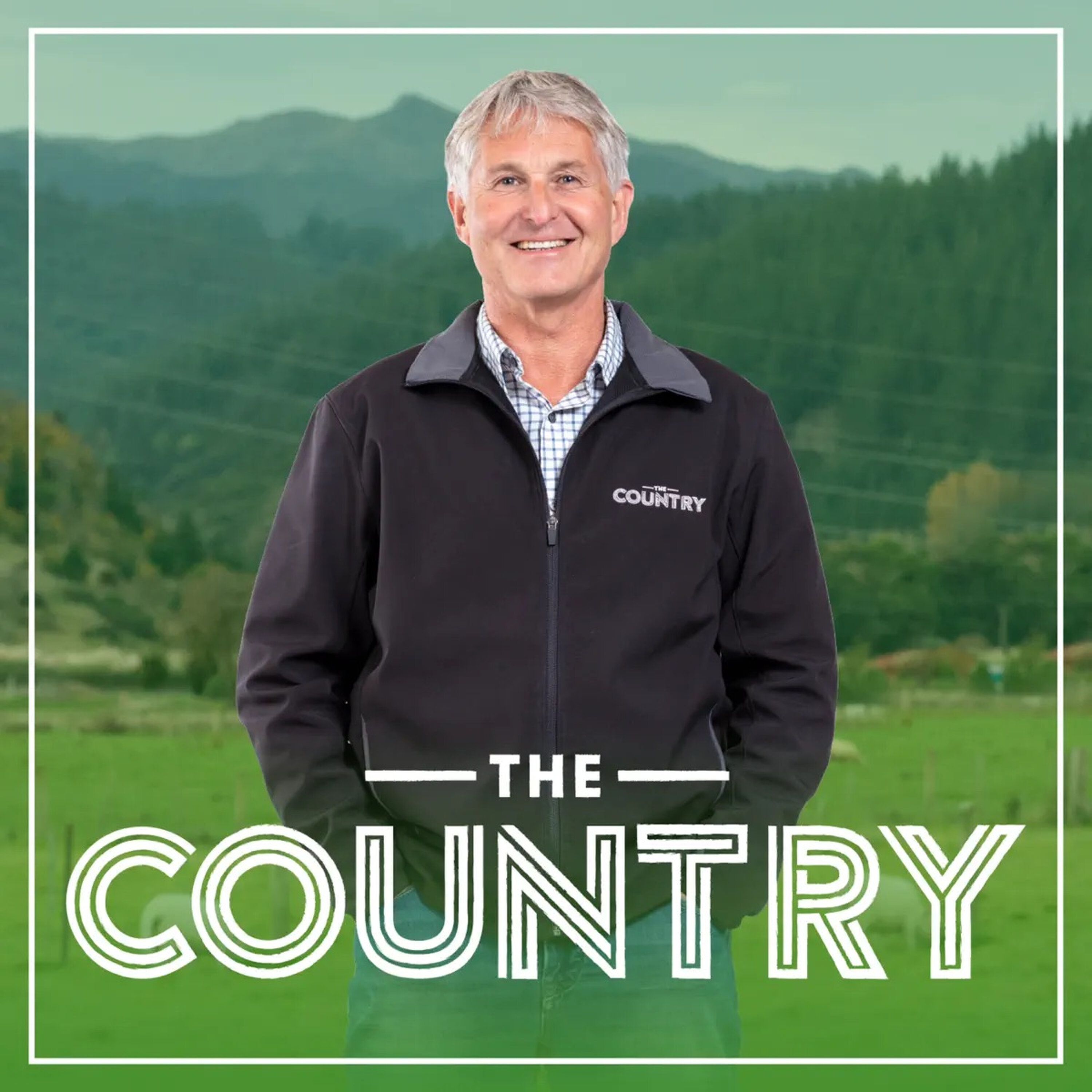
The SME Stream — The Country 01/04/26: Christopher Luxon talks to Jamie Mackay. Machine-transcribed; use the interactive transcript above to jump the player to any line.
Wednesdays on the country, the Prime Minister kicks off the show and we really appreciate it's time because it's not an easy time to be a world leader. You've got a cabinet reshuffle coming up. I must say I was listening to one of your Cabinet Ministers this morning. Minister of Trade and Agriculture Todd McClay with Mike Hosking with the Husk and I must say Prime Minister, there's a man right on top of his portfolio. Absolutely, you just come back from Cameroon yesterday, we're both hosting Miss Esprey event here in Parliament last night and we've done a great job, particularly on this Indian FTA and it underscores again in difficult times like we're experiencing why the value of those international relationships are creating optionality for our exporters. So Todd's doing a fantastic job. He sort of indicated that while Damien O'Connor was on board, Chippy wasn't. Surely politics isn't going to get in the road of this FTA. We need India and now more than ever. Yeah, we just take a step back. We're a five million people country,
India is doing a deal with what will be the third biggest economy in one and a half billion people that is pretty unprecedented and not only that, we're negotiating a standing deal, which the Europeans and have just concluded and we've got a better deal on so much of those items. If you think about Kimi Fruit last night, massive opportunity for Kimi Fruit, in India, that doesn't exist before best deal ever achieved for Kimi Fruit with India, a fantastic position to be in. So, it's just more than ever with the crisis, the fuel crisis and the Iranian crisis and the conflict is just underscores why we need this deal more than ever. We've had all the earth constructive relationships with Labor and trying to get them on board with it. As you know, you've had Damien O'Connor travelling with Todd McLeod to Cameron WTO meeting just recently, so they've obviously been in conversation over the last week and will continue to work positively with them, but frankly, this is a New Zealand's best interest. It's a fantastic deal. We will not look forward five to
10 years from now and the parties across Parliament need to get on board. So, the process is you sign it and then you go to Parliament for approval effectively. Is that how it works? Yeah, it's sort of there's a process on FTA, which is you sign it, then you go to a ratification for component parts of that signing and we're going to work really hard. It historically has been bipartisan. If you remember Labor initially opposed the TPP, then they proposed they wanted it as a CPTP, which was fantastic. They couldn't get the Greens on board in their government, so National came out supported them as well at that time. It's always been a very bipartisan thing because it's a New Zealand thing, right? It's not a political thing and we want to try and make sure it's as bipartisan as possible. Oh, someone should mention that to Winston. What's the latest on the Middle East crisis? And I know you can't tell us everything. And why are we not at level two fuel restrictions now? Yeah, look so firmly and foremost, you know, the conflict we can't control and I'm being quiet up front with New Zealand is about that. It's incredibly worrying. The
indiscriminate tax from Iran onto the regional players. What are the endgame and the goals of the US and their strikes? All of that. You can debate, but at the end of the day, we will act with international actors and calling for resolution there, and that's what we can do. But what we have to now manage is the consequence of that conflict and the impact that it has here on New Zealand. And there's no doubt about it. There will be an impact on inflation and also on growth, and our job as a government is to minimize that impact as much as possible, because that's what's caused pain and suffering. Make sure we don't repeat the mistakes of code and also get timely targeted support to people. What we've got to do, job number one, is secure fuel supply. If we lose fuel supply, then we have a real different impact on incomes and jobs across New Zealand. The good news is that we are in a really good position. We lifted our fuel security minimum stocks at the beginning of 2025. Many countries around the world have much lower levels of stocks than us, and we're in very good place. From day one, we've been talking to the fuel industry and refineries.
I've been making out with the leaders from those countries where we get our fuel from. We have very good confidence. The market is operating quickly. The fuel is available nationwide. Yes, the prices are going up as expected, but fuel is available, and there are no signs of disruption, supply disruption coming into the country. We also plan for a world which we hope never comes, but if we had to, we've got to deal with what situation I want the officials here thinking about how things could be, worst case scenario, or months from now. That's a prudent responsible management. There isn't a need where and what's called the watchful phase. Phase two is it being more precautionary that we would see signs of significant supply disruptions. We don't see those, and that's why we're in phase one. Just a final question for you. Does the primary sector I'm assuming it will sit just behind emergency services in the priority queue? Should we have to start restrictions or rationing? Again, we're trying to avoid getting to what's called phase three and four, which is phase three
would require the government making some interventions to make sure the fuel gets to where it needs. Obviously phase four is we've got really bigger, all sustained supply disruptions, and we need some pretty formal rules to ensure the fuel gets to where it needs. We're going to work that up with industry. That's one of the big things out of COVID, was that the government did it to industry rather than work with industry, but yes, what we've indirectly proposed, and there's more definition to come should we get there, and we're trying to avoid getting there. That's why we want to focus on phases one and two, so we don't have to deal with the more interventionist phases later on, but what we're foreshadowed is look, you've got to make it, you've got life supporting services, you've got to make sure you're looking after economically important services, clearly primary production, food production comes very important in that regard, then it's your essential services, then it's other commercial customers, and then it's general retail sales to consume. So there's a priority there as to then the devils and the detail of how that would all get fleshed out, but we are a long way away from that, but I'm just asking us to be prepared for that in advance, because that's what we can do. As I said, we've got to control
the implications on EZM, and that's what we're trying to work hard on. Hey, I started by talking about your cabinet reshuffle. While we were waiting to go to air, I said, should Grant McCullough my old mate, the National MP for Northland be holding his breath? I didn't get a great indication from you that he should be holding his breath on this one, it might be fatal for him. I can just say he's doing a great job. He's happy to be the MP for Northland. Is that what you're going to say, Prime Minister? He is, I'm not revealing anything about that, but I just want to say he's doing a great job, and I've watched him on a number of issues where he's advocated strongly for Northland, obviously, he loves their region, he's sent him caucus most weeks and talks about it, which is awesome, now he's doing a great job. Dan, to my faint price, I love your time here on the country, thanks for it. Thanks, Jamie, good to be with you.
More episodes
More from The SME Stream

Learning to be a better business operator
The SME Stream

Barry Soper: Newstalk ZB senior political correspondent on NZ First's bid to cut...
The SME Stream

Is the stock market getting expensive? Wealth Watch with Generate - Thu 24 Sep
The SME Stream

Kerre Woodham: Time is running out for businesses that run on gas
The SME Stream