Get every episode summarized
Each time WRFH/Radio Free Hillsdale 101.7 FM publishes, we email you a written briefing from the transcript — the topics, who appeared, and any specific claims, with the ad reads skipped.
Email me new episodesFree for 3 shows. No card needed.
About this episode
“Your listening to Sofia Mance interview Evie Solheim on Radio Free Hillsdale 101.7 FM.”From the transcript
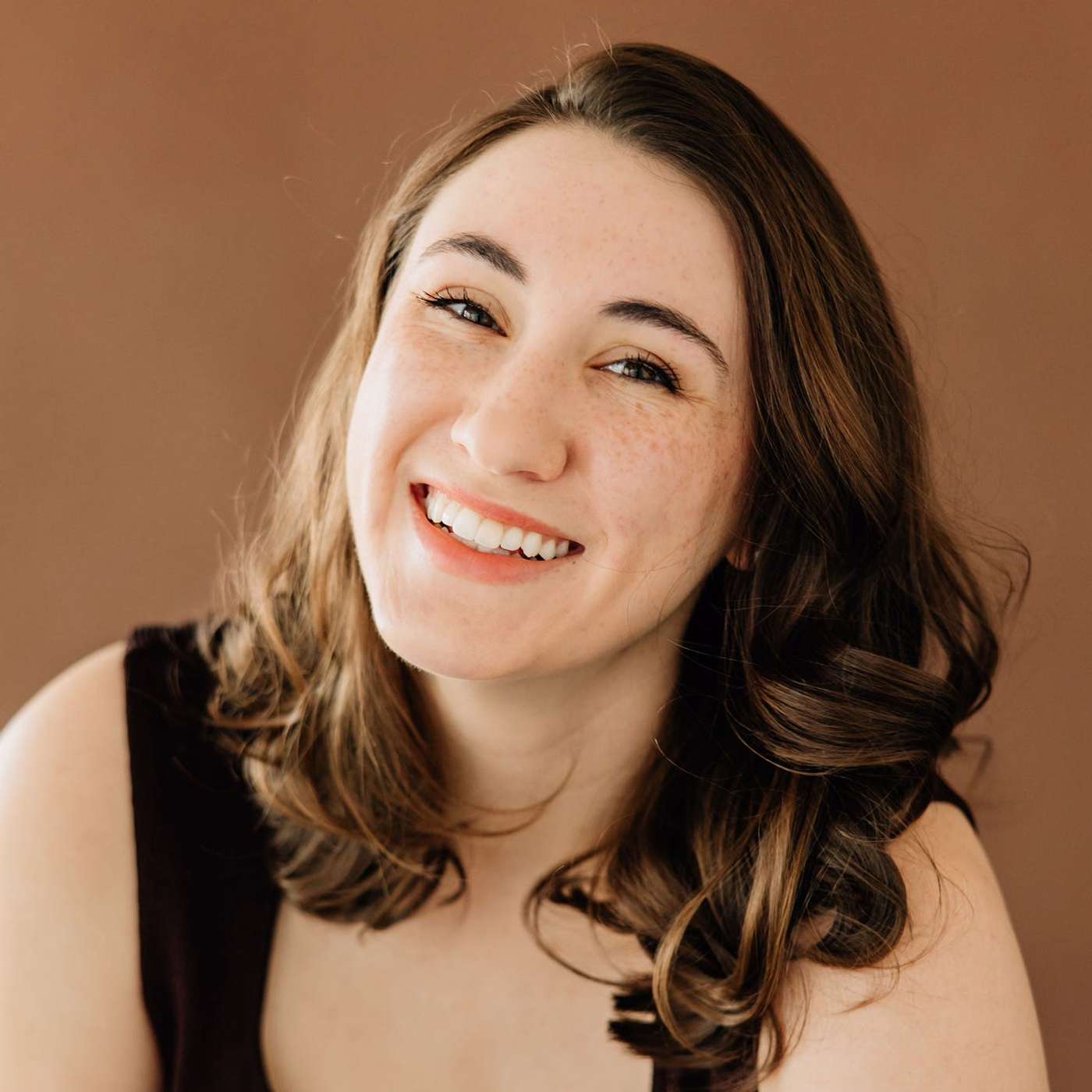
WRFH's Sophia Mandt interviews Evie Solheim, who discussed her involvement as Director of the Chesterton Media Fellowship, and her experience writing for publications including Fox News Digital, the Daily Caller, and more. From 10/01/26.
Get every episode summarized
Each time WRFH/Radio Free Hillsdale 101.7 FM publishes, we email you a written briefing from the transcript — the topics, who appeared, and any specific claims, with the ad reads skipped.
Email me new episodesFree for 3 shows. No card needed.
Know when Evie Solheim turns up
Follow Evie Solheim and once a week we email you every new episode they appeared on — including guest spots the show notes never mention, because we read the transcript.
Follow Evie SolheimFree. Pick your own day and time.
Hosts & guests
Transcript ready
131 searchable segments. Every word is indexed and playable.
Full transcript
WRFH/Radio Free Hillsdale 101.7 FM — The WRFH Interview: Evie Solheim. Machine-transcribed; use the interactive transcript above to jump the player to any line.
Your listening to Sofia Mance interview Evie Solheim on Radio Free Hillsdale 101.7 FM. Evie has a storied journalism background and currently directs the Chesterton Media Fellowship, described as a six-month, part-time fellowship for talented young writers who want to chart a course for American renewal. But first Evie, I'd like to center back to your journalism background. When did your interest in journalism begin? And what's the first outlet you wrote for? That's a fun question. So my parents say that I came out of the room wanting to be a journalist. I mean, some of my earliest memories are watching TV news. So watching like, you know, the 6 o'clock evening news, watching 60 minutes, reading time magazine, reading our local newspaper, those were like my favorite things to do pretty much as soon as I could, you know, read big enough words. But, you know, as a kid, it's hard to imagine what you're going to do.
I was like, well, I'd be a foreign correspondent, I'd be a magazine journalist. And of course, between the time that I was a kid and consuming things like, you know, a print newspaper. To the time I went to college, we kind of had this digital revolution, which was interesting to just kind of watch as a kid. And wonder, okay, what will I do? What skills do I need to learn? I always knew that my heart was in writing. Like broadcast is amazing, you know, learning how to produce, you know, a segment is amazing. But I always knew my heart was in writing. And so I ended up going to Patrick Henry College, which has a really strong journalism program. And the students who come out of there are very well-rounded, but it definitely does have an emphasis on writing. So I enjoyed that a lot. And yeah, I'm trying to think of my first, I mean, my first outlet. I'm trying to think probably a local newspaper. If you're going to count, submitting to a poetry contest, I guess the first time I was published was when I was five and like our literally our town newspaper. But just seeing myself in print got me so excited. And I just kind of kept chasing that and ended up, you know, working for our state paper of record by the time I was 19 and reporting for them.
Well, that's really cool. And then I know you also have a background in writing for the daily caller, I believe in Fox News digital. So can you kind of describe to me kind of that progression of like the different media outlets you've worked through throughout your career? Exactly. I mean, when you're, you know, a college student, you don't always know exactly where you want to end up. It's hard to picture like your end goal or pick like the exact path you want to take. I definitely encourage people not to try to chart like a linear, you know, 10 year plan. I think taking opportunities as taking opportunities as they come is good. So basically one of my friends at college got a job at the Daily Caller News Foundation and told me she was enjoying it. And I was like, oh, like we're close to DC. I think I would enjoy working in conservative specific news. I had worked in local news before that and Christian news. And I was like, you know, conservative news sounds really interesting. I'll just give it a shot. And I ended up really loving it and enjoying just getting to know, you know, the news cycle and getting to know the cast of characters who, you know, drive the news cycle.
And so I did up at Daily Caller. And by the time I was 21, I was at Fox Business, which for my role kind of morphed into working at Fox News digital. I was just a little bit of a fun. But yeah, I definitely encourage students, you know, just trying an entry level job doesn't lock you into that forever. Sometimes it's nice to just try something and you actually might like it and might, you know, have fun seeing how far you go. And if I understand correctly, you were writing for Fox News digital at age 21. That's a very young age to write for such a well known outlet. What did it take for you to end up in that position? I mean, how did you end up in that position at such a young age? Yeah, no, I mean, I graduated from college at 20. So that kind of put me a little bit ahead, I guess, just in terms of age. But really, I mean, I was showing up every day. I was working my butt off at Daily Caller and, you know, just kind of if an editor needed something, you know, I was always willing to try.
And so it's not that I wrote anything. I think that, you know, I would call my magdem opus during my first year of journalism. But I was somebody who just kept getting in the reps and was always willing to try and take at it. And so when someone who had worked with me at Daily Caller knew that there was a position open at Fox, you know, I was the person they called. And so I got to, you know, hop over there. And it really was, I mean, I always tell people who are, you know, in journalism, trying to sideward work. I'm like, well, it's really nice to be at Fox because everybody answers your emails. I mean, whether whether they're on the Democrat side, they're a Republican side. I mean, I did a ton of, I did breaking news, like covered a ton of topics. I mean, I remember, you know, having to get in touch with people from like the Chicago mayor's office or a random business. And, you know, people get back to you quickly because they know that the audience is so big. Do you have to be some favorite articles that you've written for Fox News digital that come to mind? Favorite articles I've written for Fox News digital. Yeah, I mean, it was always fun because, you know, I didn't really work on the TV side. But sometimes my stories would get picked up by TV side.
I would get run. And so it'd be like, my name on, on a, on a graphic. It'd be like, shot, hand, a talking. That was fun. One of the stories that was just so crazy. I don't know if many of your listeners will remember. I mean, this wasn't so long ago. This was only in 2020. But there was during COVID and during BLM, like the post George Floyd protest and riots. There was this place that got roped off and called the Capitol Hill Autonomous Zone. Now I'm not talking about a DC. This was in, I think, Seattle, Washington. So the Capitol Hill Autonomous Zone, since they have a Capitol Hill neighborhood there too. But basically a bunch of people got together and decided like, we're not going to allow policing. We're just going to, you know, make this basically a no man's land. And, you know, essentially doing it for political reasons, but it turned out that, you know, criminals took advantage of it. I think a few people ended up getting shot and died there. But, you know, when, before that happened, I got in touch with local business owners who were basically afraid to speak out about it. You know, their businesses now no one could get to their businesses because they were inside the autonomous zone. And either people were blocking traffic or there was, you know, it was just too dangerous to go in.
So I remember talking to one business owner who was telling me, yeah, it's fine. It's fine. Like, no, my business isn't operating right now. But, you know, it's okay. And there had been like, I think like a fire started or something. And I said, well, what was it like? Like you were there, apparently you were serving burgers. I was like, what was it like? You know, before the chaos started, he goes, well, it was mostly peaceful until the shooting started, you know, something like that. I was like, this is quote of the year. Like, oh, my goodness. So, so just kind of talking to anyone, you know, could be a member of Congress. It could be a local business owner. That was, you know, the fun of that job for sure. Wow. That's, that's so interesting to me, especially because I've been able to intern at other news outlets, such as both reason and Washington examiner. And in comparison, those are definitely smaller. Like reason is one room. And it's a real newsroom. It feels that way. But I basically kind of felt like I knew of most of the people there, or not everyone was in the office. But like, I had heard of most people. And then examiner in comparison is definitely a larger news team. So it was one really, really, really big floor.
So I guess like, did you just how what is even Fox News like in that sense? Like is it just feel like this huge huge vast space just comparison to more smaller outlets? So I spent my whole time at Fox working out of the DC bureau, which is really close to the Capitol, so that lawmakers can, you know, hop over and do their hits. And so it's in actually when I worked there, it was in a pretty small cramped space just because you had so many people who needed to work, you needed so many TV studios for guests. And you also needed to be, you know, right near the center of power. And so it's not something that I would say, oh, it's so grand to work there, you know, we were all kind of squished in like sardines at some point. But the really cool thing is, you know, you could just be spending at your desk at 8 a.m. And there goes, you know, the secret service and the vice president. It was crazy. I think I actually got to desensitize to it. How many just incredible and interesting people were coming through.
But yeah, I would just be like going to get, you know, a snap my 10 a.m. snack and there would be the attorney general walking down the hall, you know, things like that. And so looking back now, I'm like, wow, I don't think I appreciated this enough as a 22 year old to be in the middle of all this. But it definitely makes for some fun stories. You're listening to Sophia Mant interview, Evie Solheim on radio free Hillsdale 101.7 FM. What makes the Chesterton Media Fellowship special and how did you end up as the fellowships director? Right. Well, I'll give a shout out to Bradley Haley who is a hostel senior and is also the founder of New Guard press, you know, I respect what Bradley has built so much. And we just happened to get connected through the intercollegiate studies institute, which, you know, we've both been a part of for years. We got connected through them and he told me about his vision for a fellowship that would help some, you know, young writers take their skills to the next level. And I was like, my jaw was on the floor. I was like, this is the exact kind of program I've always dreamed of being a part of. And so he just kind of, you know, let me take the reins and let me kind of, you know, build the program how, how, how I would see it.
And it's been really fun, you know, because the word fellowship, right, there's so many different ways that organizations can set up a fellowship. You know, obviously it's not like a journalism exclusive term. But for me, it's kind of like I've rolled being a writing coach and a writing mentor into, you know, the fellowship model, which is that, you know, you get support, you get talked about publicly and you get training and stuff. And so it's kind of a combo of like you get a free writing coach who's pitching your stuff, helping you pitch your stuff and, you know, editing line by line, your op ads and helping you come up with ideas. But then I'm also making sure you're getting a monthly call with a journalism professional and learning from them and connecting with them. And, you know, connecting those students with mentors who will, you know, work with them even after the fellowship is over. So it's been a really fun process. And from, from what I've heard, the students have enjoyed it. And we've had so much fun helping them hit their goals of the outlets they want to be published in and the topics they want to cover.
Yeah, it sounds like a wonderful opportunity. Could you also talk a little bit about GK Chesterton, who's the namesake behind the Chesterton Media Fellowship and why maybe you chose him as that. Right. Yeah. So that was Bradley's idea and Bradley actually wrote a great op-ed in the federalist about this. But just to sum up why we chose Chesterton, a lot of people know him for father brown stories or for his orthodoxy book. But, you know, in his day, what he was really known for was being a newspaper columnist and a journalist, you know, people in England would open up their newspaper and there would be a GK Chesterton column. I think he wrote thousands of columns and he was talking about the news of the day doing cultural commentary, you know, bringing it back to lessons from scripture and history. And so he really was just kind of the example we want our students to emulate. And obviously just a great writer, a very quotable writer. And someone who, you know, as it did take you a whole lifetime to read all his stuff, there's so much there.
And so that was kind of the idea for calling it the Chesterton Fellowship. You know, once I heard that from Bradley, I was like, I really think, you know, I can't think of anything better. What's your favorite story that you've ever written? Good question. Thank you for asking that one. Yeah, and this has been fun because I am somebody who I used to write like four stories a day, you know, when I was working full time in terms of becoming a mom and kind of going more freelance. I've actually kind of had even more fun with with what I've been doing because I can kind of put even more time into projects and kind of make sure they end up exactly how I want them. But so some of my favorite stories I've written are just things inspired by my own life. So my favorite would be my story about I called them quote illegal homebirds. Not illegal in the women having them. We're going to get arrested, but a lot of the times the midwives actually who attended these homebursts in the state of North Carolina where I'm from, you know, could end up getting find or could up and then get, could end up in jail. Because of the way the laws are set up there. And so just kind of on somebody who I had a home birth.
I don't know the North Carolina anymore. I had a home birth, you know, I understand why people would want to understand why people would not want to, but I just kind of found it really interesting that my sister who was in North Carolina, you know, didn't have the same options as me, but, you know, some of her friends were doing homebursts and so I was really interested to just get into, you know, OK, why are women choosing this why would somebody choose to do this even when it's. You know, basically outlawed where you are. And so that was really fun to write about also hard to write about because it's a serious topic and life and death, but it was really amazing to me that so many like midwives or women were willing to either go on the record literally let me use their names or, you know, speak to me anonymously. And, you know, kind of tell me tell me their stories. So that was a favorite one for me. And I think it just kind of reinforces the lesson that like if you're a writer, you can find interesting stories in your own life. Like you don't need to go halfway across the globe to find an interesting story. Sometimes you just need to like take a minute and think about some of the things you've been through in your life.
On a similar note, do you have a favorite publication to write for? I don't have a favorite. The fun thing. So of course that the advice I always give to students is I'm like, if you want to write for an outlet, you need to read it. Like you need to know it like the back of your hand. I'm like, the hack is just subscribe to their email newsletter because you'll see everything that comes through, even if you're not reading everything that comes through. You're seeing, you know, the headline, you're seeing the tagline, you're seeing the byline and you're kind of knowing what's going on. And that way if you do decide to pitch your favorite publication, you're not pitching them something they've already published or you're not pitching them something that is technically, you know, one writer's will house. And they don't really need outside contributions on. So I will say I have a favorite, but I will say I encourage students to read widely, get acquainted with one, if not several publications really well that you enjoy. And once you kind of get used to their rhythm and their style and how they approach how those publications approach coverage, you will.
You'll just find it easier to pitch them like you'll see where the gaps in their coverage are and you'll be able to bring them something valuable that their editors will want. So that's kind of my advice there. The fun thing for me is I do get to write for so many different publications. So I'll write for the American conservative. I'll write for commonplace, the magazine of American compass. You know, in the past, I've written for daily wire written for newsweek. I've written for first things. And so I have a lot of fun knowing that if I have an idea, there's probably a publication that if I if I pick the right angle that will take it. I'm someone that really wants to pursue journalism. And I have heard a lot of people claim or talk about it being a dying field, but you seem to think that journalism remains a viable career path for college students. So my question then is what makes you still have hope for the future of journalism and people who want to pursue that as a career? Right. That's a good question. So someone much smarter than me has great takes on this. I will tell anyone listening to follow Marlos playback who's the executive director of the collegiate network, which places student journalists to follow her because she, you know, she writes off edge.
She does a lot of commentary about, okay, where where do young journalists fit in? Should they be scared about something like AI ending their field and her argument is no. And I agree with her. There will always be a need for human journalist, the human touch in a story. There's something that, you know, AI can't do. And so obviously will numbers fluctuate. You know, we'll, we'll, you know, the amount of readers who appreciate a story fluctuate because of technology. Yes, but I don't see any chance that actual, you know, human journalism that sees beyond like the numbers and like the, you know, the cold facts, you know, that that will go away. So that's my answer to that. And it's, it's a, if you have those journalistic skills, there are so many things that you can do with them. You also have a sub stack called the girls guide, which you describe as writing about everything they won't tell you about your 20s. Can you tell me more about this sub stack of yours?
Oh, yes, oh, it was so fun to start it. I started it back in 2021 and I didn't really know if anyone would, you know, enjoy it or if it would catch on. But basically on somebody who, yeah, I worked in politics and I wrote about, you know, the intersection of, you know, business and politics for a long time and serious topics. I also love and I don't think these are unserious topics, but I also love things like pop culture and fashion and movies. And so I thought it would be fun to start a sub stack that reported on kind of the intersection of pop culture and politics, but also brought, you know, people in the DC area. And also now I've made it national like I don't try to to be regional, but it started out kind of being DC focused. But you know, local news and events and interviews with interesting women. So it's been really fun. Every other week I publish an interview along with like a little kind of a little miscellaneous section and a pop culture recap session section and one time I skipped a pop culture recap and I got so many emails like where was it?
So I never skipped out anymore because I think that's my readers favorite. But yeah, it's just a fun newsletter to subscribe to if you want to read interesting writing and kind of maybe see an interesting pop culture headline you may have missed. And yeah, I encourage I encourage young women to subscribe because I do interview lots of interesting women who I would consider role models and who have really good advice that they share. You have any favorite articles from the girls guide? Oh, let's see. I mean, because sub stack is so good for analytics, I know what the most popular ones are. One of my most popular ones was called the best things in life are freebies and it was just basically me saying how you can get free stuff. I was thinking like, you know, maybe more like furniture and like stuff for your apartment because at the time I was, you know, dumpster diving to furnish my apartment on my journalism salary. But it was basically me giving tips about in the DC area how to get free stuff or cheap stuff. So, you know, join your local by nothing group, you know, dumpster dive.
A fun one is host a clothing swap, which I actually a friend and I host clothing swaps regularly. That is actually such a hack because as women, I feel like we have such a hard time getting rid of clothes and it's a really good way to just like clean your closet out, get a few new things, even spend a single dollar. So just some fun ideas like that and that one has stayed like I think consistently at the top. I think people are still enjoying it and using the tips. So that was a really fun one to write. I find that the field of journalism can often feel daunting, difficult, very competitive. What advice do you have for people hoping to break into the field? Right. So my number one advice is just use your youth to your advantage. You only have that quality for so wrong for so long, right? So if you're a student, no one is going to fault you for not knowing what something is or being like, oh, hey, I need help to even connect with an editor or learn more about an internship.
Like people want to help you their entire groups that exist to help you, you know, places like the National Journalism Center and Collegiate Network. They're trying to connect with young students who are interested in journalism to just even help them figure out, you know, A, is that what you're interested in and B, you know, where will you fit in, where you're strongest, you know, they want to find students like that. So the nice thing is is there are groups that want to help you. And yeah, if you're a student journalist, I mean, that's that's kind of the sweet spot because no one's expecting you to have like insider, you know, technical knowledge on whatever you're writing about, but you can learn more, you can go talk to a subject matter expert and be like, hey, like, I'm 19. I kind of want to learn more about this and report on it. Like, will you talk to me about it on background? After you show me, like, yeah, that's my favorite thing to talk about. That's why I'm the expert. And so you just have all these opportunities that if you, if you kind of see them in the right moment, you know, can can really make the difference.
Thank you. This has been Sophia Mant, interviewing Evie Solheim on Radio Free Hillsdale 101.7 FM.
More episodes
More from WRFH/Radio Free Hillsdale 101.7 FM

Objectively Correct (Probably): Top 5 Homecoming Theme Suggestions
WRFH/Radio Free Hillsdale 101.7 FM

The P Henny Show: The Power of Specificity
WRFH/Radio Free Hillsdale 101.7 FM

Tinker, Don't Censor
WRFH/Radio Free Hillsdale 101.7 FM

Up the Hill: Favorite Study Spot on Campus?
WRFH/Radio Free Hillsdale 101.7 FM