Get every episode summarized
Each time All TWiT.tv Shows (Audio) publishes, we email you a written briefing from the transcript — the topics, who appeared, and any specific claims, with the ad reads skipped.
Email me new episodesFree for 3 shows. No card needed.
About this episode
All TWiT.tv Shows (Audio) is made possible by:
“Coming up on Tech News Weekly, Jennifer Patis and Tuy of the Virge joins us this week, and we talk about Google adding MCP support for U.A.I nerds, you know exactly what that means, plus the request for Apple to add a smart home computer.”From the transcript
Jennifer Pattison Tuohy joins the show this week! AI-generated "news" sites. Are 'health age' scores helpful, or harmful? Google Home now supports the Model Context Protocol. And Apple unveils a new photo verification technology for the iPhone 18 Pro and Pro Max.
- Mikah shares a story about Futurism's investigation into Brown Brothers Media reveals a network of AI-generated "news" sites - complete with fabricated writer personas and stolen bylines.
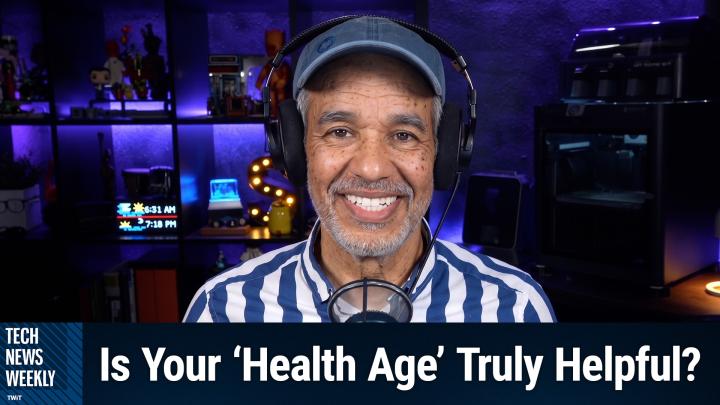
- Victoria Song of The Verge joins the show to explain why "health age" scores from wearables like Whoop, Oura, and now Apple Watch are wildly inconsistent proprietary metrics that can fuel unnecessary shame or false confidence about your health.
- Jennifer discusses Google Home's new MCP support and makes the case that what smart homes really need is a dedicated, on-device "smart home computer" rather than more cloud-dependent AI.
- And Mikah talks about Apple's Reference Image feature for the iPhone 18 Pro and Pro Max, which aims to verify photo authenticity straight from the camera sensor, an approach the company says avoids the privacy and security pitfalls of industry standards like C2PA.
Hosts: Mikah Sargent and Jennifer Pattison Tuohy
Guest: Victoria Song
Download or subscribe to Tech News Weekly at https://twit.tv/shows/tech-news-weekly.
Join Club TWiT for Ad-Free Podcasts!
Support what you love and get ad-free audio and video feeds, a members-only Discord, and exclusive content. Join today: https://twit.tv/clubtwit
Sponsors:
Get every episode summarized
Each time All TWiT.tv Shows (Audio) publishes, we email you a written briefing from the transcript — the topics, who appeared, and any specific claims, with the ad reads skipped.
Email me new episodesFree for 3 shows. No card needed.
Hosts & guests

Transcript ready
672 searchable segments. Every word is indexed and playable.
Full transcript
All TWiT.tv Shows (Audio) — Tech News Weekly 455: The Trouble With 'Health Age'. Machine-transcribed; use the interactive transcript above to jump the player to any line.
Coming up on Tech News Weekly, Jennifer Patis and Tuy of the Virge joins us this week, and we talk about Google adding MCP support for U.A.I nerds, you know exactly what that means, plus the request for Apple to add a smart home computer. Then we dig into Apple's reference image and Victoria's song of the Virge joins us to talk about how health age is a fake metric and a little conversation about being aware of AI journalism slop online. Stay tuned for this episode of Tech News Weekly. This episode is brought to you by Trusted Tech. Trusted Tech is reviewed more than $800 million in Microsoft 365 licensing spend and returned over $100 million to client budgets. On average, that's about 12% of every Microsoft 365 dollar going to waste. And licensing waste doesn't stay small. Left unmanaged licensing drift grows 3 to 7% a year,
and Microsoft's newer contracts can lock you in for years. Trusted Tech's free Microsoft 365 licensing consultation at TrustedTech.team-slash-twit shows you exactly where you're overspending and how to fix it before your next renewal locks it in. It's not just numbers on a page. Sensky services runs pest control and lawn care crews across the country. After a Trusted Tech review, they unified 1400 devices, right-sized 13% of their Microsoft 365 Cs and uncovered more than a thousand licenses they didn't even know they were paying for. Trusted Tech doesn't stop at the cloud. The team also runs deep Microsoft 365 tenant assessments, delivers certified support services that save up to 52% versus Microsoft unified support, handles on-premise Microsoft licensing and offers Azure cloud consulting to cut infrastructure costs. Licensing support on-premise or Azure, Trusted Tech does it all when it comes to Microsoft. Avoid the licensing drift. Go to TrustedTech.team-slash-twit
right now, submit the form and lock in your free Microsoft 365 licensing consultation before your next renewal costs you more. TrustedTech.team-slash-twit podcast you love from people you trust. This is Twins. This is Tech News Weekly episode 455 with Jennifer Paterson Tui and me, Micah Sergeant, recorded Thursday, September 17th, 2026, the Trouble with Healthage. Hello and welcome to Tech News Weekly. This is the show where every week we talk to and about the people making and beric in the tech news. I am your host Micah Sergeant and later in the show, we will be joined by Jennifer Paterson Tui of the Verge. I needed to rearrange things today because we've got a great guest coming up at 15 past the hour. Before we get to that, I wanted to share
a story to kick things off today about a topic that I think I hear about more than any other. When it comes to those among us who aren't the biggest fans of Generative AI, and that topic is of course AI Slop. Because if you've searched for anything in the last year, perhaps Space trivia, some pop psychology, or even a vegan recipe, then there's a real good chance that you have landed on a website that is owned by three Australian brothers that you've probably never heard of. Well, at least until now, Maggie Harrison Dupree, John Christian at Futurism, spent months, months investigating Brown Brothers Media. This is a company that's run by Justin, Locklin, and Brendan Brown and has quietly assembled a network of at least as far as we can tell,
or as far as future Futurism can tell. When T-4 websites drawing an estimated 64.7 million visitors a month, of course, if you count that, that is more digital readership than quite a few popular online sites, including NPR. It's more than CBS news, more than Forbes, and how many employees do you think they have in comparison to CBS news and Forbes? Turns out it's about 12 employees. And that's because, as you can imagine, none of the writing is done by people. And frankly, some of it isn't even attributed to people who exist. We've got fakeness, a scientist, a fake retiree whose age changes month to month, real writers who lost their jobs, and then a search engine that doesn't seem especially bothered. So let's dig into what we're working with here
because, boy, howdy, it is a tale as old as the time of the existence of AI, generative AI. So Futurism, and looking through this, found more than 50 fabricated writer personas, and that's across the entire Brown Brother Brothers media network. And again, invented, in many cases, Space Daily, this is an estimated 10 million page views per month. There are articles written by a Dr. Catherine Chen, who was described as a former NASA jet propulsion laboratory systems engineer who, quote, spent 15 years designing autonomous systems for deep space missions alongside her is, of course, Dr. James Whitfield, who was identified as an aerospace medicine researcher at the European Space Agency. And I think you can imagine where this is going, neither of those people exist. NASA
did decline to comment, but did say it, quote, does not verify past employment or affiliations with the agency. The ESA was a little blunter saying Mr. James Whitfield is not currently employed by the European Space Agency, nor do our records indicate that he has ever worked here in the past. There's also a tech site. Oh, hey, it's called direct message news. And Rachel Vaughn was on there giving mental health advice as a Dublin psychologist with a masters and applied positive psychology from Trinity College Dublin. The British psychological society, as you can imagine, had no record of her. Trinity College Dublin told futurism that, quote, applied, I love this. Because immediately when I read applied positive psychology, I thought, what? Who? Where? And yeah, Trinity College Dublin said, applied positive psychology isn't a degree or even a course that the school offers. And then
futurism took her headshot and traced it to a stock photo in Pixabay. And here's the messy thing about it. They didn't even go as far as to pay for it. It was a free stock photo in Pixabay. I laugh, not because I'm happy that this this grift is happening, but simply because it's ridiculous, the sort of I think earned hubris that exists in being a grifter. I mean, they're called con men because they're confidence men, right? They've got confidence. They instill confidence in you. So why would they think that they need to do more than get a free stock image? It's too easy to make these online and to sort of put this together. So here's an interesting thing about sort of tracking across these various sites. Sometimes the fake writers that were involved
seemed to have struggled with a bit of forgetting who they were because Marlene Martin, who is a retired English teacher, for those of you listening, I'm doing big scare quotes, on veg out was used to, excuse me, yeah, yeah, that name Marlene Martin was used to publish thousands of first-person essays about loneliness and about purpose. Her retirement age in one was 66, in another 64 and in another 61. So she's retired at various ages, perhaps the social security administration needs to look into that. Her own age moved around to, she was 68 in January, 69 in February, 71 in March, and then went back to 70 in April. And this was in an essay about her very real husband's death. Sarah Mitchell, lead editor and a clinical psychologist at Silicon
Silicon canals wrote a sentimental piece, it's probably canals, wrote a sentimental piece about her baby's first word being Max, which is the family dog's name. This is so depressing. All of this big made up weeks later in a piece about the psychology of dog owners, she wrote, I don't have a dog, I should probably admit that up front. There are of course more examples of the different writers for getting their own history. And here's the thing, it's not just a matter of completely made-up stories. In some cases, like in February, veg out had an investigation that was credited to a writer called Jordan Cooper. And it claimed that the author bought a four pack of Apple air tags, super glued them inside plastic containers and sent them on their journey through America's recycling system. And then there was an accompanying photo of a bottle with an air tag inside that
showed sort of an Apple logo that was all garbled. And of course, it seems like it was AI generated. The investigation, it was a near copy of a 2024 story by CBS 8, which is a San Diego station and tracked a water bottle, a yogurt container, an orange juice bottle, and a wipes container doing the same method. Veg out listed water bottle, orange juice jug, yogurt container, and a cleaning product bottle. And then of course, never mentioned CBS 8. There are AI detection systems, we've talked about those in the past and how I say to use those with caution because they often aren't going to get things right. But futurism did add that they did run an AI detection on the text. And the system gave it a 100% AI generated result with no sign of human involvement.
So what is going on here? Why take all the time to set up this infrastructure and make this happen? Well, let's talk about the business model. Brown Brothers Media buys publications that have real editorial identities and old Google trusted domains. That's the important part. And then they take those and they flood them with AI content. The portfolio grew from just like less than, fewer than a dozen sites in 2023. In 2024, went to 17 in 2025. They had 24 and they seem to be adding even more. This year, BBM, as it were, acquired the law dictionary, a science blog and the space media network, those brought in space daily and more than 20 sister
sites, including Mars daily, solar daily, and nuclear power daily. BBM republished thousands of old space media network articles as current news, which gave headlines like iPhone 5 rollout, draws big crowds worldwide. That was posted June. And of course, was about a product from 2012. A 2025 press release credited the traffic to organic reach through Google Discover and Search. And of course, the brothers are linked to AI content scaling startups, mosquito fleet, tip of fleet, and cognitive AI systems limited. These companies that do the AI content scaling are registered in the British Virgin Islands, the UAE. They are, it's really troubling to be frank.
One of the sites that was sold, the Veg outside, Maggie Orteleb was the original founder of the site and sold it. She said she started it at 24 and set on Instagram. Unfortunately, the new owners turned it into just another AI written content website. So not really the direction I had in mind. I can imagine that's the case. There's so much more to this, like so much more to this, this futurism piece is well worth reading to support. But what I want to get at is that these companies are, this company in particular, BBM is scooping up and using reputation of former human writers and creators and then making money, of course, on the ads. Now, here's the thing. Google spam policies do prohibit what they call scaled content abuse. So using generative AI tools
to generate a bunch of pages, but not adding value and then creating multiple sites with the intent of hiding the fact that they are doing this AI content scaling. And futurism did send questions in Google at that point did choose to de-index several BBM sites that included Veg out and Silicon canals weeks later, unfortunately, back in the search results. So it's messy. It's especially messy when a company that is running the world's search engine is also using AI and generative AI and shipping generative AI products and trying to find a balance between the two and figure out these policies together. And so that's really what this conversation I think needs to be about is how we handle this future where generative AI results in sites that have a lot of content that may or may not
have accuracy that may or may not have real people behind it. And what what should be the responsibility of the individual to check the sources of the site, what should be the responsibility of the individual user to check if their AI systems that they're using are sourcing from these other sites that are created by AI, it can get real messy real fast. And I think that that's something that we're still trying to reconcile for sure. But I know that we're all working on it, right? And Google is actively updating its policies as we continue to see this rollout as we continue to see more generative AI content hitting the web. So again, go check out that futurism article. I linked to we linked to it in the show notes and so you can check it out there. But it is time for us to take a quick break before we come back with my interview. I want to tell you about our sponsor this week. It's out
systems bringing you this episode of tech news weekly out systems, the leading agentic systems platform out systems is helping their customers modernize operations by enabling them to build modernize and operate enterprise systems starting from any coding tool and a governed agentic engineering model. It's time to innovate at the speed of AI. We've just been talking about that without compromising quality or control, which is why thousands of enterprises worldwide trust out systems for their mission critical apps. We're not talking about theory. We're talking about massive operational wins. Take for example, a leading global retailer that was struggling to keep up with their rapid expansion. They used out systems to build AI agents that automated their invoicing and translation processes, shifting 95% of their daily store operations to a new digital app, which saved thousands of hours of manual work. Or look at a major global logistics giant that was
drowning in technical debt. Their engineers were spending their weeks manually firefighting by reviewing platform logs by using out systems. They built an AI log review agent in just five days. And that one agent now saves them over 1600 engineering hours every single year, letting their team focus on real innovation instead of reactive maintenance, even in modern digital banking companies are using this platform to standardize and automate complex financial workflows, delivering secure, personalized experiences at a pace their competitors can't match. Out systems gives you the flexibility to deploy how you want and the governance to do it safely. Stop chasing the hype and start building systems that actually scale. Learn more at out systems.com slash twit. That's out systems.com slash twit. Thank you out systems for sponsoring this week's episode of Technos Weekly. All right, we are back from the break and I am excited to be joined today by the wonderful Victoria song of the Verge. Welcome Victoria. Hi, thanks for having me here. Absolutely. So I was scrolling through my
various sites and I saw my brain plastered on the screen. And I said, you you get it because you put a piece out on the verge called your health age is fake. And I am so excited to talk about this because as much as I am a sort of quantified self person who loves to track all the things and is, you know, wearing an aura ring right now and has my Apple watch on the other wrist and has my bed tracking me. There are some metrics that just tick me off as what I'll say because this is a rated PG show. And so I would love to hear Victoria's song. Can you start by telling us what is what is health age and why is your whoop age your villain origin story? Yeah, so health age or biological age, there's a lot of different names for it, but a bunch of wearable and health
tech companies are essentially giving you a score for how well you're aging these days. It kind of coincides with a trend towards longevity being a big wellness trend right now. And I think it's meant to be kind of a helpful visualization of how lifestyle factors that you have control over so things like sleep, regular exercise or the stuff that you're eating could contribute to your body aging better than average compared to your chronological age or worse than average compared to your chronological age. So that's just like the overall concept that we're talking about and whoop put out its version of it. I think with their last update with the woop 5.0 and the woop 5.0 MG and it's hopey I was 41.8 years old so like 42 I'm not that it was like about at the time five six years older than I actually am and I was just like oh rude that's so rude and it did yeah
I was not particularly happy about it as someone who like thinks a lot about my health tries to live a generally healthy life it was a little a little peeved not gonna lie. Yeah I mean and for me there's also an aspect of anxiety that comes with it where I go what if it is right what if it what if it knows something I don't what if what if the way that I'm feeling and the way that I'm actually doing are two different things and that gets a little scary now something that I thought stood out you were in the Steve Jobs theater when Apple announced health age and you said you had a little bit of a no moment when Apple said let's do health age so I'd love to hear kind of what went through your head in that moment and more importantly does not more importantly but as importantly does Apple doing this mean that more of the industry is going to follow suit and try to
calculate your health age. Yeah so when I was in there I was just like no not another age that I have to contend with that's basically what was going through my head at the time you can kind of see it in the verge-life blog if you go look back that Atlas and my coworker had just basically been like there's an audible no coming from V in the theater and it was mostly the interesting thing is that a lot of the health tech and wearable companies have already kind of implemented a version of this like or a husband who has one so Apple is just kind of catching up here one thing I will say though is that Apple has an immense amount of scale the Apple Watch is kind of the OG health tracker in the sense that you know they're the first ones to put EKG into their device I mean like I know Fitbit came like ages and ages before I'm not saying that there weren't others that came before it but it was one of the first smart watches to be like if you wear this it'll have an impact
on saving your life right or that kind of ethos in there and you know they have these commercials every year at the keynote where they show that the Apple Watch can save your life it can like influence a great amount of health change so for them to put that in there I do think it's significant for the health app to be getting a major redesign this fall that's also quite significant so part of me was just sitting there going like oh god here we go here we go it's the this is gonna be kind of shown to a lot of people who are not necessarily big self-quantifiers it's gonna be shown to a lot of kind of little lay people so to speak yeah so that's kind of the swirl of thoughts I was having at the moment absolutely yeah I think that there's something to be I remember reading a piece after Apple released previous features that showed an uptick right in people visiting the doctor for their concerns and it's like it's a tough thing for me because one
that first when that I first read that I thought oh brother like how how silly the people are getting one notification and they're thinking ah I gotta go in but then I thought you know what I think that our health system should be able to support people choosing to go into see if their health is being impacted and so it becomes kind of a balancing act of in my own brain of where I stand in terms of democratization so to speak of I it's almost like the John Deere movement to not John Deere but opposite of John Deere movement to be able to fix things yourself and I think that we should have access to our own firmware but I think it's a matter of packaging how it is and I think I feel and it seems like you do too that health age is not a great package for it you said that whoops not whoop but whoops says you were 42 or says that your heart is actually
two years younger I've also gotten really good feedback from aura on my health and then compared it with some others and thought who is telling me the truth because or says I'm doing all right and all the others are like bro why things says that your vascular age is a year older Garmin says 36.5 there was a mirror at CES who said that your facial skin is 26 a and then your bed said that you were 38.7 and trending older would you like to share your age I think you did at the beginning now and then what is it like waking up to that many competing verdicts about your body I am 38 I think I'm doing pretty great for 38 actually and I was basically like when I look at these scores in the morning I'm just like are we are we serious here right now because it's not you know all of these companies have their own formula as to what they wait and how that impacts your overall score and age and some of them will wait certain factors more than other factors but
it's also just kind of depending on when you test it and what stage of life you're in like I've been a runner now for over a decade right a regular running that has made me a fitter person now at 38 then I was as a teenager at 18 like my cardiovascular health now it's like objectively better I couldn't run a mile when I was 18 and in my 30s I've run multiple half-marathons and I regularly go running it's just a fact of my life so you know do does the health age really kind of measure my health age now or is it measuring the whole progress of my life it's not doing that right it's not telling me that I'm actually healthier or fitter now than I was when I was 18 in terms of like cardiovascular fitness was I lifting weights at 18 absolutely not I do now not as regularly as I probably should because I don't love strength training but I do engage in it because I know it will help me be a better runner right I don't eat as many french fries as I did when I was 18 and
had a great metabolism my metabolism at you know midlife is not what it was so there's like different things based on the stage of life that you're in and you know one thing that I've heard from readers is you know you go through big life events you go through periods of great stress great grief great joy those will all impact your health in different ways there's different seasons of life a person who is a new parent is going to have different abilities to eat sleep take care of themselves and a person who doesn't have any kids or whose kids have flown the nest so you know like these kinds of scores they don't tell you the whole picture of of what your health is because health is a holistic thing so it can be a snapshot it can tell you areas of the life of your life where you maybe need to put a little more effort but it's not it's not like a whole picture that you should be like younger than my chronological age whatever what like yeah that's not that's not that is honestly
I think part of it well we'll kind of combine a couple of questions here because I think the two words shame and ego play big roles when it comes to to health age I think there was even a talk of bragging about one's health age and then as has been my experience I know that VO2 max is important and when my Apple Watch says that's the bro moment bro you need to work on your VO2 max I feel an immense amount of shame and sort of don't feel motivated to improve it because I just you know feel I have failed and that life is slipping away and I'm 34 I think right now yes that no I will be 34 at the end of this year and so like life is not slipping away I've still got quite a bit of it left knock on wood and so it's hard to kind of deal with that but maybe the ego side of things
when we think about the people who are doing the quantified self a lot of the times and we talk about this sort of longevity playing a role that seems to be something that is is a big part of this you talked about and I'm missing it but there was a part where you talked about the guy who's oh yeah there it is Brian Johnson's post about aliens not being able to tell him apart from his teenage son what is that kind of cultured due to the rest of us normal humans who are just looking at our smart watch for some info basically Brian Johnson he is kind of he's famous online for being a guy who is you know trying to defeat death and he's a person who is optimal he's trying to optimize himself all the time and it was really funny because while I was writing this I found a post of his where he was talking about like an alien wouldn't be able to tell that I'm 49 because I have like
the biometrics of an 18 year old like an alien would have a hard time telling me apart from my teenage son and I was looking at him and I was like no I don't think they would and not in a mean way you know like I thought of it more as like a what are we trying to say here like he looks pretty decent for his age but you're not 18 like your your life experiences are are completely different so I just it was just very striking to me to be like why are you discounting the experience that you have and the things that have gotten you there like it's not better to be 18 than 49 per se like I don't think health age is necessarily an evil thing you know but I am sick of how if it's younger it's better and if it's older you should feel what way about it like I shouldn't feel what way about the fact that you know I downloaded the deathbed of iOS 27 and it said that my health age is like
0.3 years higher than my actual age and that's because I haven't been taking as much move I haven't taking I've been taking as many daily steps because I'm going to all these tech events in September and I'm not sleeping quite as regularly because I'm going to all these tech events in September so you know I'm doing pretty great in the sense that it's pretty aligned with my age I guess like I don't it's it's one of those things where I think there's a genuinely helpful intent behind these features but the way that it's communicated and the way that our culture feels about age is not always going to be a super helpful metric there so that's just kind of how I feel about the shame and the ego side of it I do know that like you are going to get some in sufferable people going like hey my age is younger than my health than my biological age I'm in great health and
then some of them are going to go to the doctor and find out actually they have high cholesterol or some of them are going to that's something that a reader shared with me actually or you know some of them are going to go to the doctor and they're in great health like Brian Johnson actually and find out that they have autoimmune gastritis which is the thing that he has publicly shared that he has there's factors that you can control in your health and doctors will tell you that it's sleep regularly exercise regularly eat healthy most of the time and that's very good advice to follow those are things in your control but on the flip side there are things that are not in your control like genetically speaking we are all predisposed to certain things and not disposed to others you we all have heard of somebody who was like super healthy did everything right was in the prime of their life and then dried it died in like a freak accident yeah there's there's kind of like a grain of salt you have to take with all of these metrics and not get super obsessed with them because again they're proprietary metrics they're waiting certain things heavier than the other
I could probably get a lower boot page if I just lifted a lot like true true sure and that would be good for me that's not a bad thing for me right it's just sort of like it's not the whole picture because my metabolism is a part of the picture and that's an invasive metric where I have to get a blood test to kind of measure that out it's not taking into consideration the diet that I'm eating what if I eat a bunch of fried chicken what if I'm a smoker but like it's not everything it's absolutely yeah it's only one part of the picture is one part of the picture right the last single ask it it's a quick one because you you mentioned it you know your wearables convinced that your health was in a death spiral or had you convinced that your health was in a death spiral your doctor was going you're doing great when people have that happen to them what's your advice on on what to do in those situations who or what do you listen to or do you try to get them both on the same page
um I think you more or less check in with a doctor have a conversation about it and then check in with how you feel all of these things are just tools and a toolbox you are the ultimate person who knows your body best and like the whole point of a wearable is for you to be more in touch with your own body and your own health um there are some doctors out there who are really great and some who are I mean I've had to fire a couple of doctors in my life because they were not really listening to me or helping me on my health journey uh I felt not listen to like I think a lot of people have that experience so it's just whatever makes you feel most confident that you are kind of feeling your best at at a certain point in time but you do have to be like your wearable as a tool it's not a doctor your smartwatch is not a doctor there are times where you're gonna have to go to a doctor and listen to establish science and medicine and it's a conversation that needs to be had um I think anything that encourages discourse is good um
it there's no clear um like this is like a cop out but there's no clear answer it's just you know you kind of have to develop a sense and a knowing of like okay it's great that this says my health age is younger I still need to go to the doctor and get my physicals and see if there's anything there if there's something in my body that feels wrong I do have to go see a doctor and talk about it um I just don't think you can cut out either per se you just have to take everything with a grain of salt and check in with yourself so yeah well Victoria I want to thank you so much for taking the time to join us today if people would like to follow you online and keep up with the wonderful wonderful work you're doing where are the places they should go to do so they can check me out on the verge.com I have a newsletter there called the optimizer where I talk about all the stuff every week uh and you can find me on all socials at uh at Vic M song so I just keep my handle the same everywhere for ease of convenience so yeah wonderful thank you so much for your time we
appreciate it thank you thank you for having me all right folks we're gonna take a quick break before we come back with stories of the week and the wonderful jp t Jennifer Paterson to a in just a moment all right let's take a quick break so I can tell you about our next sponsor of tech news weekly it's re neo ios smart glasses re neo incubated by tcl electronics is at the forefront of augmented reality and smart iware re neo is thrilled to announce its new ios smart glasses smart iware that looks like everyday glasses lightweight 33g retro frames available in multiple colors combine advanced AI and firefly nano micro optics with a balanced design that relieves pressure on the nose and ears for discrete all day comfort and high information work environments with re neo's first and only display tech down to an incredibly thin screen with 97 percent transparency the screen that's almost totally invisible it looks just like an everyday lens but it magically floats all
your important info right in front of your eyes like checking time whether schedule email stocks including real time subtitle translation in 55 languages and 109 accents plus AI auto scrolling for content creators and presenters users can experience re neo AI and jemeni included it no cost and for only $9.90 per month you can unlock other AI models like clawed chat gpt jemeni and deep seek with their AI multi model bundled subscription service real time AI assistant proactively detects questions during conversations in real time searches for relevant information and displays targeted answers directly on the glasses when users wear the io and activate live cues re neo AI helps users stay informed without interrupting the conversation this eliminates knowledge blind spots and ensures smoother communication re neo has a life log which is your ambient all day memory
effortlessly capturing your daily moments hands free the glasses act as your second brain remembering what you see and experience so you can stay fully present in the moment re neo has automated journaling voice memo the ability to record meetings or sudden inspiration and much more check out re neo ios smart glasses today at r a y and e o dot com that's r a y and eo dot com thank you re neo for sponsoring this week's episode of tech news weekly all right we are back from the break and as i promised joined this week by the wonderful jpd jennifer paterson to a welcome hello hello happy to be here happy to have you so it's time for our stories of the week and you got a big one from google and maybe a little chat about apple too what's going on in the world of google home yeah so whilst everyone's talking about how a i will kill us all i have a way that a i might kill you in your sleep yeah basically what has happened is
that google home which is google smart home platform has added mcp integration so this is model context protocol which basically means that you can now use any third party a i agent with your google home so you can take your google home instance you can plug it into clawed open claw it also works with google anti gravity hermets or basically any a i agent agent platform or framework that supports mcp so it's not locked in you can use use it with anything they um obviously they meant google mentions google anti gravity is one because that's their agent framework clawed obviously something that consumers and users might be interested in using open claw has been was sort of at the forefront of the sort of smart home integrations when it launched more recently so this is a big move for google home there are a couple caveats but basically what it
means is that you'll be able to use the intelligence of your a i agent to digest analyze and control your smart home so this is yes i could now use clawed to turn my lights on but much more sort of importantly i can actually use clawed to understand the context of my smart home um so this is things like um actually being able to understand you know you well a couple of the examples that google has have given that you might be able to do is a cross camera analysis so if you have a number of cameras connected to a google home um using a an a i agent intelligence can sort of look through the cameras and you can say to it hey what did my kid do when they got home and it could look through like four different cameras and say okay your kid arrived at this time then they went and had a snack and then they went to their room um you know if you follow your child back closely um then also like how many loads of laundry did i do this week it can access your smart washing machine and
and look at the data and how many times it how long do i leave the lights on you know what could i do to reduce energy use like it can actually take the data analyze it and give you feedback could help do things like optimize automations um help you with more complex tasks that like your smart homes interface especially google home which whilst it's got better recently has been quite limited when it comes to setting up automations um so help you set up more complex automations specifically thing i'm most interested in would be troubleshooting helping because it can see the whole picture and potentially see where things are going wrong design dashboard for you so you don't have to use Google's web interface or google's app you could create your own but still running all of google's running on on google's platform so it's a really interesting move um from google who obviously is is one of the more open platforms the biggest caveat is it requires google's
premium advanced google premium google home premium advanced plan oh my word what a name is an expensive one 20 dollars a month 200 dollars a year this does get you um video recording stored in the cloud google's AI features um but yeah you can't just sadly use this to plug into google home and suddenly not have to pay google anything um there are other platforms that use this like home assistant has mcp i actually use clords to vibe code my home assistant a year or so ago i'm a big dude i mean too i like it's so great literally yesterday i said um i want a dashboard for my office and here are some things that i want it to be able to do and so now all i do is click one button and it turns all of my lights orange or blue or purple i've got a thing that just turns off my studio lights i can see the temperature and humidity in the space i love the mcp
access to home assistant and so when i saw that this was coming to google home i thought that's great too for people a because i think you're right people at first think that it means i can talk to cloud and have it do these uh like turn on and off the lights on my behalf or something and it's like no it's about much more powerful instances because otherwise it's a little wasteful of of your usage to just yeah you want the analysis you want to use the intelligence to actually help create a more intelligent home like so your home can actually start doing things somewhat more proactively hence the potentially kill you when you're asleep um but yes the idea here being that there is so much potential once you have the data and the analysis and the ability to analyze the data from your home and you can connect other things obviously to your AI agent so you can pull in all aspects of your digital life and have a much more complete picture and and set up much more interesting automations that not not just about turning lights on
and closing shades but combining everything and this is something you know this is what the smart home has been working towards this is sort of what amazon's plus was promising when it first launched so though it hasn't really gotten there at all um and google home has gemini for home now which again we kind of thought it would do this and perhaps this is a precursor to put gemini for home getting smarter because google does a lot of this you know opens these platforms for developers i think this really is more of a developer play i think there are people that will there are consumers that put a lot of your listeners that will probably want to play with this but i think this is really more about um developers building being able to build more powerful um instances apps automations on top of the basis and using google home as an infrastructure because home assistant as great as it is big fan isn't that consumer friendly yet it's getting a lot better but google home is much more so and
you know it's a lot easier for people to use and get set up and started with and now you know if you're a developer that has a product that integrates with google home you can use this sort of integration you can use the mcp you can develop something more powerful more interesting and potentially more profitable because i'm sure there's money at the end of this a tunnel for most most people that's what you know that's what was happening with a i a i is getting much more expensive in the smart home case in point apple home we've just found out how expensive apple homes apple intelligence plans are yeah and we're talking sixty bucks a month people this is a month which is that's where who why why why do you think that like what what's going on there what i'm hoping that some mistake and that like next week they're going to say oh hang on we forgot to tell you because you're so out of touch i know so out of time just pay more or less like excuse me you pay
less than that for so much more from other places and that's what i'm struggling with it's the bundling so they bundle apple home bundles everything into i cloud plus and what's happened now with apple intelligence and apple home which just officially launched with ios 27 is whilst you can still use home kit secure video for much cheaper i think you can get unlimited cameras on the on the six terabyte plan five cameras on the two terabyte plan and that's i forget exactly how much that is but i think it's like it's not sixty bucks a month the sixty bucks a month plan is twelve terabytes of storage but now with apple intelligence if you want apple intelligence activated on your cameras you need to pay for either the two six six terabyte plan or the apple one bundle plan gets you two cameras no i can't remember off top of my head one camera for 20 bucks a month two cameras for like
30 bucks a month and then five cameras for 60 bucks a month along with increased storage but yeah five cameras for 60 bucks a month there's an awful lot so which brings me to my other story from the week which was i think apple needs to make a smart home computer because we're seeing the benefits of a i in the smart home and there are a lot of great things you can do with it but we do not need frontier models to do this type of data analysis to turn our lights on and off to do some orchestration in our homes to tell us it's a dog at the front door not a squirrel we we can do this type of stuff on device with more limited more simple potentially less capable models so what I saw at e4 last month yeah a few weeks ago time who knows it was a new sort of category of smart home brain so it's an nvr it's a nass it's a smart home controller hub so thread matter
and then it has a local AI and you run your cameras your smart home devices you store your files your music your photos all on this one hub and i was like what if apple made this and made it an airport express it would solve all the problems of this one home and then the idea here we wouldn't have to be doing using private cloud compute we wouldn't have to be sending data to the cloud to run our smart homes they could run their models on device which is what they do currently with home kit secure video on apple home and on the i mean on the apple home pod and apple tv but those aren't those current models are obviously not capable and this is potentially where we may see apples tune change around this when we get a new apple tv or a new apple home pod that potentially has more capabilities we may not have this is all speculation but we may not have to be ponying up for the 12 terabyte i-chone plus plan in order to get these features of apple intelligence but
we shall see apple the famously open company has not shared let me ask you this is somebody watching this who heard a lot of what we've talked about and went what um yeah sorry not too much information all at once here and i think sometimes for for us you know because we've got the terminology underneath it's and i so i think it's more about sort of impact that it could have on the average person who in their home they've got some lights and they've got let's say uh one camera and their thermostat is smart um what's one example of how this google home uh change could help them and then what's one example of how apples updates uh with home kid secure video and private cloud compute could be of service to them
yeah so so say you have three or four smart devices thermostat um maybe a video doorbell a smart light and um you mcp might not be in your future but if you were going to go give it a try and where this could potentially lead with google home bringing these types of um in these types of capabilities to the main platform into everyone down the line is that it could so we already have with google home like present sensing so your your your camera can say you know to tell your system that you've arrived home or your phone can tell your thermostat that you've arrived home and adjust the temperature turn the light on um maybe turn off the camera because you don't be recorded once you've got home so there's some of this already but that relies very much on you know certain elements all falling into place you have to have your phone on it can't be out of battery um the facial recognition on your doorbell camera has to be correct and know that it's you instead of your ups guy which my ness camera always thinks i'm my ups guy um so in terms of
having a more intelligent brain in your home it could it can take all the cues from each device and and that analyze them and take out potential conflicts or doubt like okay this the door said it was the ups driver but her phone did arrive home so it is Jennifer and we are going to adjust the thermostat like it just adds that extra layer of context to your home make things work hopefully more reliably but also more more contextually like understanding what's happening throughout your home um in the long term also like it can do things like amazon already does this but like it says like it'll have a hunch that you know everyone's gone to bed so it'll turn the lights off turn down the thermostat lock the door even if you haven't told it to do that that kind of context is is really valuable in this smart home but to date again relies on too many variables and unclear cues that in theory an AI that can see a complete picture of your home would be able
to act on reliably and hopefully not fry you in your bed at night. For Apple HomeKit users the Apple intelligence features that have arrived include something that both nest and ring have had for a year or so now but text descriptions for video cameras so this means instead of just getting an alert from your Apple HomeKit doorbell camera bet an animal was spotted or a person was spotted although you do get facial recognition in Apple home today but it will give you very specific things for example there's a cat sitting on the porch and Brian just walked away from the front door and um the ups driver arrived so it will give you a whole description of what happened rather than you having to click on an alert that says you know someone's at the door and then you have to watch the video to see what exactly happened so this kind of tech this AI generated text description is is using the Apple intelligence to analyze the footage and provide you exactly what happened in a text description um and it's
it's very useful for glanceable like oh this is what happened I don't need to worry or oh okay that's bad I do need to I need to take some action and where you can see this going with Apple Home is similar to what I was describing with Google Home is you're feeding that context rather than just a person specific context about a package an animal and which person into your smart home so your smart home can be more proactive and more reactive and that's ultimately where the smart home's going I'm just I would really like to see it all happening locally yes and not in clouds that we have to pay $60 a month for oh man all right we're gonna take a quick break and then we'll come back with a quick little story of the week from me um about it's another side of AI and making sure that we can verify when our images are our own but first let me tell you about this week's sponsor of tech news weekly this episode brought to you by threat locker we love threat locker threat actors are using AI to automate vulnerability discovery modify scripts during an attack generate new malware
variants and coordinate activity across multiple systems so tasks that once took hours or days can now happen in minutes at the same time organizations are introducing AI assistance and agents that can access documents can source code can access cloud applications can access API's and internal systems security teams need to know which AI tools are in use what information they can access and whether they are operating outside their intended scope a successful login or unfamiliar file hash does not provide enough context teams also need to understand whether an application is behaving normally accessing unexpected data or communicating with systems it should not reach threat locker uses application allow listing to control which AI tools and other applications are permitted to run uses ring fencing to limit what approved applications can access which processes they can launch and how they communicate uses web content control to manage access to public AI platforms and other
online services uses privileged access management to prevent AI applications and their users from receiving unnecessary administrative privileges applies zero trust network access and zero trust cloud access policies to restrict resources to authorized users approved devices and permitted applications and supports windows mac and linux environments and provides 24 seven us based support trusted by organizations including jet blue heathrow airport the Indianapolis colts and the port of van koover jack tomson director of information security risk and compliance for the Indianapolis colts said with threat locker we have the ability to centralize disparate elements in the security stack threat locker has also recently received the following industry recognition it was recognized as a strong performer in the january 2026 gartner peer insights voice of the customer for endpoint protection platforms ranked number one in application control by pier spot and was the winner of best zero trust security solutions at the 2025 tice awards AI governance requires more than
an acceptable use policy threat locker gives security teams the technical control to define which AI tools are approved who and what can access them and how those tools are allowed to interact with business systems and data visit threat locker dot com slash twit to get a free 30 day trial and learn more about how threat locker can help mitigate unknown threats and ensure compliance that's threat locker dot com slash twit thank you threat locker for sponsoring this week's episode of tech news weekly all right every few weeks the question of whether a photograph shows something that actually happened gets a little harder to answer but apple has its idea for a solution to this on september 15th apple security research team published a very long technical post on apple reference image the verification feature that arrived alongside the iphone 18 pro and Malcolm Owen at apple insider called it fairly a mammoth effort the short version is that apple is trying
to certify a photo starting at the camera sensor itself before the operating system ever even gets to touch the pixels and along the way apple takes some pointed shots at how the rest of the industry has approached this problem there's a lot that kind of is included with this and you know some design choices that I think are really interesting first and foremost apple talks about the industry standard which include the c2 pa apple says attach provenance metadata after capture and certify the history of edits from that point forward is an approach that is vulnerable to compromise at any point in the editing chain and a viewer has no way to detect such a failure this is the other problem that apple had with this says c2 pa can also create privacy risks for photographers working in dangerous conditions by tying the image to a public identity either to a particular device or to an individual and so it says that apple believes that no other commercially available
photographic profanance system meets these strict requirements of limiting those concerns which is why when I first saw this and I thought now hold on there's already an industry standard underway why is apple not using that it's got buy in from a doby from the associated press from the BBC and then there are a bunch of camera makers who have already shipped bodies that sign in camera so why is apple doing its own thing now we at least understand what the company says about why it's doing its own thing because this does provide proof without needing to have sort of a byline it should as apple says it should not be necessary to forgo anonymity in order to prove to prove image authenticity and so all that needs to happen is that an outside observer cannot determine whether any pair of reference images were taken by the same device but still be able to understand that this photo has sort of an original version and real quick we'll get into the technical aspect
of it apple refuses to sign at either end of the normal pipeline so signing raw sensor values gives you something that you know people can't see and then signing at the end of processing which is what C2PA and other systems do leaves the software chain open to attack so apple does sort of a split reference mode reboots the camera sensor into a specialized secure capture mode that signs pixel data immediately at capture and then blocks the sensors firmware from touching it afterward so it's a hardware enforced assurance that the operating system receives pixel data exactly as the hardware sensor captured it it gets signed separately by the secure enclave and the defenses are part of the factory process because the sensor will generate its own special key on first initialization and then never releases the private half of that key the secure enclave generates and a tested key of its own and then both get bound together in the device manifest so if you pull a sensor out
of one iPhone and drop it into another well then that pairing no longer validates so it is truly a a a a full from the factory go of things and it is very complicated this this part is especially interesting the secure digital negative on the phone isn't a viewable photo which is something that I misunderstood to turn it into one the device uploads it to private cloud compute that runs the it's called I can't even pronounce it's it's like demo sasing it's very weird word tone mapping and compression that the iPhone would normally do on device and it does so to append only cryptographically tamper proof transparency and I'm trying to find the part now there were a lot of notes that I was trying to take for this but essentially you have to send it to Apple for the
photo to get verified through PCC and over time it will continue to work because Apple did a post quantum signing step here the final signature is a composite that combines rsa 3072 and another it's called ml dsa 87 but these are just numbers for us it it does it so that it cannot be even in future systems that you know would rely on quantum compute and ability to sort of break it um as far as what how this how this is sort of impacted for you on the end it's an opt-in camera mode it's on the main camera sensor of the iPhone 18 pro and 18 pro max the secure digital negative is stored on device in dng format and linked to the ordinary processed photo from the standard pipeline and it can sit there indefinitely and it can also be shared in the undeveloped state and um that once the negative has been successfully developed into a reference image it's automatically
moved to the deleted photos folder so the user can recover it or delete it immediately otherwise it's purged after 30 days so negative is purged not the exact exactly so once a reference image is created that is as valid as the negative that's my understanding the digital negative is the actual evidence in the system and then it goes to the cloud compute to make the reference image and then but that's also verifiably correct exactly energy of ah ha falta de concentración nevlamental you might be dehydrated gatorade zero powders han sido diseñados científicamente para ayudarte a mejorar el balance de hidratación en el cuerpo hechos con la mezcla número uno de lecrolitos sin colores ni sabores artificiales shop now online or at retailers nationwide gatorade hydrates better than water is it in you signo de hidratación leve y moderada consulta tu médico si los síntomas persisten visible puts unlimited 5g data and hotspot in the palm of your hand powered by verizons 5g
network with no contract holding you back and for a limited time you can get visible for just $19 a month for 12 months when you use promo code save six all the features of big wireless service for half the cost tap the banner to switch today terms apply standard rate applies at month 13 see visible dot com for plan features and network management details in business the best days are when priorities stay on track the heartford helps mid-size and large companies manage key exposures with insurance and proactive risk solutions so focus can stay where it belongs visit the heartford dot com slash risk mitigation to learn more yeah again it apple is very careful about privacy protection as and as a step in this and I think that those extra sort of filters and applications do make it a little confusing and I guess my biggest question is who is going to use this
yeah that's what I'm wondering that too because it's an off-top non by default right you have to have the newest cameras do I mean I guess we assume this is going to be on all cameras going forward I don't know that's my understood yeah I imagine but right now it's obviously be very limited I mean it sounds great but it also who's going to turn it on it's going to turn it on like and I mean if you know you need to take a verifiable photo wouldn't you just use an actual camera rather than a smartphone camera because isn't like a negative an actual negative or an actual physical negative or a physical or an SD card with the camera with the image on I mean that's just as verifiable right if because the software if you take something directly off an SD card oh that's right because it has I'm sure that there's someone somewhere who could tell us that there are special instances where you could pull something off of an SD card without the SD card knowing but yes I think for for most situations there is metadata attached to transfers and copies and edits and stuff like that that would have an
impact so you're right that there are other ways there are other ways of doing this if you know you need to take a camera photo that can be verifiably a read that this is original there are probably other ways but now Apple's just giving you another way yeah I mean and you know the nice thing the thing that's encouraging about this is to have that because that is a concern that everyone has today about how images can be manipulated and you know my sons in college and I'm always I'm like be careful don't let people take pictures of you because you never know what they're going to do with them and but this isn't solving that problem yet because it's so niche and so small but I guess it's the beginning I've been able to I think so yeah that's laying the foundations so that going forward this may be less of a problem because someone will be able to say okay this is what you saw on the internet but actually here's the original photo and I can prove this was the original photo and that's the workflow so to speak that I feel is it will be going forward and kind of what I thought this was going to be in the first place in the same way that I can open up a photo on my
computer right click and choose get info or the equivalents on windows or open it up in some sort of metadata viewer and see so much about it I felt like this was going to have sort of a metadata place where you'd see the this is the unedited version of this photo um but I can also see how that if somebody wants to share a photo of themselves and they've done a little bit of editing to remove a blemish or something the thought that anyone if they chose to share it could download it and go oh the original had this let me take a screenshot and show I could understand why Apple doesn't want to you know go that far with it but I yeah I do imagine a future where you where one could download a photo that someone has shared and you would be able to on device you know get a little checkmark or something that says this is an unedited original or a little pencil icon that shows you know this has been edited that would be nice to have because there are some false positives when it comes
to AI detection my engagement announcement fame infamously when I posted it on instagram it had the little AI warning above it and that was simply because in Photoshop I used the wrong extension feature to the the crop just I needed a little bit more space at the top and I did not use old school tools I just like quickly clicked checkbox which of course uses AI generation so when I made this a little bit at the top it that part was AI generated upload the photo and now everybody thinks that I'm was lying about getting engaged at the time so like those false positives I think get in the way too complicated yeah it's it's I mean and hopefully this is if this is something it sounds incredibly complicated but if it's something that other phone camera manufacturers can emulate and we can start to have an option going forward and maybe it becomes the default as opposed to do
something you turn on and I think there are other standards out there though so but it sounds like Apple was Apple's version is very much trying to adhere closely to like its privacy pledges and and making sure that an image isn't necessarily always going to be tethered to the person that took it I think it's valuable especially when it comes to to journalists Apple does seem to do a good job of protecting journalists working in you know yeah in environments where that's necessary with some of the tools that it's it's released in the past so I think this is just one more way to kind of do the verification without it going oh so this dictator can go oh that journalist is who took this photo right yeah go get them in any case I want to thank you so much Jen for taking the time to join us today on the show of people would like to follow along with your work where the places they should go to do so yeah you can find all of my work at the verge.com and you can follow me on
the socials at smart home mama and also at JP2e on the threads no the blue sky sorry um but yeah great great to chat and um I will uh take the rest of the week off from twit because I've been here for a while yes do do take off the rest of it thank you javie for sharing it bye bye bye already folks tech news weekly publishes every Thursday at twit.tv slash tnw that's where you go to subscribe to the show and audio and video formats of course I want to remind you about club twit at twit.tv slash club twit when you head there $10 a month you will gain access to some awesome benefits every single one of our shows add free chapter markers you also gain access to our twit plus feeds and have extra content and the members only discord server a fun place to go to chat with your fellow club twit members and those of us here at twit you'll also get that warm fuzzy feeling knowing that you're helping to support the work we do here on the network if you'd like to follow me online I'm at micacircumse on many social media network or you can add to qa wa
dot coffee that's chai hua hua.coffee where I've got links to the places I'm most active online be sure to check out my other shows on the network including hands on tech hands on apple ios today some of those published today one of them publishes on sunday it's for you to figure out and of course stay tuned for october first where I launched my new show hands on a i very much excited about that and what we'll be doing there we'll hope to see you again next week for another episode of Tech News Weekly but until then goodbye NFL football season is here which means when you switch to Verizon it feels like let's go because you get NFL Sunday ticket from youtube on us when you buy an eligible 5G phone on select unlimited plans which means you can watch every out of market game every sunday
afternoon and it's all on us now that's the Verizon way to kick off the NFL football season right switching get NFL Sunday ticket from youtube on us only with Verizon hello look what tj max dragged out the devil wears product too is now streaming on disney plus we are digital we are downloadable we are streamable the fashion event of the year is certified fresh pull yourself together we have work to do critics say it's smart and witty and the perfect sequel that's all get run way ready for the devil wears product too on disney plus and hulu ready
More episodes
More from All TWiT.tv Shows (Audio)

Hands-On Windows 207: Elevate Your Workflow
All TWiT.tv Shows (Audio)

Hands-On Apple 249: Explaining Audio Intelligence
All TWiT.tv Shows (Audio)

iOS Today 820: The iPhone Folds (and Everything Else Apple Announced)
All TWiT.tv Shows (Audio)

Home Theater Geeks 549: CEDIA 2026 Part 1
All TWiT.tv Shows (Audio)