newsAug 12, 202642:01pending
Mega Edition: Why Wasn't Jeffrey Epstein Required To Register As An Offender In New Mexico (8/12/26)
Get every episode summarized
Each time The Epstein Chronicles publishes, we email you a written briefing from the transcript — the topics, who appeared, and any specific claims, with the ad reads skipped.
Email me new episodesFree for 3 shows. No card needed.
About this episode
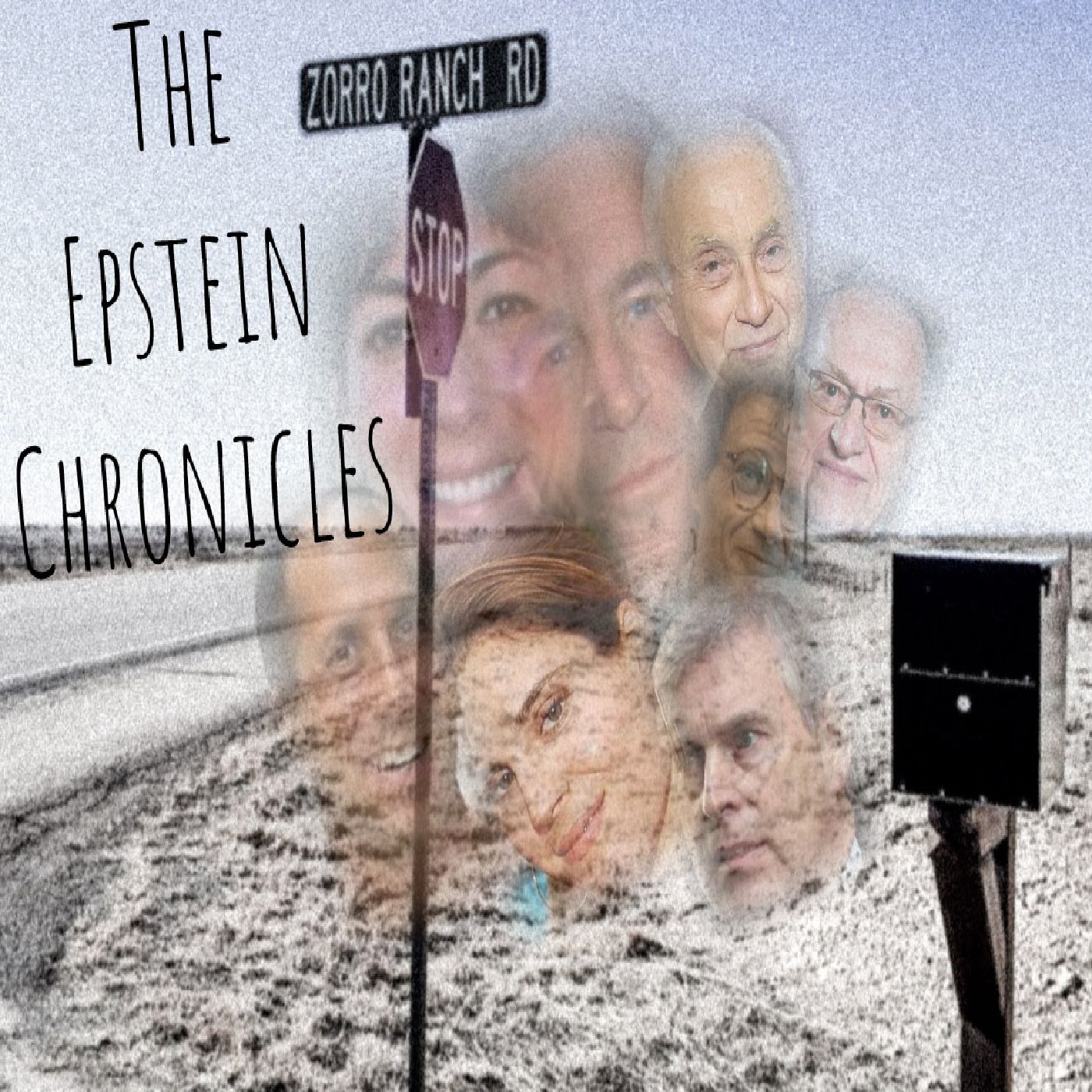
After Jeffrey Epstein pleaded guilty in Florida in 2008 to state prostitution-related charges involving a minor, he was required to register as a sex offender in Florida and later in New York. But when it came to New Mexico, where Epstein owned the sprawling Zorro Ranch south of Santa Fe, he slipped through a significant legal loophole. Epstein initially registered in New Mexico in 2010, but just two days later state officials removed him from the registry because the victim underlying his Florida conviction was not younger than 16, the age threshold then required under New Mexico law for the equivalent offense to trigger registration. That meant a man already publicly identified as a convicted sex offender could continue traveling to and staying at one of his most isolated properties without appearing on New Mexico’s public sex-offender registry or being subjected to the same formal registration requirements imposed on him elsewhere. The gap was especially consequential because allegations of sexual abuse at Zorro Ranch stretched back to the 1990s, and additional accusers later alleged that Epstein brought girls and young women to the property for sexual exploitation.
In retrospect, the loophole became another example of how fragmented laws and weak institutional oversight repeatedly worked to Epstein’s advantage: he had already been convicted, authorities knew about his history, and allegations involving Zorro Ranch already existed, yet there was no sustained regulatory mechanism forcing closer attention to his presence there. New Mexico’s 2026 legislative inquiry has since gone further, examining whether Epstein received preferential treatment and why allegations of abuse at the ranch were never fully investigated while he was alive.
to contact me:
[email protected]
Become a supporter of this podcast: https://www.spreaker.com/podcast/the-epstein-chronicles--5003294/support.
In retrospect, the loophole became another example of how fragmented laws and weak institutional oversight repeatedly worked to Epstein’s advantage: he had already been convicted, authorities knew about his history, and allegations involving Zorro Ranch already existed, yet there was no sustained regulatory mechanism forcing closer attention to his presence there. New Mexico’s 2026 legislative inquiry has since gone further, examining whether Epstein received preferential treatment and why allegations of abuse at the ranch were never fully investigated while he was alive.
to contact me:
[email protected]
Become a supporter of this podcast: https://www.spreaker.com/podcast/the-epstein-chronicles--5003294/support.
Get every episode summarized
Each time The Epstein Chronicles publishes, we email you a written briefing from the transcript — the topics, who appeared, and any specific claims, with the ad reads skipped.
Email me new episodesFree for 3 shows. No card needed.
No transcript yet
This episode has not been transcribed. Request it and it moves to the front of the queue.
More episodes
More from The Epstein Chronicles

Mega Edition: Ghislaine Maxwell Asks The Court To Serve Her Sentence In The UK...
The Epstein Chronicles
Oct 4, 202648:19completed
Mega Edition: The Propaganda Surrounding Ghislaine Maxwell's Bail Attempt (10/4...
The Epstein Chronicles
Oct 4, 20261:02:22completed
Mega Edition: Ted Waitt And The Transcript From His Epstein Related Trip To Con...
The Epstein Chronicles
Oct 4, 202656:11completed
Mega Edition: Ted Waitt And The Transcript From His Epstein Related Trip To Con...
The Epstein Chronicles
Oct 4, 202650:36completed