Edwidge Danticat on Haitian Americans in a Time of Peril
Get every episode summarized
Each time The New Yorker Radio Hour publishes, we email you a written briefing from the transcript — the topics, who appeared, and any specific claims, with the ad reads skipped.
Email me new episodesFree for 3 shows. No card needed.
About this episode
“The New Yorker Radio Hour is a co-production of WNYC and The New Yorker. I'm Evan Osnos, sitting in for David Remick. For more than 30 years, Edwige Dandaka has written about the experiences of Haitians and Haitian Americans.”From the transcript
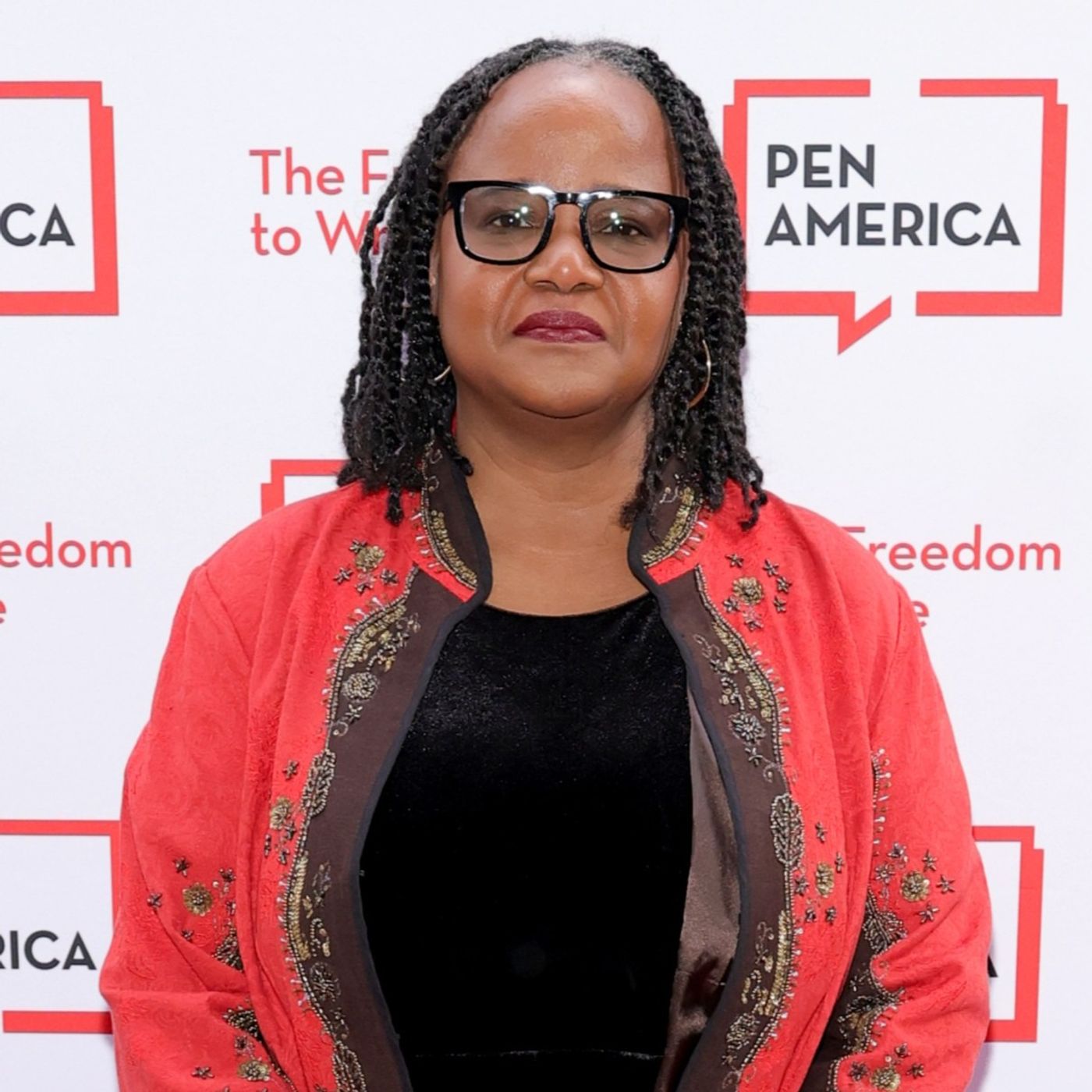
For more than thirty years, Edwidge Danticat has written about the experiences of Haitians and Haitian Americans in fiction, memoir, and journalism. In The New Yorker, she has covered the ways in which the Trump Administration has targeted Haitian immigrants with lies and threats of deportation. In a new novel about a Miami real-estate broker, called “Dèy”—which means “grief” or “mourning” in Haitian Creole—Danticat considers the meaning of home “when home may not want you,” and when violence in Haiti may preclude returning there. She speaks with the New Yorker staff writer Doreen St. Félix about the novel, and what the revocation of Temporary Protected Status for Haitians means for the large Haitian American community.
Further reading:
- “The Great Delegalization,” by Dara Lind
- “The World Cup and the Changing Psyche of the Haitian Diaspora,” by Doreen St. Félix
- “Miami’s Haitian Community Braces for Deportations,” by Edwidge Danticat
- “The Haiti That Still Dreams,” by Edwidge Danticat
New episodes of The New Yorker Radio Hour drop every Tuesday and Friday. Join host David Remnick as he discusses the latest in politics, news, and current events in conversation with political leaders, newsmakers, innovators, New Yorker staff writers, authors, actors, and musicians.
Hosted by Simplecast, an AdsWizz company. See pcm.adswizz.com for information about our collection and use of personal data for advertising.
Get every episode summarized
Each time The New Yorker Radio Hour publishes, we email you a written briefing from the transcript — the topics, who appeared, and any specific claims, with the ad reads skipped.
Email me new episodesFree for 3 shows. No card needed.
Hosts & guests

Transcript ready
329 searchable segments. Every word is indexed and playable.
Full transcript
The New Yorker Radio Hour — Edwidge Danticat on Haitian Americans in a Time of Peril. Machine-transcribed; use the interactive transcript above to jump the player to any line.
The New Yorker Radio Hour is a co-production of WNYC and The New Yorker. This is The New Yorker Radio Hour. I'm Evan Osnos, sitting in for David Remick. For more than 30 years, Edwige Dandaka has written about the experiences of Haitians and Haitian Americans. She's written fiction, memoir, and journalism. In The New Yorker, Dandaka has covered the impact of the Trump administration's campaign of mass deportation. Her new book is a novel set in Miami about a woman working as a real estate broker. She spoke about the book with my colleague, Staff writer Dorine Sanfélics. Edwige Dandaka inhabits many genres and forms. In her latest novel, Dandaka writes about Magnolia Ili, a woman in her early thirties who moves from upstate New York to Miami and starts working as a real estate agent and is living
with her daughter and her daughter's father. She's also dealing with her parents precarious situation back in Haiti in Quattabuca. Edwige Dandaka is the first Haitian writer that I ever read. And myself being a first generation Haitian American, I was taught by her example that writing was something that could be available to me. I'd love for you to read a passage from from day. Thank you. The book's title is Day, D-E-Aksangav-Y, and it means grief, morning in Haitian Coyote. On the day of the Berkhole apartment closing in early February, I do a walkthrough with Zola that she had requested before Isis does hers with the Cabrera's. Zola walks in and out of every room, her sparkly black leggings and matching top catching the morning light.
So many people have been here since we listed, she says, flipping a light switch on and off in the main closet of the primary bedroom. That stops today, I say, as she exits the room. She walks over to the kitchen faucet, turns it on, and lets the water flow. Is home the place where we are born, or is it the place where we die, she asks? I'm not sure I say taken of God. Her back is to me, and I can't see her face, which I think is her intention. We are seeds in one soil and weeds in another, she continues as she turns off the water. She opens and closes the refrigerator, then the dishwasher and oven. We don't always choose what we call home, she says, to the walls. Sometimes it's others who decide. I remember in reading this novel, really catching myself feeling unmoored by that passage, because Magnolia is such an interesting protagonist, because she doesn't vocalize, or verbalize,
a lot of her feeling. In this scene, it's almost as if Zola becomes the vessel through which we can hear Magnolia's anxieties about home. Can we talk about how you envisioned the idea of home when you were plotting this novel? Well, I mean, even I bow these words actually from something I wrote years ago when in the Dominican Republic, folks were getting expelled by the thousands after this court decision, less sentencia. I had just gone to the border between hating the Dominican Republic with him, joining his friends, and afterwards we're trying to put some thoughts together. I was thinking, like, as Zola says, what is home when home won't let you stay? So when I was thinking of Magnolia as sort of like this generation, the next generation, like your generation, who feel in some ways entitled to a sense of home, because they
were born someplace, well, at the same time, as we're talking about birthrights, citizenship in the US, and there's like all these powers saying, oh, no, no, you thought this was your home, this is in your home. And how do you still define home when home doesn't want you, when home is rejecting you? Well, at the same time, you know, this idea that this idealized idea of return that's so many people of my parents' generation has, has just been obliterated by the circumstances and conditions of a place that you thought would be your place to return to. Because my parents came in the 70s, my mother, and my father in the 80s, and you were born in Haiti and you came at the age of 12. Magnolia becomes so emblematic of what you're discussing, which is how Miami itself has a city that is to use a worn cliché, a melting pot, is also changing via gentrification of neighborhoods like Little Haiti, like Liberty City. And there's an interesting moment in the novel where she wonders, am I a gentrifier?
Can you maybe talk about the ways Miami has changed from 2002 to where we are now? Yeah, I mean, Miami at some point started being part of this big real estate bubble, but when we first moved to Miami, people would refer to Miami like in the Miami vice, like they had seen Miami vice and they thought I was like living a month flamingos. And chest hair. Yes, exactly. And even Miami Beach was no longer like that. But gradually when you go deeper into the communities, you see the contrast of the people who were living really luxurious lives. And then you also had very poor communities. And then folks started realizing as climate change was becoming more relevant to the forefront of people's minds, that communities like Overtown, Liberty City and Little Haiti had a higher elevation. So then the gentrification started and people who, for example, were renting and a lot
of folks in the Haitian community were renting in those areas, then they were forced out. And then they had the big developers coming into communities like that. And that's why there are folks also who moved to the Midwest, I think, from South Florida and other places who moved to places like Springfield, Ohio and looking for jobs because also the cost of living became higher for working people. But Miami in a way, I think even before I moved there, there were folks that my parents friends who thought of South Florida or Florida, even as once you had abandoned this idea of returning to Haiti, that that was the possibility where you're closer to Haiti. And a lot of the characters in the book are also in that space where they're like, you know, at least I'm close to Haiti. I can go sometimes like that one until you go for the day. At least I have proximity and I can go back and forth, even if I can't have my dream
of retiring there. Something that really strikes me and also speaks to me personally is the way Haiti is a place in this novel while not being some place that we actually go to. It's a place that's filtered through voice notes through what's that message is through phone calls with Magnolia's father, her mother and her half-brother who are living in Quadibuka in this house. How were you envisioning, you know, we have the reality of American imperialism that has created gang violence in Haiti, right? And you create your version of that through this group called Samama, which means the group of gang members that imperil the lives of Magnolia's parents and her half-brother in Quadibuka. How are you thinking about research, you know, taking from news and putting that within the fiction world that you were trying to create? There are so many of us who have family members that, for example, in the last few years have
moved from areas to areas because their armed groups come to one area, they go to another, and others who might have family members who are displaced, folks, camps, but there's like that constant worry. So it's such a, you know, a part of our daily concerns and realities that I feel like it would be hard to ignore. And I don't know, I'd be curious, but with your family, like the trifecta of like Facebook, YouTube and voice notes. I will say that my mother's house is very loud. Every time I get there, her phone is blaring. My mother-in-law, who lives with us, is 91 years old. It's always on the voice note between the YouTube and the voice note. So we have all these different connections, but I think it's just the really beautiful way of just saying, I also want to see people living their daily lives, you know, and, you know, I was in Haiti this summer, I was in the south, and it is just like, it's so
powerful to just see women's groups who are, you know, organizing to protect domestic violence victims or women who are doing micro-lending to just see like, you know, it's like, yes, galavine, or people are still in spite of everything trying to live their lives. And people believe in this country and they have a lot of obstacles, but they have their souls invested in it. And we, like in the diaspora, you know, we get both of that, we get the tragedy, and we get the beauty, we get like, there's a child born, and all these technologies make it easier for us to see it, to be like invested, to be there, even though we're not physically there, to be there in these new ways. That's it, we've done become speaking with Dorine Sanfaleaks of the New Yorker, Morin Farman. I haven't seen my son since 2012.
This is Deborah Tice. The disappearance of her son, Austin, is one of the biggest missing person cases in the world. What do you want from me? I should settle for the mystery. I know that my son is somewhere alive. Listen to Where Is Austin Tice from MPR's Embedded and BBC Radio 4 on the MPR app or wherever you get your podcasts. I want to talk about the many hats that you wear as a writer, because we're talking about this novel, but you know, at any given time, we might be talking about an essay that you've published in this magazine, or short stories, or you as a reporter, which I think is like to me another really incredible element of your practice. What draws you to research? How do you conduct your research? Why do you feel that it's, you know, there are some novelists who feel that I don't deal with facts. Why do you feel that you're drawn to that factiness? I love research, in part, because I don't fully trust my full opinion.
So I will think I'm like, why should people listen to me? And so I usually, like, I want to talk to other people and see kind of like what they're thinking. And so I try to draw from the different works that I do, and I feel like they inform one another. So like writing nonfiction, I think makes me very attentive to detail, especially writing nonfiction for the New Yorker or everything is attentive so much. So now I'm like fact checking myself and the fiction. And so, and like you could just like overlap to things that inform one another. So that's been really beneficial to me. I was drawn to certain moments in Dave because you talk about this restaurant chef Crayol. Oh, Lord. I'm going to ask the question, you know, exactly what I'm going to ask. But there was this moment in the news where the owner of Chef Crayol, which is this chain
restaurant in Miami, Haitian food, Haitian takeout food, he came out as a Republican and also someone who is quite upset because he's losing most of his staff given that the administration has ended TPS. And there to me, there was like this incredible slippage when I was reading your novel and hearing that news. How do we describe the, you know, Haitian business owner who lives in a city like Miami and has these conservative ideals? Like, where does this come from? I think in the news, we are maybe not understanding how slippery some of these allegiances are within the community and also within government officials. You know, you have a Republican governor in Springfield who's saying that we need our Haitians here. And then you have this Haitian owner of Chef Crayol who's a Trump supporter and is now expressing regret. Yeah. And then you also have, there's a Haitian American counsel person in Florida who is behind
a lot of the legislation to take away people's bank accounts and so their homes. Yeah. So it shows the complexity of the community. For the Chef Crayol, I was a bit disappointed that not so much, and you know, people allowed to believe what they believe. But it was not a mystery, right? There was a whole other administration where the administration had made it clear their goals. They had tried to defeat TPS before. And there was a whole campaign where they were saying that Haitians eat cats and dogs and that mass deportations were going to start in Springfield, Ohio. We had a very vulnerable community where people were afraid and they were meetings and he wasn't uninformed about what might happen. And yet you still make that decision.
And I think he's coming out perhaps as a Trump supporter to be like, hey, I'm one of you. And he feels maybe I'm just like novelist speculating here that he thinks, oh, because I'm on that side that might lead to more sympathy, but I think that's like that's very sort of if that's I'm just like the speculation. If that's like the approach of coming out and saying those things, it's not, you know, clearly you knew these people's intentions. You know what they wanted to do. I want to talk about coming back to New York from being in Miami. If I can, you know, maybe consolidate the change that would have happened, I know obviously you were still going back and forth, but I remember going on this subway in the late 2010s and hearing that the announcer described New Kirk Avenue on the two train as little hate.
Pitches, you were mad and you were a little hate. Right. And that's when we had this like momentous celebration of this community that at that point had been in the hundreds of thousands and had completely changed the fabric of that arrow, not to speak of the city itself. Now if you to imagine that that same signaling of like, oh, what a beautiful thing. We have a little, you know, corner that is connected to us makes you more vulnerable. Makes you a target. Exactly. There's so many hard stories in the community right now, you know, people who are, whether it's in Miami or here, who like two parents, if you know, are free, they're afraid to both go out at the same time. In case like one is taken by ice, like at least there's someone else to pick up. Something that I think people really need to understand is that, you know, TPS was set
up in 2010. And so you were talking about people who have children that are American born and are, you know, ready to go to college, who now have their sense of guardianship has been destabilized. But I think so much about Springfield and the images that are coming out of Springfield of people with, you know, monitors on their enclots, they're horrible images. Their images that I find myself not only pained by, but like, I bristle against because I'm like, that's not us. That's not our people. Like you can't put us in these chains literally. Is your sense of how a city like Springfield, which had its economy completely, you know, revitalized by the community that moved there? What's your sense of how it's coping or how it's seeing its future? Well, I saw that image too, especially of that gentleman who just collapsed coming out
with the monitor on his, on his leg. It's purposeful, right? Like the whole criminalization of it all and Haitian families. It's like, and this is why it's also been so difficult to see how many families even inside like in these armed groups, like sort of like the young man have been pulled into these groups. But if somebody called you like a creamy nail, you know, it was like the worst insult. Or a vagabond. Yes, exactly. This man, I think one of the things that he was thinking, like, I'm a criminal now because I have, you know, and it also the vulnerability of that, of knowing that someone knows that, like they're sort of like you're waiting to be rounded up. And I speak to someone in Springfield who works with folks who have TPS. A lot of folks who left now, some of them where they lived, has been taken over by armed
groups, so they don't really have even a physical place within like Port-Aprins or that area to return to. So it's a very, it's a kind of limbo that is so, this heartening where people are trying to figure out their life, like what to do next. Right. And I think there's, through social media, almost the kind of unintentional counterprogramming that is really surfacing, that is showing Haiti, first of all, as a country of 10 different departments, as a country of different regions where people are living lives that are as diverse as the lives that they might live in the States. And to me, it's such a, I don't know, there's almost like a paradox when you look at American media because we are in this moment of the great delegalization of not only Haitians, but also Syrians and Venezuelans and Hondurans under this administration, their ending of TPS. That's the new story, the capital and new story.
But there's also, I go on TikTok and people are having white parties. They're wanting to show that they are not just this downtrodden people in the way that they are sometimes depicted. And that we're very complex. We're very complex to, I mean, I, you wrote about this this summer with the World Cup, right? To see, to see just. You're the interviewer here. No, I mean, but to see it for me, that was just like really fascinating to see the young people like my children and their like Grenadier shirts and just like what that meant to them, like all the where we have like a relief from the onslaught, from like what they were accusing us in Springfield, Ohio to like all the way that Haiti has always been, you know, stigmatized and made to represent a kind of, you know, like boogie figure, it's
like Toni Morrison talking about like the function of racism is having to prove your human. I don't, I mean, I felt like we also don't have to take on the job of proving that we're human, but it is, it's so nice to have a bit of relief from the onslaught now and then. Absolutely. Thank you so, so much. Ed Wichnantika, I'm so glad to be here with you. Thank you. Thank you so much for having me. It's been wonderful chatting with you. Edwige Don Tacaz, new novel is called Day. She talked with Dorian San Feliques of the New Yorker. I'm Evan Osnos. David Remnick will be back next week. And on the podcast of the New Yorker Radio Hour, you can hear David's conversation with the late glorious Steinem. It was recorded when Steinem's memoir, My Life on the Road, had just come out in 2015. Thanks for joining me today. We hope you have a terrific holiday.
The New Yorker Radio Hour is a co-production of WNYC and The New Yorker. Our theme music was composed and performed by Merrill Garbis of Tunearts, with additional music by Louis Mitchell. This episode was produced by Max Bolton, Adam Howard, David Krasnell, Jeffrey Masters, Louis Mitchell, Jared Paul, and Ursula Summer, with guidance from Emily Boateen and assistance from Michael May, David Gabel, Elliot Wright, Erica Huang, and Alejandra Decad. The New Yorker Radio Hour is supported in part by the Cherina and Downman Fund. My name is Madeline Barron. I'm a journalist for The New Yorker. I focus on stories where powerful people or institutions are doing something that's harming people or harming someone or something in some way. And so my job is to report that so exhaustively that we can reveal what's actually going
on and present it to the public. You know, for us at In The Dark, we're paying equal attention to the reporting and the storytelling. And we felt a real kinship with The New Yorker, like the combination of the deeply reported stories that The New Yorker is known for, but also the quality of those stories, the attention to narrative. If I could give you only one reason to subscribe to The New Yorker, it would be... Maybe this is not the answer you're looking for, but... I just don't think that there is any other magazine in America that combines so many different types of things into a single issue as The New Yorker. You know, like you have poetry, you have theater reviews, you have restaurant recommendations, which for some reason I read even though I don't live in New York City. And all of those things are great, but I haven't even mentioned like the other half of The Magazine, which is deeply reported stories that honestly are the first things that I read. You know, I'm a big fan of gymnastics and people will say, oh, we're so lucky to live
in the era of Simone Biles, which I agree. We're also so lucky to live in the era of Lawrence Wright, Jane Mayer, Ronan Farrow, Patrick Radden-Kief. And so to me, it's like, I can't imagine not reading these writers. You can have all the journalism, the fiction, the film, book, and TV reviews, all the cartoons. Just by going right now to New Yorker.com slash dark. Plus there's an incredible archive, a centuries worth of award-winning work just waiting for you. That's New Yorker.com slash dark. And thanks.
More episodes
More from The New Yorker Radio Hour

Min Jin Lee on “American Hagwon,” Her First Novel After the Phenomenon of “Pachi...
The New Yorker Radio Hour

Ari Emanuel on Donald Trump, Elon Musk, and Mixing Business with Politics
The New Yorker Radio Hour

Grandmaster Flash on “Birth of a Culture”
The New Yorker Radio Hour

Malcolm Gladwell on “The American Way of Killing”
The New Yorker Radio Hour