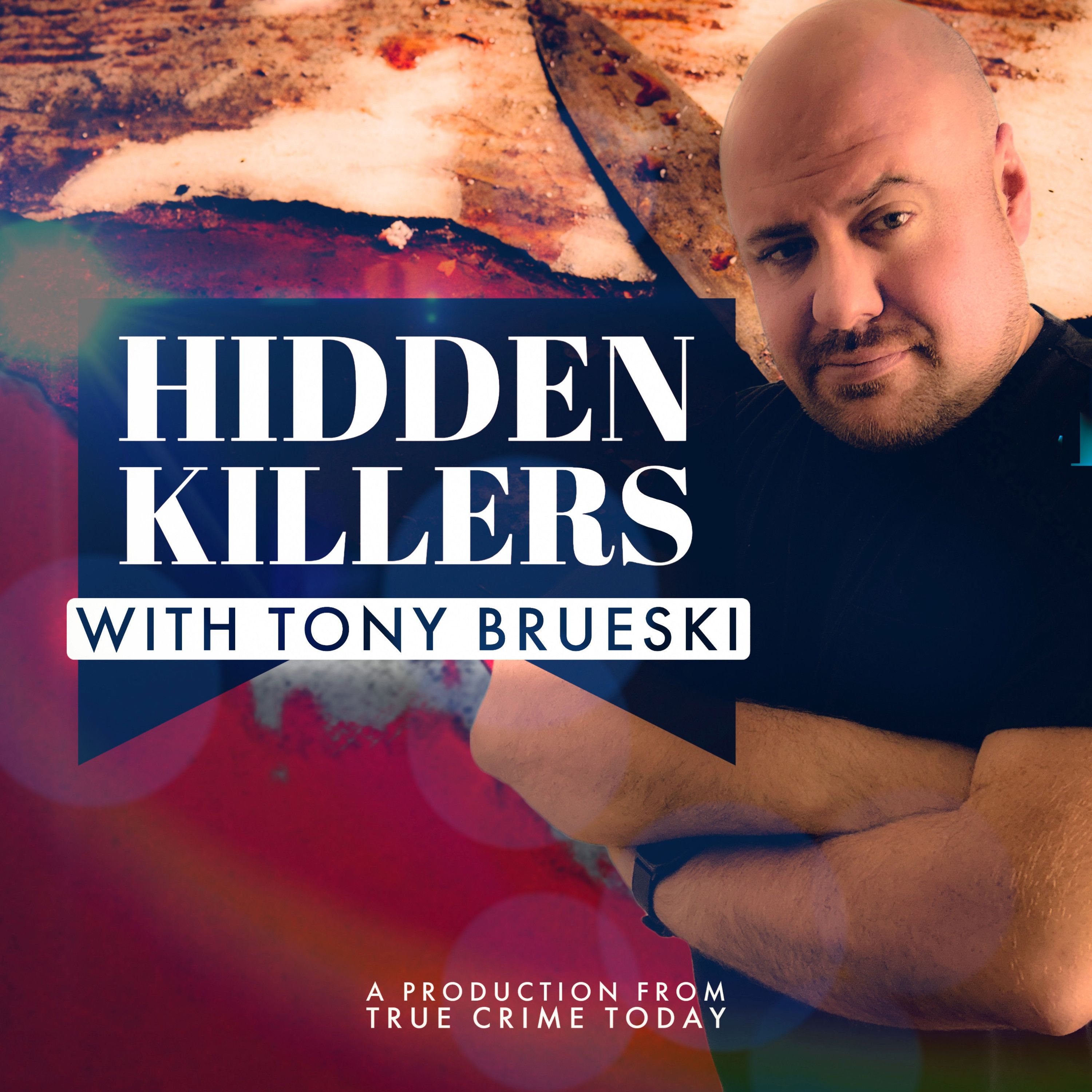
Kouri Richins: The Defense Sat Down — Here's What That Means
About this episode
The Kouri Richins defense has rested. No testimony from Kouri. No alternate explanation for how five times the lethal dose of fentanyl ended up in her husband's body. The cross-examinations are done. The objections are logged. And now twelve jurors are sitting with everything they've seen and heard over three weeks of trial.
Defense attorney Bob Motta knows exactly what it looks like when a defense team decides their best move is to stop talking. He joins Tony Brueski alongside retired FBI Behavioral Analysis Chief Robin Dreeke to pull apart the defense's strategy from the inside — what worked, what didn't, and what the decision not to call Kouri Richins as a witness tells us about how confident her own attorneys are in the case they built.
The prosecution spent nearly three weeks laying out motive, means, and a behavioral trail that allegedly started years before Eric Richins died. The defense spent their time trying to dismantle it piece by piece — targeting Carmen Lauber's immunity deal, the absence of physical drug evidence, and the gaps in the original investigation. Motta assesses whether that dismantling was enough. Dreeke breaks down what the jury has been absorbing on a level that has nothing to do with legal arguments.
Closing arguments are next. This is the last word before the jury decides.
Join Our SubStack For AD-FREE ADVANCE EPISODES & EXTRAS!: https://hiddenkillers.substack.com/
Want to comment and watch this podcast as a video? Check out our YouTube Channel. https://www.youtube.com/channel/UC8-vxmbhTxxG10sO1izODJg?sub_confirmation=1
Instagram https://www.instagram.com/hiddenkillerspod/
Facebook https://www.facebook.com/hiddenkillerspod/
Tik-Tok https://www.tiktok.com/@hiddenkillerspod
X Twitter https://x.com/TrueCrimePod
This publication contains commentary and opinion based on publicly available information. All individuals are presumed innocent until proven guilty in a court of law. Nothing published here should be taken as a statement of fact, health or legal advice.
#KouriRichins #KouriRichinsTrial #DefenseRests #EricRichins #UtahMurderTrial #FentanylMurder #BobMotta #RobinDreeke #TrueCrime #SummitCounty
Get every episode summarized
Each time Hidden Killers With Tony Brueski | True Crime News & Commentary publishes, we email you a written briefing from the transcript — the topics, who appeared, and any specific claims, with the ad reads skipped.
Email me new episodesFree for 3 shows. No card needed.
Hosts & guests
Transcript ready
719 searchable segments. Every word is indexed and playable.
Full transcript
Hidden Killers With Tony Brueski | True Crime News & Commentary — Kouri Richins: The Defense Sat Down — Here's What That Means. Machine-transcribed; use the interactive transcript above to jump the player to any line.
Shop the Sherwin-Williams Spring Sale and get 35% off paints and stains marked 13 through the 23rd. Whether you're refreshing your interior or exterior, we've got the colors to bring your vision to life, and with delivery, getting everything to your door is easier than ever. Shop online to have it delivered or visit your neighborhood Sherwin-Williams store. Click the banner to learn more. Retail sales only some exclusions apply, see store for details, delivery available on qualifying orders. This is Hidden Tillers Live with Tony Brusky and Robin Dree. Bob Mott, a defense attorney, defense diaries, you're here! Bob, I was even thinking of texting you this morning when I was getting up, I'm like, what if Bob wants to join us? But I'm like, it's Friday morning. Maybe he just wants to sleep in and just because of- I really did too. Okay, good. I'm glad you did. Because I'm like, I don't want to bug. Like, you've been on this all week doing crazy coverage over there. You two are never bothering me.
All right, Bob. Let's just go straight to it. And I think we might skip the Lincoln-snelling piece here today, Todd, by the way. We'll do a third on Corey. And all my notes on that, too. Yes, sorry. We'll do it on Monday. We'll bring in Lincoln and Monday. Yeah, Lincoln, we'll do Monday. Bob, okay, your thoughts on what happened yesterday, the defense resting? Oh, man, it was a crazy day in a couple of different ways. Not just because of the fact that they rested, but when you think about what happened just prior to that, where they're trying to get in the statement of this dude, Chuck Norris. I like to call him. Yes. And they have this whole, like, drawn out legal argument that, you know, I mean, if you're watching it as kind of a lay person and you're not really understanding what the hell they're getting into, you're like, what are they talking about? Why is this going on so long? But the reality was, is that I loved it because initially the judge shuts it down.
Because what was happening is the defense was trying to get in a statement from this guy who had allegedly had a conversation with Eric Richens and allegedly Eric Richens had asked if he could score him some fentanyl. And that's all we know about it. And so the defense was trying to get that in. They had litigated it prior to trial in the motion and lemonade work that was done in that case. And the judge said, no, I'm not going to have it. So they re-raised it there. And in real time, you see the judge shut it down. But the one of the reasons I love this judge so much is that he actually does the work. While he's on the bench, he starts pulling up cases. He then says, I need a five minute break, goes and takes his break, takes about 10 minutes, comes back out, and reverses course. He does that thing that you rarely see judges do, or they'll change their mind based on their own research. Without the other side, without either the parties coming on him and say, judge, we're asking you reconsider.
He reconsidered on his own, on his own accord, which I just find super impressive. However, where it got really interesting is he said, okay, here's the deal. I'm going to give you the nuclear option because if you bring in the Norris stuff, I'm allowing them, them being the state to bring in the Hayden Jeff stuff. And the stuff on the phone call, the jail call from whatever Bon Eiver, whatever his name is. So if you're the defense and Allen, you're like, oh man, this is like, do you push that button? How important is it to get this in where it was never in any way substantiated by law enforcement? You're just throwing it out there with the hope that it's going to land with the jury in some form or fashion. Ultimately, as we know, they obviously decided not to do that. And I was warning our chat.
I'm like, when the state rested, I'm like, there is a very real possibility here that the defense is not going to put on a case in chief. And everybody was giving them shit about the opening statements, all the promises. And that's fine. When I hear lawyers doing it, I'm like, come on, man. I'm like, you guys know that this is a fluid situation. If you get to the end of the state's case in chief, and you truly feel that they have not met their burden, then you're going to your client, you're saying, okay, look, this is who we'd be putting on. This is what our defense is going to be. We might put on a data extraction expert, phone data expert. We might put on a medical doctor to talk about fentanyl a bit. These are the things that we're going to put on. We don't necessarily think that any of those things that we were going to put on, moves the needle for us to such an extent that we don't just take the chance that the state didn't meet their burden.
And that becomes our closing argument. Our closing argument is to pound the jurors over the head on what beyond a reasonable doubt is. And what the burden is for the state. And I'm always surprised. And I said it going, and I was like, I'm not going to be surprised if they just say, you know what, we're good. We're going to let that thing go. Whatever that case was, we're going to let that go to the jury. And we're not going to rebut it. And we're going to take it the other way. But when it happens, it always surprises me. It's like, like Allison, I, it's a really hard thing to do because it's a huge calculated risk. So I really is. I'm curious, you've watched your clients for so many years and you kind of get a read of them really, really well. And, you know, I've been throwing my beautiful behavior conjecture behind these things so much. So what do you think was, you know, what do you think they were talking about in that hour?
Do you think is like part of me is saying, you know, that the fence says, hey, we did a, we did enough great stuff on cross that we're causing a reasonable doubt. But I also think there's a possibility that Corey was having some aha moments, maybe kind of own it. It's kind of facing her herself and that the rest of the world's seen. And maybe she's like, I can't take any more of these salts on myself. And maybe they are a little bit right about me. What are you, and so reading her and reading them, do you think this is like a 50-50 decision? Do you think she's driving? Do you think they're driving or what do you kind of think was going on? Well, I think the way that these things usually work is that the defense attorneys are going to give their client the honest opinion as to what they think the best route is going to be moving forward. I think that ultimately I don't think that Corey was driving the bus. I think that ultimately she agreed. If the attorneys are like, if Corey's like saying the things that you think that she might have said, like, look, I can't handle this anymore.
Like enough is enough. Just like, I'm definitely not going to take the stand. I just want this to be over with type thing. Her attorneys would have to be saying to her, look, I get it. Trial is hard. Like your entire life is being scrutinized. It's a nightmarish experience. I get it, however. I am going to be ineffective if I don't advise you that that's a bad idea. So I think what ultimately happened is that they said, look, the way that we feel about their case in chief, and I've been saying this. I've been saying it. There is no real evidence to me that gets them to the ag murder beyond a reasonable doubt. That being said, she's going to get convicted because that's how this thing works. But if the jurors were able to really follow the law and put the state to the test and say, okay, have you proved beyond a reasonable doubt each and every element of that crime.
They'd have to come back with the, as to the ag murder, and I think probably the attempt murder. I think that they would probably say, man, there's just, even though I think that she probably did it based on what you presented as evidence, I can't say beyond a reasonable doubt because there's that little thing in your brain work. Well, you know, I mean, it's possible that Eric did get a pill from somebody. You know, like all it takes is Eric, because people are misconstruing how much when you got the odriskel sitting up there talking about a boatload of fentanyl. You know, I mean, people are thinking like a coffee cup, which a boatload is like less, less than this little top of this chapstick. It's the tip of this pen. It's literally, it's literally the tip of the pen. That's the boatload. Yeah, I mean, it really is. It's like, because we're talking about nanograms, the fact of being like absolutely, you know, poisonous to us.
So, you know, I mean, I just think that it's a huge calculated risk, but with everything they put on in terms of, you know, the way that it makes people feel like you guys are a perfect example of it. You know, I mean, Tee, you've walked away from this case, feeling like Richens is a massive narcissist, and she's fucking, you know, just like a monster on a different level than some of the monsters we've seen, but a monster nonetheless. And I think a lot of people share that, you know, that feeling. I don't think that that's that you're alone in the way that you feel about her and that, that, you know, this mask that she wears is transparent. Because, and they laid it out well enough for the jury to know that this gal really, really is damaged. And she did some really, really awful things in order to self serve and to make her life better to the exclusion of everybody else, including her husband, obviously, and her children. You know, it was all about Corey, everything that she did was, was about Corey.
So jurors just have a tendency to live in that world of emotion, even if they're not supposed to. That's, but that's the reality. We can't pretend there's not a reality, you know, and because it's like they're sure, they're humans, they're humans as they walk into the room. They're still humans, but sometimes we like to pretend that well, now you're a juror, so now you must think of things slightly different. They ask them to apply rules certain ways and they'll do, you know, hopefully the best that they can at it, but they're humans at the end of the day. And they're going to run things through their filters and their own experiences. And look, I swear to God, if anyone, if someone was, was damaged in their own life by someone like Corey Richards, because these folks like this, again, my conjecture on it, Narcissus borderline type personality, if you've been hurt by someone like that, damaged by someone, experienced someone like that, you can spot them. It's like, you know, Narcissus door or whatever, and when you do, you're like, oh God, like that's a danger to myself and everyone around them for the rest of their existence.
So you get a real visceral like, you got to put this person away, like they're just going to keep destroying lives. And then you have people who've never interacted with someone like that and they give more of a benefit of the doubt of like, oh, no, it could be something else. And look, in reality, it could be, he could have gotten a pill somewhere. But when you look at the, it's the pattern of the behavior that I think really sinks it for me on Corey. The fact that she has this pattern of deception and lying and just doing everything for her own benefit everywhere she goes. And if there wasn't that, I think we have a very different case going on here because without the pattern of behavior, there is the reason we'll doubt. It's the pattern that gets you there though. Yeah, I mean, that's the circumstantial evidence. That's the story. That's the theory. It's like when the state is sitting there crafting what their theory of the case is going to be, you know, they're taking all those things in consideration. Unfortunately, this was not a great investigation.
Unfortunately, on the front end, almost a year went by before we really started collecting any evidence in this case. So we're kind of stuck with what we're stuck with, but what we do have is one hell of a story. And the story is supported by facts. And we're going to be able to push this motive to the extent where, look, these things that we're going on in Corey's life were so massive and massively bad that it shows the jury that that's why she was driven. It couldn't have just been a coincidence in terms of timing. Everything was falling apart. It's a lot like Murdoch, right? Where everything is falling apart at this time because, like, I had the hardest time in Murdoch because quantifiably I looked at it, Alec Murdoch. And I'm like, okay, there's no part of me that doesn't think that this guy truly loved his wife and his kids. He was always a family man, you know, but then he became addicted to pills.
Then things started to spy when he got a control. Yeah. As clients money, everything is falling apart. And I'm still like, but man, I get it. But like, what is the benefit to him to killing his family in that moment in time? Like, how does he think in his warped mind? Does that help him? Does it? Like it was his thought as Craig and Water said in that case, like, look, I'm going to create such chaos with my family getting killed that they're going to they're going to brush aside all my other bad acts. They're going to be like, yeah, like a squirrel to the world of addicts though. Yeah, you have that. And with that, too, you have two things going on there. You have the exposure that the family was going to be providing. And the same with this case, too. I think yet, Eric, who could have easily exposed Corey, not in a way of like, I'm going to expose you. Just like, I'm going to file for divorce. And all of your failings are going to be brought to the table when it comes time to custody and who's going to be the better parent. And I think she knew that that would all be brought to light and all of her misdeeds would come to light.
So I think you certainly have that as a big play in that sort of a scenario. And then for a lot of people, it would be like, okay, well, let the dust settle where it is and we'll figure it out from there and we'll go forward. But for some people that is such a, such a, a, a, a mortal wound mentally that they're not able to even take it on. And the better option is remove that threat, remove that person that's going to come in and expose you rather than just deal with where the dust settles. That's what we saw in Murdoin. I think that's honestly what we're seeing here. I mean, man, no, I'm sorry. No, I'm sorry. So if I, I'm curious about this too. So I definitely, Mike, I definitely see everything on, you know, the stretch on the prosecution side. But equally as a stretch though, for me, the stretch on the defense side was the secret addiction. Because there, I mean, people know addictions really well these days and the patterns and the things they're indicators.
And for me, as much as the prosecution might have been a stretch with, with circumstantial evidence, I think the defense side was a greater stretch for me because this secret addiction idea. And then I think they double down on stupid with the, with the text with the, with the friend saying he's secretly gay. I mean, I just, that's, so if you have two stretches and, and one's this long and that one's this long, I'm going to go saying this, this super long one over here is, is again, the burden's not on the defense. But again, that, that whole, the whole perception, the emotional side of things. It was just, I wasn't buying this whole secret addiction thing. Yeah, again, that's, that's interesting. And there's two points. I want to go back to what Tony was talking about because Robin, like one aspect that you would, in particular, absolutely love in terms of trial work is the picking of the jury. Because it goes back to what he was saying about, like, you know, these 12 people in this situation,
these eight people that are sitting in judgment with the fall for alternates. They are the most, like picking your jury is the most important part of any single trial. And to Tony's point when he's talking about, you know, people do apply their own life experiences. That is the filter through which they look at everything. And as lawyers, you're trying to do your very best when you're picking these jurors to try to weed out people. Like we asked those questions. And frankly, on most juror questionnaires, they're in there. Like, do you have family members that have been a victim of this, this, and this crime? Because you're trying to weed them out because you need to get rid of that bias. Because people will apply that in terms of their rationale, in terms of how they're looking at things, just because of human nature, not because they're intentionally wanting to do it. And when you get the honest juror that says, yeah, you know, I'm going to be biased here, man, because I'm going to tell you my sister or my brother or my mother or my father or some family,
or somebody I cared about was a victim of this exact type of crime. It affects the way that I look at it. It affects my ability to be on bias. So we try our very best during Vordier to weed out those folks, always hoping that jurors are willing to be honest because, you know, we tell them like, this isn't us judging you. All we're trying to find are people that aren't coming in with a bias. Because it's already for the defense side of it, we already are contending with the bias that people just have that if somebody's been arrested, they probably did something wrong. And that they're sitting in that chair for a reason. Like that, that is just a base level bias that exists in every single case, in every courtroom, all over the country. So we know that as defense tree is going in. So, you know, but the other part of it is when I think about kind of like the approach to take, you know, sometimes you are going to throw darts, Rob, and where you're just going to say, I don't want to throw some shit against the wall.
And I'm going to see if it's going to stick. You know what I mean? I feel like we're people because again, I don't know Eric Richens. I don't know what Eric Richens was doing. Do I have chat groups with a group of my buddies that were we, you know, talk about shit that would be construed if somebody was looking at it. It's like, yay, gay time. Yeah, I mean, that's how guys are. You know, we do shit like that. So, you know, I think most jurors are going to probably take that for what it's worth. And, you know, I don't think that they pushed it to the extent where they were trying to pound that concept. Over the jurors had, I think we just kind of tossed it out there. Now, for the other thing, the other thing though, I mean, it's, it's really kind of the crux of the defense's case though. And again, you know, I mean, pill addiction doesn't have to mean that you're looking like Dave Chappell with ashy lips and scratch neck. Yeah. I mean, you can be addicted to hydrocodone or valium. I personally know people that have been addicted to valium for 30 years.
And it's not going to extensively be something that you're visually seeing in terms of what that person is doing. I happen to work in a profession where addiction rates are very, very high because of the stress levels. You know, in our disciplinary committees and in the, you know, the bar associations are hyper aware of that fact. You know, it's a very stressful profession that we're in. And people have a tendency to drink. Sometimes they abuse drugs in order to kind of like navigate through their life because of the amount of pressure so they're self-medicating to a certain extent. So I mean, like all I'm saying is I don't know that the state did enough to erase that as a possibility that Eric may have gotten a bad pill from maybe just one of his dudes that worked for a month is great. You know, if like if they're going to suggest it in because that's all it could take to me, which I, if bloodwurst doesn't make this the smoking gun evidence and it's the lack of evidence to me is the most powerful evidence that the state has.
Where in the hell are the rest of the pills? We know she, we know pills were purchased in the fact that they didn't find them anywhere to me. Well, they also didn't look very thoroughly either. I mean, she had plenty of time to flush them. That's the point. That's the point. And again, I mean, that's what the defense's argument is going to be. You know, they simply didn't search for the stuff. Exactly. But you know, I mean, to me, if they're looking around and it sound like they just went through the garbage, you know, clearly she would have gotten rid of the rest of the pills, right? That's the fact that they didn't find any of these pills from this bad batch. That's why if I'm the defense, I'm kind of living in the world of he just asked one of his dudes at work if, you know, they had an extra high decodone, you know, because that's what he does on occasion. And even the bad pill, man, because like at that point in time, like statistically. Are you surprised at all that Cory didn't take a completely different road on this because she really could have.
She couldn't even know what the road is. But it could have been, yes, because I mean, the, the, the evidence is there that Cory got pills from Carmen, and then from Crosor and all that. I mean, that's, that's pretty a stab. They don't know what the hell it was, but it was something. So that's pretty well in stone. That could still be part of the case. And it could have been, yeah, you know, Eric wanted stuff. I was getting it for him and he took him. And in worst case, you were trafficking drugs, I guess. And your husband ended up dying. And you probably wouldn't really get much for that. I don't know. I mean, if it was like, I mean, if he took them himself, and you were just like this spouse that was like, you know, he used to, whatever, whatever story you're going to say, you got him for your husband. He took them and he died. Corbal, but it's not murder. You know, I mean, and it would have been a really easy story to tell.
Instead, like she took this whole other route of like, no, not impossible. Not anything to do with this. He's, he's secretly gay over here. He's doing this. And it's like, what? I mean, there's so many things that, and, and I'm curious to get your take on this, Bob. I know like when they, they introduced the evidence about the, his best friend, you're having this affair. I know it really wasn't like a hammer over the head, but it was one of those extra little, you know, pieces like on the brochure where you're like reading it. And you're like, oh, okay, this seems like a nice, a nice thing. Oh, wait a second. I don't like that part. And you just kind of throw the whole damn thing away. It's like Scientology to a certain extent. Oh, we're going to do e-meters. We're going to learn about ourselves. We're going to, we're going to do some self-reflection here. Oh, Zeno. I'm out. It's like, you added something in there that then ends up making me discount everything else you just said, even if you had been building some legitimacy there to a certain extent. And it's a really fine line. I would imagine that, that, that a defense attorney walks of what do we introduce?
It's not going to push somebody over that line of everything you just said is bullshit, because this just pushed me to. Because that becomes a thing people remember. And it's not going to take part of the case, but it's like, come on. But like, here's the reality. Here's the reality. And I keep saying it because it's true. We don't know these people. I don't know. I don't know why anybody is sitting around on this side of a screen, and it includes us, anybody. Ending is if they know anything about these two people. It's our job. No, we're resenting. Because that's what they chose to pretend. We're getting offended on behalf of Eric Richens in the family with the mere suggestion that he could have secretly been gay is bizarre to be. I don't know. I didn't know by that. I'm just saying, you, there were a ton of people out there like, oh my god, they're sitting there. It's down like, how the fuck do you know? What is it? What is it? What is it?
What is it? No, it's nothing. Obviously, I have zero problem with that. No, it doesn't. There's no evidence to support it. Well, I mean, it depends. What happens if he was secretly gay? And we have all these toxic images. I guess it's not even that. It's the fact that the attorneys, they're trying to present their interpretation of these guys sending their texts back and forth as something that it wasn't. And it's like, if you're going to interpret this that way, and your interpretation is that off from what is actually going on here with the conjecture of these friends talking, as to something that it's not, what else are you interpreting completely in some sort of foreign way? I think that's the, take the gay out of it. Whatever the hell it is, if you're whatever the topic is at hand, if you're going to misinterpret that and try and present it as something that it's not, what else are you doing that with? I think that's the, and you can say, and you can argue and go, well, we don't know.
I mean, we don't. But these are all the questions that are going to go into the jury's mind, obviously. Well, to look at the end of the day, the entire, the entire defense's case rests entirely, and I'm assuming Nester is going to be doing the closing on Nester's closing argument, because that's where we're going to make the argument. And again, what does it have to do with anything, either? I guess that's what you're even bringing that up. I think we talked about it on Tuesday. For me, what they're trying to put out there is a theory. Is that Eric just had a bit of a secret life. It might not have been, I got a whole secret second family type shit going on. Just shit that, look, I think all of us that are married would admit that that we don't tell our spouses every fucking single thing about ourselves. Like, well, as human beings, we always keep a little bit to ourselves. So the problem for Corey is that she said it both ways. Like, we've seen her where she said there's not like Eric was not suicidal.
Eric didn't do drugs. Eric didn't do this. Eric wasn't that all these things. But then we do see text messages where he clearly did like to eat addables with Corey. I mean, I'm not judging shit. That's true. Legal and Illinois, I mean, I love an edible, you know what I mean? Like, I'm not for breakfast sometimes. What do you mean? I mean, I'm just going to have a rough day, man, you know. So what I think that they were trying to establish, not by really trying to just crush them with that concept, but of him being potentially gay and having some kind of secret relationship with Bryce. Like, whatever, I think what the overarching theme for them is, is that we don't know everything about Eric Regions. That there, this exists in the world that we do not know everything about this man. And there exists the possibility, ladies and gentlemen of the jury, that Eric Regions got his hand on a bad pill. And he took that night. Corey was none the wiser.
But again, the problem for, the problem for the defense is always going to be, as much as Crosier and Lobber were not that reliable. Like you said, Tee, I mean, I think they did establish, she wanted something from them, she got something from them, she being Corey. And that ultimately, that's going to be a real, real tough hurdle for the defense to be able to clear in terms of, because they're always going to land back on that. They're going to be laying back, well, she bought something from them. You know what I mean? And we know that he died from fentanyl. Yeah. It's tough, man. Bob, somebody in the comments mentioned maybe they brought up the whole relationship with his friend Bryce, because it is a relatively religious area. It's Mormon territory. Maybe it was a way to get somebody on the jury to go, oh, this guy's gay, you know, we're going to be, where they're going to have like moral issues with it. We're not going to like push to, yeah, yeah. That's interesting. Yeah.
Yeah, it brought in 100%. But you know, I mean, you know, who knows are the lawyers, at least to a certain extent. Like they, they know what area, because some of Coney is, you know, pretty mid to high income, you know, a lot of professionals in that area. We don't know what the makeup of the jury is. If they're, if they're high level professionals, like you've got a lot of people that are on that jury that are like, you know, like bachelors and above who are going to really kind of be more hypercritical. You know, because it's like when you get those jurors in terms of education level, you know, if you get people that are like high school, degree, you know, and you're trying to hammer home the concept. And it's not that I'm not trying to cascade anybody with their education level. But just the reality of it is if you have higher educated people on the jury, I think the defense probably felt more comfortable with the fact of not putting on a defense because they're, because I'm telling you,
this closing argument is going to live in the world of explaining over and over and over what beyond a reasonable doubt is and explaining that we don't have a burden. It doesn't matter what we told you we were going to show you. And there's, you know, there's a jury instruction as to that. You know, but we don't have to put on a defense. We don't have to prove anything to you. That is entirely the burden of the state. So you're going to hear that over and over and over again during closing arguments by the defense. And ultimately, depending on the makeup of that jury, I mean, it could hit home. It's like the same way that I'm looking at it. And like, I have no horse in this race. If Corey did it, I hope she burns an hell. You know what I'm saying? But I want to feel comfortable with convictions in this country. I just do. It's important to me. It matters to me. So, you know, like while I think the story is incredibly compelling in terms of the state's narrative, I just don't know.
If you were on this jury, everything that you've seen here, let's just go where we got here. We got one kind of aggravated murder. One kind of attempted aggravated murder. Two counts of insurance fraud and one count of forgery. What would your vote be? Well, easy guilty on counts. The insurance fraud counts. And you know, the straight up fraud for the forgery. You know, where I'm getting stuck, where it's going to require a lot of back and forth with my fellow jurors is going to be, you know, the ag murder and the attempt murder. Like, that is where I think we're going to have to have some real discussions as to, you know, where there's going to be back and forth. Because that's what you want in deliberations. You want that back and forth where you're challenging one another. And I'm saying, okay, well, this is where I'm at. And then somebody says, well, what about this? Yeah. And I'm like, okay, well, you know what? I didn't really think of it that way. You've given you shed new light on it.
And I'm now going to look at it in a different way. So let me take that into account. I mean, if people are in there doing the work in deliberations, you know, I mean, it's tough. Like, I don't know. Yeah. Is there a world where she gets the aggravated murder charge, but not the attempted murder charge. And I ask this because it is somewhat foundational to get to the actual aggravated murder charge, not necessarily required. But, you know, it's a building block. And honestly, I certainly, if I were looking at this, the one kind of aggravated murder, I'm sold on it. I think she did it. I just don't know that there's enough evidence on the sandwich. I think there's a reasonable doubt on the sandwich. I think it points that she did it. I think likely she did it. But I think there is reasonable doubt there. I don't think there's as much reason, reasonableness on the doubt when it comes to the actual murder of that. What are you saying? Yeah, I agree with you, man. But I think ultimately, if they land on guilty for the ag murder, they're going to land
on guilty for the, they're going to be like, if she did it, then that's true, too. Certainly, she should try to do it. Yeah, first time. You know what I mean? If they get there on the ag murder. But if you're not foundationally secure enough on the sandwich, can you be secure enough on the. That's where I live. That's the thought experiment right there. That's where I live. Yeah. I'm like, they have really no evidence whatsoever that he was actually poison or that it was fentanyl that he ingested it with the sandwich. Yeah, we don't know. Yeah, we just don't know. We don't know. We don't know. I mean, tainted ham for all we have. I mean, yeah. I mean, I don't know. Like maybe, maybe do get stoned by a bean. He didn't realize. Sure. Yeah. I'm going down where he had some kind of really, you know, negative reaction and like I'm still not clear if he had hives or he didn't have hives. I don't know. I want to know. I want to know. And I don't think I don't know if we talked about this and they're not. I'm not sure if we didn't remember the the boyfriend who who got sick the day before Eric.
You and I have Tony, but I don't think we do with that. How was that? Bob, bro, bro, you don't understand. Like I have been obsessing over the house. I know. Yeah. I'm like, in his dog died the next day. What? Oh, yes. So like if you are like me and I'm a terrible person because I love my dog so much that I feed my dog, human food all the time, even though I know I'm not supposed to because I just love my dog and I want him to have good food. So if you're sitting there in a world and what you think, whatever these hush puppies were, whether they're like long john silver hush puppies, you know, whatever it may be, you'd think a dude from North Carolina would not be calling it a hush puppy thing because he would know what hush puppies are from being down in the South there. But imagine a world in which he got whatever these hush puppies were, you know, he takes a bite and then he gives his dog a bite. And then the next day is dog dies. Holy shit. I don't know that part. Well, there we go. I'm so over. I'm still. I'm still. So you know, and Bob, I covered this with Tony before, you know, I've had other cases
that we've covered that, you know, like using poison mushrooms where, you know, the residues on the hands or something and they accidentally poison other people, and even though their target was this, you know, that was so possible going on here. But I'm also curious, you know, and this is a second Tony's mind, I know we didn't know I know about the dog. Oh my god, they need they need to exhume the dog. Yes. Well, if they didn't, you know, incinerate, I'm curious, you know, and this isn't second guessing colleagues. No one will know now at this point would, what do you think I won't say what you would do differently? What do you think they would do differently if anything in the defense? You mean in terms of like, are you asking what I have rested without putting anybody on? It's hard to tell because we don't know what they know kind of thing. But yes, but yes, and also, you know, would you have done anything different during during a trial itself? I like to think that my cross examinations would have been a little more well tailored. You know what I'm saying? I think they made points, you know, like, I think the fact that is turned off as some
people are by nester and Lewis in terms of kind of like just their whole demeanor, like I've never found them to be disrespectful to the judge. That's an outlier, you know, the judge is what, you know, he's a hot bench, I love him for that. Yeah. He likes a lot of back and forth, the lawyers, what you're seeing is a palette level judge working. He says, and he allows argument, and he ne fires back, you know, I, I love judges like that. Because that's what you see at the appellate level when you, you know, you, you're making oral argument, the judges within 60 seconds of you opening your mouth, they start firing questions at you, and they want responses. So there's that back and forth, which is an incredible exercise, and it's really how you get to answers in terms of legal argument. So I love that part of it. So I mean, I think that I probably would have tried to land on one kind of concrete theory is what Tony was saying, and it probably would have had to have been knowing that you have this issue that the drugs were ordered by Corey, at least it appears very much that was
the case. And I don't think that any portion of the jury is going to think that that didn't happen. I think that they're going to land on Corey, secure the drugs. So in my world, I then have to live in, she did it at the behest of her husband. Right. Like that, that, you know, it's like, and it was a thing where he's, he's not necessarily abusing, but he's using on a daily basis, which still amounts to an addiction, you know, and I mean, like he's, he's functional. I mean, there's functional addicts all over the place, whether it be functional alcohol, functional drug users, you know, and then there's those that aren't, you know, that spin on, you know, I mean, there's people that, so like, I think that that's probably where I would have had to have landed and you don't know, like I'm telling you, they did not go into this trial with the concept that we're not putting on a defense. I think they had their, their experts lined up, they had their witnesses lined up. Again, the reality is that you always look at it as the defense attorney is, we're going
to make two choices when the, when the state rests. One, are we going to put on a case because we're worried, you know, we're, we're concerned. They put on a strong case. If we don't rebut at least some of it with our own witnesses, you're going down on kind of, like there's no question about it. You're going down. So, and then the other thing is if we're going to put on a case, how are we going to advise our client about them testifying? Like in this situation, I, I do not see any world in which you can put Cory Richards on the stand. Yeah. You know what I was saying? So, you think they didn't, they didn't put on a case because you think they got it. You think they're confident? I, I think they were confident. Yeah. Like I, I don't think it had anything to do with Cory not wanting to do it anymore. I think that they firmly believe that the defenses or the state rather has not met their burden. That's what they're going to argue. You know what I mean? Yeah. One more question here before we wrap up and this is from, from Bell, the dog. I'll go, I'll go ahead. And this is the, this is the sound.
I think Bell's going to sound like this. Oh, yeah. Here's the, cool, man. I'm curious. What do you think the purpose would be? See a Cory to have given Tate and Harsh Puppings allegedly to the boyfriend the night before and then the dog dying. I, or, or, or, or is this, um, I don't know why you're saying that. Are you going to such a deep voice bell, my mom, I wasn't expecting that out of this little puppy girl here. Um, or is it, we had talked about this earlier, just, you know, the, the residue on the hands. I'm wondering if she already had the drugs in her possession and Eric dies the next day. If that literally was simply from handling the drugs, that's what I think. Handling Harsh Puppies and then the Harsh Puppie hand, you know, goes to the dog. Okay. Do you know you two fucking guys think the Cory Richens is making Hush Puppies? That, that was not cooking up any Hush Puppies. Handling, handling, handling, handling, or, or, or, or, or if it, or if it were intentional
of some sort, because I don't, I don't see, I don't see the modality of how it makes any sense to like have poisoned the boyfriend, uh, intentionally, other than either, because you know, I guess you could sprinkle that shit. You could powder it up and sprinkle it on something if you wanted to do that. Is, is that more of just handling and then just that damn little bit of residue is definitely making a lot of damage. Yeah. I think there's, I think there's three possibilities and that's one of them. So there's the accidental transfer, there's the, I, I need to test out how much I need to use and, and unfortunately, Bobby, Bobby Joe, it's going to be my test, don't me. And I'm going to say it. Or what do you do with him when he's dead? I mean, that's not your fucking problem. In court. Correct. I think there's no problem. So true. No, my problem. That is true. That is true. The thing is, is that she had no real affection for this guy. She was merely using him because she needed so much work done on all these properties, because
she was so very desperate to flip and sell so that she could keep funding her business. That she's like, I've got no use for this guy and I'm not giving this guy any of the money when I actually make it. So I want to kill two birds with one stone. I'm not only going to test how much it's going to take, but I'm also going to get this guy out of my life, so I don't have to deal with his shit after the fact. So to me, those are the three possibilities. Yeah. And it's not going to, it's not going to look weird that the two men in your life died. Did you do this? I mean, did you do this? Does she strike you as one that was like worried about shit looking weird because I mean, the whole walk, you know, the whole children's book, then she'd have two books. Another book. Another book from prison. Thank God. All right. That'll wrap up today's episode. Your guys, the thoughts and the comments as always. Thank you so much. Be sure to press subscribe wherever you get podcasts, Bob modest surprise guests today. Defense Diaries go check out his stuff. Defense Diaries where we get podcasts and YouTube as well and Robin Drake sizing people
up. Great book in your new book. Right here, which comes out next week pre-order right now. The link is in the description today. It's not all about me available Tuesday, wherever you get your books pre-order right now on Amazon. I love it. Yeah. By the book. Check it out. All right. That's going to wrap it up for Todd for Bob for Robin. I'm Tony Bruceke. We will talk again real soon.
More episodes
More from Hidden Killers With Tony Brueski | True Crime News & Commentary
Lindsay Clancy’s Providers Now Face Two Lawsuits
Hidden Killers With Tony Brueski | True Crime News & Commentary
Why Lindsay Clancy’s Verdict Came Down to One Person
Hidden Killers With Tony Brueski | True Crime News & Commentary
Barry Morphew Put What Price on the Car Damage?
Hidden Killers With Tony Brueski | True Crime News & Commentary
Lindsay Clancy’s Trial Turned Into a Judgment of Who Else?
Hidden Killers With Tony Brueski | True Crime News & Commentary