About this episode
Today’s seed industry is dominated by a handful of companies. Approximately 60% of the market is controlled by just four companies.
Many of the seeds planted by farmers are controlled by international property rights or patents, that limit how they can be used. Court cases have centred around whether farmers have the right to save and reuse seeds for future harvests.
In this programme we’ll chart the history of the seed industry, from the 19th century, when the United States government sent seeds in the post to farmers for free, to the growth of genetics in the 20th century which set the foundations for today’s market.
Ruth Alexander is joined by Courtney Fullilove, Associate Professor of History at Wesleyan University in Connecticut, United States, and author of ‘Profit of the Earth: the global seeds of American Agriculture'; Frank Terhorst, Head of Strategy and Sustainability in the Crop Sciences Division of Bayer Global, the biggest seed company in the world; Michael Fakhri, the United Nation’s Special Rapporteur on the right to food, and Professor at the Oregon University School of Law in the United States; and Dr Tamene Yohannes, from the Ethiopian Biodiversity Institute in Ethiopia, which works with community seed banks around the country.
Presented by Ruth Alexander.
Produced by Beatrice Pickup.
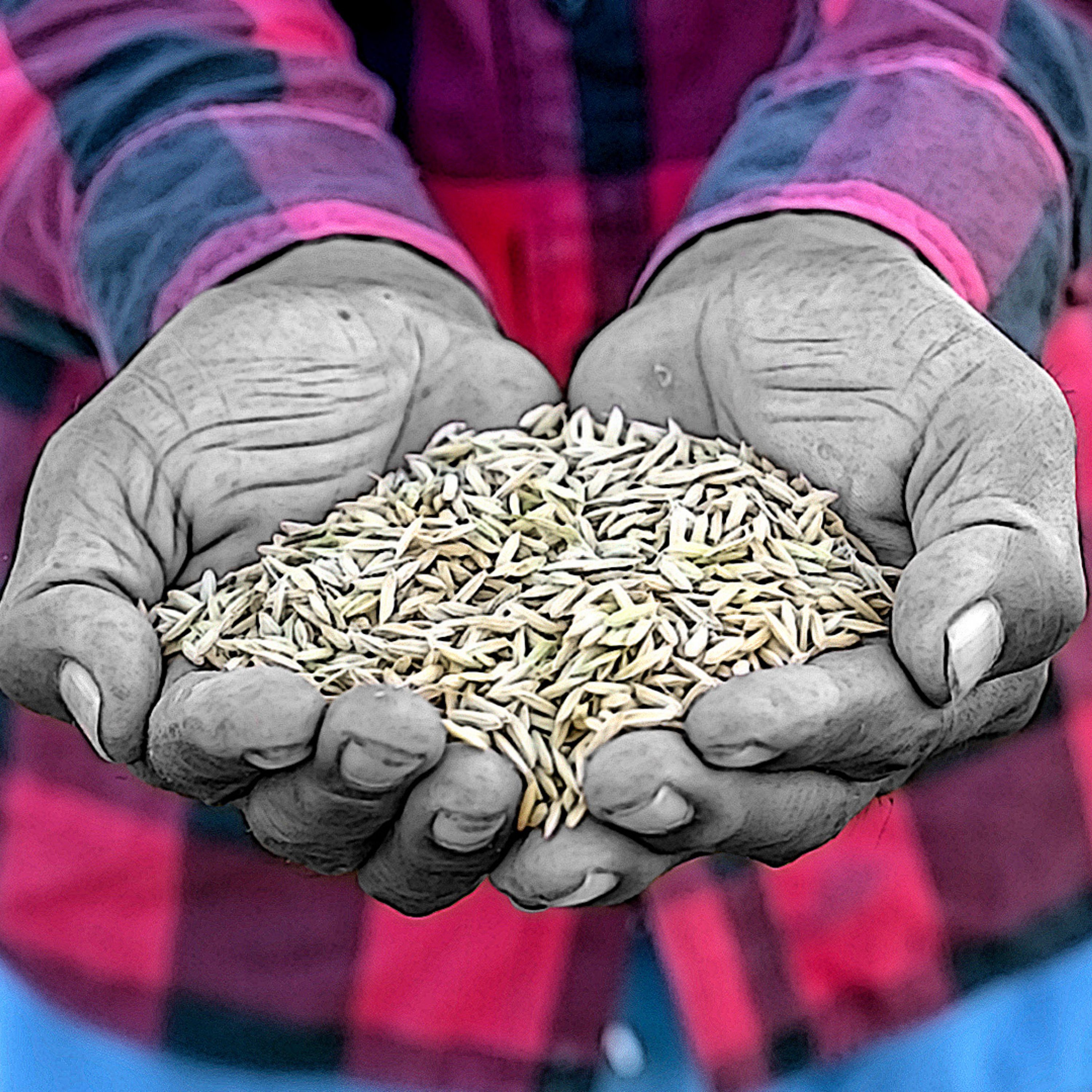
(Image: a man holding a pile of seeds in two hands. Credit: Getty/BBC)
Get every episode summarized
Each time The Food Chain publishes, we email you a written briefing from the transcript — the topics, who appeared, and any specific claims, with the ad reads skipped.
Email me new episodesFree for 3 shows. No card needed.
Hosts & guests

No transcript yet
This episode has not been transcribed. Request it and it moves to the front of the queue.
More episodes


