About this episode
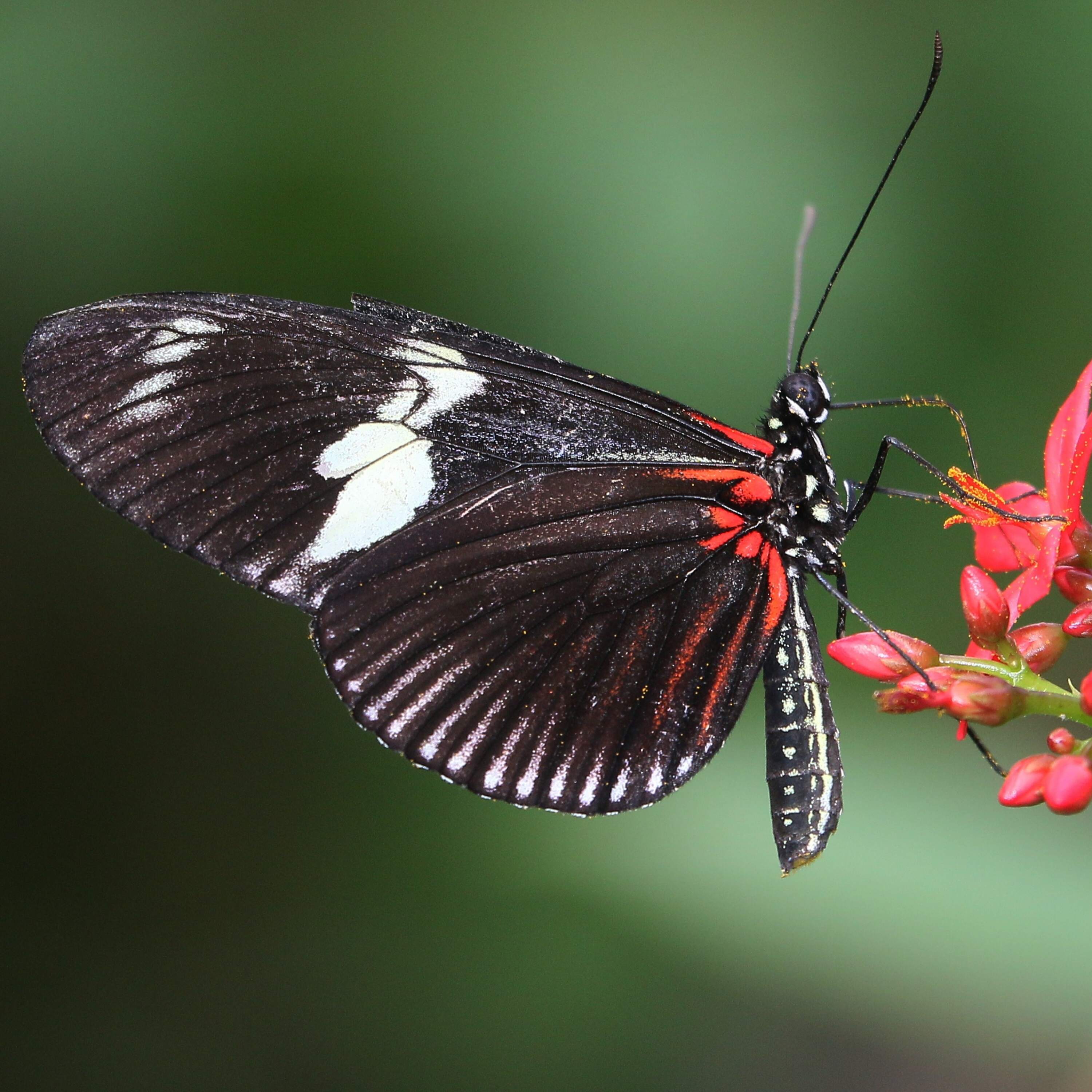
What if there were a great ape species that could live over 1,000 years? That’s basically Heliconius in the butterfly world. The insects live around 25 times longer than their butterfly cousins, and scientists think they have one clue as to why: pollen. But as Katie Wu, a science writer at The Atlantic, explains, that’s not the whole story. She and host Nate Rott also talk about how bats sip from the fountain of youth – and what it all may mean for humans.
Read Katie's full story here.
If you liked this episode, check out our episode on a pill that could extend dogs’ lives…and maybe yours someday.
Interested in more science about aging? Email us your question at [email protected].
Support public media with NPR+ and enjoy perks for over 25 podcasts like this one. It includes perks like bonus episodes, early access, archive access, curated playlists and sponsor-free listening. Learn more at plus.npr.org.
See pcm.adswizz.com for information about our collection and use of personal data for sponsorship and to manage your podcast sponsorship preferences.
NPR Privacy Policy
Read Katie's full story here.
If you liked this episode, check out our episode on a pill that could extend dogs’ lives…and maybe yours someday.
Interested in more science about aging? Email us your question at [email protected].
Support public media with NPR+ and enjoy perks for over 25 podcasts like this one. It includes perks like bonus episodes, early access, archive access, curated playlists and sponsor-free listening. Learn more at plus.npr.org.
See pcm.adswizz.com for information about our collection and use of personal data for sponsorship and to manage your podcast sponsorship preferences.
NPR Privacy Policy
Get every episode summarized
Each time Short Wave publishes, we email you a written briefing from the transcript — the topics, who appeared, and any specific claims, with the ad reads skipped.
Email me new episodesFree for 3 shows. No card needed.
Hosts & guests

No transcript yet
This episode has not been transcribed. Request it and it moves to the front of the queue.
More episodes
More from Short Wave

A new investigation shows heat is even deadlier than we thought
Short Wave
Sep 4, 202614:45completed

The science of emotional regulation — and how to do it better
Short Wave
Sep 2, 202612:29pending

What can seashells teach us about the health of our oceans?
Short Wave
Sep 1, 202613:10pending

Football is here – and so is a new study on CTE
Short Wave
Aug 31, 202615:01pending