About this episode
Have you heard of ‘super sweet’ sweetcorn?
If you’ve purchased fresh, frozen or tinned sweetcorn in the last few decades there’s a good chance its the super sweet variety. It’s an example of how our fruit and vegetables have been bred over time to make them sweeter, or less bitter. Its partly about appealing to consumer tastes, but can have other advantages such as better storage and reducing food waste.
In this programme Ruth Alexander finds out how and why the taste of our fresh produce is changing, and asks if we’re gaining sweetness, what are we losing?
Ruth visits Barfoots farm on the south coast of England, the biggest supplier of fresh sweetcorn in the UK, all of it super sweet varieties. Plant breeder Dr Michael Mazourek at Cornell University in the United States explains how selective breeding works, and what sort of characteristics have been prioritised by the food industry. Dr Sarah Frith, vet at Melbourne Zoo in Australia explains why they’ve stopped giving fruit to the animals. And Dr Gabriella Morini, chemist at the University of Gastronomic Sciences in Italy explains the latest research on bitter flavours, and why they might be good for us.
If you’d like to contact the programme email [email protected]
Presented by Ruth Alexander.
Produced by Beatrice Pickup.
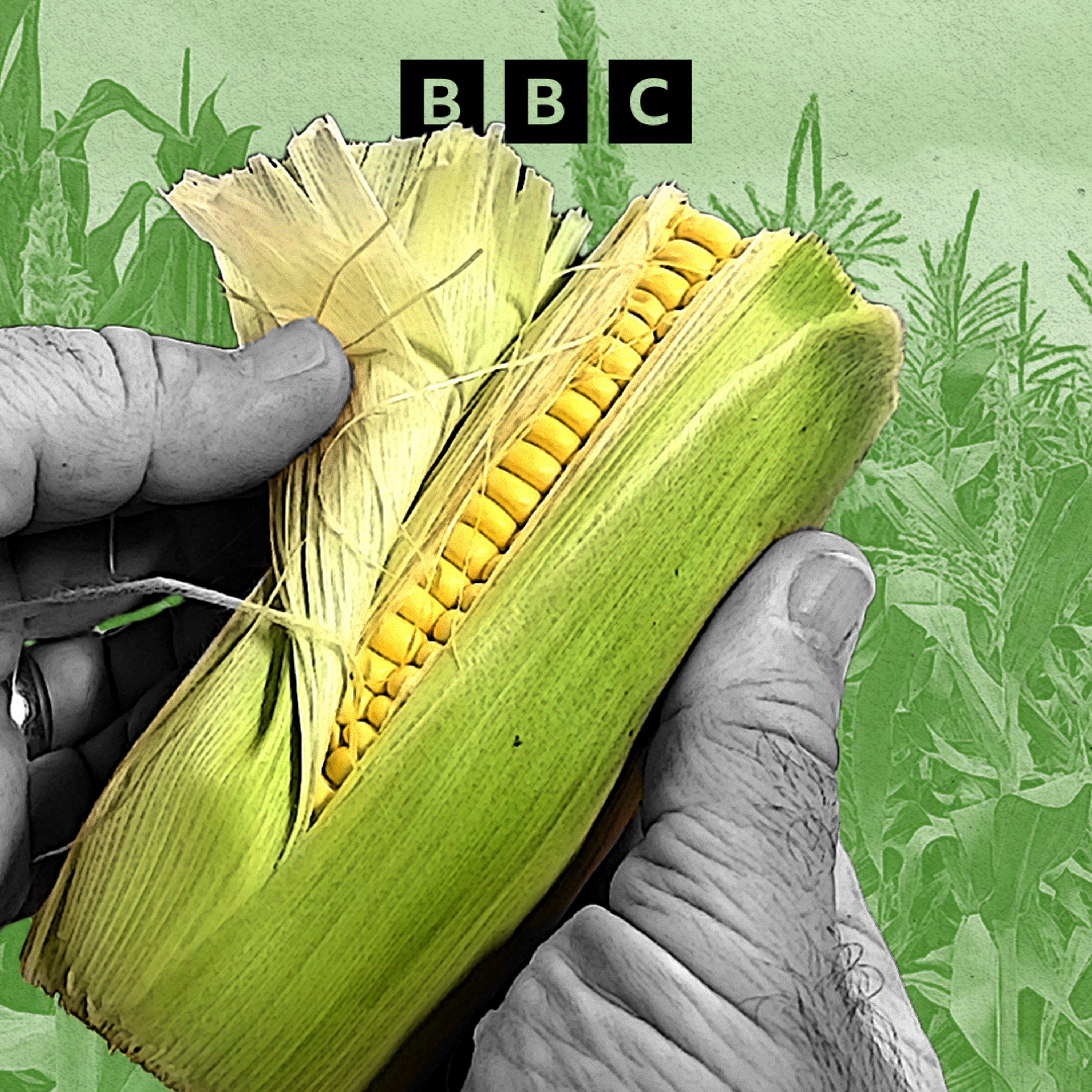
(Image: corn on the cob in the husk, with a background image of a field of sweetcorn plants. Credit: BBC)
Get every episode summarized
Each time The Food Chain publishes, we email you a written briefing from the transcript — the topics, who appeared, and any specific claims, with the ad reads skipped.
Email me new episodesFree for 3 shows. No card needed.
Hosts & guests

No transcript yet
This episode has not been transcribed. Request it and it moves to the front of the queue.
More episodes


