About this episode
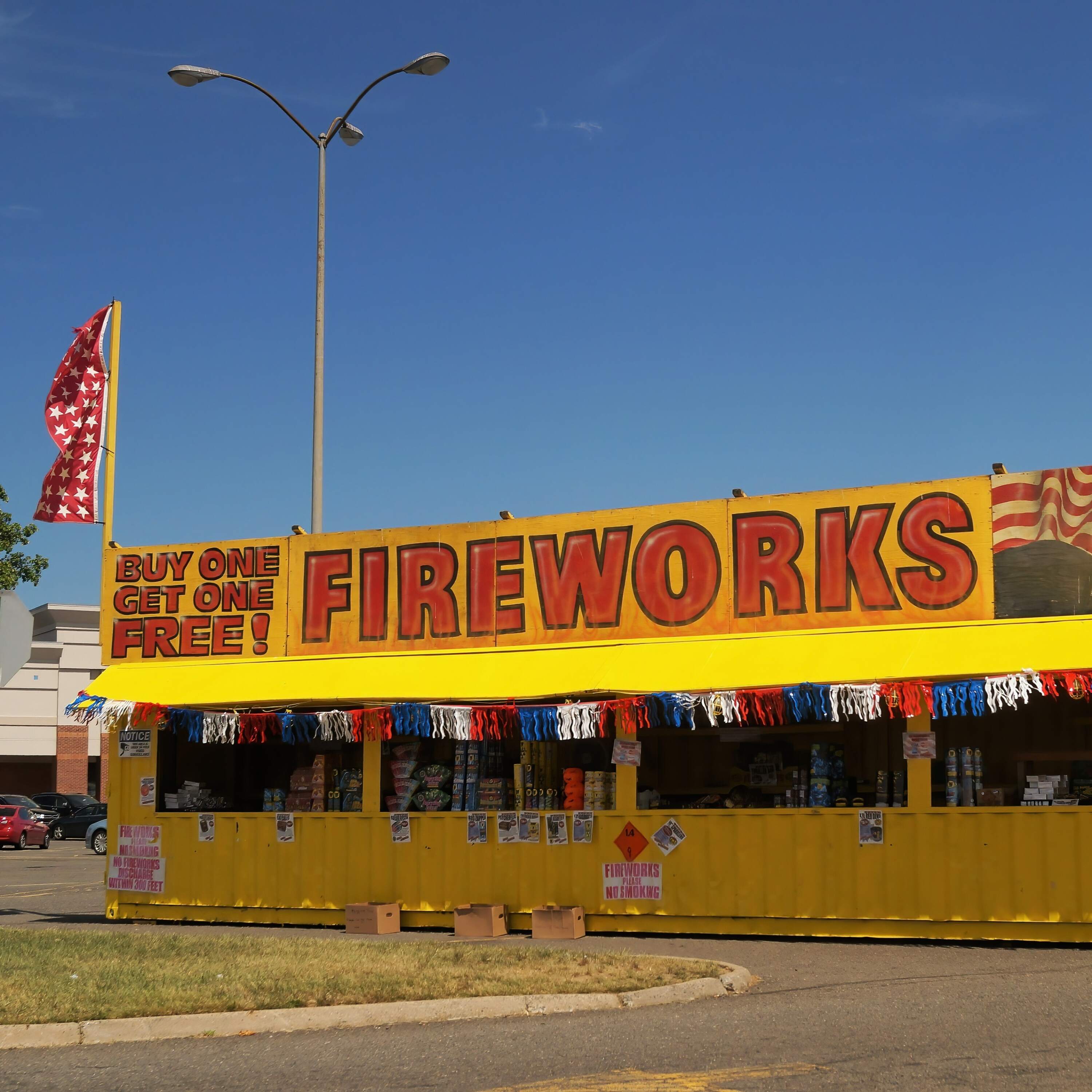
Independence Day is approaching!
Imagine if someone has procured illegal fireworks from a couple of states over. Are you:
1. first in line to light them?
2. content to watch while others set them off?
3. going to find a fire extinguisher — just in case — while loudly condemning the activity?
Ken Carter, a psychologist at Oxford College of Emory University, says everyone has a different level of sensation-seeking. This episode, we get into the factors at play, like people's brain chemistry, when deciding whether or not to do an activity, like setting off fireworks.
For low and average sensation-seekers, very thrilling activities like large, self-run fireworks displays can cause their bodies to produce a lot of cortisol, a stress hormone.
On the other hand, high sensation-seekers, Carter says, "don't tend to produce that much cortisol when they're in those highly chaotic experiences. So when they're seeing those fireworks, they actually produce higher amounts of another chemical called dopamine, which is a neurotransmitter or a chemical messenger that's involved in pleasure."
Carter has developed a 40-point self-assessment survey for people to figure out how much of a sensation-seeker they are. The survey can be found in his book, Buzz!
Interested in more psychology episodes? Email us your question at [email protected].
Support public media with NPR+ and enjoy perks for over 25 podcasts like this one. It includes perks like bonus episodes, early access, archive access, curated playlists and sponsor-free listening. Learn more at plus.npr.org.
See pcm.adswizz.com for information about our collection and use of personal data for sponsorship and to manage your podcast sponsorship preferences.
NPR Privacy Policy
Imagine if someone has procured illegal fireworks from a couple of states over. Are you:
1. first in line to light them?
2. content to watch while others set them off?
3. going to find a fire extinguisher — just in case — while loudly condemning the activity?
Ken Carter, a psychologist at Oxford College of Emory University, says everyone has a different level of sensation-seeking. This episode, we get into the factors at play, like people's brain chemistry, when deciding whether or not to do an activity, like setting off fireworks.
For low and average sensation-seekers, very thrilling activities like large, self-run fireworks displays can cause their bodies to produce a lot of cortisol, a stress hormone.
On the other hand, high sensation-seekers, Carter says, "don't tend to produce that much cortisol when they're in those highly chaotic experiences. So when they're seeing those fireworks, they actually produce higher amounts of another chemical called dopamine, which is a neurotransmitter or a chemical messenger that's involved in pleasure."
Carter has developed a 40-point self-assessment survey for people to figure out how much of a sensation-seeker they are. The survey can be found in his book, Buzz!
Interested in more psychology episodes? Email us your question at [email protected].
Support public media with NPR+ and enjoy perks for over 25 podcasts like this one. It includes perks like bonus episodes, early access, archive access, curated playlists and sponsor-free listening. Learn more at plus.npr.org.
See pcm.adswizz.com for information about our collection and use of personal data for sponsorship and to manage your podcast sponsorship preferences.
NPR Privacy Policy
Get every episode summarized
Each time Short Wave publishes, we email you a written briefing from the transcript — the topics, who appeared, and any specific claims, with the ad reads skipped.
Email me new episodesFree for 3 shows. No card needed.
Hosts & guests

No transcript yet
This episode has not been transcribed. Request it and it moves to the front of the queue.
More episodes
More from Short Wave

A new investigation shows heat is even deadlier than we thought
Short Wave
Sep 4, 202614:45completed

The science of emotional regulation — and how to do it better
Short Wave
Sep 2, 202612:29pending

What can seashells teach us about the health of our oceans?
Short Wave
Sep 1, 202613:10pending

Football is here – and so is a new study on CTE
Short Wave
Aug 31, 202615:01pending