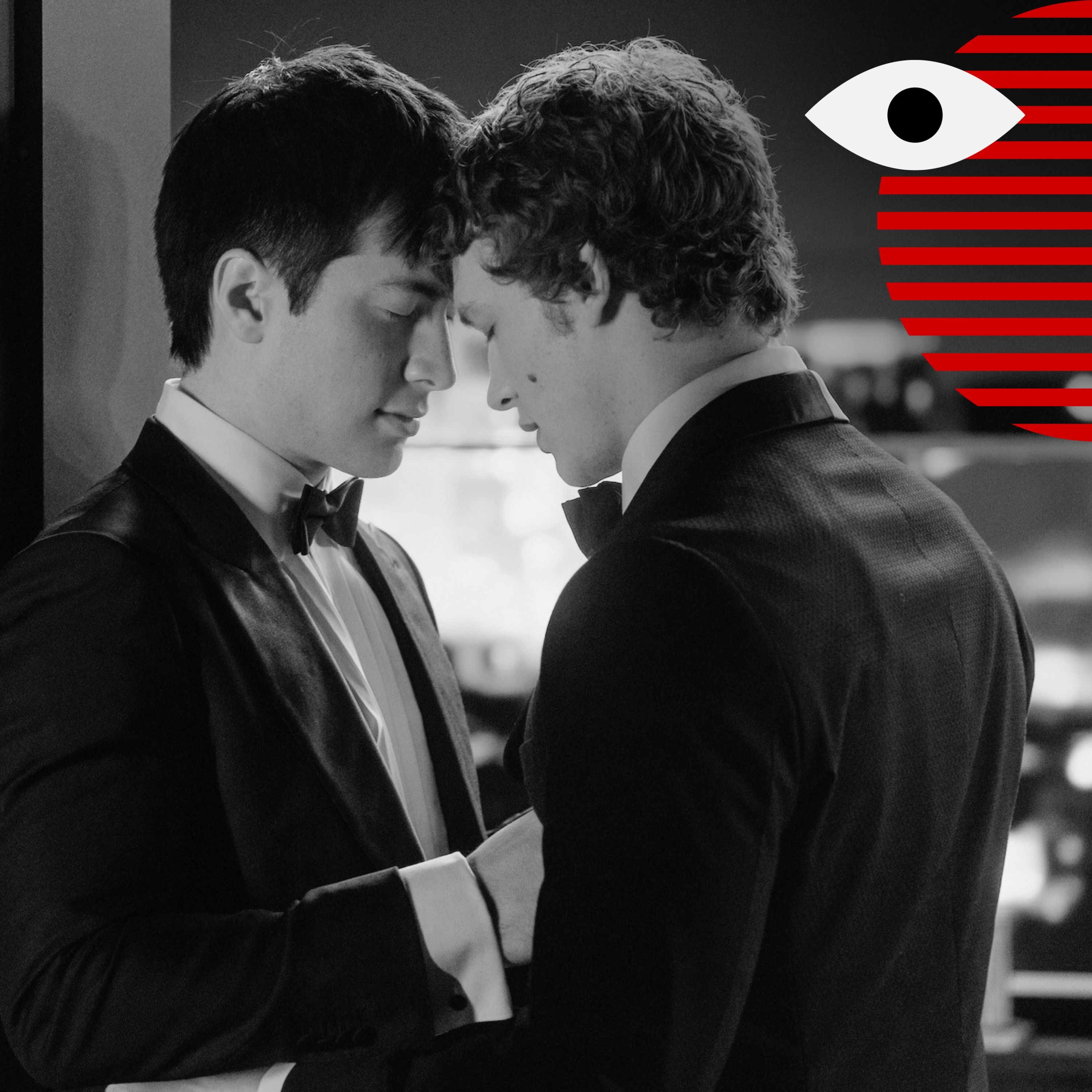
Smutty profits: Why Canada should invest in its hopeless romantics
About this episode
If you've felt compelled to pick up a steamy, smutty book throughout the last few months, you wouldn't have been the first - and you probably won't be the last.
It's no doubt romance novels are having their moment, and besides the books themselves, readers and consumers alike are going beyond the pages and diving into their respective worlds.
Host Maria Kestane speaks to Deborah Aarts, a freelance business writer about how Canadians are opting to invest in community, and how the recent boom in romance novels could teach other traditional media how to meet consumers where they're at.
You can read Deborah's article here: https://www.theglobeandmail.com/business/rob-magazine/article-the-swoon-boom-meet-the-business-savvy-smut-mongers-of-the-great-hot/#comments
We love feedback at The Big Story, as well as suggestions for future episodes. You can find us:
Through email at [email protected]
Or @thebigstory.bsky.social on Bluesky
Hosted by Simplecast, an AdsWizz company. See pcm.adswizz.com for information about our collection and use of personal data for advertising.
Get every episode summarized
Each time The Big Story publishes, we email you a written briefing from the transcript — the topics, who appeared, and any specific claims, with the ad reads skipped.
Email me new episodesFree for 3 shows. No card needed.
Transcript ready
139 searchable segments. Every word is indexed and playable.
Full transcript
The Big Story — Smutty profits: Why Canada should invest in its hopeless romantics. Machine-transcribed; use the interactive transcript above to jump the player to any line.
Frequency podcast network, stories that matter, podcasts that resonate. The time was early January 2026. I was sitting at the table in my fiance's apartment trying to desperately get some work done. When all I could think of was heated rivalry edits on TikTok. I was addicted. The show, the characters, the actors, it was literally all I could think about, and mind you, I didn't even read the book yet I was very much so on Book Talk, specifically Smut Book Talk. The corner of the internet, two sizes, more comparable to that of a Costco warehouse than the size of an actual corner, where women and men and folks of all genders gather to share, compare, and talk about the books they're reading and the fun they're having. But it didn't stop there. Bookstores were opening up, community events, pop-up reading nights, a tour of all the places in Hamilton,
where scenes from the show were shot. I mean it was pandemonium, all inspired by one out of the millions of romance novels. Canadians were opening books and reading and indulging in the romance and the economic boom from the books, not just from Rachel Reed, but from authors from all corners of the country were felt. And in a time where physical bookstores aren't as popular as they used to be, Canadians are looking for more, and they're willing to pay to get what they want. I'm Maria Castan, and today on the big story I'm talking to Deborah Arts, a freelance business writer and the author of a recent article, The Swoon Boom Meet the Business Savvy Smutmongers of the Great Hot North. Talk about a title. Today we're diving into how the romance novel industry has boomed in Canada, the moment paperback books are having,
and what economic lessons we can learn from creating spaces, be it online, or in person, where people feel community. Deborah, thank you so much for joining me today. Absolutely my pleasure. Tell me about Canada's history in the romance novel world. How did our country find its place in this story? Oh my goodness, well to enter that question, we need to go back to Winnipeg in the 1940s, believe it or not. A lot of people are not familiar that Harlequin, which is perhaps the world's most famous and recognizable brand in romance novels, and to this day is a Canadian company, a Canadian success story. It started in Winnipeg in 1949. Now the books that were produced then were very, very different than what we might associate with romance now. Many of them work extremely chaste deliberately, so they had kind of an editorial mandate at that time to encourage less graphic and salacious material.
That definitely changed over time as the years evolved and the company grew and grew and grew and grew in this truly a Canadian success story in terms of expansion. I'll spare kind of a long and a bit of a meandering corporate history. It remains headquartered in Toronto. It is now a subsidiary of HarperCollins, but it is based in Toronto and continues to employ many, many people and published many, many books even to this day. There are two Harlequin sold every second, if you can believe it or not, under the various imprints. Now Harlequin is not the be all end all of Canadian romance. There's been a lot more, certainly recently, different types of stories being told in different ways. And that has been the case for quite some time, but I mentioned it because it kind of created this almost industrial backbone for Canadians being really, really good at telling love stories. And we certainly see that borne out today when you see the success of franchises such as the heated rivalry books and Carly Fortune's blockbuster novels and many, many, many other Canadians who are having so much success in the romance space.
So again, it's not all that Harlequin, but over the last nearly 80 years we have built up this incredible kind of bench strength when it comes to producing romance authors and the kind of industry apparatus to support that and that kind of leads us to where we are today. What was the appetite for romance novels throughout that kind of timeline? Like were people into it or was it taboo? Like what was the appetite? Yes and yes. People were interested in it and it was taboo. So this was very much kind of a really interesting bit of, I guess you could call it retail savvy. The books became much and about the 70s new management took over at Harlequin, they over time moved the headquarters to Toronto around that time. And they started getting a lot racier and they started kind of rejigging the product and the, I guess you could call it the romance novel supply chain to make it easier and basically remove any barriers that might be keeping people from this, these kinds of stories.
Now at the time, I think in those years, very few people would kind of wear their fans of their fandom of romance novels in public forums, but people definitely loved them. The sales numbers definitely bore that out and it was born of the insight that a lot of people, primarily women, loved to read these stories and they wanted to get them an easy to find in very accessible way. So they kind of templated this, this kind of very formulaic approach as to what a Harlequin novel was, it was exactly 192 pages. Sometimes they would make the font bigger if they didn't have enough words or smaller to fit. They put them in the places the executive at the time was quoted as saying we want to be where the women are. So they would put them in the checkout lines of grocery stores, they would put them in the checkout lines of drug stores, they started a subscription service kind of well ahead of its time that would take them right into people's houses. This was partially because kind of traditional booksellers at the time were a little bit sniffy about it and though we don't want to sell these books, these low-brow books. But the sales numbers just skyrocketed and the companies started to expand all around the world as a result of this.
And I mean, I'm old enough to remember seeing those kind of carousels at the drug store. I'm probably sneaking a peek before I was too young, but it certainly worked. It was a very, very, very effective model. What are some misconceptions you'd think about the romance novel look of the world? When we think of those readers or I guess the subpopulation, what tropes usually float in? Oh, there's so many. And as a fan of the genre, I will defend this point, especially, is because a lot of people like to just, I think the biggest misconceptions that these are guilty pleasures. That's the phrase that comes up all the time that these books are, oh, you know, they're my guilty pleasure to read these books. They're not, I mean, some of them are a little deliberately kind of light and breezy and more easy to digest. But many of the books, many of the most successful ones today, especially, are really, really substantial. They deal with real issues. Sometimes in a lightweight, sometimes in a heavier way.
There are authors who deal with issues of mental health, of gentrification, of trauma, of different kinds of relationship dynamics. And the kind of template of a romance novel, which has certain beats that you're going to hit and there will be almost always a happy ending at the end. And there will be the kind of predictable, you know, almost soothing infrastructure of story gives people a safe space to kind of enjoy those things. So I like to mention that sometimes these stories have a lot more depth and a lot more kind of emotional wallop than people might think. Another kind of misconception that I think is pretty common is that they're all muddy. They're not. I mean, a lot of them are and some of them are extremely muddy. But there's a lot that are kind of many of the most successful ones now are what you would call kind of a closed-door romance. So, you know, it's implied that the characters go on to do something physical. They don't always go into the detail. Some of them aren't, don't have any really beyond that kiss at the end. It's kind of the emotional through line that keeps them going and the stories of connection and things like that as well.
So I guess to hopefully answer your question, the stories can be really meaningful and substantial and really powerful from a story, pure storytelling point of view. And they're not all about the skills. I guess I'm curious to know, like historically and societally when we, like a throughout society, when we think of people that read romance novels or that enter, you know, romance bookstores and we'll get into that later. But what image comes to our head? What identity do we associate people who consume romance or or like not just books, but I guess like quote-unquote chick flicks, you know, like what identity do we give those people? And does that, does that match, you know, what it, what it is a reality? I think what the long stereotype is exactly what you're looking at in me right now, middle-aged woman is largely what a lot of these were geared towards. And I think that's always, you know, been fairly reductive and not at all what this was. Romance novels have always been for everyone. I think though what we have seen as this new wave of authors who are having success in this space have told many different stories in many different kinds of way.
The audience has just ballooned. They are not just for women. They are for people of all genders, they're people of all ages. They are people like anyone. It is kind of surprising in my research for the piece, the different kind of pockets of fandom that you can come from pretty much every demographic you can find. There's lots of teens who are into it. It's really a much bigger and more welcoming tent than I think a lot of people tend to assume. This came in and talking to a lot of the booksellers that I spoke to for this piece and they tell me stories of, you know, all sorts of different people coming through their doors looking for this, including a lot of men. And that is surprising to a lot of people. But it's not if you talk to some men who enjoy it who, you know, are starting to kind of say, yeah, I like this. I think it's kind of fun. The heated rivalry phenomenon has been an interesting stress test of all that because I think it got a lot of people saying like, this is great. This is a great story and we can all kind of get behind this.
You know, before we had this conversation or before we started the interview, I was saying that, you know, I don't necessarily read romance novels. I don't read that much or as much as I should. And a lot of interest on this topic came from watching heated rivalry and just, you know, when I was watching it and engaging with the content on social media, obviously the community and the subculture that was, it was something I've never seen before. I mean, my feed was simply Hudson Wilkinson Connor story and I liked it that way. I will say that. But it was, I was, I was in so deeply in this world and only did was watch the show. I didn't read the books. And then there were multiple books. It wasn't your heated rivalry. It was a whole series from Rachel Reed. I mean, I'm curious to know, you know, we've always had, you know, book blogs or, you know, other online spaces. But the current moment we're in is just of a different magnitude, the space where people can come together virtually. You know, take up a whole new meaning. I'm curious to know how have online platforms changed the way we consume and interact with books.
It's massive and in romance, especially, you know, if it's massive in books in general, in romance, it is gigantic of the impact of online spaces in this fandom. Before I answer the question, are you team Shane or team Ilya? I need to know this. Oh, don't ask me that. Oh my God. I, okay, my sister and I, my friends of I talked, I have talked about this extensively, I think. Well, what does that mean? Like, like, why are we putting them against each other? Like, what do you mean team team? I'm team Ilya or two. Okay, okay. I will say this. I'm team Ilya and then I'm also team Hudson Williams. I will say that. That's a very powerful mix. It's just important to tell us like understanding someone's sign. So to answer your question, the online spaces are absolutely pretty critical to this discussion. What has happened with the spaces known as book talk, which is the book space on TikTok or books to Graham, these platforms have made it very easy for people to a
infuse about what they like. So if you read a romance author that you like or a story that you like or even like a character trope like you that you like, you can simply search and find a couple hashtags and it'll take you down a rabbit hole. And before you know it, you are connected with all these people who share your fandom. You have got probably 40 book recommendations to read. And it just feeds one another and it gives people this space to to infuse, which as a lifelong enthusiast, I love, I think it's great for people to talk about things that they love. And the algorithms play a role in that as well too, because they see you like it and they give you more. But kind of beyond the kind of technical capabilities of that and the ability for people to to meet and engage with one another is creating these kind of almost tribal fandom communities around romance. And why I think that's so powerful in the romance space, particularly is that this is a type of content that people have traditionally enjoyed quietly and behind closed doors, you know. These fandoms and these communities have given people kind of a sense of like, oh, other people like this, I can be like really loud and proud about what I love about these books.
I can wear this as a badge of honor, which is why, you know, if I go to a coffee shop, I might see somebody with a Carly Fortune book sticker on their laptop or hearing a Shane Hollander jersey, kind of being very outward and vocal about fandom of something that has traditionally been a little bit, you know, hush hush for people and I think people are kind of electrified by that. If we're going to kind of zoom out a little bit into the kind of societal implications of all of this, I think a lot of the experts I spoke to for the piece have kind of reinforced the power of this movement to kind of be a bit of a counterbalance to this loneliness epidemic we're hearing about we're hearing about people feeling disconnected we're feeling hearing about people feeling isolated. This is a community it's giving people a real sense of belonging and it can be a really wonderful and welcoming and very valuable kind of community to be part of and I think that's part of why it's just been taking off like it has. This idea kind of reminds me of of a parallel with like women sports, you know, we know that it's not as monetized or that the magnitude of the league doesn't match that of the men's but but the popularity and the buzz and the hype it's certainly there and not to mention the talent.
It's it's just not a celebrated or or recognize the same degree as men's league I mean do you think that that's a fair comparison this idea of undermined but but over delivering. Yes, I would think so and I would add to the point that especially when it comes to romance novels I mean this is a very financially lucrative industry it is very very very successful from an economic point of view. But I do think there is a tendency for many people who perhaps don't engage in this content to write it off as something that is fringe or or frivolous or not meaningful to to underestimate its power and often that is for things that are traditionally associated with women. That is something that we see throughout kind of the history of capitalism and I think the history of capitalism also gives us a lot of good examples of why is very foolish to underestimate these things. So I think yeah that's a very interesting comparison to women's sport much like I think romance novels women's sport has always been there and it's having a well deserved moment in the sun at this moment.
Yes, I think the one thing I would underline is that even in the early Harlequin days these books made a lot of money and so getting the respect they deserve I think is well overdue. Well, let me talk about the money and the economic success is most definitely there. What do you think it is about books like key to rivalry or adjacent ones that have the power to harness the kind of success that that it's having. There's certain comfort to the predictability of it all and you know as a consumer of these books I like that there are certain things that are guaranteed I'm going to get a story about people that are going to come together in whatever way possible there's going to be some resolution not always a happy ending almost always a happy ending and I find it interesting as a reader of these books to see the kind of the different pathways we choose to get there. But from a from an economic point of view you know it's a it's a it's a sure thing from a consumer you know that you're going to buy this booking you're going to get some hope some some encouragement about the human condition and a bit of joy and a lot of escapism and I don't think I need to dwell too deeply on the world that we're living in in the headlines that we all read every day to understand why that's so powerful from an economic point of view I can pay 20 bucks for a paperback or you know less than that if I'm buying an ebook or an audio book.
And I'm giving this almost guarantee of of escapism and delight and I mean if you talk to even the most hardened NBA in the world that's a good business to be in especially when times are are a little more challenging so a helpful analogy is perhaps the well-known lipstick in lipstick index which is the notion that you know even in the most trying economic times consumers will be drawn to little small indulgences that make their lives better and so to a degree that we're going to be able to do that. They're a bit recession proof and I think romance novels it's fair to categorize them in the same space and yes because the authors and the publishers in the booksellers have done such a good job of widening the net and making these books representative of and appealing to such a broad diverse diverse audience. I think it's you know to their credit that we see the the sales numbers which are fairly exponential across the board in terms of the the increase in interest in these books that is to the credit of those involved in producing these books they're doing a better job of finding new ways and fresh ways to to provide this this fundamental.
Jolt of optimism and escapism and joy and that's that's a good product to be selling in 2026. Yeah and I mean economically speaking it's not just the booksellers but the fact you know that some of these books are getting adapted into shows in movies I mean you know this is one book out of Rachel reads many and it and it was picked up and and you know made by Craven it's it's I don't want to downplay anything I mean I mean the show was great and these networks they do great that shows but it's not like it was like a big Netflix show or an Amazon Prime show or you know these these big networks like Crave is a Canadian network you know it was a Canadian show the budget was small we know that these were not big a list or a list actors yet the impact of the art and and the adaptation it was all there. I'm curious to know what you make of how production companies can use you know a case example of heated rivalry this book that was made from you know a Canadian author with not much of a big budget of a very Canadian budget but still took off and and did record numbers.
Yeah I mean I think it would always help to have two leads with the kind of atomic chemistry that that corner story and Hudson Williams have but but I mean the good news about all of this is that like the reason that heated rivalry took off from my point of view as a show and it's extremely faithful to the book it's one of the more faithful there's a few things that have changed in terms of integrating another book into there but it's one of the more faithful adaptions of anything I've ever seen. Is is the thing that I think revealed to most people was that beautifully emotional connection between the two leads and how they were able to kind of find this this way to each other it was such a rewarding payoff and so many books do that in romance there is so much so much good. Kind of source material to draw from I mean there's there's thousands of these books that that could be the source material for this I think it's a real credit to the producers of that show everybody involved that they allowed that that really affecting emotional story to shine through and that kind of led everything.
Because I think the audience response to it is is like these are two guys who sorted their stuff out and you know if their story isn't done yet but my god they got somewhere different at the beginning then they were at the end and that's what romance gives because they allowed themselves to take down the walls a little bit and to to let each other in and to be to be you know have that kind of sense of emotional evolution I guess we can call it. These are what these books do this is that this is the ground they pedal and so so I think we can see you know endless heated rivalries again helps to have to incredibly charismatic stars but you know there's no shortage of material to to adapt in these ways you know we know the popularity of bookstores you know isn't what it used to be in your article you say that only a little over a thousand exist in canada and that number in and of itself it isn't necessarily speak to reading habits I mean people still you know read online are they they borrow you know electronic content from their libraries but you know I'm curious to know you know bookstores and physical books themselves they are coming back you know into popularity people I feel like I see people a lot more often now anecdotally with books then I do with a tablet people are reading like you know paperbacks a lot more so you know using that as an example I'm curious to know what you think other mediums that that you know are entering the fringes such as newspapers you know no one necessarily reads a newspaper
what what lessons you think those fringe mediums could maybe take from the moment that paperback books are having right now yeah this is this is interesting I've noted that as well there are a lot of people reading them and a lot of them are romances if you look closely to them one thing I found interesting in researching this piece is I spoke to there's this kind of interesting kind of sub phenomenon happening in that it almost made every major city in Canada now you can find at least one romance focus bookstore and most of them are new most of them open recently they're these beautiful little jewel box spaces and they're bedrocked on physical media you go in there you can buy tangible books they also sell a lot of merch they host events they do all these wonderful things to bring the romance community together but one of the booksellers I spoke to is one of the co owners of a store called slow burn books in Calgary and she made the observation that people are now buying books as trophies to a certain degree in the way that you might buy a piece of sports memorabilia or a jersey to kind of show your fandom
and she sees many customers come in and buy multiple copies of a book one to read and one to kind of show on display but so that doesn't interesting sub aspect to why this this kind of these it's kind of the vinyl revival you know when everyone started buying vinyls again and started using these like they'll show their things it's a way to kind of use your your passions as a kind of a marker of identity to a certain degree but I think the going back to physical media I mean if I'm reading a book or I'm reading a newspaper or a magazine I'm holding up the copy of the report on business magazine right now I don't have a million things going on on my phone I don't have a feed that's going in front of my screen I can focus my attention and turn my brain off for a moment and I think that is something that experts certainly seem to suggest and I certainly feel is is more and more desirable right now just the ability to kind of have one source of information to give my brain arrest from the constant
constant onslaught of of notifications and things and to really enjoy something I think romance especially lends itself extremely well to this because it is you know it does not feel like homework or it shouldn't feel like home work it is meant to be an enjoyable past time. But I think yeah I think more and more people are kind of turning more towards that just to give our brains a bit of a break interesting that's so funny you mentioned the vinyl come back is that that's so true honestly it's a marker of identity. Deborah such a fascinating conversation I really appreciate you taking the time to join me today thank you so much absolutely my pleasure and you should pick up one of those heated rivalry books they're real burn burner like them. And that was the big story let me know what you think of the recent boom in romance novels and the community they make up and of course if your team Shane or team Ilya I guess I have to figure out where I stand find us on Instagram at the big story or on blue sky if you think you know someone that might enjoy this conversation be sure to send it to them as well and of course leave us a comment on our show I'm Maria
you can stay in thank you for listening.
More episodes
More from The Big Story

Big Headlines: Canada and the U.S. mourn 9/11 on the 25th anniversary of the ter...
The Big Story

What happened to our attention spans?
The Big Story

Big Headlines: Carney convenes his cabinet in Alberta and Trump vows American ad...
The Big Story

The age of technological imperialism
The Big Story