Loading...
About this Episode
New research has highlighted the continuing decline in the number of pubs across Ireland, with one in four having closed their doors since 2005.
Here in Clare, the county has lost seven pubs in the past year alone, and there are now around 30% fewer pubs than there were two decades ago.
The report points to rising costs, high excise duties and changing consumer habits among the challenges facing the sector, while the industry warns that many more closures could follow.
To discuss what these figures mean for Clare’s pubs, businesses and communities, I’m joined by Clare VFI Chair and owner of O’Dea’s, Charlie O’Meara, and Maurice Walsh, Manager of Moroney's Pub in Ennis and Vice Chair of the Clare Tourism Advisory Forum.
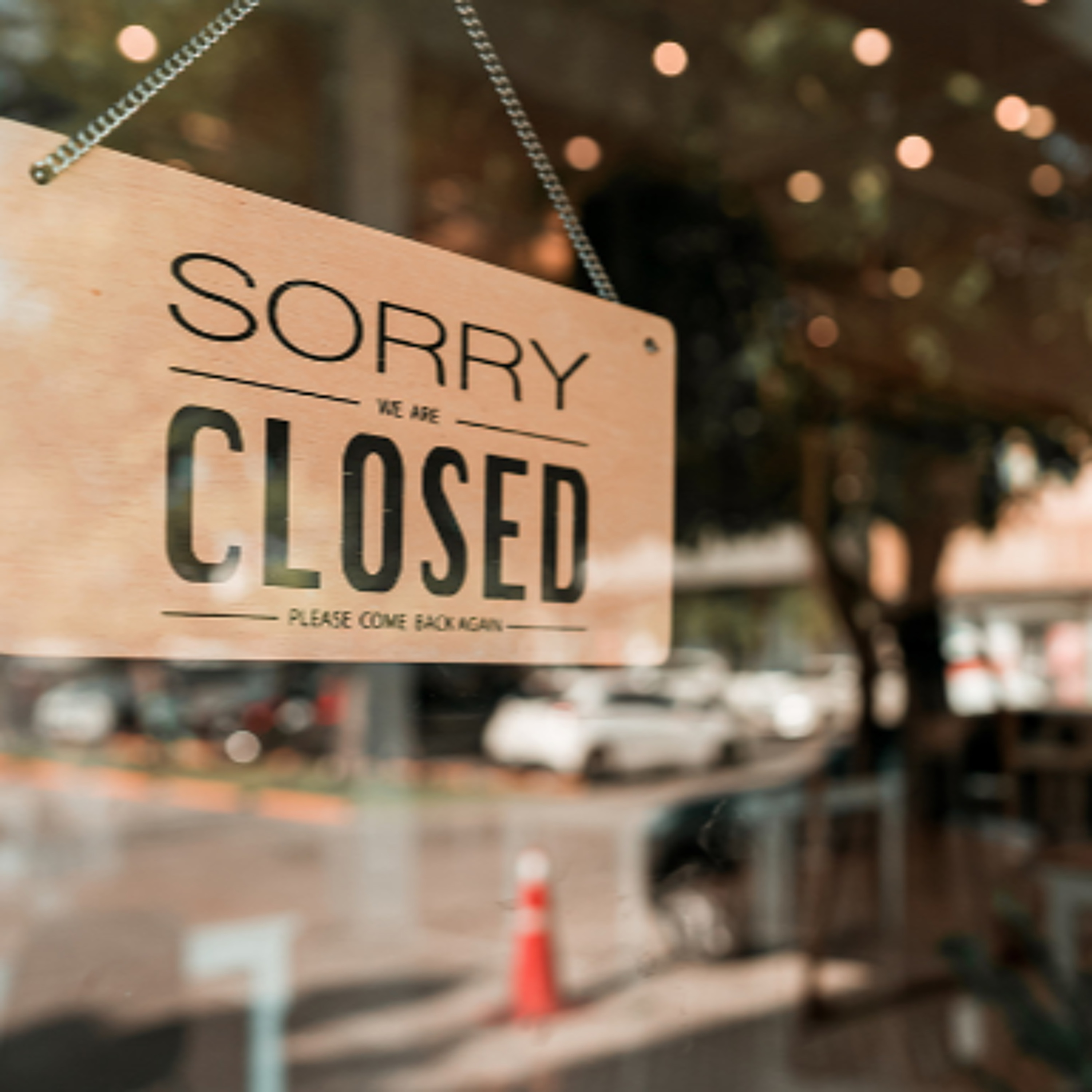
Photo (c) Monster Ztudio via Canva
Hosts & Guests

Transcript
Kicking off this hour, we're looking at pubs and no researchers highlighted the continuing decline in the number of pubs across Ireland, with one in four having closed their doors since 2005 while hearing care, the county has lost seven pubs in the past year alone, and there are now around 30% fewer pubs than there were two decades ago.
The report points to rising costs high, excise duties and changing consumer habits among the challenges facing the sector while the industry warns that many closures could follow.
So to discuss what these figures means for Claire's pubs, businesses and communities, I'm joined in studio by Morris Walsh from Maroni's bar in Ennis, and he also knows a thing or two about tourism and the Claire VFI chair and owner of Odie's Charlie Omara.
So to be for joining us on the show and as I say, Morrison's studio, I'm sure to say Morrison's well, you know, a thing or two about football.
It's well given, I just mentioned that there. Let's look at Claire first. So we've lost seven pubs last year, according to research. We now have around 30% fewer pubs than we did 21 years ago.
How concerning are those figures for the pub trading Claire, I guess losing seven pubs last year. I doubt you're that surprised to hear that.
Alan, thanks for having a son. No, I'm not surprised here that there are seven premises gone in the last 12 months.
And when you look at the figures overall, 30% drop off in in licensed premises in Claire is a very large figure over the last 21 years.
But when you look at nationwide, 1% in Dublin, you know, the feeder counties in relation to our feeder belt counties in relation to Dublin, the average is about 10 to 15%.
And then rural Ireland is being decimated up to 30% plus 37% in memory.
And that's really concern for rural Ireland and the local pub where you go down, which is a community center in an awful lot of places, it's the local focal point.
And they're concerned and figures for Claire, but they're also concerned and figures for other counties.
Yeah, the overall number, Charlie, so Claire has gone from 373 pubs in 2005 to 258 today.
What do you think has driven such a dramatic decline over the past 20 years? And I guess there's, you know, it's not, there's a number of factors that feed into that.
Good morning, Alan. Good morning, Morris. Yes, you said there are a number of factors.
My suppose look at pre-covers, we could see a big change commoners. So the whole new social scene out there as well. And then I think in fairness, I've often said, you know, successful governments have hammered the industry and the given them no break as some as a public and said to one night, we're just glorified types collectors, far to government.
Like to be quite happy to keep hammering us every chance to gas in down to the years.
And now when they realize that you know what we keep on this like a morris hotel, you know, that they still believe the government are birds are telling us anyway that the hospitality sector and more importantly, the tourism sector is still very important.
But I would want to get to where we're inviting people to stay in Ireland and there's very little near for them.
And as we said, there numerous times the number one reason that so many come to this country is to experience question Irish pub is and the fun, the banter, the food, meeting people, but I couldn't drive around parts of rural Ireland now.
There are some types of there isn't a place left. There's no hope to eat drink. It's not even just about drink anymore.
You know, for someone to come into a small rural village now in Ireland and stay.
They're struggling and I've spoken to a lot of people don't the last 12 months and maybe more.
There's literally stuff off somewhere and they're struggling to find somewhere to even have something to eat because there's nothing left in the locality.
And as I said, it's not even the pub is now literally a social hope, especially in rural Ireland because there's nothing else left.
The shops are gone, the garden stations are gone. And the last bastion of what we know as Irish society seems to be.
I'm not so sure quite happy to see that closed down as well. Is it a good thing? Are we going to regression years to come? Well, the way we're born.
You know, it's going to happen in an off-let zone or the way think and it's very, very warning and it's terrible for the people that are trying to make a living and still survive.
You know, and for years, I've been telling this to successful governments and I've spoken to many times about it, but very, very little has been done to help it.
And there's a lot of talk again that there's going to be a move in the budget to try and help out.
But what will actually come of it? I would say very, very little as usual.
Yeah, we'll touch on the budget and you're not saying it's too hopeful. We'll find out in a while where the Mars is a little bit more hopeful.
What might come down the track to help the industry in four or so weeks time.
But you know, Charlie's talking there Mars about tourism and there is that aspect of the pub being important and it's the Irish pub is renowned abroad, but that he touched on it.
I'm thinking more about locals, particularly in rural areas where there is not much and that is the kind of social hub.
And if that goes, what are you left with and do we see more, even more of a move people from those rural areas to more urban areas?
Well, I think a right-handling and much retainer.
Like the Irish, the local pub has always been a traditional meeting place where you can go and have conversation.
You can tell as many lies as you used to be able to because the mobile phone has the answers and stories were told.
And people listened to people that were older than themselves telling about things that happened years ago.
And that's the whole ethos of Irish society, really.
I know what it was going to church on the morning and going into the local pub at 12 o'clock and having a pint or two before you go home for your lunch.
Or what it was going down in the evening time and having a few pints and having a conversation.
That's where this particular closures is affecting.
It's not affecting, I mentioned Dublin there, but it's not affecting areas that might have festivals or events or things like that.
You know, at certain times of the year and they boom for a week or the boom for two weeks.
But when them festivals are over, you're back to your local and you're back to a situation where you're trying to look after your business for the next 52 weeks or 50 weeks of the year to get around to that festival again.
But maybe our people are their habits changing.
You know, we hear drinking and socializing habits compared to, say, 10 or 20 years ago into the pandemic had an impact on that as well.
And, you know, cost-living with people we've spoken before when yourself and Charlie Binaugh and people move towards maybe drinking at home before heading out to try and save a few quid and so on.
But our people also, maybe younger people in this country, if they're not more held conscious, maybe less socializing revolving around the pub, being a big element of their lives.
And our customers just become more selective about how often they go to the pub because of the overall cost of living.
Yeah, I think when you look at the figures from right across the world, drink sales are down.
You hear up the edge, you're saying that the 4% down, and perner a card or down.
So, drinking habits have changed. I think young people in Ireland are more reflective of, say, their everyday use of their money.
Do you know where they're going to spend it?
I know they're more likely to meet a friend for a coffee than a pint.
Yeah, I actually just before I came in here, I went for a coffee and like going out for a coffee now is very, very sociable, very, very popular.
And it's attractive. And, you know, I was asked which type of coffee did I want? Did I want dark or rose?
Because, you know, what they're innovative in relation to coffee and their producing things, you know, just to keep the trend there, whether it be an ice latte or that, just to keep the interest in relation to people coming in the door and trying something different.
And you're sounding sharp this morning, so I'm presuming it's the dark rose you went for.
I must have been. I let the guard pick it out yourself.
But, you know, pubs have been very innovative over the years, you know, with different ideas. And, you know, just a huge increase in zero, zero sales, you know, non-alcoholic drinks in relation to pubs.
And the offer is there for people to come in and utilize that and still be able to socialize, you know.
And I think that's very important that we mentioned that because it's not all about alcohol. And the pub trade is licensed and where it's a regulatory body.
So we have to be responsible in relation to what we do. I suppose just in relation to people might say, oh sure, the public ends up giving out and that.
And we're no different than any other retail business that's working at the moment on the high street. You know, we all have increased electricity. We've all increased oil, gas rates.
But in relation to the license trade, we have to deal with excise duty. We have to deal with the highest fat rates. And we also have to do with licensing.
And all those are extra collars around your neck in relation to maintain your business. And then it's the increase of steltaxes that are out there.
And that really heart our business at the moment. So, yeah, coffee shops are great. There's great atmosphere in them at the moment.
But if we deregurize the license trade and you are getting your point of beer in your nail bar or in your hairdressers, you know, you wouldn't be happy with that either.
So, I mean, there is cost effect in relation to the license trade. And they just seem to be creeping up and creeping up and creeping up at the moment.
I left this drink in hairdressers. Hopefully it's just the customers drinking out their hair to the barbers themselves who knows how they're going to turn out.
Charlie, a listener here suggesting shame is an innocent and the same publicans need to do more to get customers in the door.
You know, you're dealing with issues. You've got wages, energy insurance rates, other overheads and so on. And we'll touch on what you're looking for from the government.
But could publicans be think outside the box a bit more or, you know, quite often when we speak about the decline in pub trade on the show will inevitably get listeners get in touch and say,
publicans are charging too much for a pint. Is there anything else publicans could do or do differently to entice customers back?
Well, look at as much as they're and I've seen myself, the publicans have been very inventive over the last number of years that no choice to have to look at different ways of getting people in.
What like you're running a business so you to literally look at the business that can I afford to do this like for a lot of the pubs, no, even here in the town of Venice.
I think we've had up to 14,000 years to sky sports to get people into the pub, but you would be realistic to look and say, is it worth my why you're doing it? You know, if I haven't got a protein, you're only going to raise the bottom is to say if you're going to say,
you're literally unfortunately like I would have done music for years when I was down the market and it was a viable. It was great because those people out, but like you're looking at a business now,
this literally down to kind of two nights a week. And if you walk around the town of Venice and wonder to the night, what's the public's are closed?
And the reason they're closed is that there isn't a business there. So like if you were doing something like a rural public nature and to me last week and it was time about trying to do Christmas.
Again, there's a new concept out there that you can do it on your phone. But the one thing I did say to him was number one, I said, you know, unless you're going to get a crone in,
it's one question I speak to set up and keep going. But you know, in the long term, you know, you can do it for so long, but if you're not making a return for some pain for itself,
I'm sorry to you, we'd love to be able to do it. We don't fear to do something different than our public service last week.
But business is not like that anymore, especially the public business. You know, people are coming out on certain nights and you know, you're looking to get them out of those nights.
But for the rest of the week, you know, you could have I could have something different on every night week, but will I have a proge or to pay for us unfortunately, you know, that's the way life has changed, socializing has changed.
And you have to be innovative to try and keep open. That's why the public that are still gone or are our bandages do that. But you know, just hanging in there.
You were out in was where mainly talking about rural Ireland and you're trying to do something different that night, a list is an event and everything is kind of a venture. Now, if there's a local match on it to something big on television, if there's a wedding, if there's a party going on, it's literally all around that.
It's not said your people don't really come out now. And I've seen more and more of the people, you know, on the big weekends where you have something like electric picnic or that.
The crowd literally go to big events now that's you know that the next generation that is their thing and fair use them. They'll get now in their zone.
But for putting on stuff, you know, a couple of nights, we've had one time when I've done music for five nights a week.
And it would have paid you to do it was, you know, that has changed too. And I guess your list as I hate it. Look at snow find it's in otherwise.
You're looking at your business and you're saying, can I afford to do it? And if you're doing it just for the safety zone that you're not going to survive, that's the reality.
But unfortunately, well, the budget coming up in the sixth of October, Morris, the drinks industry group of Ireland calling for an immediate 10% cut in excise duty.
How meaningful a difference if any will that make two pub owners or do you want to see the government do more with Claire being a major tourism county?
Is that an argument that counties like Claire can stress to government that it's about helping with our offering abroad as well in terms of enticing people here.
Yeah, look, and he and he decreased in our lesson to excise duty would be would be an assistance.
And when you look at excise duty and you look at it across Europe, I mean for a regular battle of whiskey or excise duty is 12 euro or 1192.
And then Spain, the same battle of whiskey is two euro 69 cents. So there's no comparison relations at.
And so the government need to need to look at excise duty. You know, they looked at the fact there in relation to food sales, restaurant sales and that recently in the reduce of a 4.5%.
Like to me, a bad reduction means that when you reduce that, it's a value and attacks. So it should come across to the customers.
The government accepted that the 4.5% decrease in that was a total give back to businesses that were suffering because they could not maintain their businesses excise duty in particular in relation to pubs would be based in relation to a draft concept, which wouldn't affect multinationals that are selling our supermarkets that are selling liquor or wouldn't affect off licenses.
It would be targeted to rural stroke, publicans and it would be based on a limited amount of sales to increase their revenue in relation to to run under business.
It's not we're not looking for a bad decrease even though around 23 now percent.
We're looking for it's a decrease in relation to excise to maintain our costs and it's measured.
And if you don't sell drink, you don't get the rebate. So if you're selling drink up to a certain amount of kegs, you will get a rebate on that and you pay the full rebate or you pay the full excise duty on the balance.
And it is measured, it's calculated and it would increase your margin to a situation where you would have extra money to look after certain things like development or refurbishment and things like that in your premises.
And the moment as Charlie said earlier, we are feeling that we're just dead collectors in relation to the government and the margin that revenue expect for a rural pub is 54 percent.
Girls on a 54 percent margin, your net margin works out between 5 and 7 percent, usually in the 5 percent bracket.
So if you're turning 300,000, your net profit for the year is 15,000.
Now that does not allow you to develop, it doesn't allow you to refurbish and it really puts you on a slippery slope.
So if you have to buy a machine, we are a few to buy certain things over the year, that eats into that 15 percent and are 15,000 and that's where the problem is.
The relief that the public and our local far would allow that 15,000 to probably go to 25,000, which would be 10,000 extra.
It isn't a big asset to government, but it is a very big asset relation to our rural Ireland and rural isolation, which is a huge problem in this country.
Yeah, I'm touched on some of that earlier on. Charlie, you finished with yourself. I mean, I'm sure you'd agree, like Morris, you'd welcome, reduce a reduction in excise duty, but that more, the industry needs a broader package of measures to keep pubs viable.
But there's a warning that between 600 and 1,000 more pubs could close over the next decade with our changes in government policy.
If there are changing consumer trends though and falling alcohol consumption, is there anything that can be done to save pubs?
Is there an element of raging against the dying of the light you can do whatever you want to try and help pubs, but if people are kind of turning their gaze away from pubs towards other things in life, do you just have to face the inevitable at some point?
Well, you shouldn't have to because at the end of the day, if you have a level of playing field for everybody, as Marissa did the cost associated with running a public house today or just takes over and said very least, but if you've been living the level of playing fields that's your competing, which every and the sunny proper and right that you are competing with other social outlets that are looking for the same business.
But when you look at the cost associated with running a pub compared to running a coffee shop, you know, there is no comparison whatsoever.
So we're literally just sends the government look give us a chance to survive the same as everybody else.
No, it's a tough business out there for anybody, anyone that's in that retail business will tell you that it's a weekly, a daily struggle to keep going.
But like all we're looking for is an especially in this budget number where we're looking for literally a targeted support, especially for our rules, members and it's a little bit down to dress, say, is only as Marissa said that, you know, if you're not selling draft, you don't actually get it, but it does not point in like people say, you know, if you got a grant, but like, yeah, a grant will only keep you going for so long and all business can work off, you know, get the one of payment.
And the longer term you've got to be looking for is walking keep these businesses alive, you know, walking keeper or Ireland, and I was Marissa said, don't have these issues in job and life.
There's something big under every weekend and in others, there's huge money being poured into it, but you know, so much for each of the development and keep and rural Ireland and face it, I come to clear, which is a fantastic reputation as a tourist destination life.
You know, they need to be doing more and then ministers like should be looking for you know, we're going to get a situation where you know, the only best spot will be juggling because the billows of this is open there for you to go out with the rest of the Ireland got damage and we don't really give it that many more.
And that is the way I look at this one and it's a business and we're looking for sports that are judges, we spend long enough, um,
poor money into the coffers of our next checker and this targeted support that we're looking for in the budget, I think it worked, it's a customer out 75 million year, which in the general run of things that is a very, very small amount.
So at the end of the day, I have to open the raisins, alright, do we want to see, you know, what's left of the industry saved or are we just going to resolve it on the sunny and hopefully this time that they might open the raisins or something.
Alright, well, we'll see in about four or five weeks time what the government does, if anything at all to help the industry, but we do have to leave it there.
My thanks to Charlie O'Marrow, their clear VFI chair and owner, Avodese and also to the manager, Maroni's, Pope and NS and the vice chair of the Claretourism Advisory Forum, Mars Walchains, studio at me, Mars, thank you as well for being with us on the show.


