artsSep 12, 202531:05pending
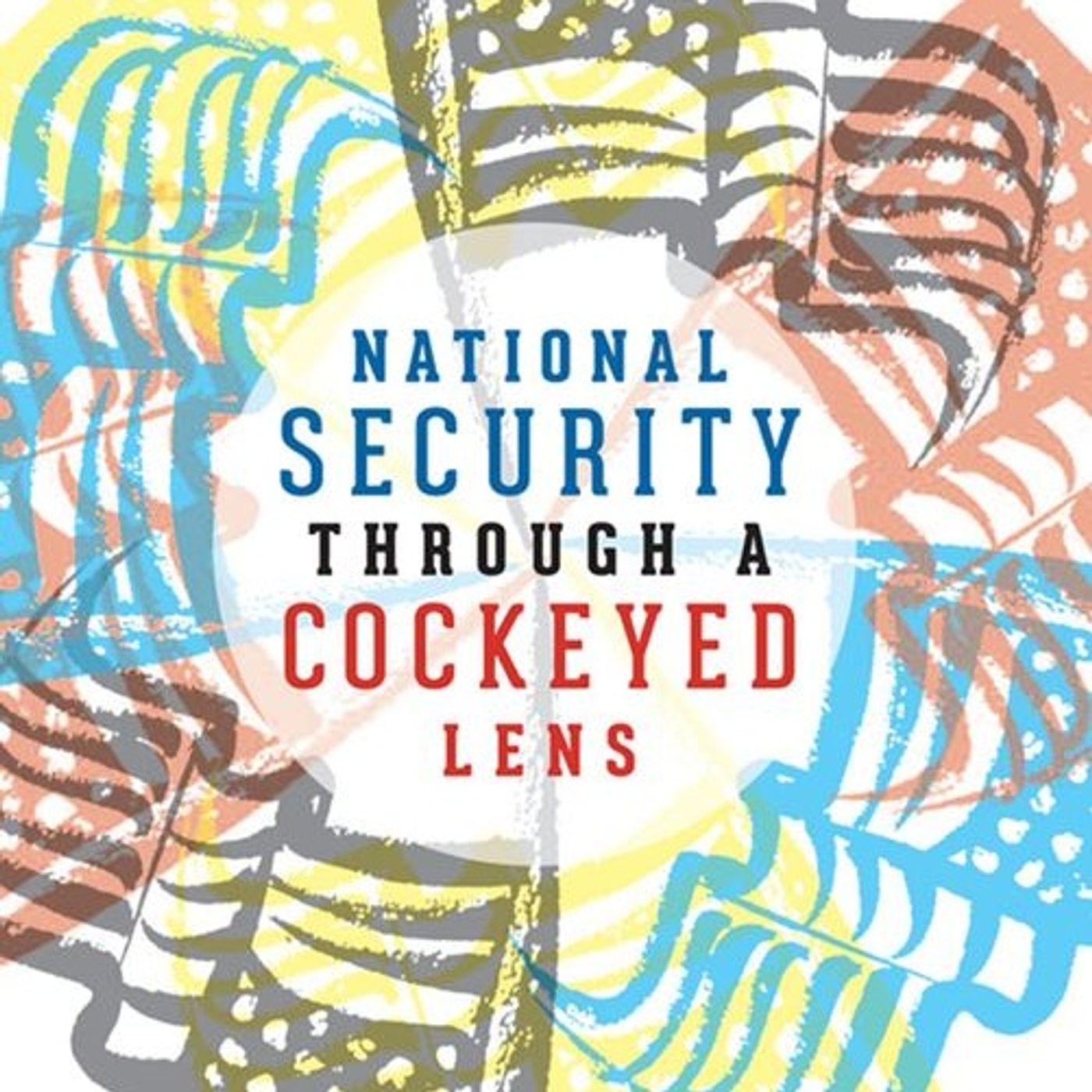
National Security through a Cockeyed Lens: How Cognitive Bias Impacts U.S. Foreign Policy
About this episode
Explores how cognitive biases impact national security decision-making, particularly focusing on U.S. foreign policy. The book examines several historical cases, including Afghanistan and the Soviet invasion, the Iran-Contra affair, radical terrorism's worldview, and the 2003 invasion of Iraq, to illustrate how biases like overconfidence, confirmation bias, focusing illusion, and short-term thinking influence leaders' perceptions and actions. It also discusses the U.S. energy policy as a case study for short-term bias, and concludes by offering strategies to mitigate these cognitive errors for more effective decision-making. The overarching theme is the systematic deviation from rational thought in critical international relations contexts.
You can listen and download our episodes for free on more than 10 different platforms:
https://linktr.ee/book_shelter
Get the Book now from Amazon:
https://www.amazon.com/National-Security-through-Cockeyed-Lens/dp/1421411253?&linkCode=ll1&tag=cvthunderx-20&linkId=d0687f6d72b0d2dc9f7d187e9fe64b14&language=en_US&ref_=as_li_ss_tl
Produced by Podcai Studio:
https://www.podcaistudio.com/
You can listen and download our episodes for free on more than 10 different platforms:
https://linktr.ee/book_shelter
Get the Book now from Amazon:
https://www.amazon.com/National-Security-through-Cockeyed-Lens/dp/1421411253?&linkCode=ll1&tag=cvthunderx-20&linkId=d0687f6d72b0d2dc9f7d187e9fe64b14&language=en_US&ref_=as_li_ss_tl
Produced by Podcai Studio:
https://www.podcaistudio.com/
Get every episode summarized
Each time Book Shelter publishes, we email you a written briefing from the transcript — the topics, who appeared, and any specific claims, with the ad reads skipped.
Email me new episodesFree for 3 shows. No card needed.
No transcript yet
This episode has not been transcribed. Request it and it moves to the front of the queue.
More episodes


