scienceAug 10, 202614:02pending
Mirror cells could threaten life on Earth. Why are we building them?
About this episode
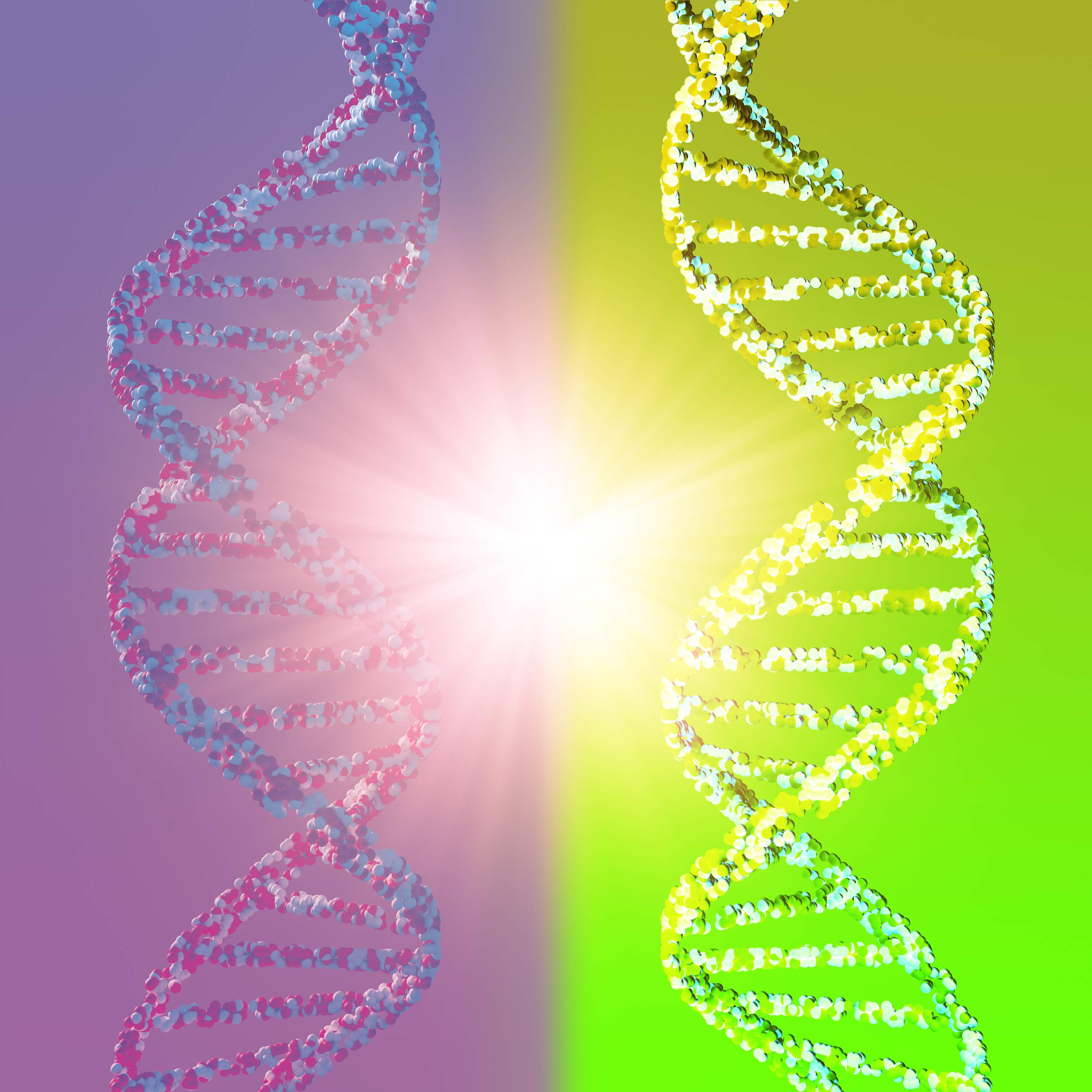
For people with two hands, one is usually dominant. On a molecular level, earthly life takes this to the extreme. All of the DNA in living things twists to the right, whereas the protein building blocks favor a kind of left-handed chemistry.
The rules of life are based on this chemistry.
In recent years, scientists have worked toward a kind of mirror version of life. Currently, the technology doesn't exist to make mirror life at the cellular level — and likely won't for at least a decade. Still, a group of scientists is concerned enough about the possibility that they've published a 299-page technical report calling for a stop to the science.
In this encore episode for our Tech Camp series, host Regina Barber talks to Carl Zimmer, a science reporter at The New York Times, about his reporting on mirror cells — and why creating them could lead to devastating consequences for life on Earth.
Check out Carl's full article.
Curious about other controversial research? Email us at [email protected].
Support public media with NPR+ and enjoy perks for over 25 podcasts like this one. This show’s perks include sponsor-free listening. Learn more at plus.npr.org.
See pcm.adswizz.com for information about our collection and use of personal data for sponsorship and to manage your podcast sponsorship preferences.
NPR Privacy Policy
The rules of life are based on this chemistry.
In recent years, scientists have worked toward a kind of mirror version of life. Currently, the technology doesn't exist to make mirror life at the cellular level — and likely won't for at least a decade. Still, a group of scientists is concerned enough about the possibility that they've published a 299-page technical report calling for a stop to the science.
In this encore episode for our Tech Camp series, host Regina Barber talks to Carl Zimmer, a science reporter at The New York Times, about his reporting on mirror cells — and why creating them could lead to devastating consequences for life on Earth.
Check out Carl's full article.
Curious about other controversial research? Email us at [email protected].
Support public media with NPR+ and enjoy perks for over 25 podcasts like this one. This show’s perks include sponsor-free listening. Learn more at plus.npr.org.
See pcm.adswizz.com for information about our collection and use of personal data for sponsorship and to manage your podcast sponsorship preferences.
NPR Privacy Policy
Get every episode summarized
Each time Short Wave publishes, we email you a written briefing from the transcript — the topics, who appeared, and any specific claims, with the ad reads skipped.
Email me new episodesFree for 3 shows. No card needed.
Hosts & guests

No transcript yet
This episode has not been transcribed. Request it and it moves to the front of the queue.
More episodes
More from Short Wave

A new investigation shows heat is even deadlier than we thought
Short Wave
Sep 4, 202614:45completed

The science of emotional regulation — and how to do it better
Short Wave
Sep 2, 202612:29pending

What can seashells teach us about the health of our oceans?
Short Wave
Sep 1, 202613:10pending

Football is here – and so is a new study on CTE
Short Wave
Aug 31, 202615:01pending