About this episode
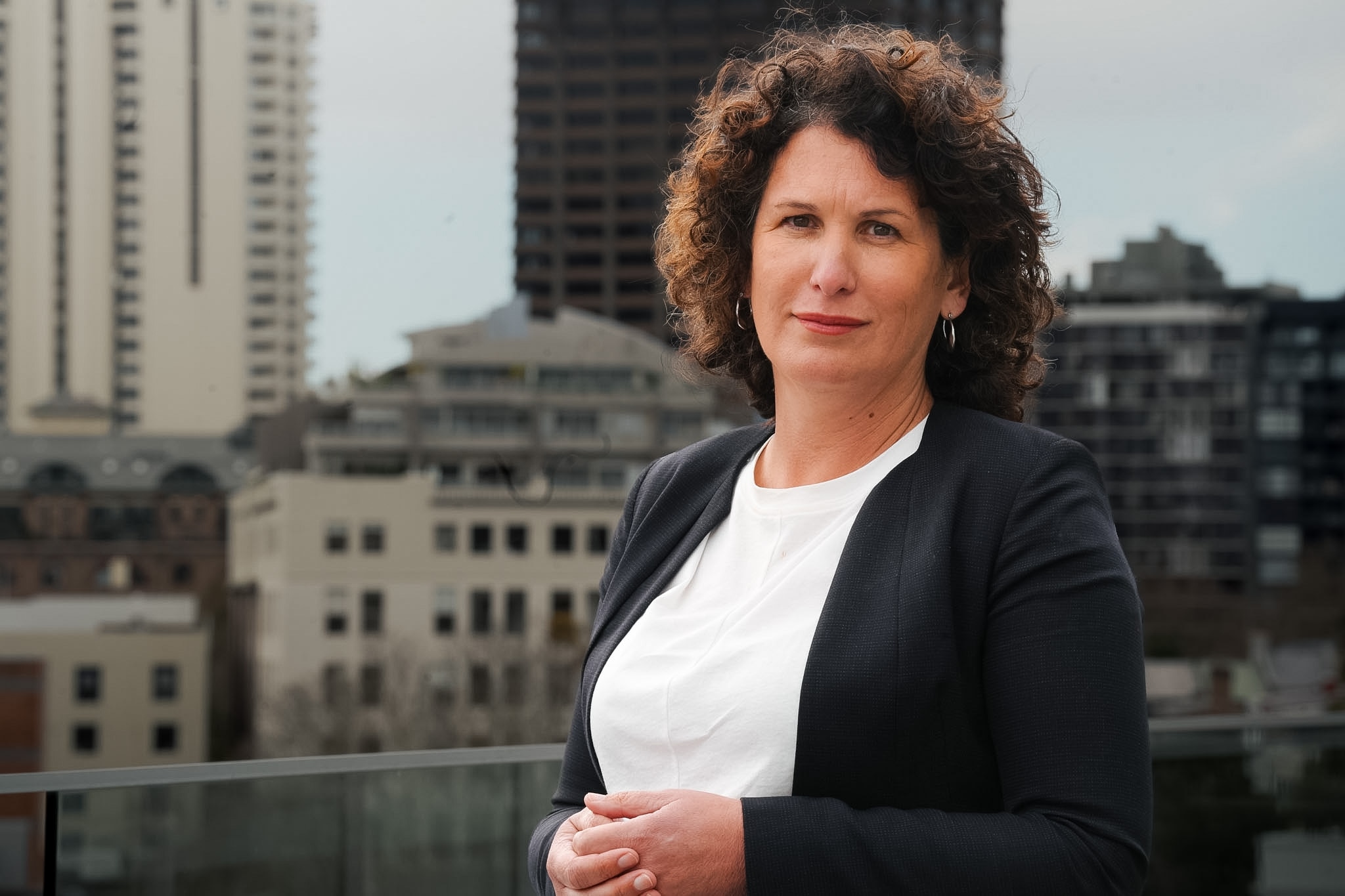
Melissa Donnelly says the cost of living and the AI boom are some of her priorities.
Get every episode summarized
Each time Radio National Breakfast publishes, we email you a written briefing from the transcript — the topics, who appeared, and any specific claims, with the ad reads skipped.
Email me new episodesFree for 3 shows. No card needed.
Hosts & guests
Transcript ready
53 searchable segments. Every word is indexed and playable.
Full transcript
Radio National Breakfast — Melissa Donnelly takes reins at ACTU. Machine-transcribed; use the interactive transcript above to jump the player to any line.
Well, Australia's peak union body has told a Senate inquiry this week that home ownership has been, quote, turned into a speculative investment by professional landlords. It now wants two-year rental leases as a national standard and one in ten new homes to be public. Housing is just one issue of many in the intray for the new Secretary of the Australian Council of Trade unions, Melissa Donnelly. Melissa Donnelly, welcome to breakfast. Thanks for having me, Sally. Before we get to housing, your predecessor, Sally McManus, spent almost a decade in the role. What do you draw from her time in office and which ways do you think you'll be handling this job differently? I think Sally has done an extraordinary job on behalf of union members and workers in this country. If you think about the time she has led the ACTU and the union movement, we've gone through COVID, which was a particularly challenging time for workers.
Frontline workers really bearing the brunt of some of those risks at that time. Sally's led the movement through a period where we've achieved significant workplace rights, union members of campaign for and one workplace rights. That's seen lifts in the minimum wage and the number of workers covered by collective agreements, for example, as well as same jobs, same pay provisions. So there's a range of really significant achievements that Sally has been able to secure. I think in coming into this role for me, the immediate intray, as you say, is the cost of living pressures that are facing workers and making sure that we are meeting those issues for workers, but also dealing with some of the bigger issues on the agenda, like AI and ensuring workers have a fair say and are protected in that process. Private sector union density is currently under 8%. You've come from the public sector union, the CPSU. How do you draw in private sector workers into the union movement when they've largely
stopped joining up? Well, I think that we do have some positive news as a union movement on this front in the between 2022 and 2024 union membership has actually grown and it's grown both in the public and private sectors and that growth has really been driven by younger people. 87% of those new members are under the age of 35 and I think people join unions when they can see unions delivering results for them and meeting their issues in the workplace and union negotiated collective agreements delivered $250 a week more. Unions can deliver the outcomes that workers want and our job is to get out there and get that message out. How important are the key relationships for you as the new secretary of the AC to you? Those relationships with government but also with business? Well, it's always important being a union leader and I've been a union leader for a number of years now to have relationships that are direct. I've a very clear job whether it's
dealing with government or dealing with business or and business lobby groups. My job is to advocate for workers and union members and that's the way I'll take up those issues. It's always good to try to find common ground but I have a very clear mandate about what we need to achieve on behalf of workers. Victorian police are investigating alleged corruption. They rated the CFMU headquarters in Melbourne just days before you started in this new role and the state government in Victoria's launched a Royal Commission into the construction industry off the back of a ledge misconduct indicated by instigated by the CFMU construction and general division. Does this mean your leadership needs to focus on restoring some public confidence in the trade union movement when these stories and these issues persist? Well, firstly, I want to say that the union movement has zero tolerance for corruption and violence and that's not going to change under my leadership. There's obviously been a range of issues and the union movement has taken a very clear position on those matters. It's important in respect of the CFMU and the construction industry
that we can't have a clean union if there's not a clean industry and construction workers, you know, working a really dangerous and difficult industry, a quarter of all workplace fatalities occur in that industry. They deserve a strong union fighting for their safety and rights, but also a clean industry with employers doing the right thing as well. The reality more broadly is that the average union member is actually a woman in the 40s is probably a working mum, much like myself and, you know, is managing all the WhatsApp chats you're on for your kids as well as your day job and our job really is to, you know, talk to workers about the breadth and diversity of our membership and what we do as unions on behalf of them to look after the network. Melissa Donnelly, thank you for joining me this morning. Thank you, Sally.
More episodes
More from Radio National Breakfast

Breakfast Wrap: How unified is the Pacific?
Radio National Breakfast

The Friday Political Panel
Radio National Breakfast

Gloria Steinem's legacy: reflections from the National Women’s Political Caucus
Radio National Breakfast
Palau President defends turnout at Pacific Island Forum
Radio National Breakfast