Loading...
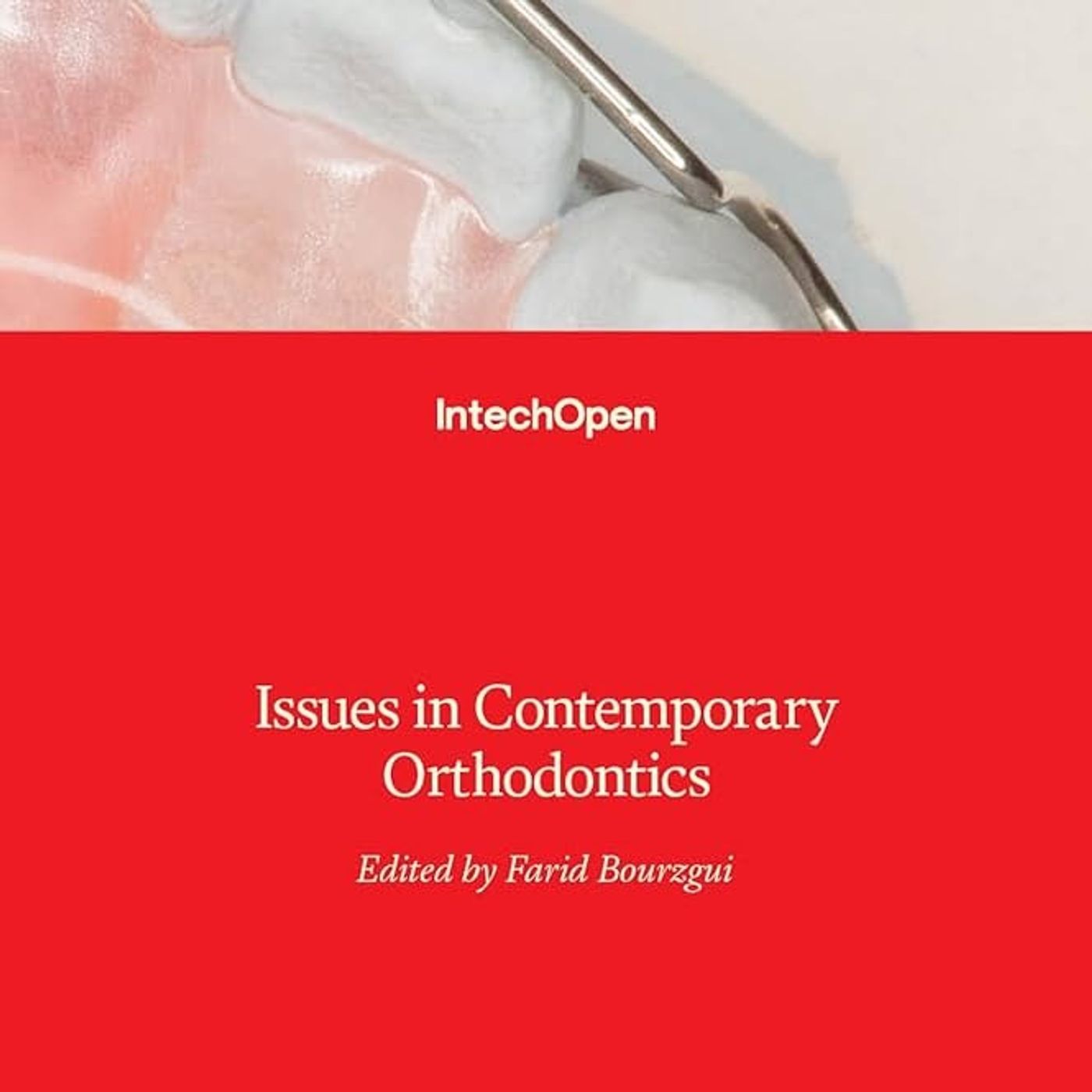
About this episode
Examines modern advancements and clinical challenges within the field of orthodontics. The authors highlight a technological shift toward 3D digital imaging, intraoral scanning, and additive manufacturing, which offer more precise diagnostic tools while reducing radiation exposure. Beyond technology, the research explores biological risk factors, such as the potential link between allergic conditions and increased root resorption during tooth movement. Specialized treatment protocols are also discussed, including the use of micro-implant anchorage and the unique requirements of adult multidisciplinary care. Finally, the sources emphasize the importance of achieving functional stability and periodontal health through precise mandibular positioning and collaborative dental therapies.
Get the Book now from Amazon:
https://www.amazon.com/Issues-Contemporary-Orthodontics-Farid-Bourzgui/dp/9535121618?&linkCode=ll1&tag=cvthunderx-20&linkId=980422ab70037360199869b1ea8e920f&language=en_US&ref_=as_li_ss_tl
You can listen and download our episodes for free on more than 10 different platforms:
https://linktr.ee/dentistry_made_simple
Produced by:
https://www.podcaistudio.com/
Get the Book now from Amazon:
https://www.amazon.com/Issues-Contemporary-Orthodontics-Farid-Bourzgui/dp/9535121618?&linkCode=ll1&tag=cvthunderx-20&linkId=980422ab70037360199869b1ea8e920f&language=en_US&ref_=as_li_ss_tl
You can listen and download our episodes for free on more than 10 different platforms:
https://linktr.ee/dentistry_made_simple
Produced by:
https://www.podcaistudio.com/
Hosts & guests
No transcript yet
This episode has not been transcribed. Request it and it moves to the front of the queue.
More episodes


