About this episode
"It's a small town girls misadventures in Hollywood. And it is both poignant and funny. I think of the essays as like crepes. They're kind of like individually snackable, but collectively filling.
What I love about the essay format is it's kind of propulsive and you move through it with the momentum that I really appreciate as a reader. And so I wanted to write the book that way."
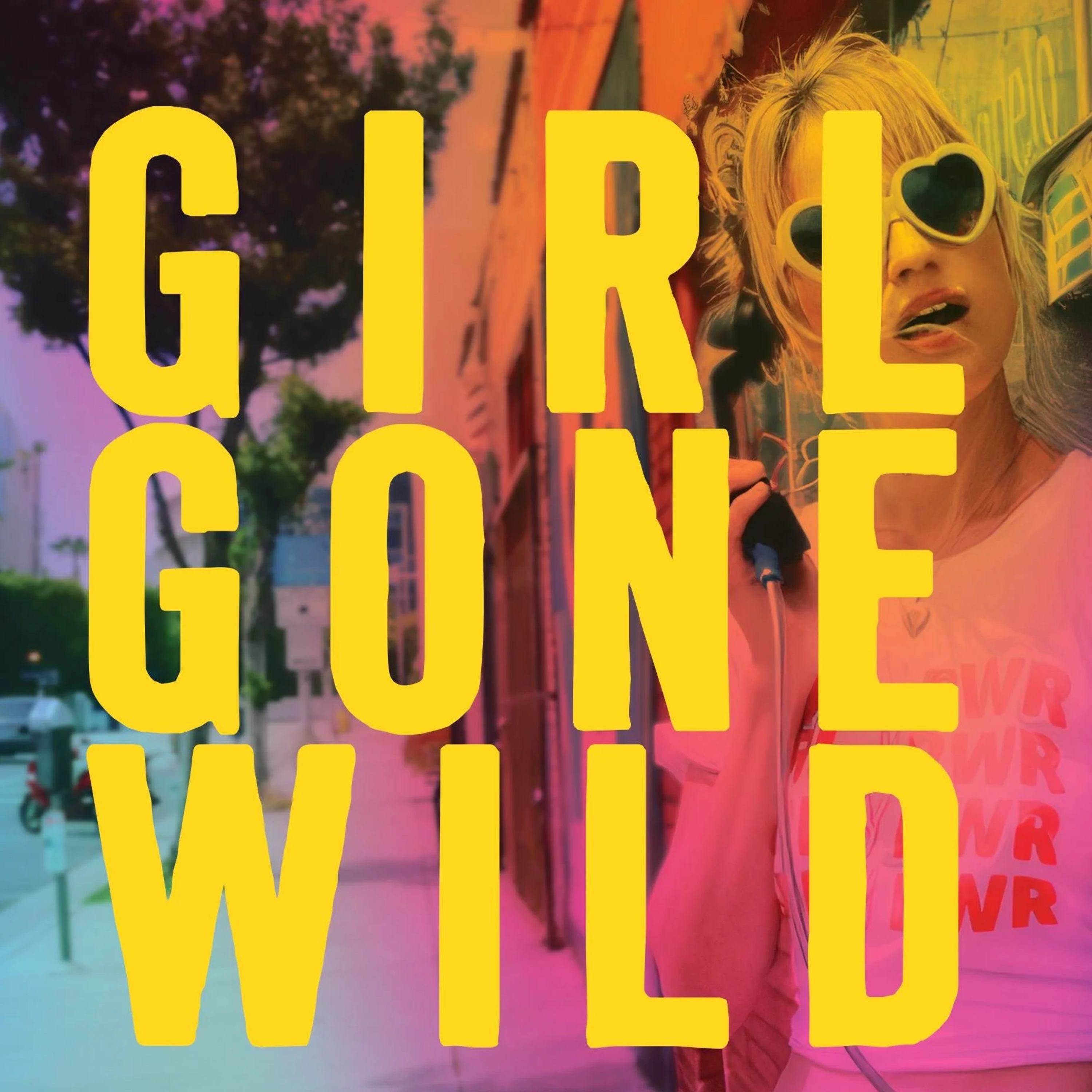
- Author and Podcaster Courtney Kocak, we talk about her upcoming book Girl Gone Wild, a memoir based on a series of essays covering “Tales of ambition, delusion, drugs, sex, and misogyny... including selling T-shirts on the Girls Gone Wild bus”
As well as the book we also talk about Courtney’s varied career, from performing as a stand-up, writing for an animated comedy show as well as her extensive career in podcasting including her show Private Parts Unknown which has had over 2 million downloads and her newsletter Podcast Bestie which is full of ways to make the most of your podcast.
Website: https://www.courtneykocak.com/
Instagram: https://www.instagram.com/courtneykocak/
Girl Gone Wild:
US: https://bookshop.org/p/books/girl-gone-wild-courtney-kocak/
UK: https://uk.bookshop.org/p/books/girl-gone-wild-courtney-kocak/18ae2cd0ad59de93
YouTube: https://www.youtube.com/@PrivatePartsUnknown
Private Parts Unknown Podcast: https://pod.link/1154304419
The Bleeders Podcast: https://pod.link/1628014529
Podcast Bestie Substack: https://podcastbestie.substack.com/welcome
Find More about ‘Making Creativity Pay’
Instagram: https://www.instagram.com/makingcreativitypay/
LinkedIn: https://www.linkedin.com/in/danjbarnett/
Making Creativity Pay Newsletter: https://makingcreativitypay.substack.com/
Get every episode summarized
Each time Making Creativity Pay publishes, we email you a written briefing from the transcript — the topics, who appeared, and any specific claims, with the ad reads skipped.
Email me new episodesFree for 3 shows. No card needed.
Hosts & guests
Transcript ready
457 searchable segments. Every word is indexed and playable.
Full transcript
Making Creativity Pay — Girl Gone Wild - Courtney Kocak. Machine-transcribed; use the interactive transcript above to jump the player to any line.
Hello and welcome to Making Creativity Pay, the podcast where we talk to people in creative industries about how they promote the market their work. I'm Dan Barnett and this episode is spoke with author and podcaster Courtney Cocheck. We talk about a upcoming book, Girl Gone Wild, a memoir based on a series of essays covering tales of ambition, delusion, drugs, sex and misogyny, including sell-in t-shirts on the Girl Gone Wild bus. As well as the book, we also talk about Courtney's varied career, from performing as a standup to writing for an animated comedy show, as well as their extensive career in podcasting, including a show Private Parts Unknown, which is at over 2 million downloads, and her newsletter podcast Bestie, which is full of ways to make the most of your podcast. I started asking Courtney to give a brief introduction about herself. Hello, I am Courtney Cocheck, I'm a writer, podcaster and comedian. I flip back and forth between Austin and Los Angeles and I'm very excited to have my debut memoir Girl Gone Wild coming out on April 1st, so I'm venturing into a whole
new world. Yeah, you're right, bang smack in the middle of kind of promoting it and kind of getting it out. I don't know if you wanted to quickly talk about the book itself, how it came together. I would say like 15 years ago, it was actually almost exactly 15 years ago, in March 2011. I wrote my first non-academic essay of my adulthood, and I had recently pivoted from frustrated actor to screenwriter, trying to create opportunities for myself, and then I was going through a breakup. And so to process that, I wrote this essay, and that's when I realized like, oh, this writing thing, and this memoir thing in specific is something that I really want to do. And so that's when the germ was planted in my mind, and then I mean, it's taken 15 years to make it a reality, but I've been working very hard in the meantime on craft and just
becoming a better essayist, and I wasn't necessarily ready to talk about all of the things in the book. I call it an unwitting feminist coming of age, because it's really about trying to make it and being ambitious, but it's also about all the obstacle course that women can encounter from society on their way to becoming the women that they want to be. And so some of those things include sexual assaults and abortion, and I sold t-shirts on the girls gone wild to her. I encountered things in the entertainment industry that weren't amazing. And so it tells some of those stories, and then there are happier stories in the book, too. But that's a large part of what it's about.
And so it was also not just me getting ready to write the book craft wise, but also becoming a wise enough person that I was able to tell the story in the way that it deserved to be told. Sure. And you say it's been a long time in the making, and the girl's gone wild, a memoir. And imagine you'd still say you still have a lot to give. So why kind of now, it's not like an end and a kind of review of your life, as it were? Yeah. I feel like we are in this kind of extended coming of age now. Your 20s used to be kind of the end of the road, but really, I think your 30s are still a lot of finding yourself. And so when I hit 40, I was like, OK, I think I'm a woman. Now, and so that felt like a really natural kind of cut off point to the book. And I felt like I had come into my own at that point.
And so it really covers birth through 40. And I reinforced that, you know, as you say, like in a memoir, you are arbitrarily creating boundaries around your life that don't really exist. I'm still here. I'm still living and learning and making mistakes. And I do have more books in me, and I will tell more of the story later. But for this story, like the metamorphosis from girl to woman felt very natural to cut off my 40. Yeah. And you say it's kind of a series of essays. Did you have kind of trouble kind of choosing what bits to pick and kind of how to fit it all together into a, into a, in overall narrative? That process, I mean, it wasn't perfect. It was, there are definitely things that got cut. And some things that got cut from the first rough draft that I wrote are eating disorder
related. Like, there's a little bit of that in the book, but there's a lot more to say. And I wound up realizing, like, that's, that's a separate narrative. And so that's actually a part of my second memoir that I'm working on right now, or I will be returning to after I finish this promotional period. But writing that extra stuff and putting it in there at the beginning was instructive for me to realize, like, oh, that's actually the narrative is too full. And so just really deciding, like, the spine of it is this feminist coming of age and like, and this quest, like the quest of the book is about trying to make it and like, landing on those two things really helped me identify, like, what fits in the book and what doesn't. And there were still things that I loved. I wrote this essay, me and Amy Pascal's pubes, which does, it talks about aging and it
talks about the entertainment industry. And it just was too much. So like, some of it too was just like, how all the pieces fit together. I love the memoir and essay's format. I think it's the perfect first book format because you can work on all these pieces kind of individually before you work on them holistically. And so that structure really suited me for this, this first book. Towards the end, it became, you know, there would be like, oh, I think there's a little gap here that I want to fill in or like, I originally just had one intermission. And I was like, I think there needs to be, this is a three act play and really there needs to be another intermission. So it was just kind of in working on it holistically that I wound up realizing where those gaps were in the later stages.
And in terms of getting the book published, getting the book deal, I saw, it was kind of announced, it was almost a year ago now. So obviously there's a, there's a long lead time in putting it together and then also then obviously getting the finished article out. I mean, how did you find the process in terms of, you know, kind of speaking to people, searching the story and kind of how much it's changed since, since you, since you started doing that? Yeah. Actually, that's very fast for a book to come out in, in under a year. It was sort of breakneck speed for my publisher and for me. But I really felt kind of strongly that I wanted to get started on this publishing journey. The, I found my publisher through a contest actually. I wound up publishing with Trio House Press. They're a small press based out of Minneapolis. And I grew up in Minnesota, which very much attracted me to the press. But after I finished in 2020, I finished the rough draft I was telling, I was speaking
about in 2023, I finished like a more comprehensive draft where I'd pulled out the eating disorder stuff and I had landed on the epilogue and it really felt like kind of complete in a way. There were still some things that got revised after that. But after that draft, I started submitting to like Santa Fe Writers Project and Trio House Press and a number of other small presses on my own. At that point, I had had a fancy agent in New York. We'd gone out with another project that had, didn't quite land. And I had realized through that process that like, I didn't know if I wanted to work with an agent again. And so I really, very halfheartedly sent out a couple queries to find another agent.
And I just really did, I really hate that process. Most of my career, I've had a number of agents and I have never really loved those relationships. Maybe I just have not found the right one. But I've had a very independent career where I have found a lot of my own opportunities. And I really felt like to tell, I know a lot of published authors who I'd taken classes from, etc. and I found the people that had the most freedom and flexibility in the way that their stories were told, published with small presses. And so I really had a hunch that maybe that was going to be the case for my book. So I had been, like I said, submitting to these contests. I was, I made the long list for Santa Fe Writers Project. I was a finalist with Trio House Press. I got a really nice rejection from Chris who runs the press.
I didn't win, but she was like, I loved this. I just feel like it's not quite ready. We don't have the bandwidth, but like this is what I love about it and that email sort of broke my heart. But even though I knew it was like a great sign. So I didn't respond at the moment. I just was like, okay, I feel like I'm on the right path. And I worked on another revision and I ran into Chris at AWP, which is a writer's conference. Last. I think it was the end of March, I believe. And I was not wanting to, I was not feeling very social when I was at this conference. But I went through all the booksellers and I was like taking pictures of different booksellers. I might want to submit to and I was like, my one goal is really to say hi to Chris and thank her. I was ready to thank her for that email. And we had a really nice conversation.
It was just like five or ten minutes. And then I got an email from her two weeks later and she was like, can't stop thinking about your book. And what was great about the timing of it is like I was in, I had just done a project, a podcast project where I had to negotiate a contract. So I was really in the mind space of negotiating a good contract then, which if I would have gotten the deal back when I was a finalist, I don't know if I would have been able to negotiate the same kind of contract. So I'm kind of happy that there was that gap. And I also had been working on this revision. So the book was like so much better than it had been. And so she really had very few notes for me by the time she was doing her editorial feedback. I still had a lot of stuff that I wanted to, like ways that I wanted to improve the book.
So I did spend, you know, basically from July to, I spent all of July, all of August, all of September, revising the book, like slow and steady. Then I did another pass on the book in like late November through, almost through Christmas. And then I did also find some errors while I was recording the audiobook that just got fixed at the last minute, but that's basically been the revision process since then. Actually, on that with a, what got some audiobook, is that going to go on Spotify or is that going to be just, I do believe it is going to go on Spotify. I think it'll also be on Audible and I supporting cast, I've been talking to them and they actually have a very like creator-friendly way to distribute single downloads.
And so I have not signed a contractor anything yet, but I'm feeling like the version that I sell like on my website will probably be the supporting cast version of the audiobook. And I did hold the audiobook rights and I have been, which I don't recommend producing your own podcast unless you are like an experienced podcaster, because it is not for the faint of heart, it is very hard. How you find in promotion so far, because I said it's, as we speak, it's a couple of weeks to pubs and things, because I know I've kind of heard that pre-sales are a big thing for, for book sales and important in promotion. And I mean, how have you found it all? This is the one, you know, I've had such a great, small press experience so far, I love there not being like a bunch of people between me and the publisher, it's like I can communicate with Chris directly, I had a lot of editorial control, really just because she trusted
me to like, you know, bring it to its fullest, you know, version that it could be. So I've loved the small press experience from all those points of view, however, it's like there's no in-house, you know, marketing, excuse me, there's no in-house marketing and support, like PR support for the book, Trio House does a little bit of sending copies to the Star Tribune or places like that, which helps, but it's a lot of me doing my own PR. I hired Kathleen Schmidt, who writes the publishing confidential on Substack, and she's really great, she knows exactly what she's talking about. And still, even if you hire PR, it's like, I think you will discover that there's so much that you really have to do for yourself,
because nobody is going to care about the nitty-gritty stuff in the way that you will. And so I've been doing a series of videos where I post a video every day for 90 days, leading up to my release. I've been, and I'm really grateful that I've created the platform that I have, it's not huge, but like I have podcast bestie, I have the bleachers, I have my podcast private parts unknown, so I have audiences that I can let them know that I have something coming. I also teach writing and podcasting, and so I've done two pre-order campaigns. One, if they took one of my one-off classes in February or March, a copy of the book was included, and I'm doing another campaign that's wrapping up at the end of this week called the confessional. Basically, if people order 10 copies of the book, then they get to participate in this five-week, two sessions
a week, memoir writing, residency, basically, where I'm going to share all my tips and tricks, and we're going to do some guided writing, and there's going to be Q&A time. And so I really just wanted to create an opportunity to work one on, you know, closely with some of my favorite students that have been with me, and so I have that going on, but there's so much that I cannot control. And also, I'm really happy that I've been podcasting as long as I have, because I also had relationships with, like I'm going on behind the bastards, and I had relationships with other podcasts. I was just on shameless sex, and I would not have made those guest appearances, if I would not have been active in the podcast community. And so I really think also just like as far as tips for other people, it's like make the platform before you launch the book,
like that sort of needs to be in place so that you can tap into that when it's time. Yeah, I think that's a thing, you know, I see sometimes, you know, someone's doing a show with the Edinburgh Fringe or whatever, and then they start an Instagram account, and they've got like 15 followers, anything. But you know, it takes a long time to kind of build that up momentum, and you know, like you said, you've been podcasting for a number of years, and you kind of build that kind of up, and you know, for what, get a bit too, you know, geeky marketing, there's a little bit of flywheel and all that kind of jazz, and it's true, is that you know, it gets easier if you've got that platform to promote from. Yeah, and I'm hoping, you know, I've obviously learned so much promoting this book. So going into the second one, some things that I would do differently are like, you know, I would really allow a longer lead time, like I am wanting to publish again in the next two years, but like I'm not going to, I'm not going to do that a year from now, like that's too close, like I really do need all
of the lead time. And so really just like being strategic about that. Yeah, I think it's helpful. I took another book there, but jump ahead with this one. Do you, could you see the book living in a different form? So whether that's TV, stage, or individual excerpts of particular essays? Yeah, I mean, obviously I'm working on the audio book. So that's going to be the first format. And then I've already written, I also held the TV and Film Rights because I had already written pilot for the Girls Gone Wild section of the book. And so it's good. It's ready. I definitely will be trying to sell that even more intensely than I had been in the past. So that's something that I'll be working on this spring and summer is like trying to find a good producing partner or attaching the right actor or whatever the path of this pilot is to try to make that a reality,
which I'm very excited about pursuing. And you know, I think I can see it living definitely beyond the book. And I'm not sure exactly what that's going to look like yet, but I'm excited about the possibility. Yeah, definitely not. I think I first kind of heard of you through your various podcasting bits. So you know, there's a number of things. There's podcast Bestie, which is about podcasting itself. And then you've got a couple of other podcasts as well. In terms of the medium, what kind of got you into podcasting in the first place? Well, I started, I was a frustrated actor, then I started writing. And in that writing, early writing journey, I started podcasting as a vehicle for comedy because even creating a web series, it's like you need to film stuff. The editing is a little bit more complicated. And so me and my writing partner at the time created this really fun, semi-scripted comedy show called
Voice Males to Self. And each episode was like a day's worth of Voice Males. We played caricatures of ourselves. And then other comedians that we knew played characters in our lives. And it was so fun. And this was like early days. This was like maybe cereal had come out, but like podcasting was there had been like the super early adopters, but this was still pretty early days. And people loved this show. Like it had a smallish but dedicated audience that really enjoyed it. And the episode, and we were doing something that was kind of totally out of the box. And so we did two 20 episode seasons of that show, which was so fun. And that sort of gave me the bug. And then in 2016, I was a frustrated data. Yeah, it was on Tinder and was doing online dating and my best friend at the time. And I did a podcast called Reality Bites, which is really the precursor to private parts
unknown lives on same same feed. So it's been almost 10 years of that show. And it's obviously evolved from reality bites into private parts unknown. I did a bunch of seasons of reality bites. I had some different co-hosts. And then since then, I've been doing it as private parts unknown. I'm going to do a rebrand, I think, for the 10 year anniversary. And I also, as part of my writing journey, started The Bleaders, which is about book writing and publishing and was such a great way for me to learn about writing and connect with other writers that I really admire and grow a platform that way. And I was teaching. And so it just all very much made sense. And I think that's actually a great reason networking can be a great reason to podcast, which I feel like people that have been on my podcast are some of the people that blurbed my book. And so that's
like a great example of how that can be so beneficial. But yeah, I love, I just love the medium. And so as the actual industry of podcasting kind of started to grow, I was like, oh, I could be a professional podcast producer. I know how to make my own shows. And so like 2017, 2018, I was really working on like getting into producing other people's podcasts. So I produced podcasts for celebrities and CEOs and like the Bella twins. I think I'll buy the Garcia twins now, but they're like WWE Hall of Famers and reality stars. I produced their podcast for two years. I produced a show for the CEO of PayPal. I produced a part of a season for girlboss and a bunch of other shows at the time. And then I just kind of hit a wall. I wrote a show for Netflix. I did a show with a big
celebrity that wound up not coming out. Just I did a bunch of things. And then I sort of got to the point where I was like, I'm not getting younger. And like I really want to focus on my own. It takes a lot of time and energy to produce somebody else's show. And so I really just decided like, I want to go back to my own work and do that as much as possible. But I loved all my podcasting experiences and the things that I learned from them. So really that's podcast Bestie came out of my teaching podcasting and my professional producing. And I just was like, I want to keep that conversation going. I would teach like a six six or seven week class. And then I would be like, there's so much more that I want to tell my students. And like what if what if I just I'm not even teaching the class anymore. I just have people that subscribe to my newsletter. And I can sort of like keep the conversation going that way. Keep learning myself. And so really that's what
podcast Bestie has been all about sadly. I mean, when you do so many things, you can't do everything 100% all the time. So for the past like six months or so, I've really just tried to show up every month to serve my paid podcast Bestie audience. So I haven't been doing as much. Like I am looking forward to doing another full season for podcast Bestie. But I just could not do that during book launch. So I'm very much looking forward to going back and being able to speak to my whole email list for that, you know, when when the book is out into the world. And in the world of podcast, I mean, how do you feel it's gone? I mean, do you think it's kind of gone away from its roots? Or is there there's enough space for everyone? And you can kind of do what you want? I do think there is enough space for everyone. People get upset about how saturated the industry got with like celebrities like did every celebrity need a podcast.
And I would say I don't I'm not I'm not mad at them for trying like it is a great medium and like I see especially for comedians. I love we might be drunk. I love Tuesdays with stories. I love stavis world. And for those for like comedians selling tickets at the end of their podcast, that's a brilliant business model. And so like I'm not mad at anybody for for for trying. I think it can be an incredible tool for kind of anybody regardless of what you do in terms of as we were saying like networking like becoming a thought leader in your career, whether you're like an IVF specialist or you know a therapist or a physical trainer like whatever you do, I feel like there's a case for having a podcast if you have like like the personality and desire to do it.
And it can be a really smart way to kind of have that along with the newsletter be sort of like the main hub of your whole ecosystem. So it has the industry gotten kind of saturated. Yes. But I don't necessarily think that that's a bad thing. And I also think you know people try it and not everybody keeps going there. So I mean there's some statistic like you know 80% of podcasts don't make it this is not the correct stat. But something like 80% of podcasts don't make it past 20 episodes or something like that. There are a huge amount of podcasts that just kind of Peter out and like good for you for trying and it's not for everybody and people figure that out I think. If someone was starting now and they were saying you know I need a YouTube channel I need to be on video, I mean would you say that yes that's the way it is now or would you say no just keep keep it simple to start with. I that's so interesting that you say that I just taught a class
and I I'm of two minds about it. I do think there's like the YouTube discoverability mechanisms are way more powerful than pod like on the podcast apps. It's harder to discover shows. But it's a whole nother beast editing video and editing a podcast that's it's it's not the same skill exactly. Audiences don't necessarily want the same thing. How I encourage my students to start playing around with video in a very like low stakes low like production lift kind of a way is through sub stack live. I really think every podcast should have a newsletter and so and you can host your podcast for free on sub stack. So if you're just starting out I think like starting in newsletter with the podcast is a great way to go. And then on sub on sub stack you can also do like sub stack
lives. They are they just built a tool where you can record directly in sub stack. I haven't tried that yet. So I can't say if I recommend it or not. But the great thing about sub stack live and I've done some interviews where I do this. If you check out the private parts unknown I've done it on on the bleaters too. But you can see it really clearly if you check out my private parts unknown sub stack is that what I'll do is I record the podcast interview in sub stack in excuse me squadcast which is what I usually use to record much like you use Riverside. And so I get the good recording. I start there. I migrate over with my guest to sub stack live. We'll start the live. We'll do like the interview in sub stack live. Then we'll go back over and I'll get a slate for them to just make sure I have the proper thing to go at the beginning of the episode. We'll wrap up the
recording. And then what I do is I release the video version which I don't have to edit at all. And people see the sub stack live and they have a different expectation for quality. And it's like totally fine quality. It can auto publish to YouTube. So it can go there directly. The clips get a ton of views. It will automatically generate clips and you can publish four of them automatically. And like the clip, even if you have a very small like my bleeders YouTube is like I have maybe 400 subscribers. Not very big. But I those clips will all get like over a thousand views. And so that's the way that I think it really makes sense to start playing around with video. But beyond that, I think really just focus on making a good audio show. Like that's going to give you I think everything that you want out of podcasting. I don't recommend having two cameras set up and like
having that unless that's the basis of your show. I don't recommend starting podcasting like that. I just kind of say about having a newsletter. Yeah. I mean, I recently got it. But yes, it's then another thing that you have to kind of take off and make sure you do in that concept. Though I will say I say have a newsletter. But I don't think you just even if you squat on the newsletter. So you just having a newsletter that you can say sign up for this. Even if you're not servicing that all the time and you're not like every week or every episode putting out a newsletter. That's okay. The thing about podcasting is you have a very intimate relationship with your audience. Like your audience is listening to your episodes for maybe up to an hour. And so they know you and they trust you and you're in their ear. And that's like an incredible relationship. But you're reliant on them to go back to your RSS feed. That's the only way that you can reach back out to them. But if you have a newsletter, even if you're just collecting their emails,
let's say you have a live show or something or you're up for an award or whatever the case is, even if you have not been emailing them, which nobody's mad if they haven't gotten an email in a while, you can send an email out to people and say, hey, I'm doing this live show, which you would otherwise not have a way to communicate with that audience unless they came back and listened to this specific episode that you said that on. So that is my case study for or that is my argument for why you should have a newsletter not that you need to be emailing them every episode. I was going to say around that, I mean, I find it interesting, you know, people will take different things from what they want. So, you know, like you said, you might have an hours chat with someone. And I know some people who put that out and then also do it like a kind of transcript or an edit transcript. So that might be a 15 minute read. And then other people, it might be a two minute YouTube or a 30 second TikTok even, you know, I guess it's kind of repurposing it and for some people, you know, and half a half a minute, 30 seconds of you is
enough for what they want and then other people, you know, an hour is great. Yeah, yeah. And, you know, people are comfortable on different platforms. So, yeah, I don't have the bandwidth to like be perfect on every platform, but I do try to put out one clip from an episode or, you know, at least every couple weeks reach out to my email list or whatever, even though the real thing that I'm trying to be consistent on is the actual podcast. We were talking earlier, I was kind of saying, you know, there's a number of things you do. And I've kind of found it interesting kind of doing this because I don't come from a creative background myself and very much a numbers guy. But, you know, everyone I speak to in this, they're not just a photographer or an artist or a comedian, they will do a whole range of things within creativity. And I know you do stand-up comedy as well. How do you kind of fit those kind of different things in and do you, are they different bits of you or do they kind of overlap quite a lot? That is a good question.
I'll start with how I execute and that has changed over the years. What I have realized more in the last couple years is like, I can't, I do a lot of things, I can't do everything at one time. So like, I can't do, I'm going to promote the book for 30 minutes. And then I'm going to work on my podcast for 30 minutes. And then I'm going to write a newsletter for 30 minutes. Like, that would just make me crazy. So I can't even try to do that anymore. And what I do instead is I do a lot of batching. And I do a lot of prioritizing what I have going on. And just really focusing on like the one or two or three at the worst case, most important things going on. And so that might look like I have a class coming up. So I have to promote that class. And that might mean a newsletter or that might mean social media posts that I need to schedule or whatever. So that might be one thing that I have going on. I don't want, I don't want to flip in and out of my writing. So like
as I was saying, how I revised for three months, I really tried to clear my whole schedule. And like, I did, I had a little bit of teaching during that time. I obviously had to keep my podcast going. But during that time, I did a lot of reruns on my podcast. So I recycled old episodes with a new intro and outro. And it really did not affect my numbers because a lot of them had been great episodes that just had not, you know, I had kind of a different audience than I had a few years ago. So I could replay those. And I was really strategic about that. And then after I'd finished really like focusing on the book as much as possible, I was out of podcast episodes, right? I needed to refill the tank. And so I just spent like two weeks interviewing like pretty much nonstop for the podcast. And so that then I had so many interviews like for the bleeders, I don't have to do another interview for probably six more months. And I haven't had to do interviews for the past couple
months. So I can be really like, if I want to do one, if something comes up where I want to do one, I can do that. But I knew that I wanted to have so many that I wouldn't have to worry about it for the whole book launch period. I also, like I told you, like I pressed pause on anything non-essential for podcast bestie. I was like, I really, like if I, I want to reach out to the list, like I probably am planning to do something around book launch where I'll send out a newsletter to the full list. But really, I've been, I do a column and Mike does a column, my audio engineer. And so really, we've just been focusing on that for podcast bestie, really serving that paid audience. And I also had front loaded. I did this whole six month from podcast curious to podcast pro email course for podcast best. So I'd really like kind of serviced that list a lot, leading up to when I needed to take a break for the book. And so just really being strategic
about that batching and the prioritization and the sustainability piece of it is really important. I also kind of do the same thing for stand up. It's like I don't always have time to go to open Mike's every week even. And in an ideal world, I would do that. But like I'm launching a book. I was revising a book like it's just not practical. So what I do is I take a class I take Ahmed Berusha's class. Not really that I need to take a class. But what I love about classes for anything for writing as well. Like I teach writing. And also I will occasionally take other people's classes because it gives me a container and other people's deadlines and stuff for me to, you know, I thrive in that environment. So I do that with stand up because what I don't want to happen is I press pause on stand up and I don't write anything for three months or whatever.
Like I want to make sure I'm writing every week, even if I'm not getting up on stage and performing. And so that's why I take this class. So that each week I will be kind of forced to write something and I will have at least one opportunity to perform. So I do that. And then I have a quarterly show, like we always do a show at the end that's at the ice house in Pasadena and it's taped. And so I'm getting new clips. Even when I'm taking a break, I have this like mechanism in place to make sure that I am still up leveling my game. I'm still getting new tape for when I submit to festivals or whatever the case might be. I still have new social media clips. I'm still writing new jokes. And before each showcase, even if I've had to take a break from getting up on doing open mics, like I have because of the book, I will come, like I'm in LA right now and I just did 20. I think
I did 20 open mics in like a week. So I really was like getting up all the time to get my set together and experiment with new things. And then I could have a great show. So that's like another way that I sort of batch as well. And like just okay, it's the showcase is coming up. Like now I really have to singularly focus on this and just really prioritize it. And so I really think that is so helpful. And then as far as like content-wise, do they bleed into each other? I mean, yes. First of all, everything that I'm figuring out for myself creatively, I'm usually trying to figure out a way to teach that to other people, whether that is through my sub-stack or through my actual classes. I really, my parents are teachers. I guess it's kind of natural that I win in that direction. But I never considered that I would want to do that until you know, I got older and it has been so rewarding to help other people on their creative journeys.
So I absolutely love doing that. And so that is very much tied into whatever I'm working on for myself creatively and whatever I'm trying to unlock for myself. I also feel like it's sort of like a kaleidoscope and sometimes I'll deal with the same topic in different ways. Like my stand-up is very feminist. It's like kind of like a raunchy version of feminism, though I'm talking about some of the same issues that I'm talking about on my podcast. I'm just doing it in like a completely different way. And also I'm the some of the same topics that I talk about in my stand-up or on my podcast. I'm also writing about in my book, but obviously I'm writing it first person, it's not interview-based, etc. So it does bleed into each other even though they're all kind of their own distinct thing. So obviously I speak to a quite a lot of comedians on the podcast and the big thing for them is the Edinburgh Fringe. So in my head, you know, you know, saying, you know, with the guy with a hammer, everything looks like a nail, you know,
I talk to people at the end of the fridge, so everything I see, I think that would be a great fringe show. Can you kind of see, you know, whether it's just the experience on the podcast or the book or something else that you could build an hour show around that and would you want to do something like that? Yeah, I feel like some people just go to Fringe and do stand-up, is that correct? Yeah, I mean, you know, there is anything and everything. If you're willing to pay for a venue and they'll take anything, it could be, you know, you've got everything from someone doing an hour crowd work through to, you know, a show where, you know, there's there's jokes, but there is a proper story that runs through it. Yeah, I think I do know some people that have gone just to do stand like in the LAC and I know some people that have gone just kind of seems like doing more stand-up, but then also I know a ton of people that have gone with proper shows, including I think the head of my podcast network is doing a, like, mime kind of show, which it looks very funny.
I haven't not seen it yet. Yeah, you know, I had more kind of visions that I would want to do hour-long, like, one-woman show kind of before I'd started properly doing stand-up. And now my brain just works in such a way that I love, like, I love stand-up. What I do is I wind up writing these, like, pretty extended bits about one thing, but they are, like, distinct bits. So my stand-up is maybe, like, a three-minute bit on this and a three-minute bit. I don't do a lot of, like, one-liners or anything like that. So that's kind of where my mind is right now. I don't have anything calling to me that, like, I need to put this experience into, like, a fringe show, but that's not to say that won't happen. A lot of the best shows seem, like, someone kind of
processing, like, a kind of situation through a show and who's to say that could definitely happen to me and I might want to process it that way. Yeah, I mean, there are a number of times I'll speak to someone and they'll say about some terrible event or some big life-changer thing, and they thought, that'll make a great show. Almost, like, as it's happening, they're in that head, they're thinking, this is great content. But yeah, that definitely happens a lot. Thanks to Courtney for coming on to the podcast. You can find more details in the show notes, but where to find Courtney online and where to get her book. If you enjoyed this, check out our other episodes of a variety of comedians, musicians, authors, and others in creative industries talking about trying to make creativity pay. Thanks for listening.
More episodes


