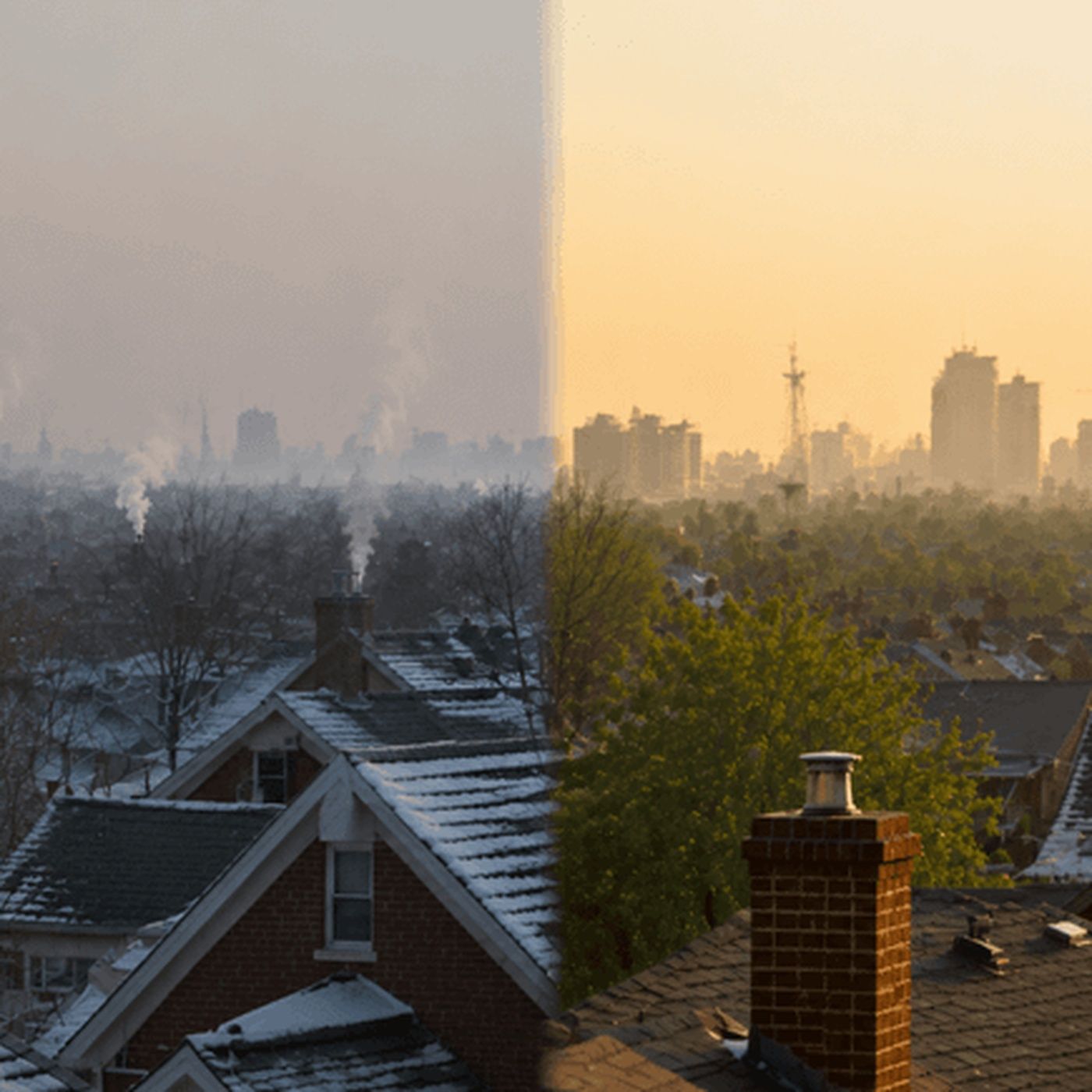
Winter Vs Summer Air Quality: What Actually Changes | Filterbuy
About this episode
Get every episode summarized
Each time Filterbuy.com Audio Blogs Podcast publishes, we email you a written briefing from the transcript — the topics, who appeared, and any specific claims, with the ad reads skipped.
Email me new episodesFree for 3 shows. No card needed.
Hosts & guests
Transcript ready
138 searchable segments. Every word is indexed and playable.
Full transcript
Filterbuy.com Audio Blogs Podcast — Winter Vs Summer Air Quality: What Actually Changes | Filterbuy. Machine-transcribed; use the interactive transcript above to jump the player to any line.
Meet the Red Bull Dragonberry Emergizer. It's one of the many new drinks out now. Who knew ice cold drinks could be so fire? Try them all only at my toes. It's Fall in America. Make it Count at the Ram Drive into Fall sales event. Make it powerful with our strongest Ram 1500 ever. Make it move with the Ram Heavy Duty with an available Cummins Diesel and make it go the distance with a 10 year or 100,000 mile powertrain limited warranty. Hurry in now for great deals during the Ram Drive into Fall sales event. Exclude fully electric vehicles applied to 2026 model year vehicles non transferable visit MoPar.com for complete details on a copy of the powertrain limited warranty. Cummins is a registered trademark of Cummins Inc. Ram and Hemi are registered trademarks of FCAUS LLC. Outdoor air quality, how winter and summer seasons compare by Michelle Wann, reviewed by David Clark licensed HVAC Technician. Readers keep asking a version of the same question. Is the air worse in January or in July? The honest answer is neither. Consistently. It
depends on what's happening in the sky that day. This guide gives you the tools to read those signs yourself. The same way we walk filter by customers through it every season change. Michelle Wann, brand manager and air quality writer. TLDR Outdoor air quality does not get uniformly better or worse across the year. It changes character by season. Other traps pollution near the ground through temperature inversions while summer heat and sunlight drive ground level ozone and wildfire smoke. Both seasons carry real health risks from different pollutants and knowing which one you're in helps you read local AQI numbers correctly and time your filter changes to when your HVAC system works hardest. Key takeaways. Temperature inversions, trap cold, polluted air near the ground on calm winter days and nights preventing normal dispersion. Ground level ozone, the main summer pollutant forms when heat and sunlight react with vehicle and industrial emissions. Wildfire smoke is a major summer and early fall contributor to unhealthy air days across much of the
US. Find particulate matter PM 2.5 rises in winter from wood stoves, fireplaces and vehicle exhausts trapped near the surface. Both ozone and PM 2.5 Worse than asthma and other respiratory conditions, though through different exposure patterns. HVAC systems run hardest during peak heating and cooling months, which is also when filters load up fastest. Quick diagnostics. What's behind today's bad air match? What you're noticing outside to the likely cause, an easy dull sky on a still cold morning. A winter temperature inversion, trapping particle pollution. Shimmering heat and brownish haze worsening by mid afternoon, summer ground level ozone building through the day. Orange tinted sky or a smoky smell in any season, wildfire smoke which can travel hundreds of miles from the source. Dusty smell when your heat or AC first kicks on, a filter that needs checking and a good moment to confirm your filter by filter size before the season's first heavy use week. Whether determines
whether pollutants disperse or accumulate as much as emissions do. The same source is released pollutants year round, but temperature, sunlight, wind and humidity decide whether they clear out or build up through a winter inversion or summer ozone chemistry. Winter versus summer. Air quality comparison factor. Winter summer. Primary pollutant. Find particulate matter. PM 2.5 from heating and vehicle exhaust, ground level ozone and wildfire smoke. Main cause. Temperature inversions trap. Cold air and pollutants near the ground. Heat and sunlight react with nitrogen oxides and VOCs. Peak conditions. Clear calm nights and mornings. Hot sunny afternoons with light wind. Typical timing. Late evening through mid-morning. Mid day through late afternoon. Primary health risk. Prolonged exposure to trapped particle pollution. Airway irritation from ozone and wildfire smoke inhalation. Sources.
USEPA. Airnow.gov. National Weather Service. Winter air pollution. Temperature inversions and particle pollution. Winter air pollution intensifies mainly through temperature inversions, which occur when a layer of warm air settles above cold air near the ground and acts like a lid. Trapping pollutants that would normally rise and disperse. The effect is strongest on clear, calm nights and mornings and worst and valleys where cold air pools. Winter also adds more PM 2.5 as wood stoves, fireplaces and cold start vehicle exhaust release fine particles directly into air that inversions keep from clearing out. Cold filter by we see this indoors too. Homes in inversion prone valleys often pull a dustier, sootier filter after a stretch of still winter weather, even when nothing else about the household has changed. Summer air pollution. Ground level ozone and wildfire smoke. Summer air pollution centers on ground level ozone, which forms when nitrogen oxides and
volatile organic compounds react with heat and sunlight. Because ozone is created by that reaction rather than emitted directly, it builds through the day and peaks on hot, sunny afternoons with light wind. Wildfire smoke is the other defining summer pollutant across much of the country. And wildfire specific PM 2.5 carries stronger respiratory risks than PM 2.5 from other sources. Hospitalizations rose 1.3% to 10% for every 10 micrograms per cubic meter increase in wildfire specific PM 2.5 versus a smaller 0.67 to 1.3% increase for PM 2.5 from other sources. That gap is why smoke days deserve extra caution even when the AQI looks like an ordinary hazy day. We hear a similar story every summer from filter by customers in wildfire prone regions. A filter that looked clean in June can be visibly gray by August, well before its rated change date. The shoulder season overlap. Most
guides. Miss most explanations treat winter and summer air quality as two separate stories with a clean break between them. Real weather rarely cooperates. Early fall can carry the tail end of wildfire season alongside the year's first clear calm nights, the exact set-up for an inversion. Late spring can bring an early ozone spike on an unusually warm afternoon weeks before summer starts on the calendar. Actual conditions on a given day predict the pollutant more reliably than the date. Health impacts. Who winter and summer air quality effect? Most both seasons raise respiratory risk through different exposure patterns. In winter, prolonged exposure to trapped PM 2.5 increases irritation and breathing difficulty, particularly for people with asthma, COPD or heart disease. In summer, ozone irritates the airways directly, and even healthy adults exercising outdoors on high ozone afternoons can experience chest
tightness, coughing, and reduced lung function. Children, older adults, and outdoor workers carry elevated risk in both seasons. What seasonal air quality means for your filter? Change schedule HVAC systems pull in outdoor air and work hardest exactly when outdoor pollution peaks, so filters move more air, and often dirtier air during the coldest and hottest weeks. Checking your filter monthly during those months and changing it at the first sign of dirt rather than waiting the full three keeps the system from working harder than it needs to. Pair that habit with a filter rated to capture fine particles common in both seasons, such as a MIRV 13 air filter. Seasonal filter check schedule season, recommended check frequency. Why it matters? Winter, peak heating, every 30 days, heating systems run longest and pull in air carrying inversion trapped particles. Summer, peak cooling, every 30 days. Cooling systems run longest and pull in ozone season haze and wildfire
smoke. Spring and fall, moderate use. Every 60 to 90 days, lighter system use means the filter loads more slowly. Source. Energy, star, heat, and cool efficiently. In filter buys experience, the calendar is a rough guide at best. The households that stay ahead of both seasons check the filter itself, not just the date on the box. Quote. After manufacturing filters for over a decade and serving more than two million households, we've seen how differently winter and summer air quality problems show up at the register. Winter brings in fine, sweet, and smoke particles trapped by inversions and summer brings ozone by products and wildfire smoke. A filter that handles both means checking it more often during the two seasons when your system works hardest, not just changing it on a fixed calendar. End quote. David H. Cock, founder and CEO, filter by Essential Resources for Understanding Seasonal Air Quality One. Learn exactly how summer ozone forms. The EPA's ozone primer explains the heat and sunlight reaction that drives summer smog
and who faces the highest risk. Two, see how winter air gets trapped near the ground. This air now explainers shows how a temperature inversion locks cold, polluted air in place on a still morning. Three, get a meteorologist's plain language breakdown of inversions. The National Weather Service walks through the clear sky calm wind setup that produces winter inversions. Four, understand what ozone and particle pollution do to your body. The CDC's pollutant guide explains how P, M2.5 and ozone affect the lungs and heart differently by season. Five, find out who faces the highest risk from summer smog. The American Lung Association details how ozone irritates the airways during outdoor activity with guidance for people with asthma, older adults and children. Six, get asthma-specific guidance for both ozone and particle pollution.
The asthma and allergy foundation of America outlines how ozone and particulate matter trigger asthma with AQI thresholds for adjusting activity or medication. Seven, see the research behind wildfire smokes added health risk. This peer-reviewed study found wildfire-specific. P, M2.5 raises respiratory hospitalization rates more sharply than P, M2.5 from other sources. Supporting statistics. One, HVAC filters need monthly checks during peak seasons, shortening the normal 90-day interval to 30 days since heating and cooling systems run longest and load filters faster than. Two, wildfire activity tracked year-round by the National Interagency Fire Center, consistently peaks during the hottest, driest months when ozone and wild fire smoke often stack on top of each other. Three, US household electricity use peaks in July and August, lining up with the months your cooling system works hardest and pulls the most outdoor air through your filter. Explore more from filter by wildfire. Smoke AQI levels, what each AQI
reading means during a smoke event and when to act indoors. AQI ranges explained. What each AQI category from good to hazardous means for your health. MIRV-13. Air filters, filters rated to capture the fine particles common to wildfire smoke and winter particulate matter. Frequently asked questions question. Is air quality worse in winter or summer? Answer, neither season is uniformly worse. Winter concentrates particle pollution near the ground through temperature inversions while summer drives ground level ozone and wildfire smoke. Which season poses a bigger risk depends on your region's climate, heating sources and wildfire exposure. Question, what is a temperature inversion and why does it happen in winter? Answer, a temperature inversion happens when warm air settles above cold air near the surface, reversing the normal pattern and trapping pollutants close to the ground. Inversions form most easily on clear calm winter nights when the ground loses heat faster
than the air above it. Question, why does ozone pollution peak in summer? Answer, ground level ozone forms through a chemical reaction between nitrogen oxides and volatile organic compounds and that reaction speeds up with heat and direct sunlight. Ozone is most likely to reach unhealthy levels on hot, sunny days so concentrations climb through summer afternoons and drop off overnight. Question, should I change my air filter? More often during winter and summer answer. Yes, filter by recommends checking your filter monthly during winter and summer rather than sticking to a flat 90 day schedule since HVAC systems run longest during peak heating and cooling months and filters load up faster during those stretches. That habit catches a dirty filter before it restricts air flow. Meet the Red Bull Dragonberry Emergizer. It's one of the many new drinks out now. Who knew ice cold drinks could be so fire? Try them all only at McDonald's.
More episodes
More from Filterbuy.com Audio Blogs Podcast

Live Air Quality Index AQI Map Tampa, FL Today | Filterbuy.com
Filterbuy.com Audio Blogs Podcast

Live Air Quality Index AQI Map Virginia Beach, VA Today | Filterbuy.com
Filterbuy.com Audio Blogs Podcast

Live Air Quality Index AQI Map Virginia Today | Filterbuy.com
Filterbuy.com Audio Blogs Podcast

Live Air Quality Index AQI Map Kansas City, MO Today | Filterbuy.com
Filterbuy.com Audio Blogs Podcast