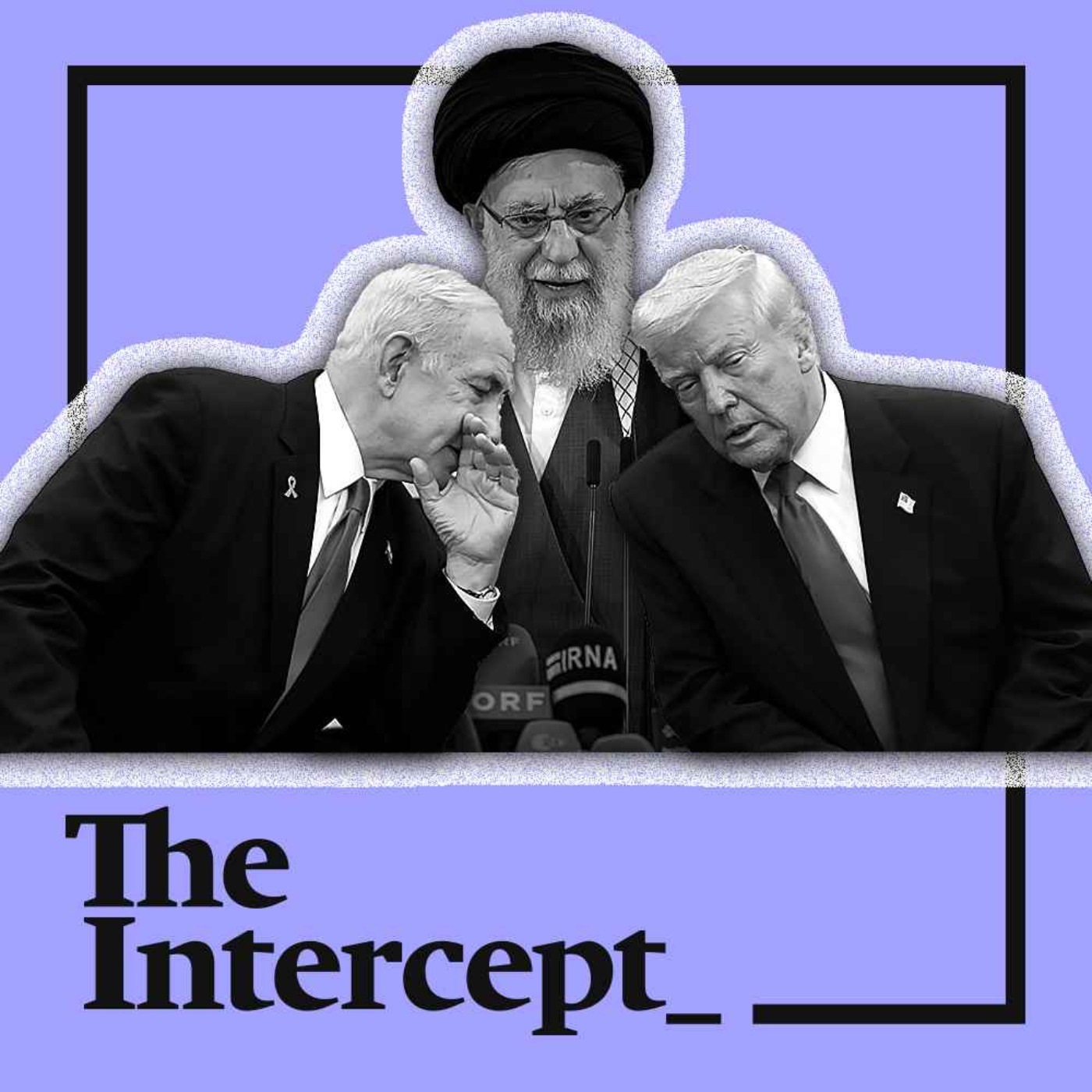
About this episode
A tenuous ceasefire between Israel and Iran announced Monday appears to be holding. President Donald Trump made the announcement after unilaterally dragging the U.S. into the conflict and authorizing strikes on three Iranian nuclear sites using 30,000-pound bunker busters.
Israel attacked Iran on June 13, just days before Iran and the U.S. were set to resume talks in Oman over the country’s nuclear enrichment program.
“ You don't have to be anti-war to understand that diplomacy in this case would've been better,” said Hooman Majd, an Iranian American writer and the author of three books on Iran. Majd is a contributor to NBC News and covered the 2015 Iran deal for the network.
This week on The Intercept Briefing, Majd joins host Akela Lacy to discuss what's left of the path to diplomacy after years of sabotage, from Israel's aggressive military posture to Trump's withdrawal from the 2015 nuclear deal.
You can hear the full conversation of The Intercept Briefing on Apple Podcasts, Spotify, or wherever you listen.
Hosted on Acast. See acast.com/privacy for more information.
Get every episode summarized
Each time The Intercept Briefing publishes, we email you a written briefing from the transcript — the topics, who appeared, and any specific claims, with the ad reads skipped.
Email me new episodesFree for 3 shows. No card needed.
Hosts & guests

No transcript yet
This episode has not been transcribed. Request it and it moves to the front of the queue.
More episodes
More from The Intercept Briefing

25 Years After 9/11, Muslims Are Still Politicians’ Favorite Scapegoat
The Intercept Briefing

Right-Wing Trans Hate Comes for the WNBA
The Intercept Briefing

What American Doctors Saw in Gaza
The Intercept Briefing

Has the Left Really Met Its Limit?
The Intercept Briefing