About this episode
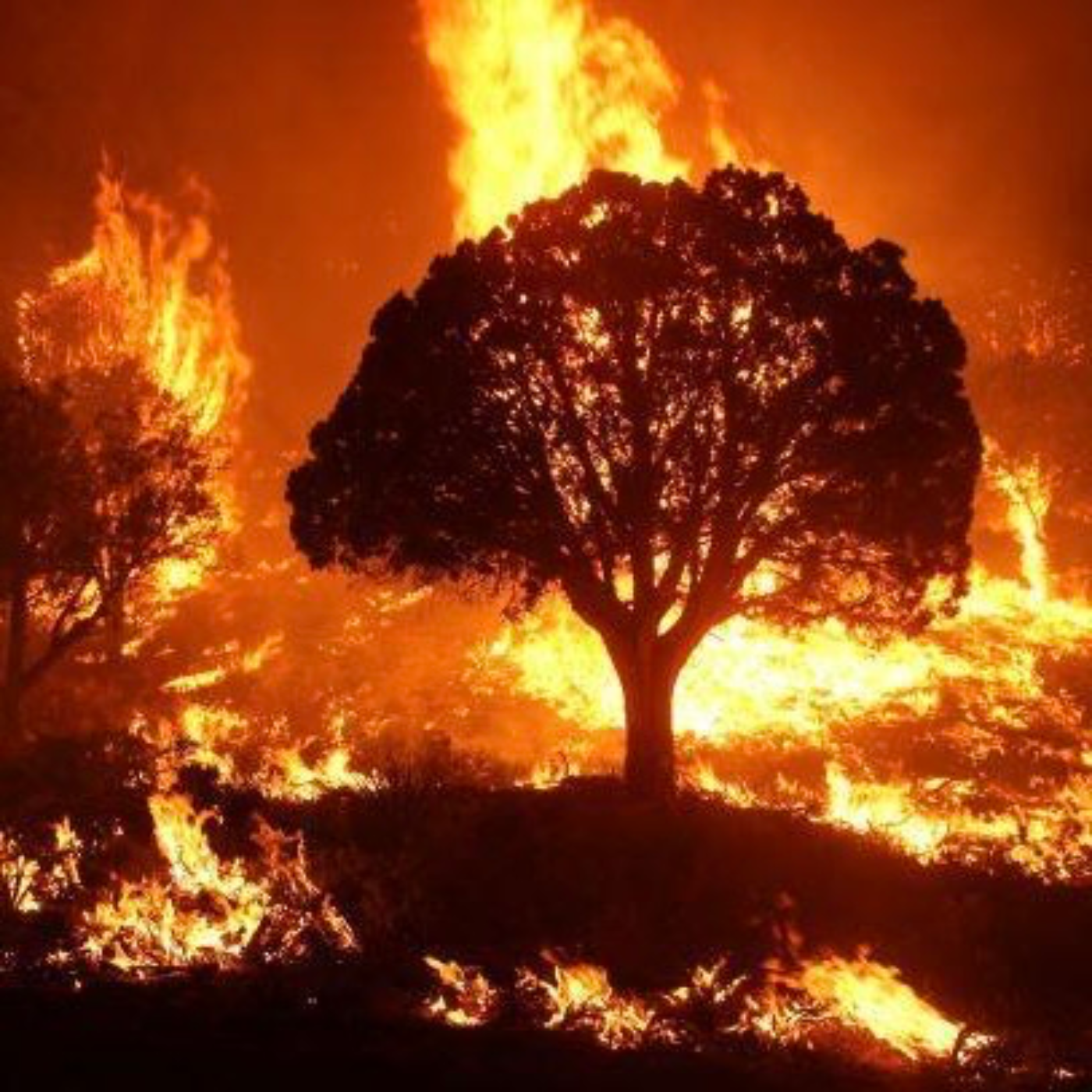
Wildfires and Climate Change
Main Themes:
- Climate Change Fuels Wildfires: Warmer temperatures, drought, and a "thirsty" atmosphere create ideal conditions for larger, more frequent, and more severe wildfires.
- Wildfires Exacerbate Climate Change: Fires release massive amounts of carbon dioxide and destroy carbon sinks like forests, contributing to further warming.
- Expanding Wildfire Season: The traditional wildfire season is extending, with significant fires occurring even in winter months.
- Widespread Impacts: Wildfire smoke impacts air quality and public health far beyond the immediate fire zone.
- Adapting to a New Reality: Communities need to adapt to a future of more frequent and intense wildfires through prevention, mitigation, and building resilience.
Key Facts & Ideas:
Climate Change and Wildfire:
- Climate change has doubled the area burned by wildfires in the western U.S. since the 1980s. (NOAA)
- "Weather whiplash," the rapid shift between wet and dry periods, is intensifying globally due to climate change, exacerbating fire risk. (Washington Post)
- California now has 78 more annual “fire days” than 50 years ago. (CalMatters)
- Drought-stressed trees are more susceptible to insects and diseases, increasing fuel load. (Environmental Defense Fund)
- Shrinking snowpacks and earlier snowmelt further dry out forests. (Environmental Defense Fund)
- Lightning-sparked fires are becoming more common due to climate change. (CalMatters)
Wildfire Impacts:
- Wildfires release massive amounts of pollutants, including black carbon, which is thousands of times more damaging than greenhouse gases. (CalMatters)
- Smoke from wildfires can travel hundreds of miles, affecting air quality and public health even in areas far from the fires. (Covering Climate Now)
- Wildfire smoke is particularly harmful to children. (Covering Climate Now)
- Wildfires destroy forests, which act as carbon sinks, further contributing to climate change. (Covering Climate Now)
- Intense fires can burn deep into the soil, creating risks for future mudslides and flooding. (Covering Climate Now)
Adaptation and Prevention:
- Communities need to adapt to the “Pyrocene,” the age of fire, through fire-resistant building materials, defensible space around homes, and updated building codes. (CalMatters)
- Utilities need to improve infrastructure and vegetation management to prevent power lines from sparking fires. (CalMatters)
- Prescribed burns can help reduce fuel loads and promote healthy forest ecosystems. (Environmental Defense Fund)
- Better forest management and community planning are crucial for reducing wildfire risks. (Environmental Defense Fund)
- Public awareness and education about wildfire risk and prevention are essential. (Covering Climate Now)
Get every episode summarized
Each time Meteorology Matters publishes, we email you a written briefing from the transcript — the topics, who appeared, and any specific claims, with the ad reads skipped.
Email me new episodesFree for 3 shows. No card needed.
No transcript yet
This episode has not been transcribed. Request it and it moves to the front of the queue.
More episodes
More from Meteorology Matters

“Will Hurricane Forecasts Get Worse? Inside the NOAA Budget Cuts
Meteorology Matters
Apr 13, 202632:47failed

Fired, Sued, and Still Forecasting: The Matt Devitt vs WINK News Battle
Meteorology Matters
Apr 4, 202637:38failed

“It Only Takes One”: Why 2026’s Hurricane Season Could Be Worse Than It Looks
Meteorology Matters
Mar 28, 202640:42failed

This Should NOT Be Happening in March… 112° Heat + Hawaii Flood Disaster
Meteorology Matters
Mar 21, 202638:28failed