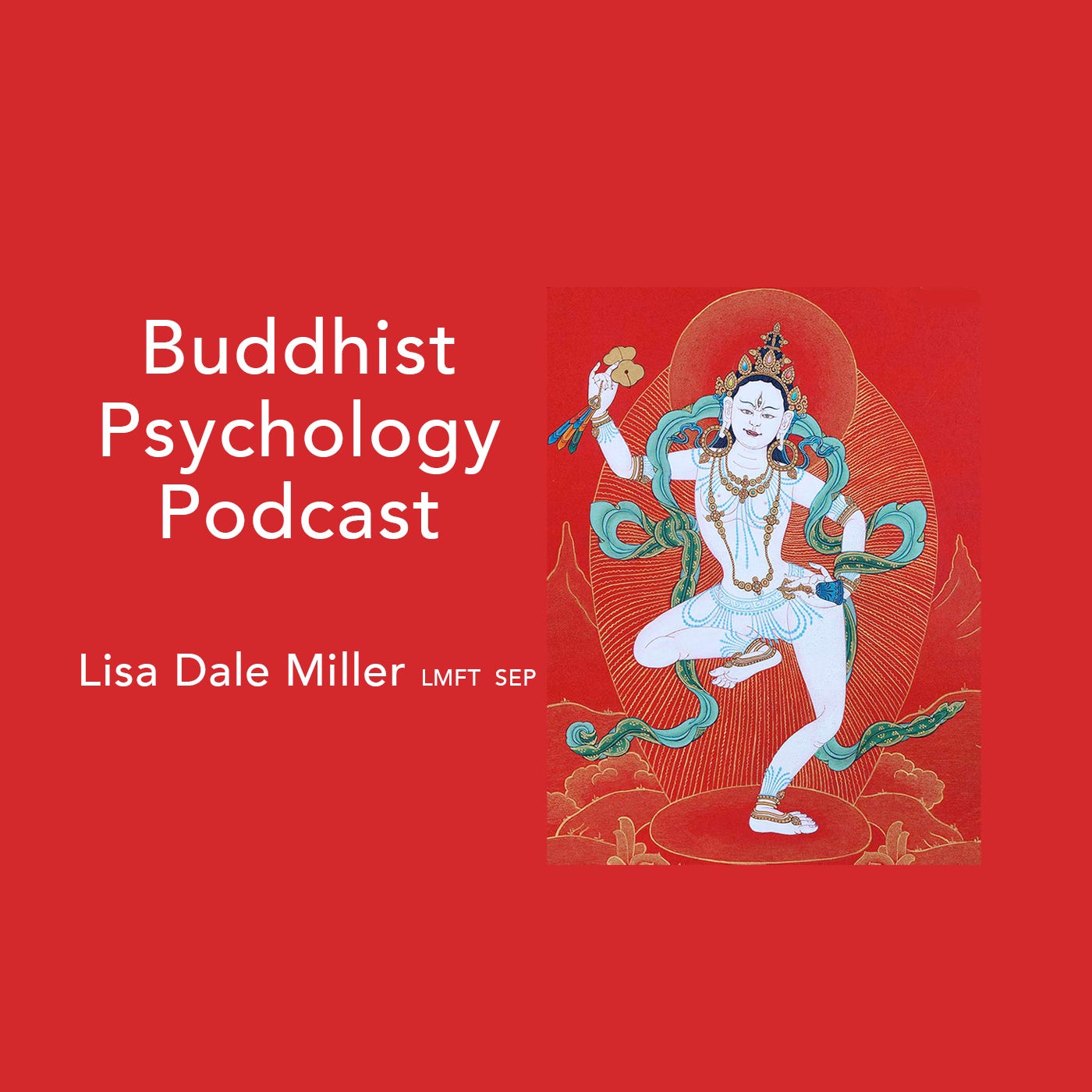
About this episode
Equanimity is a core virtue in Buddhist psychology and is described as both a neutral feeling tone and a mental quality of impartiality or equalness. It is the fourth Brahmavihāra. Equanimity is both a character trait and an active self-regulation skill. Viewed from a modern clinical lens, equanimity builds distress tolerance. Equanimity is not devoid of emotion or emotionally driven reactivity. Its purpose is to facilitate a rapid return from reactivity to cognitive/affective responsiveness. Lisa describes equanimity, its benefits for clinicians and patients, and leads listeners in an equanimity meditation.
This is a public episode. If you would like to discuss this with other subscribers or get access to bonus episodes, visit lisadalemiller.substack.com
Get every episode summarized
Each time Buddhist Psychology Podcast publishes, we email you a written briefing from the transcript — the topics, who appeared, and any specific claims, with the ad reads skipped.
Email me new episodesFree for 3 shows. No card needed.
Hosts & guests
No transcript yet
This episode has not been transcribed. Request it and it moves to the front of the queue.
More episodes
More from Buddhist Psychology Podcast
Cultivating Profound Fearlessness
Buddhist Psychology Podcast
Virtuous Activism
Buddhist Psychology Podcast
Co-creating An Intentional Ending
Buddhist Psychology Podcast
Emptiness and Identity Confusion
Buddhist Psychology Podcast