educationSep 19, 20192:26:35pending
The Use of Enhanced Water/Foam in Firefighting
About this episode
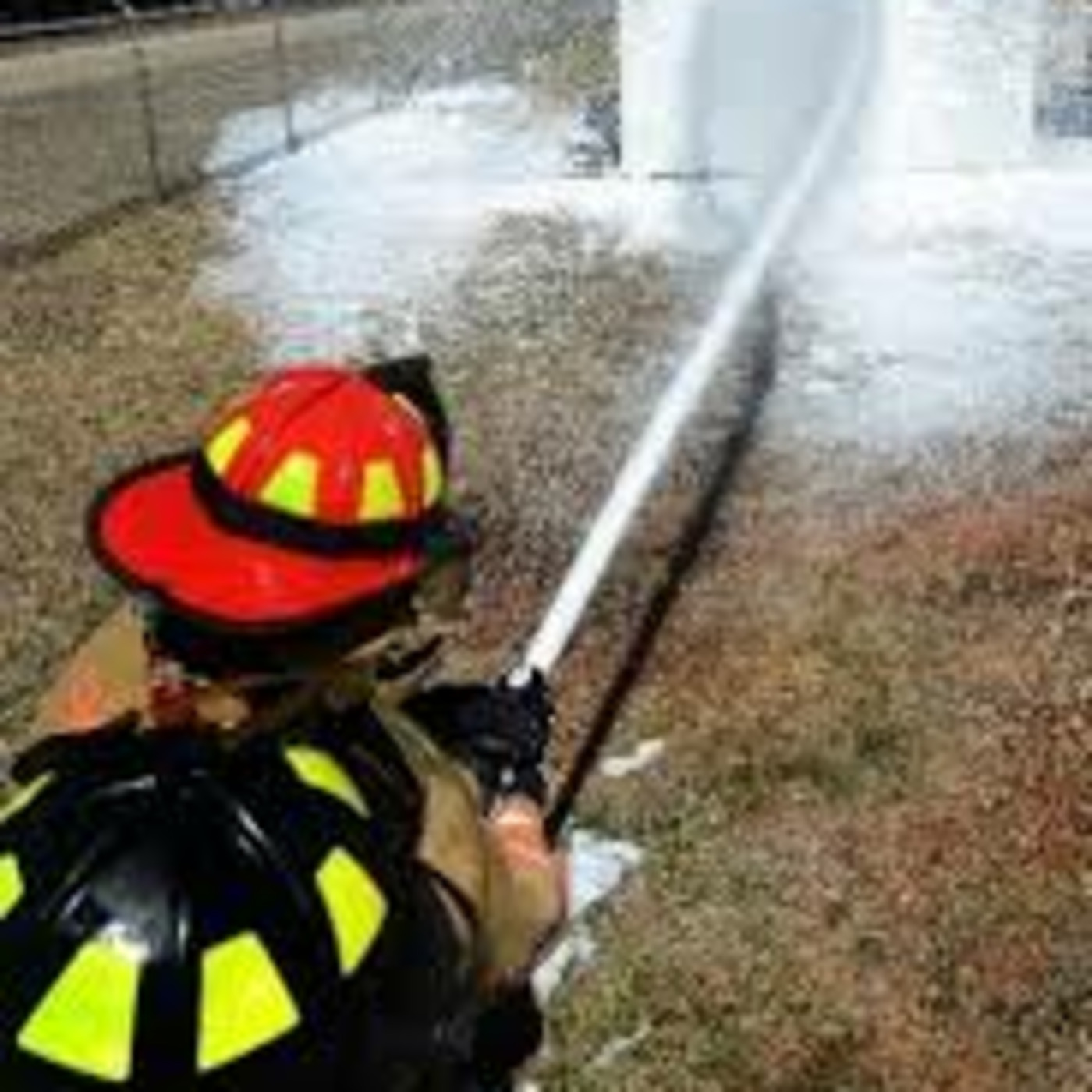
For as long as there have been people, fire and those willing to quench unexpected issues from fire, the basic tenet was “put the wet stuff on the red stuff!” Of course, there were no “classes” given to what was burning until many years later. And to be honest, that premise worked. However, in the last fifty years or so, one of the key issues that has changed is WHAT is burning and what is the safest and most expedient way to snuff these more modern flames.
On this podcast, my guest Chief (ret) Shawn Oke of the Albemarle NC Fire Dept. and a co-founder of the educational effort, “Kill the Flashover.” With nearly thirty years in the fire service, one of Chief Oke’s passion is the use of foam, or for a more accurate description, using “enhanced water streams” for Class A fires, some of which can be utilized when fighting either Class A or Class B fires.*
Tune in as Chief Oke explains the background and development of this relatively modern way of fighting the types of fires we see most of the time and why, your department’s investment in this practice will yield swifter dousing of the flames, less damage to the property and most importantly, the firefighters having exposure time to the dangerous carcinogenic and other toxic particles created in these fires and their heat.
Find us on your favorite podcast platform or on our website, www.dalmatianproductions.tv.
*Class A fires deal with house fires, paper, wood, etc. Class B fires deal with hydrocarbon-based products such as flammable liquids, i.e., gas, oil, kerosene, etc.
On this podcast, my guest Chief (ret) Shawn Oke of the Albemarle NC Fire Dept. and a co-founder of the educational effort, “Kill the Flashover.” With nearly thirty years in the fire service, one of Chief Oke’s passion is the use of foam, or for a more accurate description, using “enhanced water streams” for Class A fires, some of which can be utilized when fighting either Class A or Class B fires.*
Tune in as Chief Oke explains the background and development of this relatively modern way of fighting the types of fires we see most of the time and why, your department’s investment in this practice will yield swifter dousing of the flames, less damage to the property and most importantly, the firefighters having exposure time to the dangerous carcinogenic and other toxic particles created in these fires and their heat.
Find us on your favorite podcast platform or on our website, www.dalmatianproductions.tv.
*Class A fires deal with house fires, paper, wood, etc. Class B fires deal with hydrocarbon-based products such as flammable liquids, i.e., gas, oil, kerosene, etc.
Get every episode summarized
Each time 5-Alarm Task Force! publishes, we email you a written briefing from the transcript — the topics, who appeared, and any specific claims, with the ad reads skipped.
Email me new episodesFree for 3 shows. No card needed.
Hosts & guests
No transcript yet
This episode has not been transcribed. Request it and it moves to the front of the queue.
More episodes
More from 5-Alarm Task Force!
Episode 257: Episode 10-2 - Asst. Chief Chad Costa -The California Fires of 2025
5-Alarm Task Force!
Feb 17, 20261:50:27pending

Episode 256: Episode 10-1 - Learn From One of the Best - Capt. (ret) Mke Daley,...
5-Alarm Task Force!
Nov 21, 20251:10:21pending

Episode 255: Episode 9-18 - Chief Emeritus/Retired Charles Werner - New Technolo...
5-Alarm Task Force!
May 27, 20251:11:04pending

Episode 254: Episode 9-17 - Troy Lachinski - Preparing for NERIS
5-Alarm Task Force!
May 6, 20251:55:43pending