About this episode
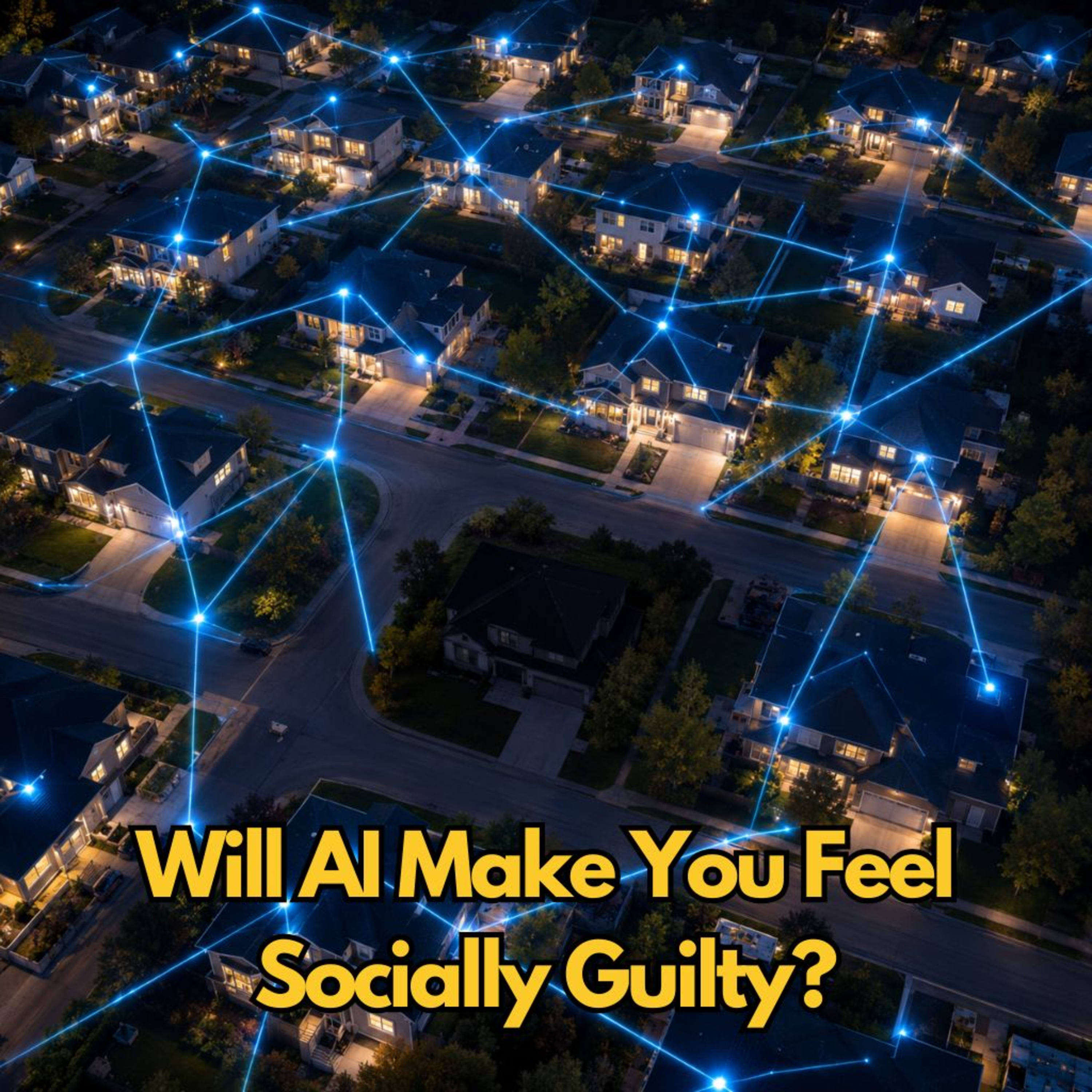
Facebook made refusal lonely. Ring made refusal visible. AI agents may make refusal feel selfish.
A household agent works best when it can coordinate with other people’s agents: school pickups, neighborhood alerts, shared calendars, deliveries, repairs, payments, group plans. The more families connect, the more useful the system becomes. Your camera helps someone else. Your calendar saves another parent. Your agent fills a gap before anyone has to ask.
That changes privacy from a personal boundary into a social negotiation. The holdout is no longer just protecting their home. They may be creating friction for everyone around them.
The Conundrum:
When AI agents turn private household data into shared social infrastructure, does opting out remain a basic right, or does it become a refusal to carry your part of the load? One side protects the home as a place where family life does not need to justify itself to a network. The other protects the trust and coordination that only work when enough people participate. Which obligation comes first: the right to stay unread, or the duty to be counted on?
Get every episode summarized
Each time The Daily AI Show publishes, we email you a written briefing from the transcript — the topics, who appeared, and any specific claims, with the ad reads skipped.
Email me new episodesFree for 3 shows. No card needed.
Hosts & guests
No transcript yet
This episode has not been transcribed. Request it and it moves to the front of the queue.
More episodes
More from The Daily AI Show

10,000 AI Agents Attack One Problem
The Daily AI Show
Our Real Atlas Builds and Use Cases
The Daily AI Show
Can We Truly Control The Alien Mind?
The Daily AI Show

The Democratic Bandwidth Conundrum
The Daily AI Show