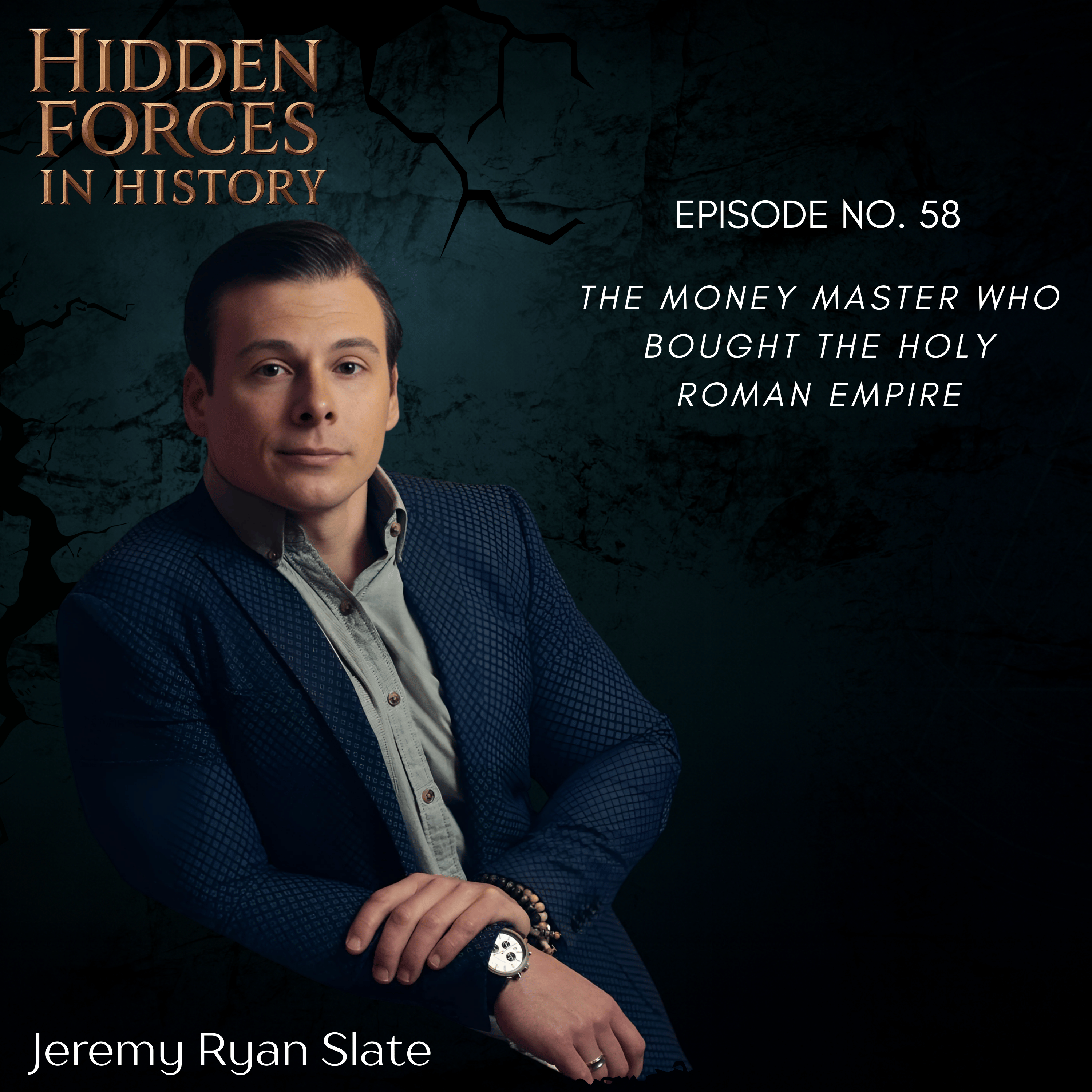
The Money Master Who Bought the Holy Roman Empire
About this episode
Frankfurt, 1519. Seven prince-electors perform a holy ritual—Latin prayers, incense, sacred oaths.
But behind the ceremony is the real mechanism: an auction financed by debt.
In this episode of Hidden Forces in History, we trace how Jakob Fugger and his banking network helped decide who would wear the imperial crown—by underwriting bribes, guaranteeing pensions, and turning future imperial revenue into collateral.
History books say Charles V was chosen by God. The ledgers say he was installed by the bank. This wasn't an election; it was a liquidation sale of the Holy Roman Empire.
What this episode exposes:
• How the Fugger network turned loans into political leverage
• Why Charles V’s victory depended on credibility, not just bloodline
• How indulgence money and church finance became a revenue pipeline
• What happens when an emperor governs under structural dependence
• Why legitimacy had to be purchased after power was bought
If a throne can be bought, who really rules—the man with the crown, or the man who holds the note?
👇 Drop your take: was this corruption… or simply how power has always worked?
Get every episode summarized
Each time The Jeremy Ryan Slate Show publishes, we email you a written briefing from the transcript — the topics, who appeared, and any specific claims, with the ad reads skipped.
Email me new episodesFree for 3 shows. No card needed.
Hosts & guests
No transcript yet
This episode has not been transcribed. Request it and it moves to the front of the queue.
More episodes
More from The Jeremy Ryan Slate Show

The War Rome Almost Lost to Its Own Allies
The Jeremy Ryan Slate Show

What If Aurelian Never Died? The Rome That Never Fell
The Jeremy Ryan Slate Show

Marius: The Reform That Accidentally Destroyed Rome
The Jeremy Ryan Slate Show

The House of Romanov: 304 Years to a Basement in Yekaterinburg
The Jeremy Ryan Slate Show