About this episode
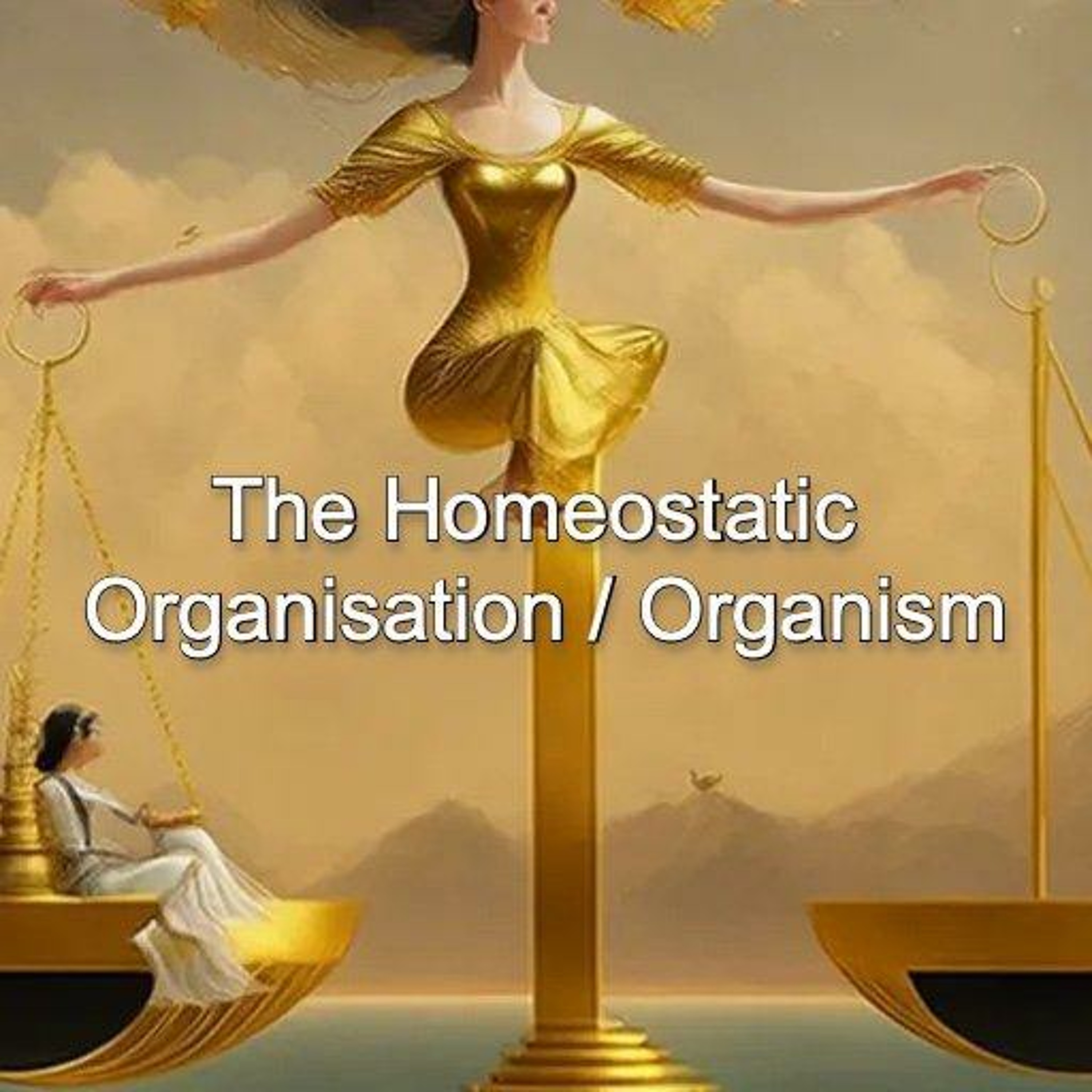
"No structure, even an artificial one, enjoys the process of entropy. It is the ultimate fate of everything, and everything resists it.' - Philip K. Dick Homeostasis refers to the maintenance of relatively constant internal conditions in an organism. For example, we maintain a body temperature of around 98.6°F (37°C). In a cold environment, we shiver to return to this temperature. In a warm climate, we cool ourselves down to restore balance. In our 9-part series on The Innovation Show, Mark Solms explains the relationship between homeostasis and entropy. Entropy is the natural tendency of things to lose order and fall into chaos. It's why ice melts; batteries lose charge, billiard balls stop, and hot water merges with cold. Homeostasis resists entropy. It keeps us in a limited range of ideal states, like a perfect body temperature. Our bodies need a constant energy supply to maintain homeostasis and resist entropy. Energy can be useful or useless, depending on its ability to work. As useful energy depletes, system entropy increases. This explains why our bodies eventually decline. We need to generate effort to counter entropy, like a balance. This includes exercising to prevent muscle loss, learning new skills for job relevance, and innovating to stay competitive. Like organisms, organisations are living entities that constantly need to reinvent and regenerate energy to maintain balance. Organisations can become stagnant, with experienced managers sometimes lacking the initiative to innovate or drive change. This can lead to inefficiencies and bureaucracy, causing the organisation to become less effective over time. If you think of people as molecules of energy, they dissipate and find areas of the business where they can do the least amount possible. Bureaucracy grows like a bacterial plaque throughout the organisation. The lifeblood of the organisation clogs up and becomes less effective. Information flows become inefficient, like varicose veins. In effect, the organisation atrophies. Injecting new energy into an organisation can revitalise it, realign its workforce, and increase efficiency. As discussed in my book "Undisruptable", this continuous revitalisation is essential for an organisation's health, especially during rapid technological change. Resisting entropy is a fundamental function of living things. Similarly, organisations that resist change become victims of entropy, disrupting the balance of their systems and tipping the scales towards entropy. Maintaining homeostasis is not an event. It is a continual process. Maintaining success requires effort, constant renewal and permanent reinvention.
Get every episode summarized
Each time The Innovation Show publishes, we email you a written briefing from the transcript — the topics, who appeared, and any specific claims, with the ad reads skipped.
Email me new episodesFree for 3 shows. No card needed.
Hosts & guests

No transcript yet
This episode has not been transcribed. Request it and it moves to the front of the queue.
More episodes
More from The Innovation Show

Michael Raynor on Strategy RAP Model BCE Case Study
The Innovation Show
Sep 24, 20251:01:08pending

Why Failure Fuels Success with Manu Kapur | The Power of Productive Failure
The Innovation Show
Sep 10, 20251:17:03pending

Sangeet Paul Choudary - Reshuffle: Figma Adobe and Just about Everything
The Innovation Show
Aug 27, 202538:33pending

Elise Loehnen - On Our Best Behaviour
The Innovation Show
Aug 12, 20251:30:38pending