About this episode
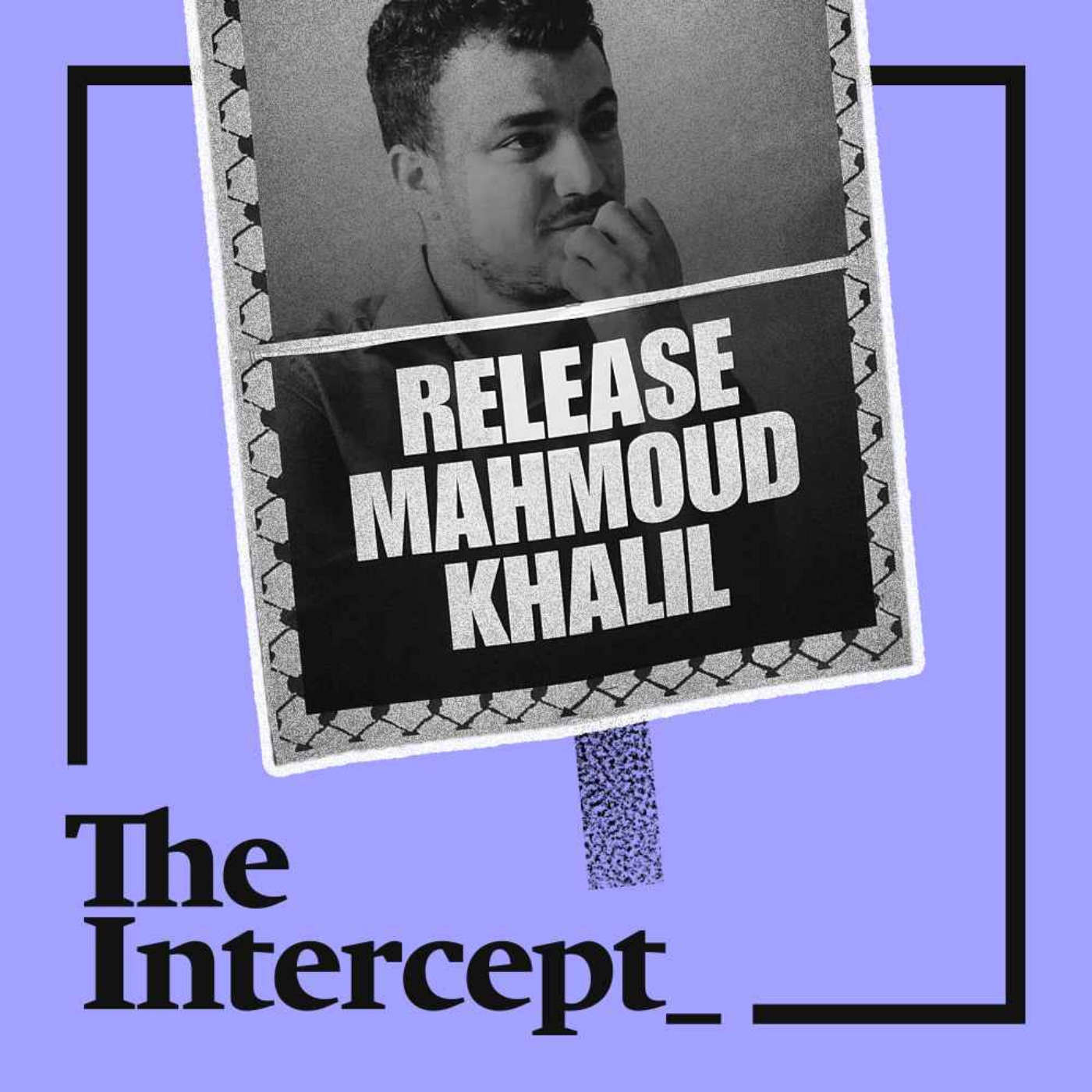
When government agents surrounded Columbia University graduate Mahmoud Khalil and his pregnant wife outside their New York City apartment over the weekend, it marked a chilling escalation in the battle over free speech in America. Those agents weren't enforcing immigration policy; they were sending a message about the consequences of political expression.
After serving as a negotiator during campus protests against Israel's war on Gaza, Khalil became the target of what his attorney called "a profound doxing campaign for two months related to his First Amendment protected activities" — harassment so severe he had desperately sought help from university leadership.
Despite being a lawful permanent resident entitled to constitutional protections, Khalil was transported to a detention facility thousands of miles away, effectively "disappeared" for over 24 hours. The political motivation became explicit when President Donald Trump celebrated the arrest on social media, calling it "the first arrest of many to come."
On this week's episode of The Intercept Briefing, we discuss the profound implications Khalil’s case raises for free speech and due process with Edward Ahmed Mitchell, civil rights attorney and national deputy director of the Council on American-Islamic Relations, and Columbia Journalism Review reporter Meghnad Bose.
"It's very clear the administration is waging a war on free speech — free speech for Palestine. They said they were going to do it when they took office. And that is what they are doing. Their issue with him is that he is a Muslim who is a lawful, permanent resident of America and he exercised his right to speak up for Palestinian human rights," says Mitchell.
Bose adds, “ It's this sort of thinking that if you are somehow critical of a certain position of the United States government, except this isn't even a position of the United States government. You're basically saying, if you're critical of the position of a foreign government — in this case, the Israeli government — that you can be penalized in the United States, even if you've not broken any law.”
Mitchell warns even U.S. citizens face risk: "American citizens should be safe in all this, but Stephen Miller and others have said they want to review the naturalization of citizens to see whether or not there are grounds to remove their citizenship. So in the worst-case scenario, you can imagine them trying to find or manufacture some way to target even the citizenship status of people who were lawful permanent residents and then attained citizenship. So they're going all out to silence speech for Palestine."
Bose says it's not just about immigration status; the government has other draconian tools at its disposal as well. "They can jail U.S. citizens too. They don't have to deport you or take away your citizenship, he says. “They can incarcerate U.S. citizens too."
Listen to the full conversation of The Intercept Briefing on Apple Podcasts, Spotify, or wherever you listen.
Hosted on Acast. See acast.com/privacy for more information.
Get every episode summarized
Each time The Intercept Briefing publishes, we email you a written briefing from the transcript — the topics, who appeared, and any specific claims, with the ad reads skipped.
Email me new episodesFree for 3 shows. No card needed.
Hosts & guests
No transcript yet
This episode has not been transcribed. Request it and it moves to the front of the queue.
More episodes
More from The Intercept Briefing

Another Assassination Attempt, More Fertilizer for Conspiracy Theories
The Intercept Briefing

“Me Too” Comes Back To Congress
The Intercept Briefing

When Anti-War Candidates Become War-Monger Presidents
The Intercept Briefing

Amy Goodman on the Media’s “Access of Evil”
The Intercept Briefing