The Chilling Aftermath_ Girls' School Strike Controversy in Iran
About this episode
Internationally, the response has been swift. The United Nations Human Rights Office described the attack as "absolutely horrific," emphasizing the urgent need for a prompt, impartial, and thorough investigation.
Become a supporter of this podcast: https://www.spreaker.com/podcast/conspiracy-theories-exploring-the-unseen--5194379/support.
Get every episode summarized
Each time Conspiracy Theories Exploring The Unseen publishes, we email you a written briefing from the transcript — the topics, who appeared, and any specific claims, with the ad reads skipped.
Email me new episodesFree for 3 shows. No card needed.
Hosts & guests
Transcript ready
89 searchable segments. Every word is indexed and playable.
Full transcript
Conspiracy Theories Exploring The Unseen — The Chilling Aftermath_ Girls' School Strike Controversy in Iran. Machine-transcribed; use the interactive transcript above to jump the player to any line.
Access to affordable credit helps me pay my employees, but I don't really need it. Infliction is killing me! Who cares? Big retailers and making record profits! That's why we support the Durban Marshall credit card bill! See? Things in credit unions help small businesses make payroll. This bill would cut the vital resources they need. While increasing Megastore profits, they deserve it. Don't they? Infliction is killing me! Who cares? Big retailers and making record profits! That's why we support the Durban Marshall credit card bill! See? Things in credit unions help small businesses make payroll. This bill would cut the vital resources they need. While increasing Megastore profits, they deserve it. I'm not going to do it. I'm not going to do it. I'm not going to do it. I'm not going to do it. I'm not going to do it. Professional profits! You may deserve it. Don't they? To Congress, stop the Durban Marshall Money Grab for corporate megastores,
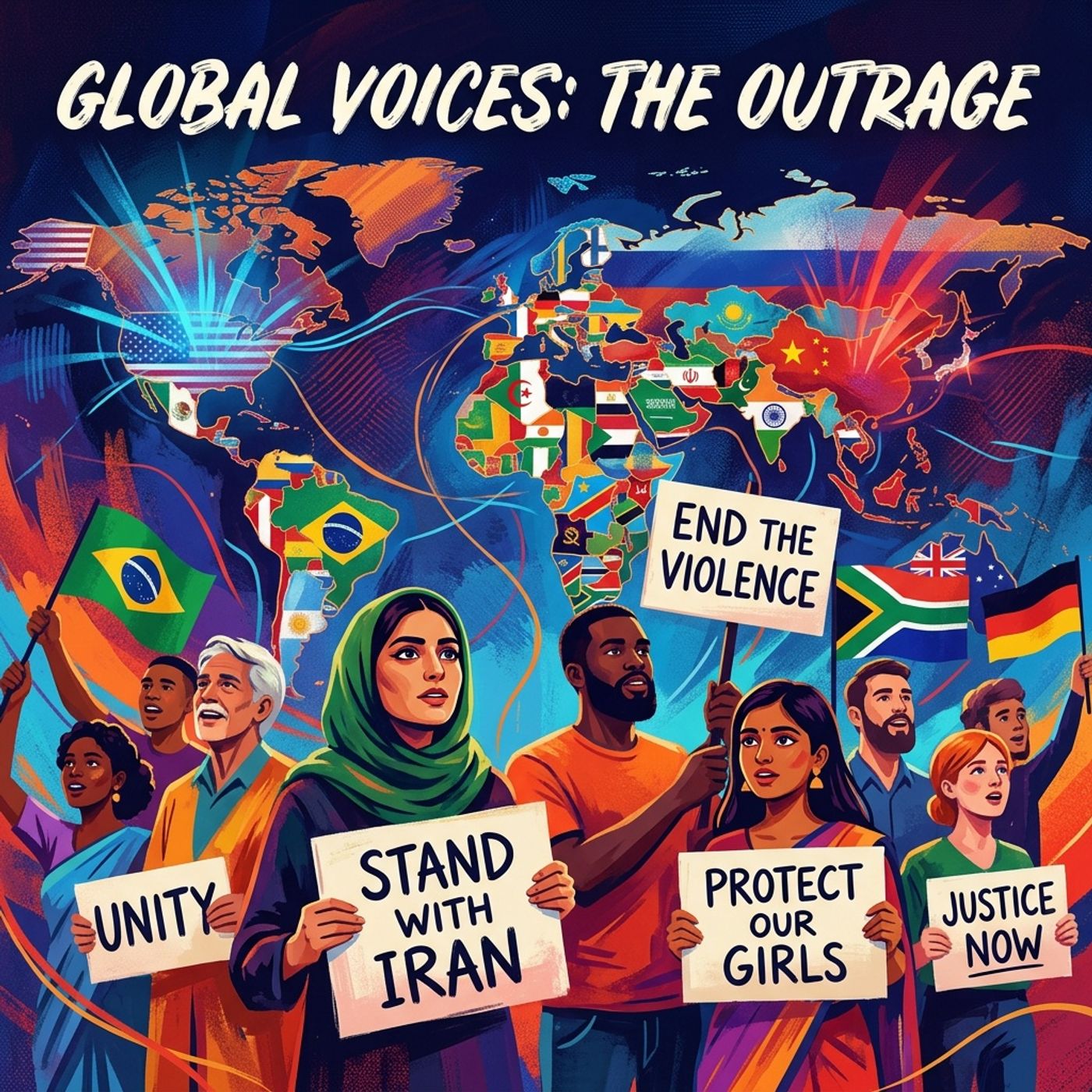
paid for by the Electronic payments coalition. On February 28th, 2026, a tragedy unfolded in Iran that has left an indelible mark on the hearts and minds of many. During the first day of coordinated US and Israeli air strikes, the Shajara-Taiahbe girls' elementary school in Minab became the site of a devastating missile strike, claiming the lives of at least 165 innocent children aged just 7-12 along with injuring 95 others. This attack has ignited a firestorm of outrage, raising serious questions about accountability and the protection of civilians in conflict zones. Internationally, the response has been swift. The United Nations Human Rights Office described the attack as absolutely horrific, emphasizing the urgent need for a prompt, impartial, and thorough investigation. Volker Turk, the UN High Commissioner for Human Rights, has echoed this sentiment, insisting that accountability and redress for the victims must take center stage in the international discourse surrounding this incident.
U.S. military officials are reportedly conducting an internal inquiry, as evidence suggests that U.S. forces may have been responsible for the strike. This revelation adds a complex layer to an already dire situation. Meanwhile, Israeli officials are also reviewing the available reports to better understand their involvement in the happenings that led to this tragedy. As the dust settles on the chaotic aftermath, the Iranian government has taken a harsh stance accusing the U.S. and Israel of deliberately targeting civilians, labeling the event a blatant war crime. Such declarations are not just rhetorical. They serve to highlight the heavy toll this conflict has taken on innocent lives, particularly children. In a strikingly different tone, U.S. Secretary of State Marco Rubio has asserted that U.S. forces would never intentionally target a school. This statement, while perhaps intended to distance the U.S. from accusations of wrongdoing, does little to quell the anger felt by the victims' families and their communities.
UNESCO has also weighed in, declaring this attack a grave violation of humanitarian law, underscoring the urgent need for protective measures for students caught in the crossfire of conflict. So what does the historical context tell us? This incident is just one in a series of escalating tensions marked by the 2026 Iran War, which began with indeed aggressive airstrikes targeting Iranian infrastructure and military facilities. The attack on Minab's school stands out not only for its shocking number of casualties, but also for its embodiment of the dire impact war has on civilians, especially the most vulnerable. In closing, the tragedy at the Shajada-Tayaba Girls School has sparked outrage and demands for accountability from around the globe. This incident illustrates the severe consequences of war on civilians and reminds us of the critical importance of adhering to international humanitarian law to protect those who cannot protect themselves.
The world watches as calls for an independent investigation grow louder, underscoring a collective commitment to ensure that such a tragedy never occurs again. Thanks for joining the Fortune Factor podcast. Access to affordable credit helps me pay my employees, but I don't really need it. Infliction is killing me! What do you care? Big retailers are making record profits! That's why we support the Durban Martial Credit Card Bill! See, things in credit unions help small businesses make payroll, and this bill would cut the vital resources they need. While increasing Megastore profits, they deserve it. Don't they? Access to affordable credit helps me pay my employees, but I don't really need it. Infliction is killing me! What do you care? Big retailers are making record profits! That's why we support the Durban Martial Credit Card Bill! See, things in credit unions help small businesses make payroll, and this bill would cut the vital resources they need. While increasing Megastore profits, they deserve it.
Don't they? Tell Congress, stop the Durban Martial Money Grab for corporate megastores. Paid for it by the Electronic Payments Coalition.
More episodes
More from Conspiracy Theories Exploring The Unseen

The Digital Mirage_ AI and the Death of Authentic Romance
Conspiracy Theories Exploring The Unseen

The Trust Trap_ AI and the Future of Romance
Conspiracy Theories Exploring The Unseen

The Ghost in the Machine_ Navigating AI Romance
Conspiracy Theories Exploring The Unseen

The Love Recession_ Why Digital Romance is Offline for Good
Conspiracy Theories Exploring The Unseen