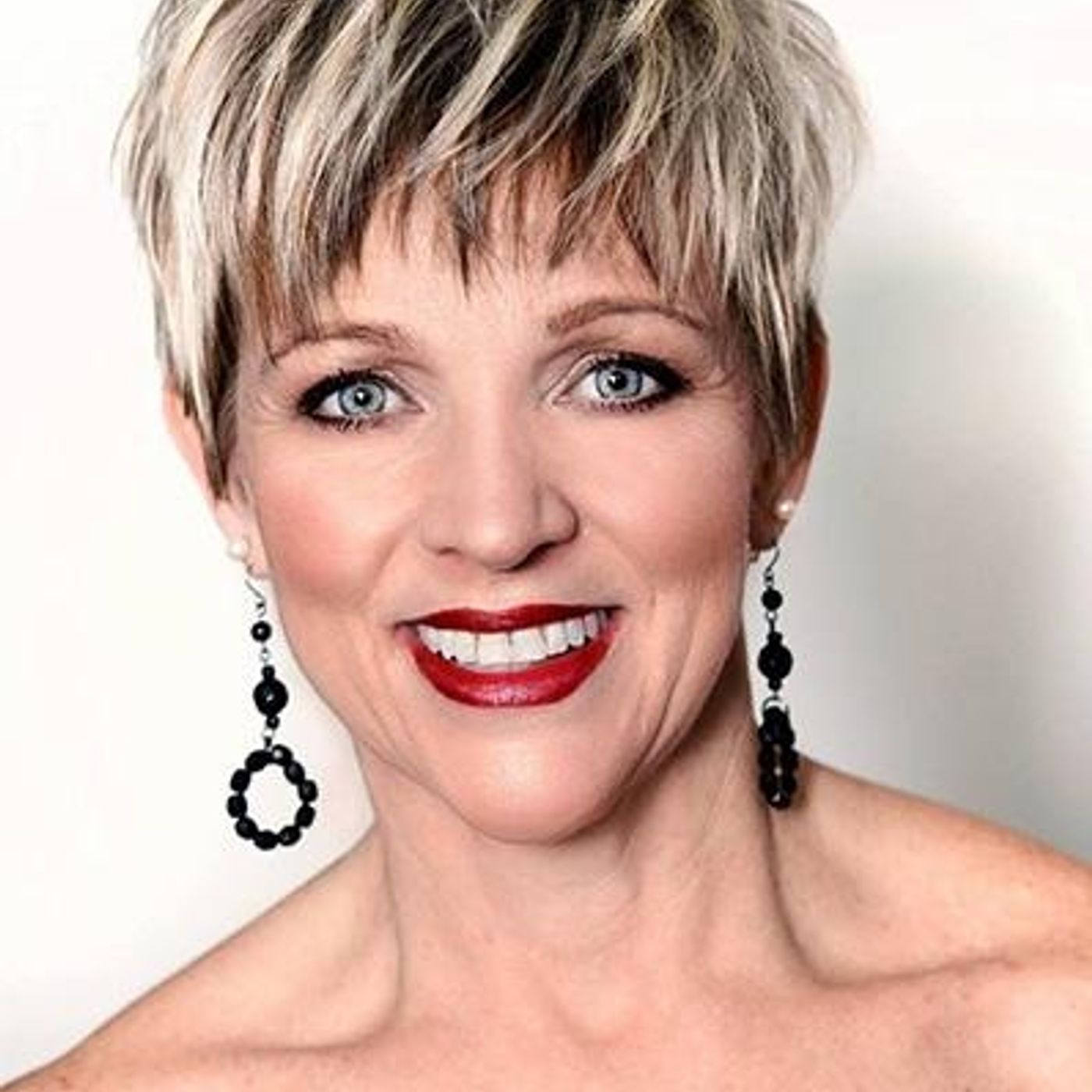
About this episode
In this episode of Living F.R.E.S.H., Dr. Kris Sargent reframes exercise around capacity: the ability to keep participating fully in your life. Strength helps you carry the groceries, climb the stairs, travel, work in the yard, get up off the floor, maintain independence, serve others, and keep saying yes to the life God has given you.
We’ll also talk about why more exercise isn’t necessarily better, how nourishment and recovery contribute to adaptation, and why today’s workout is really an investment in what you want your body to be capable of years from now.
Instead of asking only, “What do I want my body to look like?” perhaps it’s time to ask:
“What do I want my body to still be able to do?”
Because exercise isn’t punishment for what you ate.
We’re training for the life we want to keep living.
Get every episode summarized
Each time The Transformation Network™ publishes, we email you a written briefing from the transcript — the topics, who appeared, and any specific claims, with the ad reads skipped.
Email me new episodesFree for 3 shows. No card needed.
Transcript ready
532 searchable segments. Every word is indexed and playable.
Full transcript
The Transformation Network™ — Strength: Build a Body That Can Carry Your Life. Machine-transcribed; use the interactive transcript above to jump the player to any line.
Welcome to Spark Faith with me, Dr. Chris Sargent. This show is about renewed health, rooted in truth, and restored by grace. What does finding health look like for you? Do you have a vision for your future self and a way to get there? I'm Dr. Chris. And after 33 years in functional medicine, and a lifelong journey through brain health, weight loss, hormones, mindset, and faith, I know that real transformation doesn't come from willpower, or white-nuffling your way to wellness. It comes from gratitude, honoring your body as the temple that God created. This show is about body stewardship, not shape. It's about rewiring your mindset, your metabolism, and your spirit to find lasting health without the garine. I'll help you cut through the noise, see opportunities, instead of obstacles, and finally, live a healthy,
purposeful life you were created for. Let's Spark Faith and Transformation together. Spark Faith starts now. Hey, y'all. Welcome to the Spark Faith Show. I am Dr. Chris Sargent, and we are going to continue what we have started over the last few weeks. And that is like building this body that you can carry for life. And so that is the title for today, because we are doing a strength episode, part of the Living Fresh, Fresh Being Foundation, Regulation, Energy Strength, and Health. And I am going to be opening and launching my collective. I know I've been saying that for several months. And you know, God's timing is always so interesting. When we really pay attention to His timing, it's not always our timing. And so I appreciate your patience with all of this. And I am still excited and still looking forward to the launch.
I just know, realized that I needed to do a little bit more background work before I launched it, not on myself, but on the curriculum and the direction that I wanted to start it in. So anyway, today we are going to talk about a bunch of things that you may not be aware of, you saying, and things that I have said about exercise for a long time. So let's talk about the core idea here today, is that exercise is not punishment for what you ate, right? It's not about earning calories. And strength is not just about what your body looks like. And we know we've talked a little bit into this, but we're going to take a little bit different tack on it today. So we really trained to build the physical capacity to keep participating fully in the life we want to live, right?
So what are you training for? Right, last week we talked a lot in the last couple of weeks, we've talked about the capacity to change. We talked about how much attention it takes to learn something new. And honestly, I feel like we've landed on a different way to navigate change, right? And we talked about awareness, choice, adjust, and continue. Instead of starting all over again, or going back to, right? Those kind of sentences in our mind create a lot of failure. Instead of understanding that health is not a destination. And so, oh, if we're not quite there, we have to start all over to get there. But really, it's a trajectory. It is a direction that we want to be heading in. And so we want to pay attention to what's happening. We want to choose what matters. We want to adjust when life changes,
including like menopause, pariamenopause, kids moving in, kids moving out, like anything, bad work situation or good work situation, like all of those things require us to adjust when life changes. And to stay on that trajectory, right? Not start all over again in a couple of months, but just to have a greater awareness so that we can make those constant little changes. So there's another kind of capacity that I want to talk about today, and that's physical capacity, because this body that we're taking care of really isn't simply something we're trying to make smaller. Now, there's nothing wrong with trying to make it smaller when you need to do that, or leaner, or more attractive, right? Or healthier. There's nothing wrong with any of those things. However, this is the body that's going to carry you through your life. And I think somewhere along the way,
I know what happened to me, we developed this really narrow understanding of exercise, right? For years, it was sold to us as a way to change the size or shape of our body, like spot reducing and those kind of things, or like eat something, burn it off. Want to lose weight? Exercise more. Going on vacation, better get those workouts in for that bikini body or whatever, right? Eat too much of the weekend. It's okay, extra time, extra cardio on Monday, right? And I know I've been guilty, so you can check yourself, oh well, I earned this, right? I went to the gym, I earned this. Or, ooh, I'm gonna have to work that off tomorrow, right? So think about what that makes exercise. Exercise becomes punishment, right? Okay, what did you just say? Like, exercise becomes punishment.
And so, if exercise is punishment, like, it's no surprise that most of us don't always enjoy doing it. If we're thinking like, oh, I've been bad, or I've done this bad thing, because I ate too much or whatever, you're telling yourself about it. Like, of course it feels like punishment and why would you want to do it? But what if we, you, I have been asking the wrong question all along, right? Instead of how many calories did I burn, or will this make me smaller, my way smaller, my bad smaller, whatever? What have we started asking, what am I training my body to be able to do? Now y'all know I'm 62, and what I want from this body at 72, 82, 92, hopefully 102 is very different than I wanted from this body when I was 22, right?
It's not the same. I'm not just training for what I want to look like. I'm really training for the life I want to keep living, right? So let's go back and think about what we were taught about exercise, right? We were taught that we need to exercise to get smaller, right? And that may have been your earliest introduction to exercise, which has very little to do with health. Unfortunately for me, my mom started me in ballet because she told me that I was completely uncoordinated and I would fall up the stairs. It didn't have anything to do with my weight. However, as we moved, as I moved on being a dancer, it became about the weight and it became more about body image and it became something way other than what it was originally intended. And so did her messaging and I'm not making her the bad person here at all.
However, we all have trauma, right? Little T big T. So exercise burned calories and calories were something we were supposed to get rid of or not consume. So movement became part of that equation, right? Eat less, move more, get smaller. And honestly, there's nothing wrong with wanting to change your body composition. I am currently strategically in a calorie cut, which means I have a very high protein going in, lots of veggies, not a lot of complex carbohydrates and not a ton of fat. And there's a reason for that and it is a prescribed period of time and it's not about restriction, it's about composition. So there's nothing wrong with wanting to lose body fat. There's nothing wrong with you're wanting your clothes to fit different or nothing wrong with liking the way your body looks when you're fit. But that is an incredibly small reason
and I'm not being judgey here. When you consider everything else that your body needs movement for, right? And I think we become more aware of this as we get older. So like it's not just like how much do I weigh? It's more like can I carry the heavy thing? I talked about the bird seed a couple of weeks ago. Can I climb stairs, right? I know a lot of my friends, y'all know how old I am, are like, no, we want to get us, we want to make sure that our master bedroom is on the ground floor. Well, my dad, who's 94, took a totally different tack, right? He's like, no, I want to be able to keep climbing up those stairs until I can't, right? And so he's 94 and they just moved in my step, mom and my dad just moved into a ranch style house. Okay? So he was able to climb stairs until into his 90s, right? What about can I get down on the floor
and get back up again without too much trouble and without like hurting things and things hurting? What about if you stumble, right? Can you catch yourself? Do you have the core capacity? Do you have the balance? How about can I live something over my head? Can I walk several miles if I decide to travel or spend the afternoon working in the yard? Or maybe something more like, can I pick up a grand kid? I don't have grandkids right now. What if you want to change the furniture layout in your room? Can you move your furniture? Can you put your own suitcase in the overhead compartment, right? So can I keep doing the things I love without constantly having to calculate whether my body can handle them or not? And I think that's like we slide. It's a slow drift. I talked about several weeks ago, right? We slowly drift into this place where, ooh, I don't think this can happen because of that. And maybe you've had some injuries
that have taken you out for a while. And some of those may or may not be recoverable and I certainly understand that. That's so that's a different understanding. However, many of those things can be overcome. Does it take more work? Will you get to where you need to be? I don't know. And there's no reason you can't try that though, right? Like open the awareness to changing and trying something bigger and different and giving yourself the capacity that you possibly could, right? But those are very different measures of fitness. And maybe this is where we need to redefine what a successful workout actually is. Maybe it's not how much did I burn, but what capacity am I building today, right? Resistance training builds strength, walking, builds endurance and work capacity,
cardiovascular training, challenges your heart and your lungs, mobility, ooh, I know mobility is almost like the new stretching, right? But mobility allows us to access movement and ranges of motion that maybe we've shut down and we can work into improving, right? Balance helps us control all that movement and recovery, right? Who, allowing our bodies to recover, allows our new body that we're working on to adapt to all of that. And so exercise stops being something that we do to our bodies because we don't like them or we're dissatisfied with some part of it. It becomes something that we're doing for our body, right? Instead of to our body. And I think that that's kind of a big life lesson anyway, right? Life doesn't happen to you, it happens for you
and that's a whole different mindset piece and we can talk about that another day, but this is the same. It's basically the same element that exercise doesn't something that we do to our body. It's what we do for our body. And that's a very different relationship. It's not punishment for what you ate, it's preparation, right? Exercise is preparation for the life you want to keep living down the road in that trajectory, right? And so this is actually the strength mindset that I'm building into the living fresh collective. So let's see, what are we training for? And I don't mean like, oh, I'm gonna go couch to 5K, which is a great place to start. So do that, right? Are you training for a marathon, body building, power lifting? Great, those are fantastic goals. But a lot of us are training for something a little bit more ordinary and that's just like life, right?
And I want to travel and carry my luggage and walk through some city and go to a garden and go to a museum and get on the floor. I want to get back off the floor without meeting 14 pieces of furniture and a small prayer meeting, right? Like I want to be able to help someone else if they need me. I want enough stamina to enjoy my days rather than just survive. I want as much independence and interdependence as I can reasonably preserve as I age. So those are very different. It comes from a very different standpoint. And here's where I think the idea of strength gets bigger than just lifting weights, really, because strength is about capacity, right? Meeting the demands of your life. And those demands are probably gonna change, for sure, the physical capacity that I edit 30, right, may not be the physical capacity. I'm gonna have it 70, but I'm doing different things, right?
I'm not having kids. I'm not running a huge, this huge business. I'm doing differently, right? I'm still running a big business, but it's different now. And so that just means that our training should probably reflect where we're going, not where we've been. And so, y'all, I'd like for you to just rethink this idea that exercise exists to burn calories, right? Because if I only measure my workout and calories burned, I might actually miss what I'm building, right? You might miss what you're actually building. And that's muscle and power and balance and coordination, cardiovascular capacity, which is ultimately confidence and physical competence and resilience, right? And the ability to do something today that was difficult six months ago, like picking up a bag of bird seed or dog food,
those are all like normal regular things for a lot of us. And they show up, right? Heavy groceries, walking up the hill because my new driveway is like this, like it has a huge hill. So I've got to, you know, be able to carry those groceries up that hill. And then can I recover better? Those are all wins and they really matter. So let's think about training, not for the body you want to see, but train for the life you want that body to be able to live, right? Okay, so more is not necessarily stronger, right? So now here, let's connect with some of the things we've also been talking about, right? Because, okay, you hear me and you're getting excited, right? And so you're gonna start working out seven days a week and we talked about this last week, like autopilot, right? Remember, something gets our attention,
we react, autopilot react, and we create this enormous plan that gets too hairy and then it becomes resistance. And then we just throw up our hands and we'll be like, I'll restart Monday. And strength doesn't really require us to go back into that cycle, right? Training is a stimulus, right? Your body doesn't become stronger because you create exhaustion, right? Which means the workout itself is only part of the equation. You have to have the nourishment, you have to have recovery, you have to have the sleep, you have to have the repetition and that can feel super overwhelming. So, here's the thing about the living fresh, collective is, what, our foundation is, what am I actually doing right now? Right? Not where am I starting? And regulation is like, what else is my body dealing with?
How am I sleeping? How much stress am I carrying? Am I recovering? Okay, we need to find out, we need to gather some data, right? Energy and my feeding myself adequately, right? We've talked about this so, so, so, so much about feeding ourselves adequately and then strength is really like what physical capacity am I deliberately, intentionally trying to build? And this is why fresh isn't five unrelated health topics, but they build upon each other. And that's where this new cycle of awareness, choice, adjust and continue, right? Comes right back in and maybe four workouts work beautifully in one season, then something changes and four workouts don't fit. Okay, so what does fit? Two, great, do two. Maybe you're exhausted today. I have definitely had weeks where I do a leg down Tuesday
and Wednesday is just not enough recovery. I have to shift, right? Because Thursday's supposed to be arm day and Friday and another leg day. Well, I just move them down a day and take an extra day. That's a just and continue, right? So you don't have to push through every single time. You have to assess where you are and you have to become aware of where you are. Are you genuinely under recovered and would today be better used for recovery, right? There's an awareness and there's also some wisdom, right? Because if we keep going, then it's punishment. More is better, harder is better. I have to make up for what I did yesterday. Training says, what does my body need in order to become more capable? And if that's rest, then take the day but move everything down so that you can keep going and not fall off and get into that whole start over mindset, right?
So the goal of training isn't to prove how much your body can endure, right? How long have we done this? Like, oh, I'm tired, but I'm just gonna go anyway. I'm gonna push it. I'm gonna survive it. Oh, oh, oh, oh, right. But it's progressively increasing what your body is capable of with like a pre-programmed rest period, right? On to off one, on to off two, on to off one, on to off two. And if I need the two someplace else in the middle of the week, I just move things around a little bit. It's adjusting, right? It's making the choice to adjust. Not just like falling off the wagon, I have to start all over again. No, I didn't lose everything just because I took an extra rest day, right? So it's a mindset that today's workout isn't really for today, right? And it's not about yesterday or what I ate.
The strange thing about strength is, you guys know this already, we don't get an immediate payoff, right? You do one workout, you're not suddenly like, woohoo, I'm strong and I'm good to go for life, right? No, we all know that's not the way it works. Eat enough protein and tomorrow you wake up like Arnold Schwarzenegger or something, I don't know, you take a walk and your cardiovascular fitness is just transformed. So really, I think it looks more like your body pays attention to repeated signaling, right? And eventually something that was heavy isn't heavy. Like when I picked up the bird seed a few weeks ago, something that exhausted you is no longer exhausting you anymore. You can get up off the floor with only one piece of furniture instead of 13 in a prayer meeting, right? Your balance improves, you can stand on one foot
for 30 seconds for a minute for however long. And it becomes like, oh look, I'm capable of doing more. Not instantly, not perfectly, but eventually repeatedly, right? So strength is built by asking your body to do something today that prepares it to do more tomorrow. And that's direction, that is the trajectory, right? We don't startle over because we miss a workout. We just keep moving forward. We don't startle over because we miss a meal. We just keep moving forward. At the very next time we get to make a choice, right? Awareness, choice, adjust, continue. All right, so stewardship, I want to make sure that we pull this all back together because this is where strength becomes stewardship. I don't know what God is going to ask for me 10 years from now. And I have no idea what my life is going to look like.
Guess what? Neither do you. But obviously we don't, so we don't control everything that happens to our body, right? Illness happens, I get fall down, I get break my ankle today, hope not. But circumstances change and stewardship isn't a guarantee that if I eat correctly and exercise correctly, that nothing bad will happen to me. That's not Christianity, that's not reality. Stewardship just says, what did God entrust me to do today? What can I faithfully do with it? And if you've had an injury, what can you faithfully do with today, right? Paul writes in first Timothy 4, 8, that physical training does have value, but not ultimate value, not saving value, but value. So and I think sometimes Christians, and certainly I have been uncomfortable talking about caring for our bodies because we don't want to make some kind of weird idle out of it, right? And fair enough, right?
You, we have to be constantly aware of the enemy creeping in, right? But there's quite a difference between worshiping your body and neglecting your body, right? So this is a physical body through which I participate in the life that God gave me, and I served through it, I worked through it, I hugged people with it, right? I worship with it, I care for other people through it, and I go where God calls me through it. And I would like to preserve as much capacity as I reasonably possibly can, right? By saying, yeah, I can do that. I can do one more leg extension with my new knee or whatever, right? Whoever, you know, whatever you might be facing. And so I think like we can continue to practice this awareness, choice, adjust, and continue. And today we're just going to be adding another kind
of capacity, and that's physical capacity, right? Health is still a direction, not a destination. It's capacity to get off the floor and serve and play and recover. And so instead of asking yourself, what do I want my body to look like? What if you asked yourself, what do I want my body to still be able to do at 40, 50, 60, 70, 80, 90, 100, right? And what can I begin to do today that helps me prepare for that life? So we can build bodies capable of carrying the lives that we still want to live. And y'all, you know that I love you and that I'm here and that the living fresh collective is going to be launched. We are going to be talking about all this stuff in depth and this is going to become a foundational philosophy for us, right? This self-awareness, making a choice, adjusting,
and continuing and staying in that trajectory is much as possible, right? So we are renewing your health, rooted in truth, and restored by grace. I love you guys. Have a great week. I'll see you next week. Bye. You've been listening to Spark Faith with me, Dr. Chris Sargent. This show is about renewed health, rooted in truth, and restored by grace. Tune in every Thursday morning at 9.30 AM Pacific on the Transformation Talk Radio for more simple, faith-fueled steps to live the vision God placed in your heart. Are you ready to take the next step? Schedule a discovery call or connect with me at DrChrisSargent.com that's drkriis Sargent.com. While you're there, download my free e-book Endless Energy, the six non-negotiable keys to Endless Energy, and sign up for an upcoming Masterclass.
Don't forget to subscribe, like, share the show, and I do love to connect with you on social media at DrChrisSargent. Let's keep Sparking Faith and Transformation together. Can't wait to see y'all next time.
More episodes
More from The Transformation Network™

25th Anniversary of 911- Honoring Souls as Their Legacy Lives On
The Transformation Network™

Sovereign Woman Rising: True Self 2.0, Not a Midlife Crisis
The Transformation Network™

The Progress You’re Not Seeing
The Transformation Network™
Beyond the 6-Figure Hustle: How Gene Keys Rewire Your Business for Lasting Legac...
The Transformation Network™