About this episode
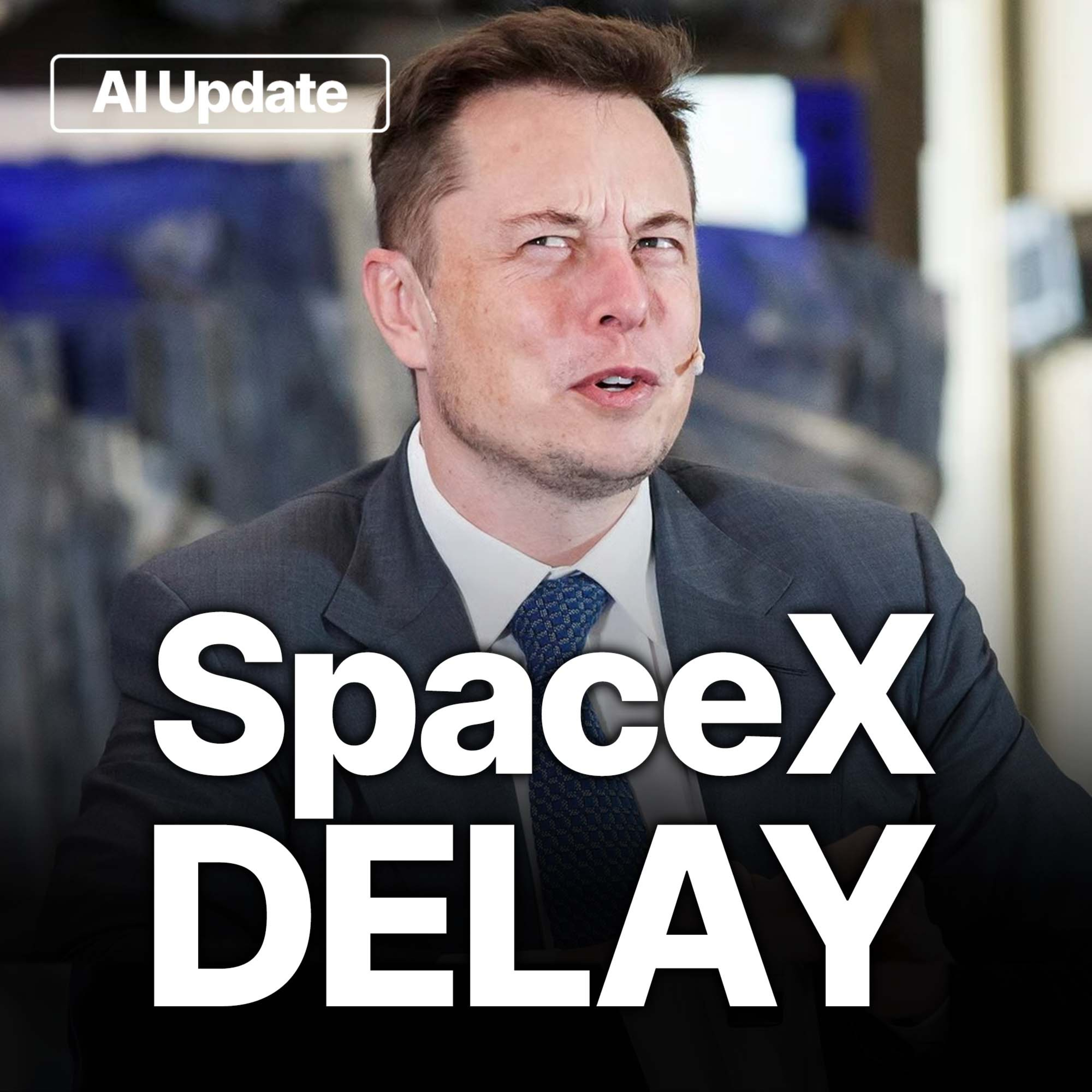
The regulatory and technological evolution of SpaceX’s Starship-Super Heavy program as it transitions toward frequent orbital missions. The FAA has recently issued a finding of no significant environmental impact for new flight trajectories, potentially affecting thousands of annual commercial flights across the U.S. mainland and international territories. These expanded operations are supported by the introduction of the Raptor 3 engine, which offers record-breaking thrust and simplified manufacturing to enhance vehicle reusability. Additionally, SpaceX has redesigned the Super Heavy booster's grid fins, moving to a high-strength three-fin configuration to improve atmospheric control and facilitate more efficient mid-air "catches." While federal regulators move toward licensing these modifications, aviation groups have raised significant safety and operational concerns regarding potential falling debris and the management of shared airspace. Together, these documents illustrate the complex balance between rapid commercial space innovation and the safety requirements of the National Airspace System.
Get every episode summarized
Each time Elon Musk Podcast publishes, we email you a written briefing from the transcript — the topics, who appeared, and any specific claims, with the ad reads skipped.
Email me new episodesFree for 3 shows. No card needed.
Hosts & guests


No transcript yet
This episode has not been transcribed. Request it and it moves to the front of the queue.
More episodes
More from Elon Musk Podcast

Anthropic rejects six billion dollar Decart deal
Elon Musk Podcast
320 million vanished from Liquid Network
Elon Musk Podcast
Why Maggie Gyllenhaal scrapped her AI film
Elon Musk Podcast
Publishers battle authors for Anthropic settlement money
Elon Musk Podcast