About this episode
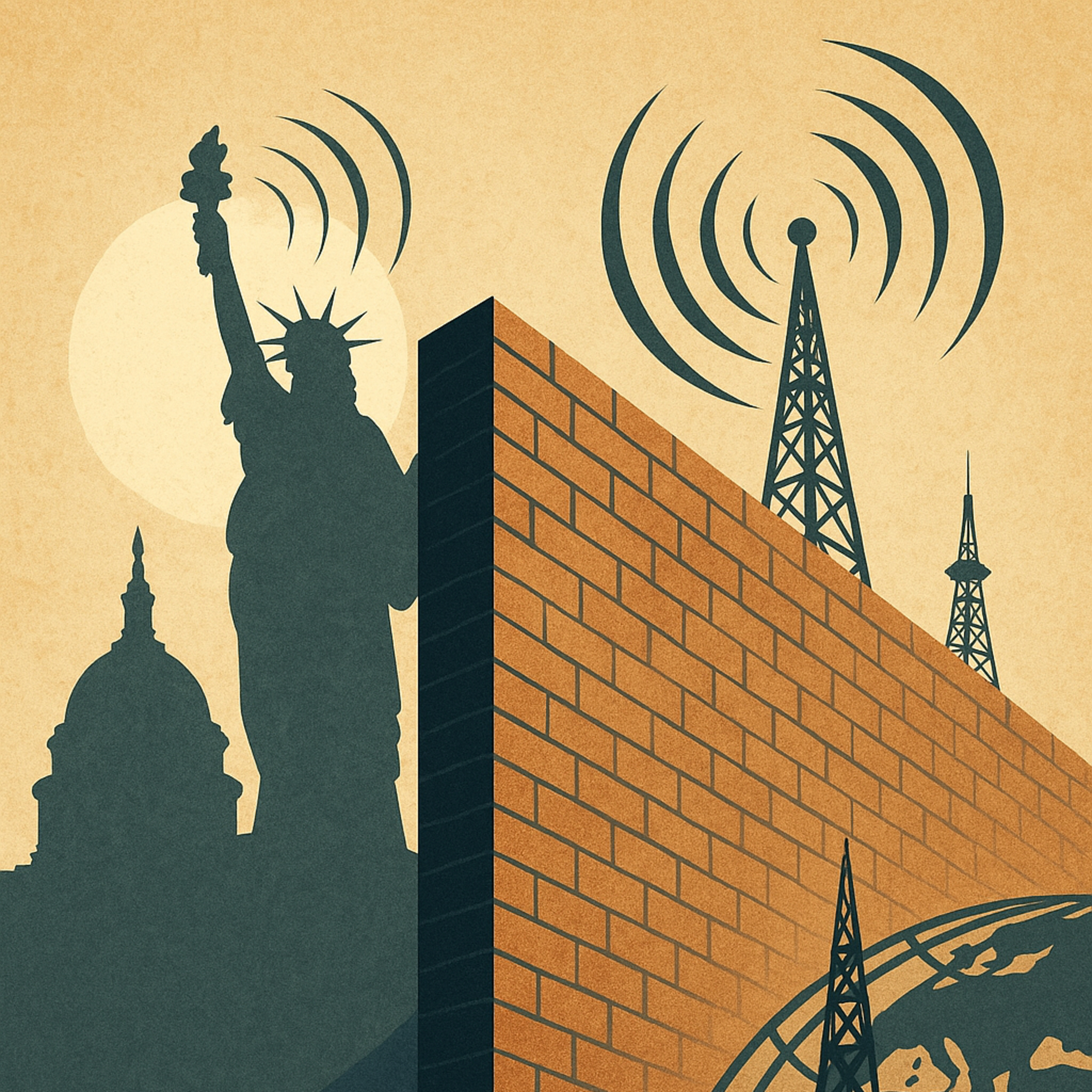
The provided text explains the Smith-Mundt Act, a 1948 U.S. law designed to prevent the domestic dissemination of American government-produced propaganda, while allowing its use abroad to promote U.S. values. It highlights the historical context of the Cold War, where nations like the U.S., UK, and USSR utilized information campaigns to influence global opinion, and how the act aimed to build trust by separating foreign messaging from domestic news. The text then details the 2013 Smith-Mundt Modernization Act, which removed this domestic restriction, arguing that the internet had rendered the original ban obsolete. Critics, however, feared this change would blur the lines between government information and independent journalism, leading to a new era where U.S. citizens can legally consume content originally intended for foreign audiences, aligning U.S. practice with other nations that consistently employ propaganda globally.
Get every episode summarized
Each time The Chris Abraham Show publishes, we email you a written briefing from the transcript — the topics, who appeared, and any specific claims, with the ad reads skipped.
Email me new episodesFree for 3 shows. No card needed.
Hosts & guests
No transcript yet
This episode has not been transcribed. Request it and it moves to the front of the queue.
More episodes
More from The Chris Abraham Show

How I Stole 24 Months of Gameplay in 60 Seconds of Bad Decisions
The Chris Abraham Show

America Goes Abroad in Search of Monsters to Destroy—A 21-Year Warning About End...
The Chris Abraham Show

The Deportation Plan Broke So the Bombs Came Out
The Chris Abraham Show

Media Capture, Populism, and the NPR Trust Problem
The Chris Abraham Show