About this episode
Also, I am back on Youtube Please subscribe to my channel: @judsoncarroll5902 Judson Carroll - YouTube
Tune of the week:
Trouble, I've Had It All My Days on guitar
I show you how to play Mississippi John Hurt's "Trouble, I've Had It All My Days" on guitar. This one is fairly easy once you get the basic pattern down, and that gives you a lot of room for variation.
https://youtu.be/RIoASzPl4ME
Email: [email protected]
Become a supporter of this podcast: https://www.spreaker.com/podcast/southern-appalachian-herbs--4697544/support
Read about The Spring Foraging Cookbook: https://southernappalachianherbs.blogspot.com/2024/01/the-spring-foraging-cookbook.html
Available for purchase on Amazon: https://www.amazon.com/dp/B0CRP63R54
Medicinal Weeds and Grasses of the American Southeast, an Herbalist's Guide
https://southernappalachianherbs.blogspot.com/2023/05/medicinal-weeds-and-grasses-of-american.html
Available in paperback on Amazon:
https://www.amazon.com/dp/B0C47LHTTH
and
Confirmation, an Autobiography of Faith
https://southernappalachianherbs.blogspot.com/2023/05/confirmation-autobiography-of-faith.html
Available in paperback on Amazon:
https://www.amazon.com/dp/B0C47Q1JNK
Visit my Substack and sign up for my free newsletter:
https://judsoncarroll.substack.com/
Read about my new other books:
Medicinal Ferns and Fern Allies, an Herbalist's Guide https://southernappalachianherbs.blogspot.com/2022/11/medicinal-ferns-and-fern-allies.html
Available for purchase on Amazon: https://www.amazon.com/dp/B0BMSZSJPS
The Omnivore’s Guide to Home Cooking for Preppers, Homesteaders, Permaculture People and Everyone Else: https://southernappalachianherbs.blogspot.com/2022/10/the-omnivores-guide-to-home-cooking-for.html
Available for purchase on Amazon: https://www.amazon.com/dp/B0BGKX37Q2
Medicinal Shrubs and Woody Vines of The American Southeast an Herbalist's Guide
https://southernappalachianherbs.blogspot.com/2022/06/medicinal-shrubs-and-woody-vines-of.html
Available for purchase on Amazon https://www.amazon.com/dp/B0B2T4Y5L6
and
Growing Your Survival Herb Garden for Preppers, Homesteaders and Everyone Else
https://southernappalachianherbs.blogspot.com/2022/04/growing-your-survival-herb-garden-for.html
https://www.amazon.com/dp/B09X4LYV9R
The Encyclopedia of Medicinal Bitter Herbs: https://southernappalachianherbs.blogspot.com/2022/03/the-encyclopedia-of-bitter-medicina.html
Available for purchase on Amazon: https://www.amazon.com/dp/B0B5MYJ35R
and
Christian Medicine, History and Practice: https://southernappalachianherbs.blogspot.com/2022/01/christian-herbal-medicine-history-and.html
Available for purchase on Amazon: www.amazon.com/dp/B09P7RNCTB
Herbal Medicine for Preppers, Homesteaders and Permaculture People: https://southernappalachianherbs.blogspot.com/2021/10/herbal-medicine-for-preppers.html
Also available on Amazon: www.amazon.com/dp/B09HMWXL25
Podcast: https://www.spreaker.com/show/southern-appalachian-herbs
Blog: https://southernappalachianherbs.blogspot.com/
Free Video Lessons: Herbal Medicine 101 - YouTube https://www.youtube.com/playlist?list=PL7QS6b0lQqEclaO9AB-kOkkvlHr4tqAbs
Get every episode summarized
Each time Southern Appalachian Herbs publishes, we email you a written briefing from the transcript — the topics, who appeared, and any specific claims, with the ad reads skipped.
Email me new episodesFree for 3 shows. No card needed.
Hosts & guests
Transcript ready
588 searchable segments. Every word is indexed and playable.
Full transcript
Southern Appalachian Herbs — Show 279: Wisteria, Mistletoe and Horsetail. Machine-transcribed; use the interactive transcript above to jump the player to any line.
Day or night, VerboCare is here 24-7 to help make every part of your stay seamless. If anything comes up or you simply need a little guidance, support is ready whenever you reach out. From the moment you book to the moment you had home, we're here to help things run smoothly. Because a great trip starts with the right support. And hey, a good playlist doesn't hurt either.
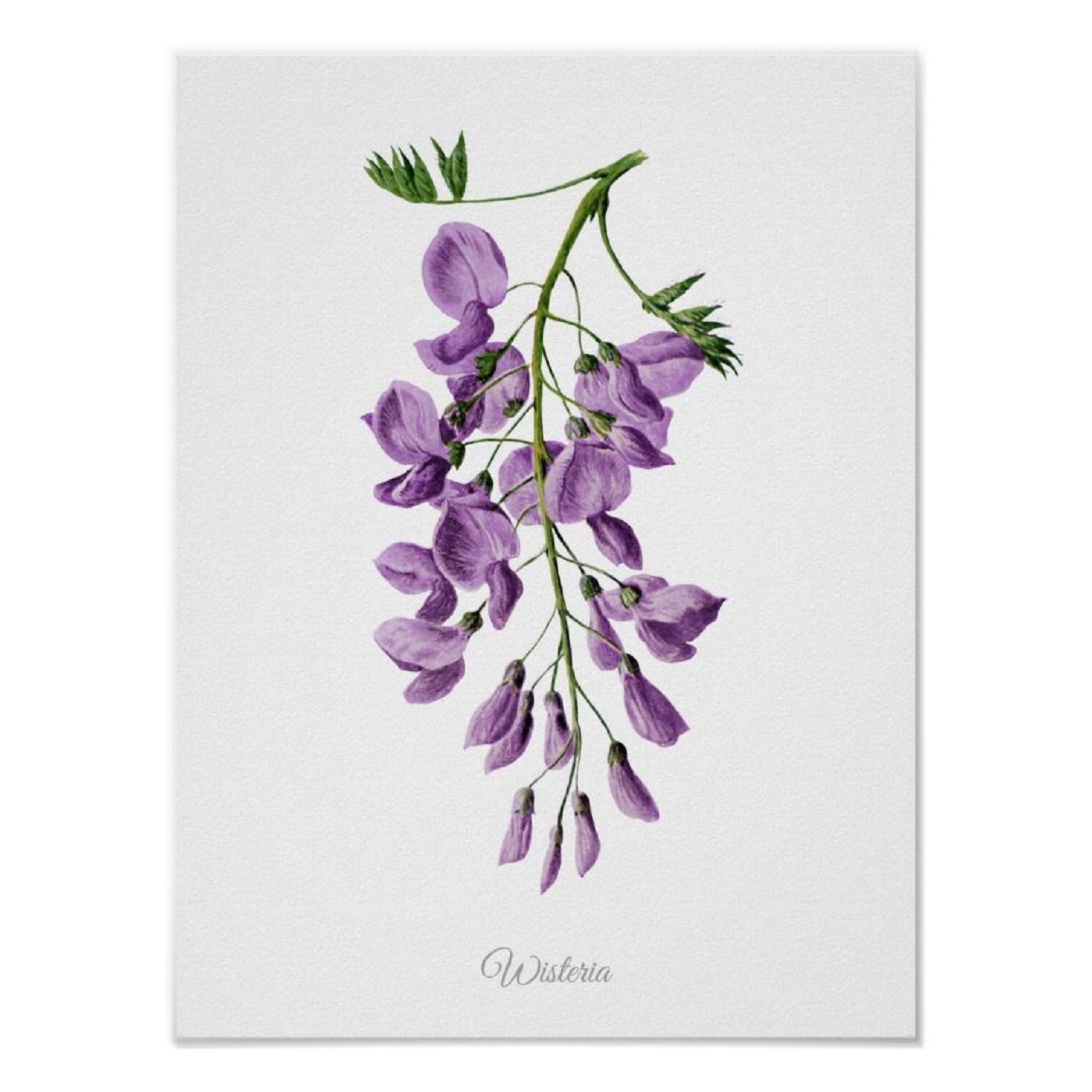
Hey y'all, welcome to this week's show. Today we're going to talk about two vines, which I actually racked up my book on medicinal shrubs and vines. We've worked our way through the entire book now. And there's not very long entries, but I had a special request a couple of weeks ago. Someone wanted me to do a show on Equisitum horse tail. Now I have covered horse tail before, but this is going to be far more comprehensive. So let's go ahead and start with our vines. The first is wisteria. And only one wisteria is native to my region. That's wisteria. I have so much trouble with this word. A few tensions. F-U-T-E-S-E-E-N-S. A few tensions. There we go. Few tensions. Some words get me.
I end up sound like, you know, so vests are the cat when I try to pronounce them. But anyway, that's American wisteria. Two are naturalized, of course. Wisteria, Florebunda, Japanese wisteria, and wisteria senensis, Chinese wisteria. Wisterias are really interesting plants. Oddly enough, they are what they're leguminous to start with. They're in the same family as beans and peas, but also kudzu. And in their growth habits, they're a lot like kudzu. And for some reason, everybody wants to eradicate the kudzu. But people still can buy wisteria down at the local garden store and plant it ornamentally. If you let wisteria get out of control, it will spread like crazy. Because one, it's a vine and vines tend to do that. But two, it's leguminous. And leguminous plants form fungal relationships on their roots. That allow them to take nitrogen from the air and fix it in the soil.
So they're self-feralizing. That's why these things can get out of control so very badly. Chinese wisteria is the one with the most documented medicinal use. And it seeds are diuretic. And it's used in the treatment of heart ailments. One report says this is from plants for future. One report says the stems and flowers are also used in Chinese medicine. It gives no more information. Now, I'm going to warn against use of wisteria. First of all, I'm incredibly allergic to both Asian forms of wisteria. The American wisteria doesn't seem to bother me. They are beautiful, beautiful plants, beautiful flowers, the bees love them. I don't have a problem with them as such. But like many members of the leguminaceae family, they are toxic. All three have some level of toxicity. So this is not one I use. One because I have serious, serious allergies to it. One with of wisteria.
I will just send my allergies. I'll have an asthma attack immediately. And I love this stuff. I love to look at it. But it's just... And it makes wonderful baskets. It's one of the best basket-weaving vines there is. I will harvest in the fall, you know, after the leaves have died back usually. But definitely after the flowers are gone. But yeah, it's... I believe over 10,000 members of the leguminaceae family and all those have, like, sub-varieties. And we only eat, like, a couple hundred. Is that right? I think that's right. Most of them do have some level of toxicity. But, you know, our beans and peas. We found over the millennia since humans began eating them that were okay with those. But don't go around eating wisteria pods. It's not going to end well. Now, the other one, the last one I'm going to mention from this book is one I have to give a huge warning about...
The Howard Native American mistletoe. It's extremely different from European mistletoe. Most European herbals will recommend mistletoe for many conditions. And it's a very useful herb. It lowers blood pressure. It's relaxing. It has many anti-spasmodic effects. Really, it's included in the Swedish bitters. I mean, European mistletoe is incredibly good, medicinal herb. So whenever you pick up an herb book and it shows a listing for the medicinal uses of mistletoe, it is very, very, very important to understand. That is European mistletoe. Now, unfortunately, 99% of herb books do not make this differentiation. American mistletoe, which was abundantly in especially Eastern and coastal North Carolina, is extremely toxic.
I mean, there have been reports of children dying from just eating a berry or two. It almost has the opposite properties of European mistletoe. European mistletoe, which was really one of the most recognized and important herbs of like Ireland, for instance, do not confuse that with American mistletoe. Greenlight helps kids learn about money the way most of us never did, by actually using it. It's a debit card and money app that teaches kids to earn, save, and spend in real life, not just swipe and hope for the best. Learning happens naturally in the moment. Parents can set limits, see spending in real time, and guide better habits along the way, all in one place, without constant check-ins or cash runs. Don't wait. Try Greenlight Risk Free today at greenlight.com slash Try Greenlight. Did you know that parents rank teaching financial literacy as the toughest life skill? That's where Greenlight comes in.
The debit card and money app made for families. With Greenlight, you can send money to kids quickly. Set up chores, automate allowance, and track spending with real-time notifications. Kids learn how to earn, save, and spend responsibly. While parents have peace of mind knowing smart money habits are being built with guardrails in place. Try Greenlight Risk Free today at greenlight.com slash Try Greenlight. That's greenlight.com slash Try Greenlight. This is blood pressure. Increase his heart rate. Causes muscle cramping in spasms. Regidity, tremors, death. You do not ever, ever want to confuse the two. Now, American Missile Tote does have some very, very limited use in Native American herbal medicine. It has never been embraced by mainstream herbal medicine, herbalism in North America. It's just far too dangerous. Far too dangerous.
Pick it and hang it up for Christmas so you can kiss into the Missile Tote. But without a doubt, do not get those two mixed up because American Missile Tote will kill you. Now, let's talk about equisitum. Equisitum is horse tail. And there are several varieties of this plant. It's a very ancient plant. It grows in most temperate regions of the world, which is absolutely not surprising. Because before we had trees and shrubs and woody vines and even like, you know, dandelions and clover and a little herbaceous plants like that, the world was covered in giant forests of giant horse tail. I mean, you're talking horse tail as big as redwood trees and asparagus and ferns and mushrooms. Those were the dominant life on planet earth for tens of thousands of years. And most of the oil and coal that we use for fuel is the remnants of those ancient horse tail plants.
Sometimes you pull up fossilized ferns and horse tails, you know, and they're digging stuff up. You know, horse tails were around before the dinosaurs by a long time, thousands and thousands of years. Now, they're generally, you can't even grow it from anywhere from a couple of feet tall, it was big as a cat tail. And they do like sort of damp areas, a lot like cat tail, but they don't necessarily like it is as wet as cat tail. They like wild, weedy places, they're particularly fond of waste areas, disturbed soil, whether it used to be farming or manufacturing industrial areas. So when you harvest them from the wild, you do want to be very careful to make sure that you're not harvesting horse tail from soil that has been contaminated
because for some reason they particularly like to grow there. It seems to be one of the ways that, you know, kind of God provided for the nature to heal itself. When you've got an area that's been disturbed and contaminated, certain plants like horse tail will grow there abundantly and soak up those toxins and help basically sequester them in carbon so that they can then compost and go back into the soil and eventually, you know, turn back into the elements from which they originated. But you don't want to eat or use, make tea of or whatever you're going to use your horse tail for from contaminated soil because it can soak up all kinds of nasty stuff. I mean, you know, some things like mercury and lead and such are natural components that you can find in, you know, certain concentrations of the soil through manufacturing such as that, they're often in highly concentrated amounts. And the horse tail sequesters them, which is, you know, so a lot of mushrooms do the same thing.
These ancient plants seem to have the ability to take those elements and store them away. Really fascinating, you know, in permaculture we do a lot of soil remediation trying to clean up, contaminate soil, whether it's from industrial sites or chemical fertilizers, lead pain on your house, you know, whatever. And there are certain plants like that and mushrooms, fungi that are just fantastic at sequestering and tying it up in carbon and to a large extent neutralizing it and sinking it and putting it back into its original natural form so that it's not going to be harmful for you anymore. And composting is a big part of that as well. You know, a lot of times you kind of get those toxins kind of tied up and plant and fungal matter, you know. And then put a big layer of compost over the top of it, lots of leaves, things are going to break down. And then a good layer of top soil and eventually those heavy metals and such go back down into the soil where they belong.
Over a year that soil gets a little bit cleaner and a little bit cleaner at the top part, the part that we actually grow food and use. So, and of course the reason that doesn't happen naturally in many of those disturbed areas is because of the hard pan effect of the soil not water not being able to sink, saturate into the soil anymore, it stands on top. You've ever seen old fields that have just been really overworked, constantly tilled and chemical fertilizers. The water just sits on that hard pan, it won't go down. One of the big things we have to do in that regard is to use plants that are really break up that top soil. And you think of die kind radish, you know how big those things can get. There's also tillage radish which gets a lot bigger and it's kind of tough, it's not really edible, it's great for livestock. You can plant that out there and it will start breaking up that hard pan. There are certain like alfalfa and grasses and such that run just incredibly deep roots.
And you do just like combination of plants on top of soil, plants in the soil letting everything just rot in place, knock it down, don't till it under just knock it down and let it rot. Right on top of the soil. And eventually things start getting back to normal. And a lot of woodships can often help and fungi. Very few sites are contaminated at the point of not being able to be remediated. Those would be like more of your super fun sites. And that's usually where really bad stuff happened, like chemical weapons factories and such as that. So I know of one in North Carolina. Yeah, I know a lot about that one, unfortunately. Oblitary site falls into that category not far from me, you know, stuff like that. But anyway, horse tail or equisitum is one of the best sources of the mineral silica. Very, very useful. Actually, one of the most useful medicinal herbs and knowledge of it goes back thousands of years.
Let me just sip water here. Greenlight helps kids learn about money the way most of us never did by actually using it. It's a debit card and money app that teaches kids to earn, save and spend in real life. Not just swipe and hope for the best. Learning happens naturally in the moment. Parents can set limits, see spending in real time and guide better habits along the way. All in one place without constant check-ins or cash runs. Don't wait, try green light risk-free today at greenlight.com slash try green light. Does your family schedule look like an endless list of appointments, games and practices? Just keeping everyone on schedule fill impossible? The skylight calendar is here to put an end to your scheduling stress. With this all-in-one shared display, visual structure and color coded scheduling. Right now, skylight is offering our listeners $30 off their 15-inch calendars by going to myskylight.com slash get 30. Go to myskylight.com slash get 30 for $30 off your 15-inch calendar. That's M-Y-S-K-Y-L-I-G-H-T.
.com slash get 30. D.S. Quarity's wrote about equisitum and it was called hipris coming from the word hippo or horse. So the reason is it kind of looks like a horse's tail, the way the flower, the leaves I guess it's not a leafy plant. It was the word for that. Anyway, the like fronds or whatever grow on top, it kind of looks like a horse's tail. So anyway, he said it grew in moist places and ditches and jointed stalks and rushy type leaves. There you go, I guess they are, so a rushy type leaves. But anyway, he says the root is woody and hard and the herb is a stringent. The juice of its stops discharges a blood from the nostrils. A decoction taken as a drink with wine helps dysentery and induces urine. Pounded in a small piece and sprinkled on it closes bleeding wounds. Both the root and herb help cough and asthma. It is also said that a decoction of the leaves taken as a drink and water joins openings of the intestines
and any cutting apart of the bladder and hernia, so internal injuries essentially. It is also called, yeah, I'm not going to get into all the different names of it and the different peoples of the time. I don't really germane to the conversation. I guess I don't know. Blinking out of the word I was looking for. Relevant. Relevant is a world of work. So a father's Sebastian Nape called Equisita Marvents, Shave Grass. And he said, the manifold and excellent effects of this medicinal herb cannot be too highly estimated. It not only cleanses the house utensils for which is considered a first-class polisher by all housewives. But it also helps the interior and exterior infirmities of the body. The reason it's called, Shave Grass. They used to actually make scouring brushes and even like shaving brushes out of horse tail. In old injuries, putrid wounds, wounds on all and even gangrenous alters. The Shave Grass operates in an extraordinary manner.
It washes away, dissolves, burns out as it were, all that is injurious. The herb is used either as a decoction for illusions, bandages, vapors and compresses. Or is wrapped up in wet cloths and laid on the suffering part. The services rendered to the interior parts by the Shave Grass are still more manifold. It's tea purifies the stomach. The cup full is taken from time to time, but not daily. And it can be very tough on the kidney, so you definitely don't want to take it daily. It eases the pains caused by gravel and stone disease, so kidney and bladder stents. And above all, it relieves the sufferers who have difficulty in discharging their urine. For this, it stands alone. It is not to be replaced and is invaluable. Shave Grass vapors, especially for the disease hinted on. I don't know. Exactly such diseases are frightfully... Oh, based on kidney and bladder stents.
Okay. Take particular notice of this simple herb, which may be had without any trouble whatsoever. Such patients should take daily a cup of Shave Grass tea together with the required exterior application. And in that case, you're taking a strong diuretic until the stone passes. For bleeding's blood vomiting, it counts among the first and best teas. Those who vomit blood should take it without delay. Remember, Father Nate had tuberculosis, so he knew what he was talking about. I know of cases in which, after four minutes, even a perfect cessation took place. In cases of violent bleeding of the nose, such tea is drawn up through the nostrils. It operates in a contracting manner, and it's effect is soon felt. Such as our visited with hemorrhages, I recommend drink daily one or two cups full of this tea. There should be a sufficient supply of Shave Grass kept in every home dispensary, so that in times of need, which often such occur, it may be quickly at hand.
Brother Al Wischer said that it was useful for bladder complaints, painful bladder, gravel stones, difficulty in your nation, heavy bleeding, vomiting blood, nose bleeds, skin ulceration, separations, cancerous sores, and as an astringent. Father Kuhnzel wrote that, horse tail at the entire species of equisitum, says, thrives in some fields, and so much so one cannot get rid of it, and has often been condemned, and angry perpetrators have evoked ghosts. I don't think you're saying people curse the plant, I think, as we say. But some of them have already long been resting in the graveyard. If they had collected the horse-tailing good time, dried it and used it, he would still be alive and perhaps still grow as old as the rabbi from Becher, who would not make his last will before he had seen the Faulkness Mountain green in summer and white in winter for 90 times.
That must be some legend in Austria, I'm not sure. Pastor Nape called the herb, yes, we went through that. He said, it was useful for against all the rotting wounds used by sitting over the steam, remember you mentioned the vapor, so that's making a steam of the plant to help with wounds and for stones. He says, I have seen for myself how an 86 year old man recovered from the most terrible suffering from stones after a single steam remedy session, then afterwards he lived many more years. The horse-tailed hills, the strongest blood flow, and the hematitis is taken as a tea for a very short time, it heals almost instantly. Later in the Germanic Austrian tradition, Maria Trevind did a lot to popularize horse-tail again. She actually goes on for like 10 pages here, I'm going to try to cut to the chase.
She said, for painful bladder, cataract, and cramp-like pains, there's no better remedy than a decoction of horse-tail. When wraps oneself in a bathrobe and allows the hot steam of the decoction to work into the bladder for 10 minutes, so this is external steam, just sitting over the hot steam, essentially. Interesting. She says, repeat several times, it will bring relief. Old people who suddenly have trouble urinating together with pain because the urine is not expelled or only does so a drop of time if I'm relief through the horse-tail, especially the hot steam. She said, to be used in place of a catheter, I have no idea, I hope never to have to know. For gravel, stone, and kidney bladder, hot horse-tail sits best for taking. So this is sitting in a hot bath of horse-tail. That used to mean like the little wash tub, you would just basically sit in, but most people use a full bath tub now because we don't really have those around so much anymore. For, gravel and stones of the kidney and bladder, hot horse-tail sits best for taking.
And at the same time, warm horse-tail tea is sipped. The urine is held back and finally emptied under pressure. This way, most stones will pass. On the strength of this suggestion, I have received letters which confirm the above. Through this treatment, the kidney stones were passed, the person is concerned a well and without any pain. In cases where other diuretic means have failed, horse-tail helped. For example, in the accumulated water of the pericardium, pluria, kidney disorders, scarlet fever and bad infectious diseases with water retention. It is an excellent remedy internally and externally for the whole kidney and bladder system. Well, and then she goes to, quote, physicians and... Oh, here's one that used horse-tail poultice for painful hemorrhoids. Crack feet, old festering wounds, cancer-like growths, bony projections on the heel, fisculas, inflammation of the nail bed.
A horse-tail because it's silica is especially good for the skin, hair and nails, by the way. Oh, let's see. She said, horse-tailed tincture was good for sweaty feet. A horse-tail, she again said, a compress from a coction used for bleeding. And this is an interesting remedy. A lot of people have used a horse-tailed t with St. John's word. Taking in the evening will relieve bed wetting. Also good as a gargle for tonsilitis. So you get stringent property. And let's see. Various vaginal discharge is very good. Boy, she goes on forever and then tells stories of people who have used it. And the way they've been healed. Just, you know, Marie Trevins' books are fantastic, really. French herbalist Maurice Messigue used horse-tailed his remedy for hemorrhoids as well. He recommended hip baths, again, basically sitting in a washed up.
Of one handful of millflowflowers, one handful of milk-thistle roots and leaves, one handful of couch grass, one handful of lavender fowers, and a handful of horse-tailed and a handful of not-grass-use roots. He always used these formulas and he used everything topically. Everything, Maurice Messigue did was topical, nothing internal. And his herbalism was widely recognized to be highly effective. He was the most famous and popular herbalist in all of Europe for quite a long while. We're talking like 1950s, essentially. And it was about the only one in all of France legally able to practice because so many of the wealthiest, most famous and aristocratic people went to him. The Polish tradition, Sophie Hadaruch's Nab tells us that there were nine varieties of horse-tail found in Poland.
And the old herbalist Serenete, I cannot pronounce Polish. Serenese, I don't know, recommended preparing it in wine for dysentery and bloody lungs. He also recommended it in the form of a bath, a compress, or a rub for wounds, especially wounds resulting from duels, isn't that interesting? So even for sword wounds, well, duels at this time could have been pistols as well. I don't know. It was used in the form of a graded powder mixed with water for alters, for the liver and uterus, and mixed with wine for intestinal wounds and stomach ulcers. Good for internal bleeding and excessive menstrual bleeding. Gypsies of Poland had horse-tailed to the feet of their horses to strengthen and improve their appetite. There was a horse-tailed bath for rheumatism in a rougia and excessive perspiration of the feet. Two cups water, one cup horse-tailed, boiled the horse-tail in the water. Bash and I exceed 20 minutes in the evening.
Now, the Jewish tradition of the Ashkenazi Jews, the Attracolin and emceagled had found many, many uses among the traditions. Now, I cannot pronounce the names of any of these towns, okay? This is in Poland and Ukraine and Yugoslavia and all Germany. I'm not even going to try, but I'm just going to kind of skip around here and say, use, promote your nation, kidney disease, tuberculosis, head coughs, shortness of breath. I mean, their names of people in towns here, I would not even, you know. You've got like a 13-letter word that has no vowels. Rheumatism, rheumatic pains, bay the feet, excessive menstrual bleeding, unspecified diseases of the uterus,
nose is astiptic for staunching nose bleeds and the throat bleeds, hemorrhoids, bloody urine and using cattle as well for diarrhea and bleeding and such a sad. Attorney Russia, Igor Villovich VII said horse-tail was found throughout Russia. Old Russian manuscripts refer to a coughing disease that affected a beautiful young maid in the town of something I can't pronounce. The situation was so bad that blood dripped out of her mouth, so probably tuberculosis. Story describes how a local healer took some shave grass, which was ground up like sand and gave it to the maiden. And the also placed it under chest and the cough ceased. And it was used as abrasive, it was used as scrub pots and such and even used like sandpaper at one point. British tradition, Gerard describes it quite a bit.
At this point, it was used a lot because of sandpaper to polish wood and other metals and different things, like a very fine emery cloth essentially. Boy, he goes on and talks about a bunch of different kinds of horse-tail that grew in England. Let's see if I can get him additional uses. Urb drunk with water, a wine, excellent remedy against bleeding of the nose and other fluxes. It's steth, the overmuch flowing of women's fluxes, menstrual issues again. Juice of the herb taken internally, more effectual, of course. Horse-tail root spilled with wine, very profitable for ulcers or the kidneys and bladder cough and difficulty breathing. Let's skip ahead to about 1931. The Toyota Tundra and Tacoma are built to keep going, blending rugged muscle with precision engineering all supported by Toyota's time tested legacy of dependability.
Step into a Tundra and feel the unyielding capability with the available iForce Max engine. Tundra puts out impressive power, torque and towing performance and the roomy high-tech cabin keeps you connected on the go. Or take a look at Tacoma made for drivers who push past the path. Agile, tough and relentless with available features like crawl control, portable JBL speaker, a power lift gate, so gear goes in fast and the adventure keeps moving. The Tacoma and Tundra are engineered to endure season after season, mile after mile. So drive one home today, visit toyota.com or stop by your local Toyota dealer to find out more Toyota. Let's go places. Miss Greve and her modern herbal talks about various ones, a lot of history. I mean her books are so great for the history of the use of these plants. I want to skip ahead to medicinal actions and uses diuretic and stringent. Horse tail has been found. Beneficient drop sea that's a Dima. Gravel and kidney affections. Generally a dracum of the dried herb powdered, taken three or four times a day.
It's been very effectual in the spinning of blood. Let's see, the ashes of horse tail are also used. Yeah, very valuable acidity of the stomach, dyspepsia. Besides being useful for the kidney and bladder trouble. A strong decoction acts as a minigod, can actually bring on mency. It's being cooling as stringent. It is efficacy for himmages, cystitis, ulceration, ulcers of the urinary passage. Decoction, applied externally, will stop bleeding and quickly heal them. And also reduces swelling of the eyelids. That's cool. Yeah, coal pepper, she quotes coal pepper. But he's talking about how it's good for coughs and mucus discharge. Discharges, inflammation and skin disorders. Irish tradition, John Keyhoes, is a decoction. If you've taken internally stopped excessive menstruation, dysentering, and all flows of blood. It is pounded and crushed and applied to wounds. It stops bleeding and further inflammation. Decoction of the whole plant is good against coughs and difficulty bleeding.
The juice sniffed into the nose will stop and nose bleed. All right, so now we get to the American tradition. The earliest herbal we have in American. The eclectics said that a coction or infusion of the common scouring rush, that's horse tail again, acts as a mild and simple diuretic. And as such has been used in gravel, drop cycle affections, irritations, and inflammation of the urinary organs. Stringery against edema, essentially, well, suppress urine. It's more like when you can't pee, basically. Not necessarily water retention like edema or dropsy. Stringery is specific. Suppress urine and other similar affections. So getting up to 1898, King's Medical Dispensatory, again, goes through tons of history in various varieties. But we're starting to find the pattern here, diuretic and estrangeant. Infusion drink freely has been found beneficial in dropsy, suppressive urine, hematuria, gravel, nephretic affections, it's kidney issues.
It's also been used with it banishing gonorrhea and glee. The drug has a specific action, irritation of the bladder, with dysmuria, dysuria, in the not-conchernal urinal incontinence of children's bedwetting, and urinal incontinence. The effect of cystic irritation is a serviceable remedy. All right? Specific indication use, cystitis, cystic irritation. Not-conchernal urinal incontinence, urging to urinate, dropsy, renal, calculi, that overactive urge to urinate is called a tins-tinesmic, tinesmic. I have a very dry mouth today for some. Oh, I had to take an antihistamine this morning. The pair of trees are starting to blossom. So yes, I took an antihistamine. It's made my mouth dry. That's why I'm stumbling over so many of these words. I hate that.
I wish I had some good nettle tea, but I haven't collected any of this year. All right, so for renal, calculi, it's essentially kidney stents. Native American use. It's his milk row, included in his excellent muscogee herbal. He says, just by feeling the plant, you get the idea that it makes a very good emery board. Remember how I said it was used to polish. Almost like a fine emery cloth. I'll skip ahead a little bit here. A horse tail uses strength in hair and nails and encourage to growth. Take for the hair that is brittle, breaks easily, split ends, nails that split and crack a week. Infections of the urinary tract, kidneys and bladder, gravel, kidney stones. To help clear the lungs and bronchial tubes, for colds, flus and fevers, a tea is preferred. Anything have you do with connective tissue? He said joints, elbows, knees, particularly, and very good. Horse tail tea is highly recommended for arthritis and worn joints.
He said, but also for connective tissue found throughout the body, such as the heart. It tones all the connective tissues. You can really help the heart. Good for most bleeding problems. Tea taken internally. Antiseptic mouthwash. Interesting that he goes on to discuss how a horse tail can be made to use an insect repellent. And for various household uses. He's tis mal still around. His book is fantastic. I'm not going to quote overly from his book. I'm just going to highly recommend you buy tis mal crows, miscoe, herbal book. It's fantastic. Bradford angier stated that the piautes burn the ground leaves and use the ashes for canker sores and sore gums. The show shown he's did the same thing with the dried and powdered roots. Peterson Field Guide says, American Indian shoes a plant for kidney and bladder ailments, constipation. American Indians considered the field horse tail, diuretic, hemostatic, root giving to teething
babies. Folk remedy for bloody urine, gout, kind of reestimic disorders. Polt is used for wounds, high silica content. Also, once used for tea for tubercular lung lesions, shown to be valuable against inflammation that is scientifically valid, not proven yet by science. Warning toxic to livestock, questionable for humans. We can disturb thiamin metabolism. It's another reason you don't want to have it too much frequently. Let's see. He said that the equisium, equisitim high molly may be stronger than our vents. I'm not sure. Michael Moore, the herbalist, not the filmmaker said that plant contains a lot of silica and calcium. But be real careful. It grows anywhere around fertilized fields because it can take up too much nitrogen nitrates and become toxic. Absolutely. But he uses a mineral tea to help prepare damaged tissue and worn out cells. Helps support cartilage, can help prevent damaged lungs, kidneys, etc. They're chronically inflamed.
Helps with fractures. Yes, it's good to take if you have a broken bone. Let's see. Plants for future. Basically, it's the same thing. It lasts to see tissues, bladder problems, arthritis. Oh, now this is interesting. Well, it talks about it's good for cystitis, your arthritis, prostate issues. Yes, it's a good one for prostate issues. Internal bleeding, bleeding, pulitis for wounds. Decoction of the herb added to a bath benefits, it fits slow healing sprains and fractures, as well as certain irritable skin conditions. The plant contains equisic acid, which is thought to be identical to akinetic acid. This substance is a potent heart and nerve sedative. That is dangerous to persons when taking high dosages. You'd have to have a lot of very concentrated amount. I mean, folk use, I think, is pretty well tried and improving.
You use it in the treatment of cystitis and other complaints of the urinary system. And that was specifically of the our vents. They don't give the same warning on the others, actually. I'll see how high, no, they don't give a warning on any of the others. And they list, I guess, eight of them. But we're coming to the same uses for all. I'm not seeing anything that's jumping out at me saying, you know, this one's different. It's half that one, the our vents has that warning. So anyway, and there's so many. All right, so botanyodase says that horse tail and they're just talking general. They're not talking any specific. Horse tail contains significant qualities of silica, 5 to 8%. And silica acids plus saponins, it makes an excellent abrasive pad for cleaning cookware. Silica content is beneficial for hair and fingernails. The roots of some plant are starchy and edible.
Additionally, a tea of the root is mildly diuretic and it's stringent used for urinary tract infections and intestinal bleeding. Excess menstruation or external bleeding horse tail are rich in calcium and other constituents. I believe beneficial for the meaning of fracture bones and connective tissue. Note that the fresh plant contains thiamine and enzyme that contains destroyed vitamin B. So B1, that explains why it said it could be toxic and large amounts to cattle and people. That's the fresh plant. Of course, cattle don't cook their plants. Cooking destroys the enzyme and renders the plant safe. However, the high silica content can irritate the urinary tract and kidneys with excessive use. Also, the plants are known to accumulate heavy metals and chemicals from polluted soil. Finally, positions desk reference for herbal medicine lists horse tail. And it has a fairly long entry on it. Comparatively, usually they're pretty brief on herbs. But it says horse tail has a mild diuretic and spasmillitic action in animal tests. The flavonoids and silica acid contribute to the stringent effect the drug has shown increased diarrhea season,
reduced uric acid content in the blood by increasing uric acid and clearing the excretion rates. Plasma composition was improved as well as excretion of calcium and anergic phosphorus. In folk medicine, equisitum, our events has been used for tuberculosis, catarae, in the kidneys and bladder regions, as a hemostatic for profuse menstruation, nasal pulmonary and gastric hemorrhages, for brittle fingers, nails and hair loss, and for rheumatic diseases, gout, poorly healing wounds, and ulcerous swelling, fractures, and frostbite. Maria Trevin had a lot of information on how to use it for frostbite as well. It's its poultice, basically a soak. Not too hot, you know, we want to do anything too hot on frostbite. Just blue corn, essentially. Horse tail is contraindicated in patients who have a demon due to impaired heart or kidney function, health risk recid effects following the proper administration of designated therapeutic dosages are not recorded.
That's even with our events, that's someone they're talking about that plants for future said could be an issue. The doctor should be consoled with the drug as utilized as a bath additive in case of major skin lesions, acute skin lesions of unknown origin, major feverish and infectious diseases, cardiac insufficiency, insufficiency, and hypertonia. Alright y'all, it's going to wrap it up after this week, and I'm going to go get a big glass of water. Whew, my word, that anti-histamine has dried my mouth out quite crazy. Did get my nose to finally stop, though. Otherwise I would have been sniffling and coughing through this entire episode. Two spring plants, I'm incredibly allergic to. And I'm in the sand hills of North Carolina today where they grow abundantly. Brad for pairs. It's the ornamental pear tree with the white flowers. I am so incredibly allergic to that one. It's ridiculous and with stereo. And with stereo, starting to come in as well. And so, I'm going to have a fairly dry mouth and throat for the next few days until I can get home
and pick some nettles or the mullen certs coming in or something. And I can make a good tincture or tea of those that will help a whole lot. But for right now, I want to end my most of blossoms. They'll be coming in about a month. You're all coming in a little bit late for me this year. Y'all have a great week, and I will talk to you next time. The information this podcast is not intended to diagnose or treat any disease or condition. Nothing I say or write has been evaluated or approved by the FDA. I'm not a doctor. The U.S. government does not recognize the practice of herbal medicine and there is no governing body regulating herbalists. Therefore, I'm really just a guy who studies herbalists. I'm not offering any advice. I don't even claim that anything I write or say is accurate or true. I can tell you what herbs have been traditionally used for. I can tell you my own experience and if I believe in herbs help me. I cannot nor would I tell you to do the same. If you use an herb anyone recommends you are treating yourself. You take full responsibility for your health.
Humans are individuals and no two are identical. What works for me may not work for you. You may have an allergy, a sensitivity and underlying condition. Then no one else even shares and you don't even know about it. Be careful with your health. By continuing to list my podcast or read my blog, you will be able to be responsible for yourself, for your own research, make your own choices, and not to blame me for anything ever.
More episodes
More from Southern Appalachian Herbs

Show 284: Spring Tonics
Southern Appalachian Herbs

Show 283: An Interview with Sarah Donoghue
Southern Appalachian Herbs

Show 282: The Spring Foraging Show
Southern Appalachian Herbs

Show 281: The Spring Gardening Show
Southern Appalachian Herbs