About this episode
Global energy security is facing one of its most serious tests in years. Two of the world’s most important gas production sites, Qatar’s Ras Laffan LNG hub and Iran’s South Pars facility, have been hit in coordinated missile strikes. Ras Laffan alone supplies around a fifth of the world’s liquefied natural gas, and the damage is reported to be extensive. What does this mean for the global gas supply? Vishala Sri-Pathma has the latest.
The war in Iran could result in a 0.5% decline in global goods trade this year, according to a World Trade Organisation annual forecast. Last year international trade in goods and services trade was worth $34.65 trillion which is about a third of the global economy. In Nigeria, the vast gas reserves are becoming even more strategically important in a volatile global energy climate. So what does this mean for Akwa Ibom, one of Nigeria’s key oil‑producing states?
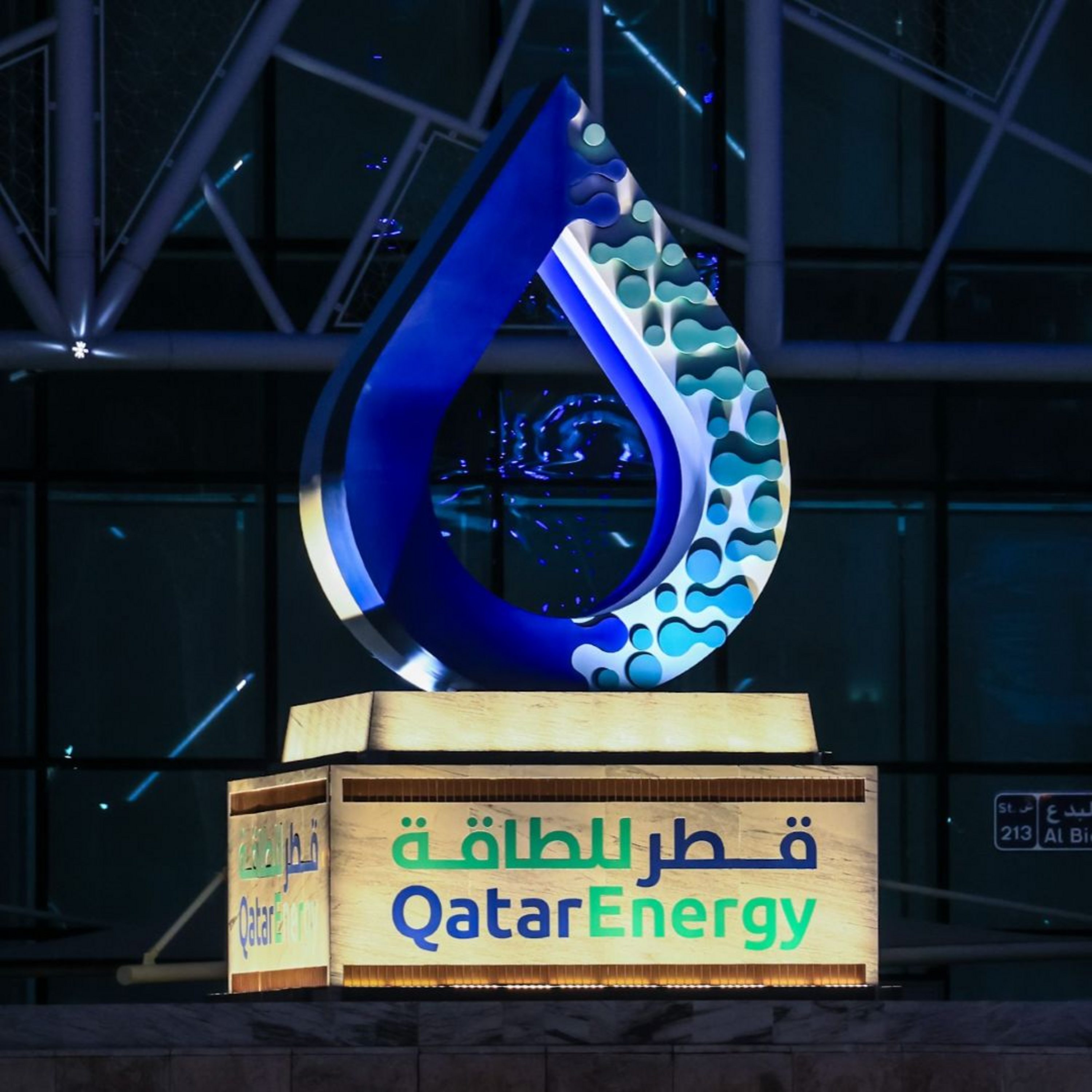
(The logo of state-owned petroleum company QatarEnergy in front of its Doha headquarters. The company has halted production of liquefied natural gas (LNG) after military attacks on its facilities in Ras Laffan Industrial City and Mesaieed Industrial City. Credit: HANNIBAL HANSCHKE/EPA)
Get every episode summarized
Each time World Business Report publishes, we email you a written briefing from the transcript — the topics, who appeared, and any specific claims, with the ad reads skipped.
Email me new episodesFree for 3 shows. No card needed.
Hosts & guests

No transcript yet
This episode has not been transcribed. Request it and it moves to the front of the queue.
More episodes
More from World Business Report

Global shipping threatened by Houthi military advances
World Business Report

"It's like somebody turned the faucet off" - gas prices keep inflation high
World Business Report

China’s President to travel to the BRICS summit in India
World Business Report
ECB hikes rates to 2.5%
World Business Report