religionFeb 28, 20266:55pending
Second Sunday of Lent (Year A) - Good and Bad Days
About this episode
Read Online
“Lord, it is good that we are here. If you wish, I will make three tents here, one for you, one for Moses, and one for Elijah.” Matthew 17:4
The Apostle Peter’s reaction to the Transfiguration reveals that he was overwhelmed by his firsthand experience of a glimpse of Jesus’ true glory. Not long before this moment, our Lord took His disciples north to Caesarea Philippi and asked them privately who they thought He was. Peter boldly proclaimed, “You are the Messiah, the Son of the living God” (Matthew 16:16). In response, Jesus promised Peter that He would build His Church upon him and that Peter himself would be entrusted with the keys to the Kingdom of Heaven. It was a good day for Peter.
Shortly after this, however, Jesus began to reveal to His disciples that He “must go to Jerusalem and suffer greatly from the elders, the chief priests, and the scribes, and be killed and on the third day be raised” (Matthew 16:21). In response, Peter pulled Jesus aside and said, “God forbid, Lord! No such thing shall ever happen to you” (Matthew 16:22). Jesus replied harshly to Peter’s rebuke: “Get behind me, Satan! You are an obstacle to me. You are thinking not as God does, but as human beings do” (Matthew 16:23). It was a bad day for Peter.
Jesus then taught His disciples, “Whoever wishes to come after me must deny himself, take up his cross, and follow me. For whoever wishes to save his life will lose it, but whoever loses his life for my sake will find it” (Matthew 16:24–25). Not only was Jesus soon to suffer greatly, but His followers, including the Twelve, were called to follow Him on this difficult path. This was hard news for them to accept.
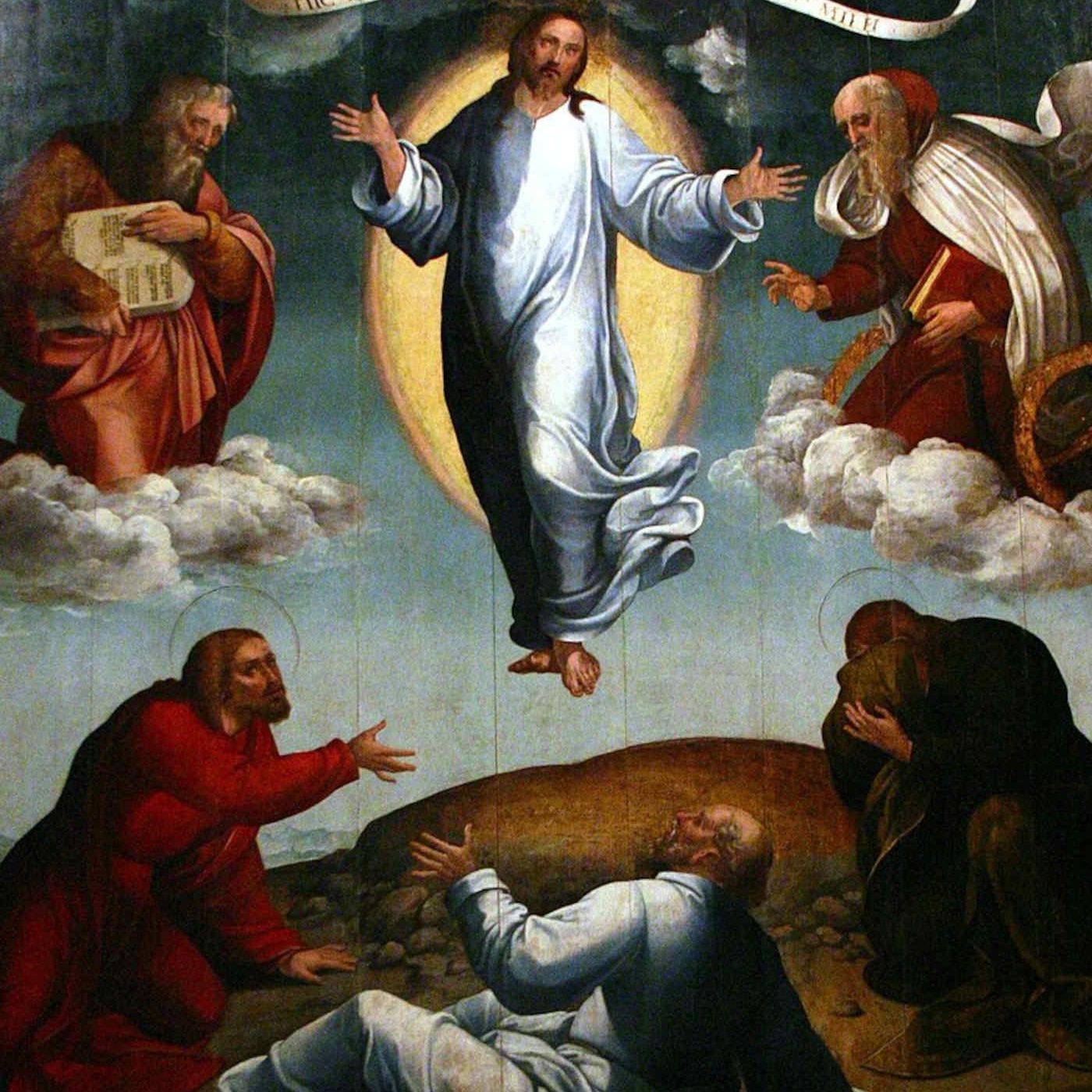
In today’s Gospel, we hear the story of the Transfiguration. Interestingly, Jesus allowed the disciples to reflect on His prediction of suffering for six days before taking Peter, James, and John up a mountain for prayer and solitude. Jesus, aware of their confusion and struggles, was transfigured before their eyes. “His face shone like the sun and his clothes became white as light. And behold, Moses and Elijah appeared to them, conversing with him” (Matthew 17:2–3). Peter exclaimed in this moment of glory, “Lord, it is good that we are here.” It was another good day for Peter.
We all have good days and bad days. But what defines a good day versus a bad day? Was the day of Jesus’ Crucifixion a bad one for Him? Certainly not. Though filled with intense suffering, it was the most glorious day in history because His perfect obedience to the Father’s will was fulfilled. Similarly, Peter’s good and bad days can be understood in terms of his willingness to obey Christ, especially when the demands were great.
In our lives, we must also define our good and bad days through the lens of obedience to God’s will, especially when His will calls us to bear the Cross and practice sacrificial love. It’s easy to love God when we are consoled, but it becomes much more difficult when we face trials. Peter’s declaration, “Lord, it is good that we are here,” is the perfect prayer for us to echo in every circumstance. When we are consoled, as Peter was at the Transfiguration, we must pray this prayer. But unlike Peter’s earlier missteps, we must also say, “It is good,” when we encounter opportunities for sacrificial love, even when difficult.
Reflect today on your own good and bad days. Use the lens of holy obedience and your call to live a life of sacrificial love. Do not hesitate to cry out to the Lord, “It is good!” Consider whether you view every cross and every invitation to love sacrificially as something good. This is what God desires for you; embrace His desire with determination and joy.
My sacrificial Lord, You embraced the Cross and saw it as truly good. You looked beyond the suffering and saw the fruits of Your sacrifice. Help me to imitate You by seeing every act of sacrificial love as the good I desire. I love You, Lord. Help me to love You and others with all my heart. Jesus, I trust in You.
Image: Transfiguration of Jesus Christ by José Luiz Bernardes Ribeiro, CC BY-SA 3.0
Source: Free RSS feed from catholic-daily-reflections.com — Copyright © 2026 My Catholic Life! Inc. All rights reserved. This content is provided solely for personal, non-commercial use. Redistribution, republication, or commercial use — including use within apps with advertising — is strictly prohibited without written permission.
“Lord, it is good that we are here. If you wish, I will make three tents here, one for you, one for Moses, and one for Elijah.” Matthew 17:4
The Apostle Peter’s reaction to the Transfiguration reveals that he was overwhelmed by his firsthand experience of a glimpse of Jesus’ true glory. Not long before this moment, our Lord took His disciples north to Caesarea Philippi and asked them privately who they thought He was. Peter boldly proclaimed, “You are the Messiah, the Son of the living God” (Matthew 16:16). In response, Jesus promised Peter that He would build His Church upon him and that Peter himself would be entrusted with the keys to the Kingdom of Heaven. It was a good day for Peter.
Shortly after this, however, Jesus began to reveal to His disciples that He “must go to Jerusalem and suffer greatly from the elders, the chief priests, and the scribes, and be killed and on the third day be raised” (Matthew 16:21). In response, Peter pulled Jesus aside and said, “God forbid, Lord! No such thing shall ever happen to you” (Matthew 16:22). Jesus replied harshly to Peter’s rebuke: “Get behind me, Satan! You are an obstacle to me. You are thinking not as God does, but as human beings do” (Matthew 16:23). It was a bad day for Peter.
Jesus then taught His disciples, “Whoever wishes to come after me must deny himself, take up his cross, and follow me. For whoever wishes to save his life will lose it, but whoever loses his life for my sake will find it” (Matthew 16:24–25). Not only was Jesus soon to suffer greatly, but His followers, including the Twelve, were called to follow Him on this difficult path. This was hard news for them to accept.
In today’s Gospel, we hear the story of the Transfiguration. Interestingly, Jesus allowed the disciples to reflect on His prediction of suffering for six days before taking Peter, James, and John up a mountain for prayer and solitude. Jesus, aware of their confusion and struggles, was transfigured before their eyes. “His face shone like the sun and his clothes became white as light. And behold, Moses and Elijah appeared to them, conversing with him” (Matthew 17:2–3). Peter exclaimed in this moment of glory, “Lord, it is good that we are here.” It was another good day for Peter.
We all have good days and bad days. But what defines a good day versus a bad day? Was the day of Jesus’ Crucifixion a bad one for Him? Certainly not. Though filled with intense suffering, it was the most glorious day in history because His perfect obedience to the Father’s will was fulfilled. Similarly, Peter’s good and bad days can be understood in terms of his willingness to obey Christ, especially when the demands were great.
In our lives, we must also define our good and bad days through the lens of obedience to God’s will, especially when His will calls us to bear the Cross and practice sacrificial love. It’s easy to love God when we are consoled, but it becomes much more difficult when we face trials. Peter’s declaration, “Lord, it is good that we are here,” is the perfect prayer for us to echo in every circumstance. When we are consoled, as Peter was at the Transfiguration, we must pray this prayer. But unlike Peter’s earlier missteps, we must also say, “It is good,” when we encounter opportunities for sacrificial love, even when difficult.
Reflect today on your own good and bad days. Use the lens of holy obedience and your call to live a life of sacrificial love. Do not hesitate to cry out to the Lord, “It is good!” Consider whether you view every cross and every invitation to love sacrificially as something good. This is what God desires for you; embrace His desire with determination and joy.
My sacrificial Lord, You embraced the Cross and saw it as truly good. You looked beyond the suffering and saw the fruits of Your sacrifice. Help me to imitate You by seeing every act of sacrificial love as the good I desire. I love You, Lord. Help me to love You and others with all my heart. Jesus, I trust in You.
Image: Transfiguration of Jesus Christ by José Luiz Bernardes Ribeiro, CC BY-SA 3.0
Source: Free RSS feed from catholic-daily-reflections.com — Copyright © 2026 My Catholic Life! Inc. All rights reserved. This content is provided solely for personal, non-commercial use. Redistribution, republication, or commercial use — including use within apps with advertising — is strictly prohibited without written permission.
Get every episode summarized
Each time Catholic Daily Reflections publishes, we email you a written briefing from the transcript — the topics, who appeared, and any specific claims, with the ad reads skipped.
Email me new episodesFree for 3 shows. No card needed.
Hosts & guests
No transcript yet
This episode has not been transcribed. Request it and it moves to the front of the queue.
More episodes
More from Catholic Daily Reflections

September 8, Feast of the Nativity of the Blessed Virgin Mary - The Dawn of Salv...
Catholic Daily Reflections
Sep 7, 20268:05completed

Monday of the Twenty-third Week in Ordinary Time - Seeing is Believing?
Catholic Daily Reflections
Sep 6, 20267:33completed

Twenty-third Sunday in Ordinary Time (Year A) - The Joy of Reconciliation
Catholic Daily Reflections
Sep 5, 20267:42completed

Saturday of the Twenty-second Week in Ordinary Time - Confronting Opposition
Catholic Daily Reflections
Sep 4, 20267:29completed