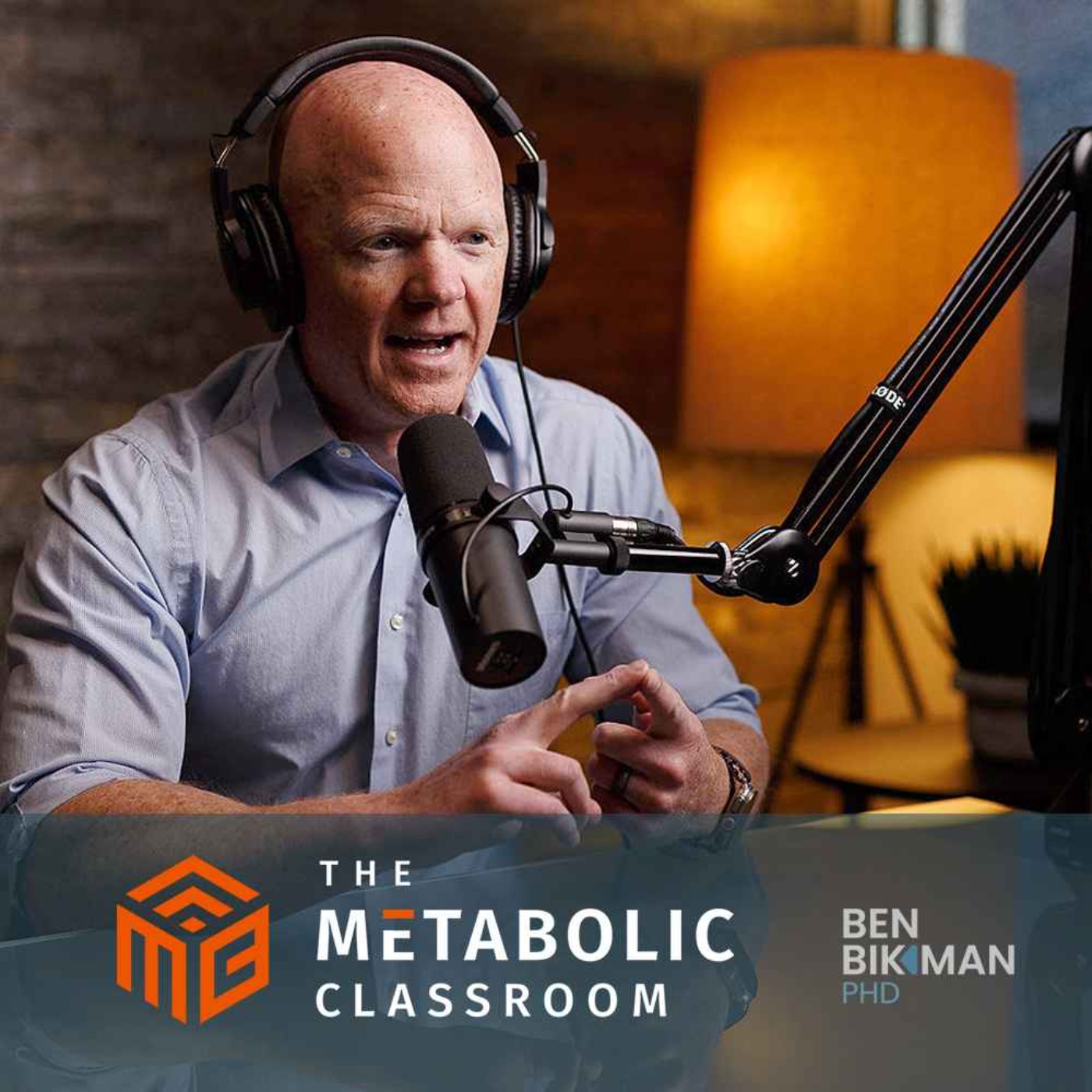
Rapamycin and Longevity: What the Research Really Says with Dr. Ben Bikman
About this episode
In today’s episode of The Metabolic Classroom, Dr. Ben Bikman delivers a lecture focusing on the drug rapamycin and its impact on longevity.
The primary discussion revolves around the role of the protein complex mTOR (mammalian target of rapamycin) in the body's aging process. While rapamycin is often touted as a drug that can inhibit mTOR and thereby promote longevity, Ben emphasizes that much of this belief is based on animal studies and lacks solid human evidence. The mTOR pathway is involved in cell growth and protein synthesis, particularly in muscle tissue, making its inhibition controversial when it comes to aging and muscle maintenance.
Dr. Bikman highlights that some research suggests reducing mTOR activity by lowering protein intake might promote longevity. However, he pointed out that for older populations, higher protein consumption is correlated with reduced mortality, particularly from animal protein sources. This is especially significant when considering muscle mass, which has been consistently linked to longer lifespan. Inhibiting mTOR might impair muscle growth and maintenance, making rapamycin problematic for those aiming to preserve muscle health as they age.
In addition to discussing the potential benefits of rapamycin, Ben underscores its negative side effects, including immune suppression, increased triglycerides (which elevate the risk of heart disease), and the inhibition of muscle protein synthesis. He also raises concerns about the drug’s ability to reduce testosterone levels and hinder reproductive health in both men and women. Given that reproduction is a key element of both evolutionary theory and many religious doctrines, Dr. Bikman questions the wisdom of using a drug that compromises reproductive function.
Dr. Bikman concludes by connecting the role of insulin to mTOR activation. He argues that insulin has a much stronger effect on mTOR than dietary protein does, and prolonged elevated insulin levels, common in modern diets, keep mTOR constantly active. This chronic activation of mTOR may hinder longevity more than protein intake or rapamycin inhibition.
Instead of relying on drugs like rapamycin, Ben suggests that reducing insulin levels through dietary interventions like fasting may be a more effective and natural way to manage mTOR activity and promote healthy aging.
My favorite meal-replacement shake: https://gethlth.com (discount: BEN10)
My favorite electrolytes (and more): https://redmond.life (discount: BEN15)
My favorite allulose source: https://rxsugar.com (discount: BEN20)
References:
Due to character length constraints, references are not posted here. However, for a complete list, we respond quickly. Please email: [email protected] with your request, and be sure to mention which classroom episode you are referring to.
#Longevity #Rapamycin #AgingScience #mTOR #Healthspan #Autophagy #MuscleHealth #BenBikman #MetabolicHealth #HealthyAging #AntiAging #FastingBenefits #InsulinResistance #ImmuneHealth #ProteinSynthesis #HeartHealth #TestosteroneHealth #ReproductiveHealth #ScientificResearch #MetabolismMatters #BenBikman #DrBenBikman
Hosted on Acast. See acast.com/privacy for more information.
Get every episode summarized
Each time The Metabolic Classroom with Dr. Ben Bikman publishes, we email you a written briefing from the transcript — the topics, who appeared, and any specific claims, with the ad reads skipped.
Email me new episodesFree for 3 shows. No card needed.
Hosts & guests
No transcript yet
This episode has not been transcribed. Request it and it moves to the front of the queue.
More episodes
More from The Metabolic Classroom with Dr. Ben Bikman

Why Alzheimer’s May Be a Metabolic Disease
The Metabolic Classroom with Dr. Ben Bikman

The Personal Fat Threshold Explained and Ethnicity’s Impact
The Metabolic Classroom with Dr. Ben Bikman

How Bile Controls Insulin, GLP-1, and Fat Burning
The Metabolic Classroom with Dr. Ben Bikman

LDL Isn’t the Problem? The Real Drivers of Heart Disease
The Metabolic Classroom with Dr. Ben Bikman