religionNov 27, 20204:52pending
Rama As Ram Sin Ruled Mesapotamia Sixty years
About this episode
Of these on Mesapotamia, Sumeria, I have written about the link between Sanatana Dharma/Hinduism and Mesopotamia,Assyria and Sumeria.
I am mentioning only these because it is relevant to this article.
Santana Dharma was prevailing throughout the world,even before Lord Rama established his empire.
His ancestor Dileepa ruled the world as also Sagara,after whom the ocean was named as Sagar.
I am researching on Dileepa and Shall write.
Please read my articles on the presence of Sanatana Dharma in,
Australia,
New zealand,
Vietnam,
Laos,
Cambodia,
Korea,
Japan,
Philippines,
Indonesia,
Bali,
Fiji,
Thailand,
Singapore,
Sri Lanka,
Myanmar,
Iran,
Iraq,
Turkey,
Saudi Arabia,
Jordan,
Europe,
Africa,
North and South America,
Caribbean…..
Hinduism was present in Mesopotamia.
Lord Rama is mentioned in the Kings List of Sumerian,along with Dasaratha and Bharatha.
People of middle east followed the marriage vow Sapthapathi of Sanatana Sharma.
Lord Subrahmanya tribe is found in Iraq.(Peacock Tribe)
Lord Rama’s Chapel is in Iraq.
Gobekli Tepe Temple in Turkey was built by Brahmins.
Lord Narasimha,an Avatar of Vishnu was called Naram Sin.
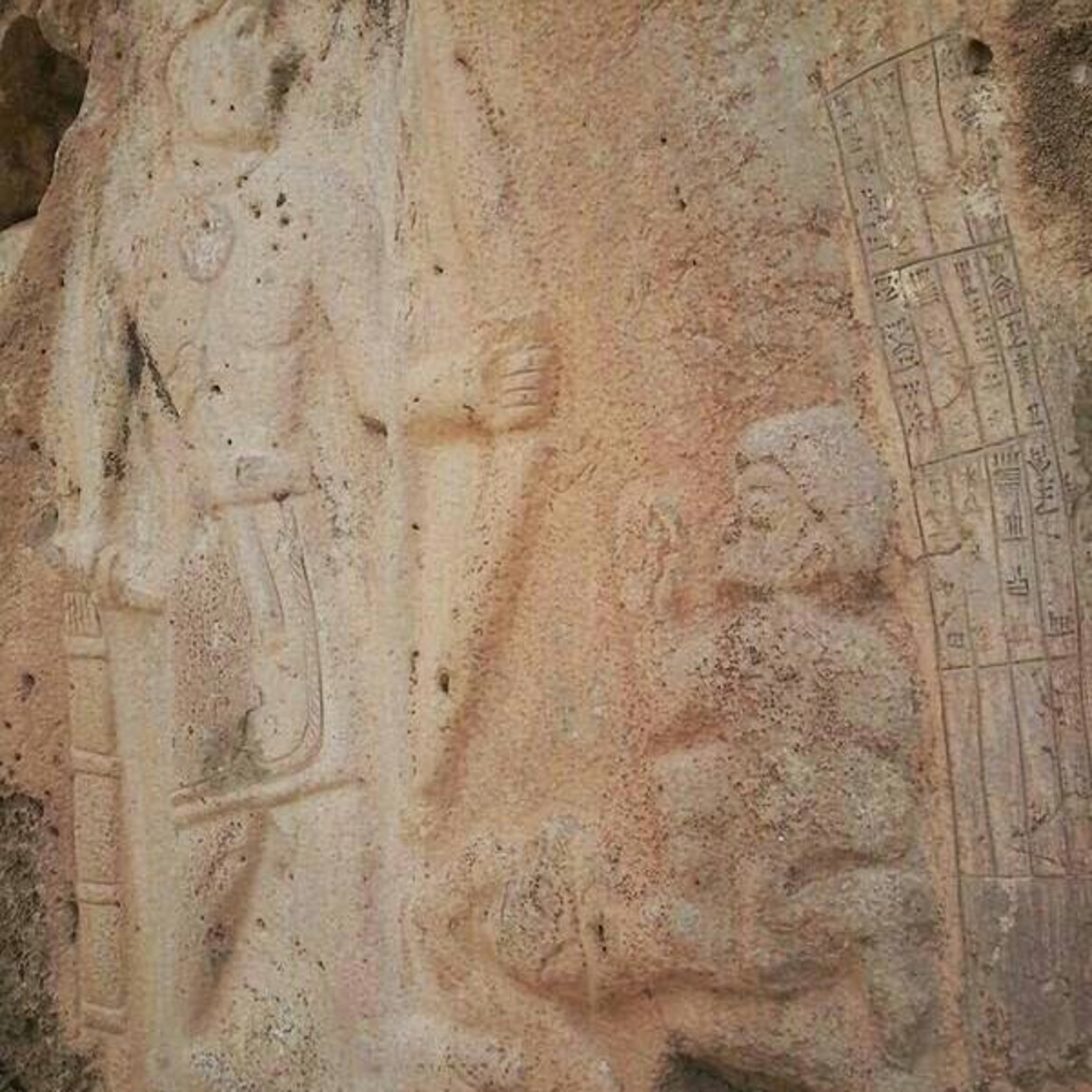
Carvings of Rama and Hanuman are found in Silemania.
Rama was known as Ram Sin.
He ruled for sixty years.
The Cambridge Ancient History[xvi][iii] which is usually not considered as a sourcebook for Indian history by writers like Romila Thapar contains priceless information relevant to Indian ancient history. In the highly authentic Sumerian king list appears such hallowed names as Bharat (Warad) Sin and Ram Sin. As Sin was the Moon god Chandra Ram Sin can be seen to be same as Rama Chandra. Bharat Sin ruled for 12 years (1834-1822 BC), exactly as stated in the Dasaratha Jataka. The Jataka statement, “Years sixty times hundred, and ten thousand more, all told, / Reigned strong-armed Rama”, only means that Rama reigned for sixty years which agrees exactly with the data of Assyriologists. Ram Sin was the longest reigning monarch of Mesopotamia who ruled for 60 years. The mention of the father in the inscriptions of both Warad Sin and Ram Sin is noteworthy and may point to a palace intrigue. Joan Oates is not aware of the Ramayana but writes with great insight (p. 61) that Warad sin was manoeuvred to the throne by his father. In Mesopotamia, a prince normally became king only after the death of his father. Lakshmana, mentioned the Bible as Lakhamar, ruled as a great king.
Reference and citation.
http://www.vina.cc/2015/09/28/6000-year-old-lord-rama-and-hanuman-carvings-in-silemania-iraq/?osm=1
https://ramanisblog.in/2017/12/05/lord-ramayana-ruled-iraq-mesapotamia-for-sixty-years-ram-sin/#:~:text=Ram%20Sin%20was%20the%20longest,point%20to%20a%20palace%20intrigue.&text=Lakshmana%2C%20mentioned%20the%20Bible%20as,ruled%20as%20a%20great%20king.
Get every episode summarized
Each time Hinduism History Practices Mantras publishes, we email you a written briefing from the transcript — the topics, who appeared, and any specific claims, with the ad reads skipped.
Email me new episodesFree for 3 shows. No card needed.
No transcript yet
This episode has not been transcribed. Request it and it moves to the front of the queue.
More episodes
More from Hinduism History Practices Mantras

Mrutunjaya Stotram by Markandeya
Hinduism History Practices Mantras
Jan 12, 20263:22pending
Surya Upanishad
Hinduism History Practices Mantras
Oct 2, 20255:22pending

Dhoomralochana Vadha Chapter 6 Durga Daptashati
Hinduism History Practices Mantras
Feb 5, 20253:56pending

Sri Vidya Explained,Texts Sources
Hinduism History Practices Mantras
Feb 5, 20259:19pending