About this episode
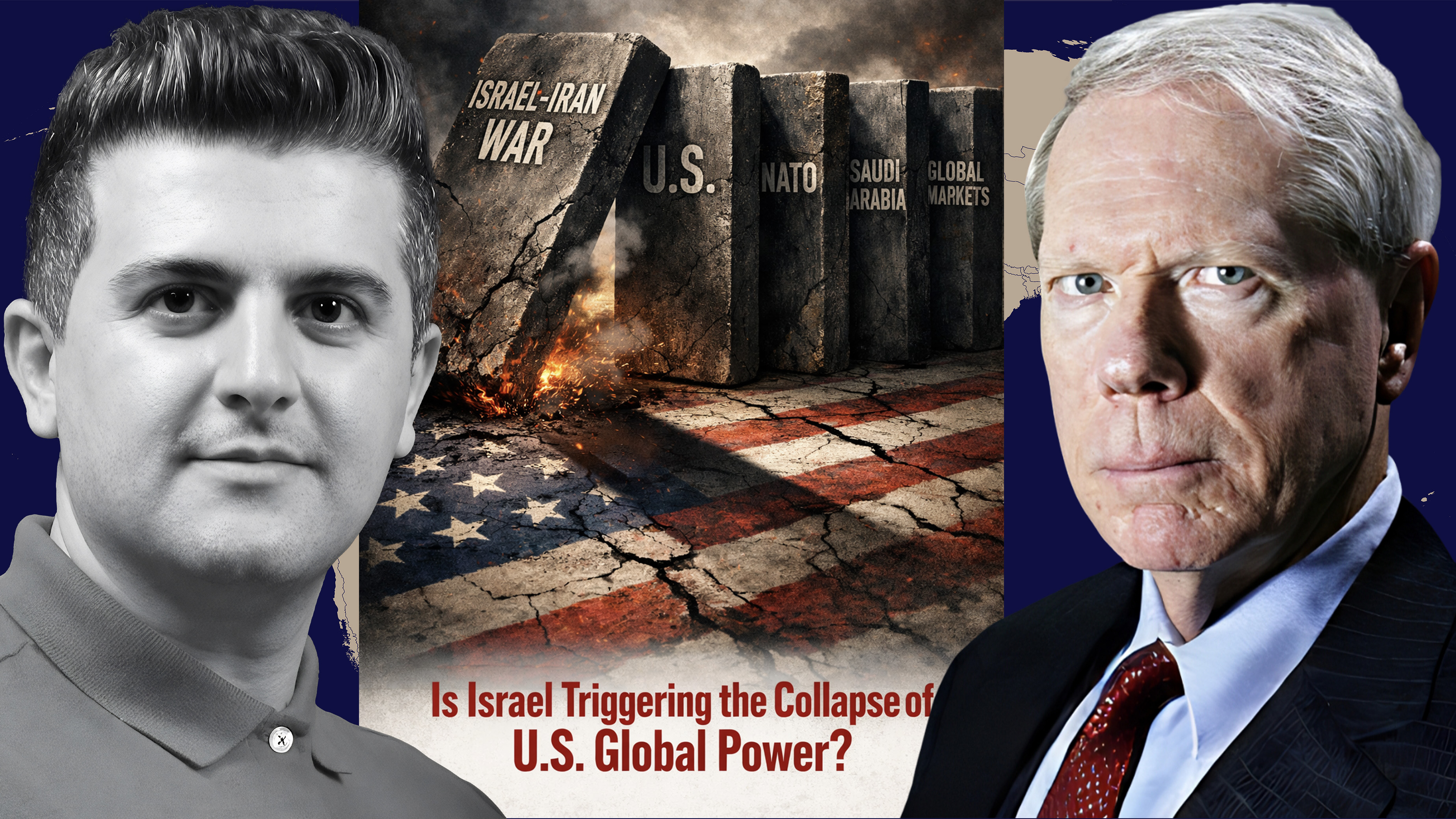
Analysis of the US-Iran conflict reveals conflicting military narratives. Iran retains retaliatory capabilities and leverages control of the Strait of Hormuz to demand sanctions relief and security guarantees. The discussion identifies regional dominance agendas as the root cause, leaving little room for negotiated solutions. With allies refusing military involvement and conventional options stalled, concerns grow that desperate leaders may consider nuclear escalation to save face. Iran's survival is framed as incompatible with certain regional agendas, creating an existential standoff. If Iran prevails, it could reshape global power dynamics; if defeated, risks of wider nuclear confrontation rise. The conversation warns of urgent stakes beyond official propaganda, emphasizing the catastrophic risks of miscalculation and the need for public awareness of the true drivers behind the conflict.
Hosted on Acast. See acast.com/privacy for more information.
Get every episode summarized
Each time Dialogue Works publishes, we email you a written briefing from the transcript — the topics, who appeared, and any specific claims, with the ad reads skipped.
Email me new episodesFree for 3 shows. No card needed.
Hosts & guests
No transcript yet
This episode has not been transcribed. Request it and it moves to the front of the queue.
More episodes
More from Dialogue Works

Nima R. Alkhorshid: US Navy FLEES After Iran’s Hypersonic Missile Impact – New I...
Dialogue Works
Sep 8, 202657:50completed

Col. Larry Wilkerson: Missile Over Carrier: Iran's Bold Test Sends US Navy Runni...
Dialogue Works
Sep 8, 20261:04:34completed

Paul Craig Roberts: Iran and the U.S. Move Closer to a Major Confrontation
Dialogue Works
Sep 8, 202651:29completed

Col. Jacques Baud:BREAKING: Houthi Missiles Strike Saudi Aramco – Fire Erupts at...
Dialogue Works
Sep 8, 20261:03:49completed