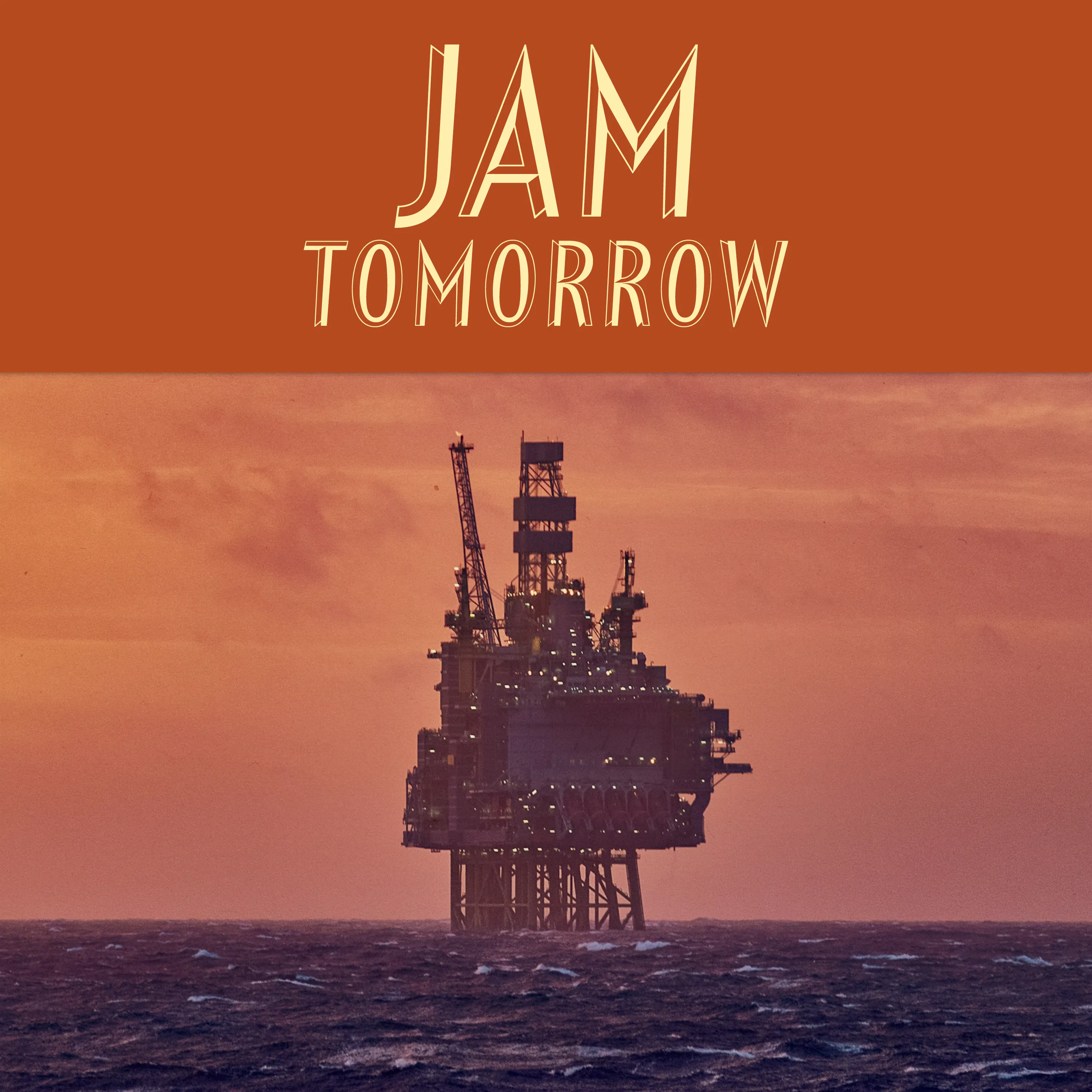
About this episode
In 1969, three kilometres under the North Sea, drillers found something that would change Britain completely.
It would transform us into an oil-producing nation, fuel Thatcherism in the 1980s, feed resentment in Scotland — and yet all of it happened largely out of sight of most Britons.
How did North Sea oil and gas change us? What’s life like for the dwindling group of people who work in the industry? And can drilled-out fields actually help to combat global heating?
“At peak production, the revenue from North Sea profits were taxed at 95 percent.” – Jon Gluyas, chair in geoenergy, carbon capture and storage at Durham University
“People are not blind to what is happening in the industry… It’s hard for older workers.” – photographer and oil worker Peter Iain Campbell
“There’s no doubt about the impact the burning of fossil fuels has had on our environment. We also have to acknowledge how it has utterly transformed our society over the last 50 years.” – Peter Iain Campbell
A selection of Peter Iain Campbell’s photos of North Sea oil installations are on his website.
JAM TOMORROW is written and presented by Ros Taylor. The producer is Jade Bailey. Voiceovers are by Seth Thevoz. Music is by Dubstar and artwork by James Parrett. The managing editor is Jacob Jarvis and the group editor is Andrew Harrision. JAM TOMORROW is a Podmasters production.
Learn more about your ad choices. Visit podcastchoices.com/adchoices
Get every episode summarized
Each time Jam Tomorrow publishes, we email you a written briefing from the transcript — the topics, who appeared, and any specific claims, with the ad reads skipped.
Email me new episodesFree for 3 shows. No card needed.
Hosts & guests

No transcript yet
This episode has not been transcribed. Request it and it moves to the front of the queue.
More episodes


