About this episode
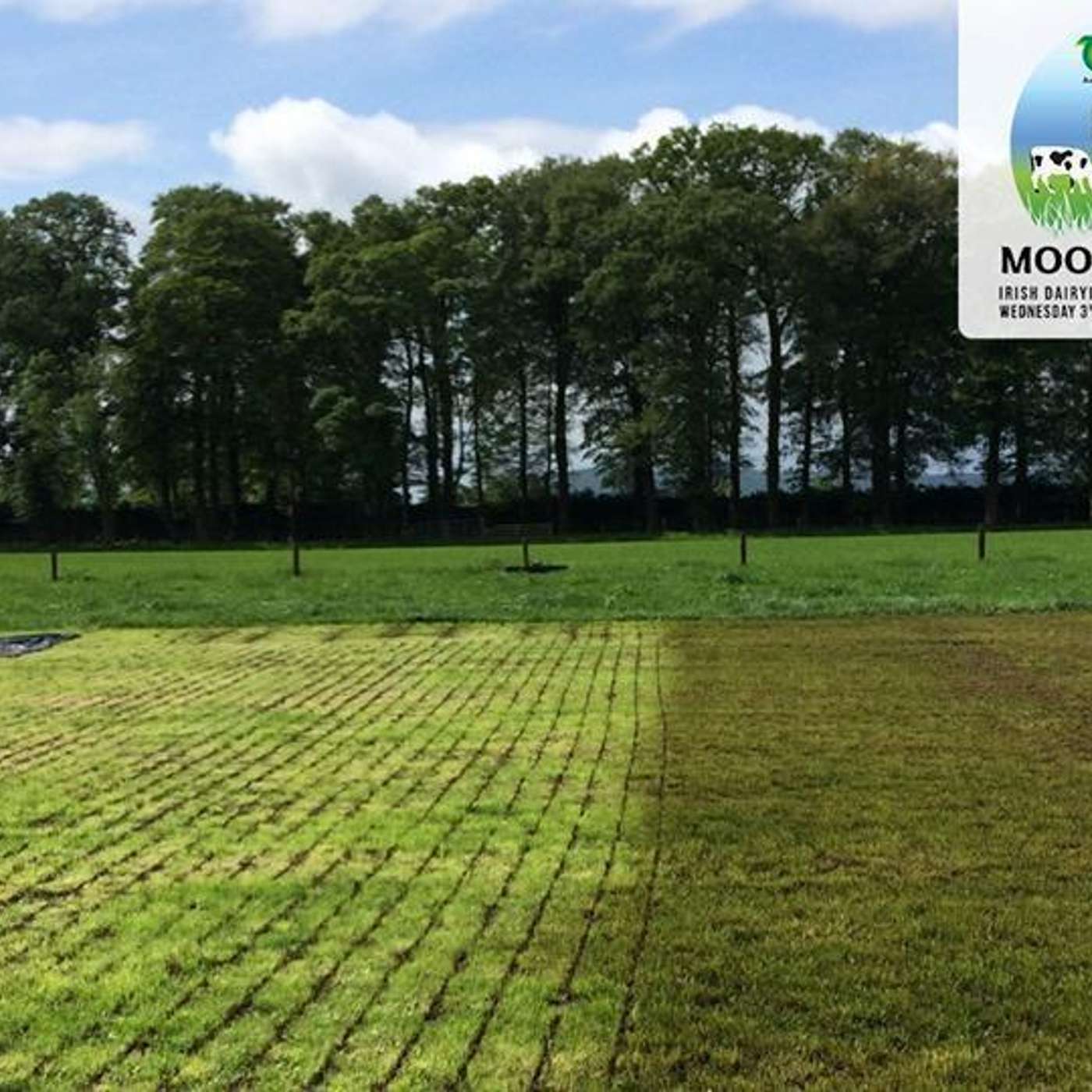
William Burchill joins Emma-Louise Coffey to discuss new cost-effective methods of slurry spreading.
William reminds us of the value of slurry, which is the equivalent to 6 units of Nitrogen, 5 units of Phosphorus and 30 units of Potassium.
Interestingly, slurry from dairy cows, that is often mixed with dairy washings from collecting yards are diluted and offer the half rate of Phosphorus and Potassium.
Explaining the reasons behind new slurry spreading methods, the context is in our aims to reduce both Greenhouse Gas and Ammonia emissions. Benefits to the farmer includes reducing environmental footprint, reduced contamination of grass, greater nutrient availability and flexibility in what paddocks where slurry can be spread.
Use of contractors with low emission slurry tanks is more expensive in the region of €10-25/hr while the purchase of a low emission slurry tank can be €13,000-15,000 more expensive compared with conventional slurry tanks.
William is confident however, that effective use of low emission methods will compensate for additional costs.
Get every episode summarized
Each time The Dairy Edge publishes, we email you a written briefing from the transcript — the topics, who appeared, and any specific claims, with the ad reads skipped.
Email me new episodesFree for 3 shows. No card needed.
Hosts & guests
No transcript yet
This episode has not been transcribed. Request it and it moves to the front of the queue.
More episodes


