religionNov 19, 20207:22pending
Narasimha Nagar Balabhadra in Mesopotamia
About this episode
Tell Brak, ancient Nagar, is a tell, or settlement mound, in the Upper Khabur area in Al-Hasakah Governorate, northeasternSyria. The site was occupied between the sixth and second millennia BC. At 40 metres (130 ft) in height, and an area of approximately 130 hectares (320 acres), it is one of the largest archaeological sites in northern Mesopotamia. It was taken over during the “Syrian Civil War” by the People’s Protection Units, as well as its surrounding settlements.
Their ancestors were the Halaf and Ubaid.
They date back to 6100 BC.
They had connection with the Tamils and this is reflected in the ruins of Nagar.
These people traded with the Tamils.
”Naram-Sin traded with Meluhha (almost certainly corresponding to the Indus Valley civilization), and controlled a large portion of land along the Persian Gulf. He expanded his empire by defeating the King of Magan at the southern end of the Persian Gulf, and conquering the hill tribes to the north in the Taurus Mountains
The location of Meluhha, however, is hotly debated. There are scholars today who confidently identify Meluhha with the Harappan Civilization, in modern Pakistan, on the basis of the extensive evidence of trading contacts between Sumer and this region. Sesame oil was probably imported from the Indus valley into Sumer: the Sumerian word for this oil isillu (Akkadian: ellu). In Dravidian languages of South India el or ellu stands for sesame’
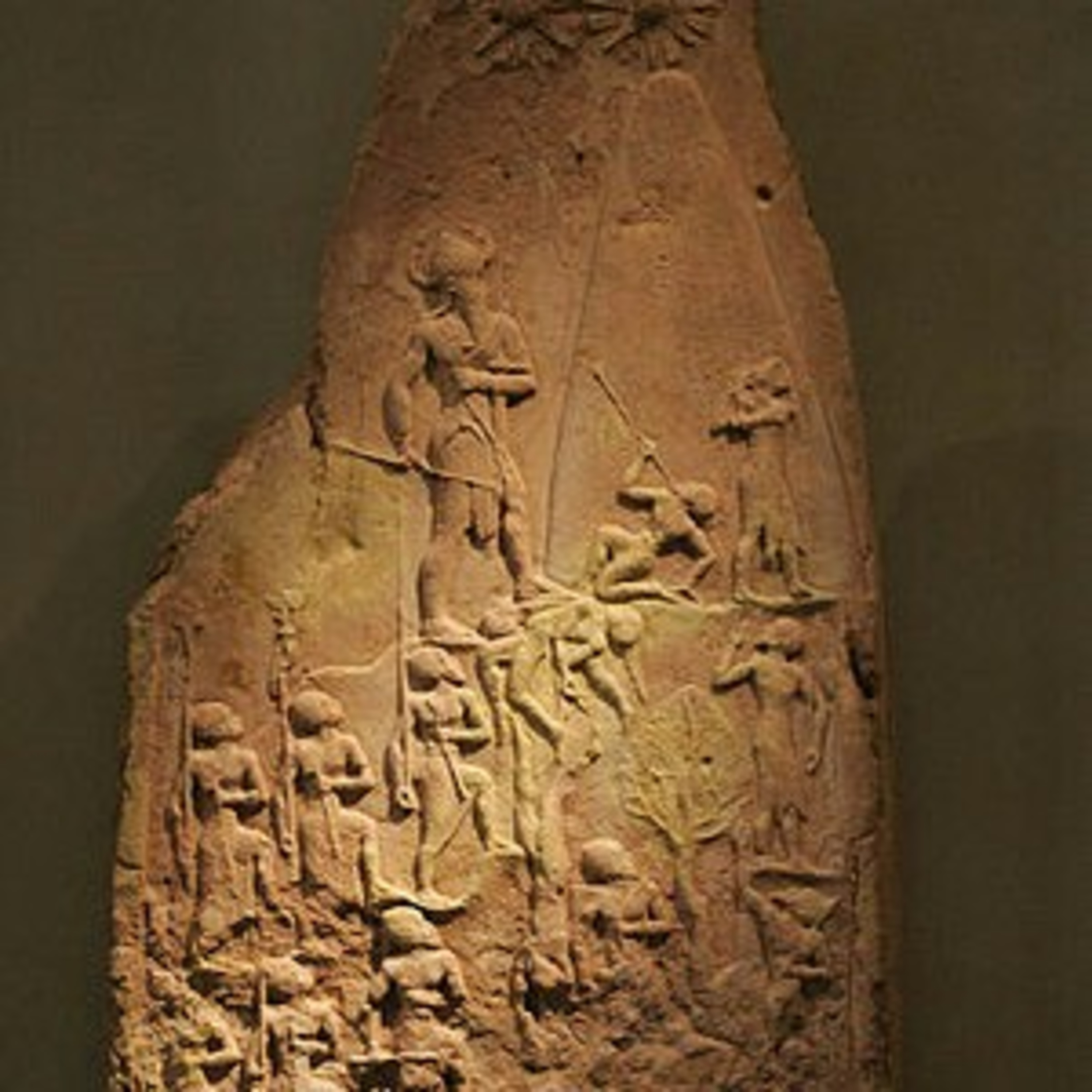
Nagar’ (नगर) is Sanskrit for ‘city’ or ‘settlement’. So is the name Naram Sin, it seems to be a deviation of the Sanskrit ‘narsimha’ meaning ‘man-lion’, a name fit for a king. Narsimha is also another name for the fourth avatar of the Vedic God Vishnu. Here are two steles of the Akkadian King Naram Sin – the link to man-lion is evident.
There are also finds with three figures resembling either Rama ,Lakshman and Sita or Krishna, Balarama and Subhadra.
For more visit
https://ramanisblog.in/2015/02/10/narasimha-rama-nagar-tamils-in-ancient-syria/
Get every episode summarized
Each time Hinduism History Practices Mantras publishes, we email you a written briefing from the transcript — the topics, who appeared, and any specific claims, with the ad reads skipped.
Email me new episodesFree for 3 shows. No card needed.
No transcript yet
This episode has not been transcribed. Request it and it moves to the front of the queue.
More episodes
More from Hinduism History Practices Mantras

Mrutunjaya Stotram by Markandeya
Hinduism History Practices Mantras
Jan 12, 20263:22pending
Surya Upanishad
Hinduism History Practices Mantras
Oct 2, 20255:22pending

Dhoomralochana Vadha Chapter 6 Durga Daptashati
Hinduism History Practices Mantras
Feb 5, 20253:56pending

Sri Vidya Explained,Texts Sources
Hinduism History Practices Mantras
Feb 5, 20259:19pending