About this episode
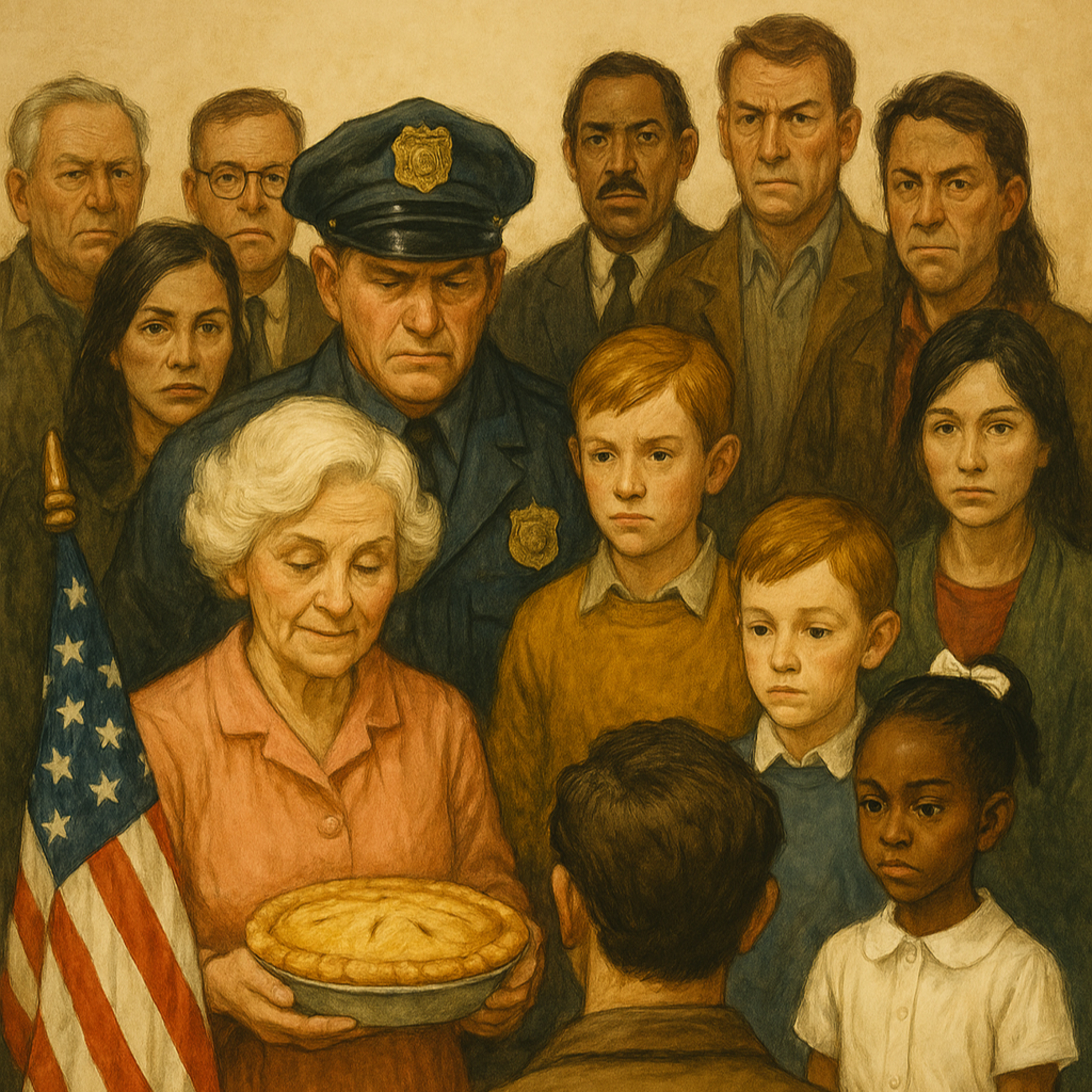
The phrase “as American as mom and apple pie” once described something wholesome and unquestioned. It evoked family, community, and tradition. Today, critics recast those same images as coded language for oppression. The cultural consensus of the 1980s and 1990s is no longer neutral. Under the modern lens, it is marked as racist, sexist, homophobic, transphobic, and even fascist. When normal life is reframed as oppressive, nearly everyone outside a narrow ideology is implicated. There is no neutral ground.
This new moral order assumes that redefining words and policing behavior can control hearts and minds. But humans resist control. They push back when cornered, often out of spite. This explains why cultural campaigns produce backlash. Boycotts of brands like Bud Light or Target were not about products. They were expressions of rebellion against being told nostalgia for one’s own culture is immoral. Ironically, by declaring traditional symbols dangerous, activists turn them into emblems of resistance. The harder the effort to erase them, the more stubbornly they endure.
The Sydney Sweeney controversy makes this clear. American Eagle ran an ad with the slogan “Sydney Sweeney has great jeans.” A simple pun was read as promoting eugenics because the actress is blonde and blue-eyed. Some labeled it fascist-coded. Others mocked the outrage. Sales rose. Even harmless ads are now treated as ideological tests. Extreme marketing thrives in this environment. Outrage spreads faster than approval, and controversy drives profit. Every purchase feels like a political vote.
The same dynamic plays out in policy. When police are framed as fascists, enforcement is weakened. Sanctuary cities, meant to protect, often signal weakness. Game theory predicts predators will exploit these gaps. Crime rises where enforcement falls. Meanwhile, suburban and rural residents watch calmly from a distance. They are armed, skeptical, and detached, expecting failure.
The paradox deepens. Sanctuaries meant to shield undocumented immigrants often concentrate them where they are easiest to target. Federal agencies treat these cities as stocked ponds. Publicly, city leaders condemn enforcement. Privately, they cooperate to maintain order. Businesses notice instability and leave, hollowing out local economies.
These policies resemble United Nations mandates: bold in language, weak in power. They depend on the very systems they oppose to keep functioning. They are more about virtue signaling than effective governance. The result is a cycle. Redefining normality breeds resentment. Resentment fuels backlash. Backlash drives polarization. Ideological policies create chaos, forcing quiet compromises that expose their limits.
This conflict plays out like an old film gag. The cigar burns, everyone smiles, and the explosion is inevitable. Attempts to control culture through moral pressure do not end as expected. The backlash is already here, seen in quiet decisions, empty storefronts, and eroding trust. The old symbols of America persist—not because they are flawless, but because they are human and resistant to erasure.
Mom and apple pie remain. Not as propaganda, but as things people hold onto when everything else is called into question.
Get every episode summarized
Each time The Chris Abraham Show publishes, we email you a written briefing from the transcript — the topics, who appeared, and any specific claims, with the ad reads skipped.
Email me new episodesFree for 3 shows. No card needed.
Hosts & guests
No transcript yet
This episode has not been transcribed. Request it and it moves to the front of the queue.
More episodes
More from The Chris Abraham Show

How I Stole 24 Months of Gameplay in 60 Seconds of Bad Decisions
The Chris Abraham Show

America Goes Abroad in Search of Monsters to Destroy—A 21-Year Warning About End...
The Chris Abraham Show

The Deportation Plan Broke So the Bombs Came Out
The Chris Abraham Show

Media Capture, Populism, and the NPR Trust Problem
The Chris Abraham Show