scienceFeb 4, 202619:22pending
Mercury's Hidden Activity and Titan's Dragonfly: Exploring Volatile Streaks and Robotic Rotocopters
About this episode
SpaceTime with Stuart Gary Gary - Series 29 Episode 15
In this episode of SpaceTime, we uncover intriguing discoveries about Mercury's geological activity, NASA's innovative Dragonfly mission to Titan, and the environmental impacts of rocket fuel pollution.
Mercury's Surprising Streaks
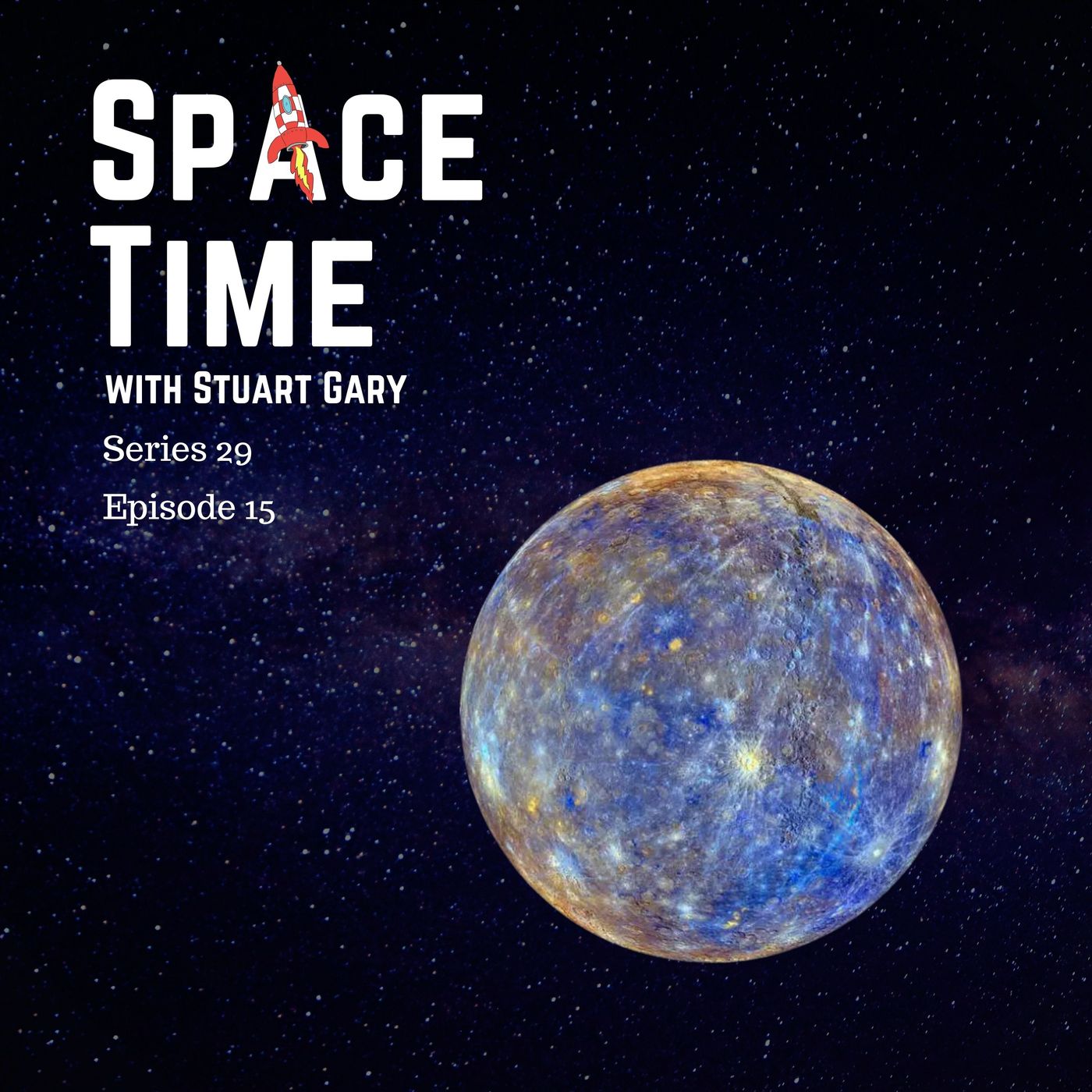
A new study reveals bright streaks, or lineae, on Mercury's surface, suggesting the planet is not as geologically inactive as previously thought. Researchers from the University of Bern utilized machine learning to analyze over 100,000 images from NASA's MESSENGER spacecraft, discovering that these streaks are likely caused by the outgassing of volatile materials from beneath Mercury's crust. This finding indicates ongoing geological processes and will be further explored by the BepiColombo mission, set to reach Mercury later this year.
NASA's Dragonfly Mission to Titan
NASA is developing the Dragonfly, a car-sized rotocopter designed to explore Saturn's moon Titan, which features methane and ethane lakes. Scheduled for launch in 2028, Dragonfly will utilize Titan's dense atmosphere to fly to various locations, examining environments that may harbor organic materials essential for life. The mission builds on the success of the Ingenuity rotocopter on Mars, with extensive testing underway to ensure optimal performance in Titan's unique conditions.
Rocket Fuel Pollution and the Ozone Layer
A recent study highlights the damaging effects of burning rocket fuels, such as kerosene, on Earth's ozone layer. The report indicates that the rapid growth of the rocket launch industry is exacerbating this issue, particularly affecting regions like Antarctica and parts of Australia. Researchers are calling for restrictions on the use of these fuels to mitigate environmental harm.
www.spacetimewithstuartgary.com
✍️ Episode References
Nature Communications, Earth and Environment
Climate and Atmospheric Science
Become a supporter of this podcast: https://www.spreaker.com/podcast/spacetime-your-guide-to-space-astronomy--2458531/support.
(00:00:00) Streaks on the surface of Mercury suggesting it's not quite dead yet
(00:11:13) Burning rocket fuel damages Earth's ozone layer, study finds
(00:12:28) A new study claims cyber attacks can spark intense social media discussions
(00:14:53) Apple bans anti woke Holly Valent song from iTunes in Australia
(00:16:39) Apple has now had hypertension notifications authorized by the TGN
(00:18:04) Space Time is available every Monday, Wednesday and Friday through bitesz. com
In this episode of SpaceTime, we uncover intriguing discoveries about Mercury's geological activity, NASA's innovative Dragonfly mission to Titan, and the environmental impacts of rocket fuel pollution.
Mercury's Surprising Streaks
A new study reveals bright streaks, or lineae, on Mercury's surface, suggesting the planet is not as geologically inactive as previously thought. Researchers from the University of Bern utilized machine learning to analyze over 100,000 images from NASA's MESSENGER spacecraft, discovering that these streaks are likely caused by the outgassing of volatile materials from beneath Mercury's crust. This finding indicates ongoing geological processes and will be further explored by the BepiColombo mission, set to reach Mercury later this year.
NASA's Dragonfly Mission to Titan
NASA is developing the Dragonfly, a car-sized rotocopter designed to explore Saturn's moon Titan, which features methane and ethane lakes. Scheduled for launch in 2028, Dragonfly will utilize Titan's dense atmosphere to fly to various locations, examining environments that may harbor organic materials essential for life. The mission builds on the success of the Ingenuity rotocopter on Mars, with extensive testing underway to ensure optimal performance in Titan's unique conditions.
Rocket Fuel Pollution and the Ozone Layer
A recent study highlights the damaging effects of burning rocket fuels, such as kerosene, on Earth's ozone layer. The report indicates that the rapid growth of the rocket launch industry is exacerbating this issue, particularly affecting regions like Antarctica and parts of Australia. Researchers are calling for restrictions on the use of these fuels to mitigate environmental harm.
www.spacetimewithstuartgary.com
✍️ Episode References
Nature Communications, Earth and Environment
Climate and Atmospheric Science
Become a supporter of this podcast: https://www.spreaker.com/podcast/spacetime-your-guide-to-space-astronomy--2458531/support.
(00:00:00) Streaks on the surface of Mercury suggesting it's not quite dead yet
(00:11:13) Burning rocket fuel damages Earth's ozone layer, study finds
(00:12:28) A new study claims cyber attacks can spark intense social media discussions
(00:14:53) Apple bans anti woke Holly Valent song from iTunes in Australia
(00:16:39) Apple has now had hypertension notifications authorized by the TGN
(00:18:04) Space Time is available every Monday, Wednesday and Friday through bitesz. com
Get every episode summarized
Each time SpaceTime with Stuart Gary publishes, we email you a written briefing from the transcript — the topics, who appeared, and any specific claims, with the ad reads skipped.
Email me new episodesFree for 3 shows. No card needed.
Hosts & guests
No transcript yet
This episode has not been transcribed. Request it and it moves to the front of the queue.
More episodes
More from SpaceTime with Stuart Gary

Comet Births and Neptune's Secrets
SpaceTime with Stuart Gary
Sep 11, 202622:27completed

Molten Planets and Solar Storms: Unveiling Cosmic Wonders
SpaceTime with Stuart Gary
Sep 9, 202634:16completed

Dark Matter Signals and Lunar Origins: Exploring the Universe's Mysteries
SpaceTime with Stuart Gary
Sep 8, 202625:39pending

Discovering Blazars and SpaceX's New Spaceport
SpaceTime with Stuart Gary
Sep 4, 202618:54pending