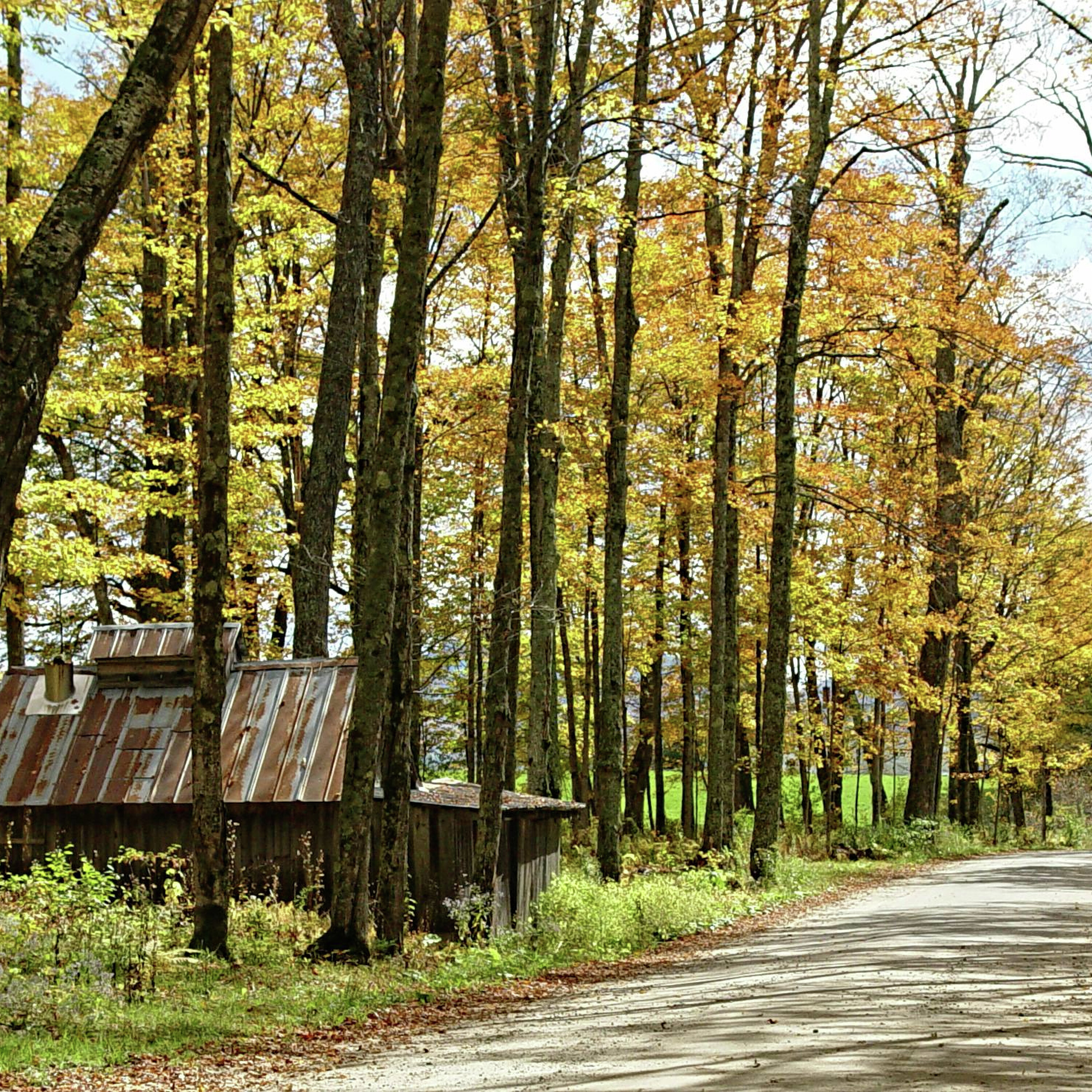
Looking back at the sweet history behind Quebec's sugar shacks
About this episode
Sugar shack season is right around the corner. Montreal expert Thom Sievewright takes a look back at the history of sugaring off and sugar shacks in Quebec.
Thom Seivewright is a tour guide turned social media star. He can be heard every Saturday at 7:40 a.m. on Weekends with Joanne Vrakas sharing hidden gems and facts you may not know about Montreal.
Get every episode summarized
Each time Weekends with Joanne Vrakas publishes, we email you a written briefing from the transcript — the topics, who appeared, and any specific claims, with the ad reads skipped.
Email me new episodesFree for 3 shows. No card needed.
Hosts & guests
Transcript ready
153 searchable segments. Every word is indexed and playable.
Full transcript
Weekends with Joanne Vrakas — Looking back at the sweet history behind Quebec's sugar shacks. Machine-transcribed; use the interactive transcript above to jump the player to any line.
Who doesn't love a sugar shack? Lee Ka Ban asked the maple syrup, the adventures, the tsir, yami yami tsir, the taffy. We're talking all about that rich tradition with the one and only Tom Sieve, right? Our Montreal tour guide, our Montreal expert, and it is all about the sugar shack. Tom, thank you so much for joining us. Oh my God, I'm so hungry now, I want pancakes. Oh, I was gonna say, you know, we think about the tsir, the taffy, the maple syrup, but that sort of meal when you sit down, right? And you have a hard time getting up, so many good memories there. But before the tourists, before the tour buses, you know, before it became an industry in and of itself, take us back to the beginnings of this tradition. Yeah, so we're gonna go way back when, like way before the Europeans ever arrived here, indigenous populations, they were already harvesting the maple sap, you know, they discovered that the sap could be concentrated and turned into syrups and sugars, and they used techniques that included
like freezing and boiling the sap. They boiled it using heated stones, like rocks. Maple sugar wasn't just a treat for them though, it was like a vital source of calories. Imagine after a long winter, how drained your body was of like nutrients. Depleted, yeah, depleted. Totally depleted, I mean, I can associate with that in like, we're in modern days, so you know that's in bag then. So the French settlers, they learned these techniques directly from the indigenous communities. So from the very beginning, the maple syrup culture, if you wanna call it that, was always kind of rooted in a knowledge, a sharing of the knowledge. Yeah, and since you're there because up to that point, right, there was sugar, sugar for sweetener, and then we have this whole other source there. Okay, so when did it go from that to what we now know as a sort of classic Benassique for sugar shack? How did that switch happen? So it wasn't, you know, overnight, it was a long progressive thing. I'd say somewhere around the late 1700s,
into the 1800s, French Canadian farmers, families with like, you know, 10, 12 kids, they began building small little shacks near the maple forest, and they started calling these lecabinassique, this sugar shack, and the families would often move into this shack temporarily during the maple season. And so it became their home. It became where they did the work. It was, you know, production was like very, very labor intensive, it's hard to work. Chopping wood, collecting the sap, boiling for hours, all that stuff. So it became this mix of like social and flash working situation because they'd work, work, work, but then they would like, you know, enjoy their company at night, play the accordion, they play music, they dance. I can hear the music in my head right now. Yeah, yeah. That traditional music, you know, a mix of like work and fun. Okay, and I, listen, and there were so many traditions established back then,
I'm thinking that caribou drink, which was something completely different when it started. And then it's just a mix of all of alcohols that will send you into a bad place. I had it once and I thought, never again. But fast forward to today. So let's, because it's a huge industry now, we've got fancy ones, we've got traditional ones, where are we at today? So much has changed, you know, about this culture, but so much has remained the same. And that's kind of what these things do. You know, many sugar shacks, they still use the old fashion like wood fire to evaporators, but some of them use more modern technology. The menus are still old fashion tradition things, but some of them are switching it up and they've got like vegan options. They're vegetarian options, they're gourmet twists. Even in the city like Montreal, you know, like we're not in a, you know, we're not, we don't have to cut that in a six in the city. No, but we have like urban ones that like pop up, like sugar shacks. Yeah, that's true, like in the old ports and times you'll see them, yeah. That's right.
So for me, it's like, it's a mix, it's become a mix of old fashion tradition and new technologies, you know, the maple products now, they go far beyond just syrup, you've got candies, you've got butter, you've got like you said, like some alcohols that are infused with maple. The core of the experience remains the same and it's a tradition that is, you know, not losing its soul, but it's also modernizing and becoming something else. And two of my favorite ones, if I can give a shout-out to us. Two of my favorite ones, my favorite sugar shacks. Sucre de la montagne, which is in Rigo. That one is old fashion, as traditional as you can imagine, they don't use any modern technology, it's all old fashion. And then another one that's super modern, it's the Cabanacic opi de croixon. Oh yeah, those are two extremes. That's the Pied-Bachon, the fancy restaurant. I've been there, that is, you know, that is fwagra on everything, lobster in your tortilla. And I've been to the one in Rigo as well. I love that one. That one is so traditional, like they have the oreilles de crisse
and the meatballs, l'ix boulette and the thick omelet. You know, both of those on opposite ends, but you know, I'm like pulling on my pants right now, those are, it's an occasion for stretchy pants, I'll say that. It's an occasion for stretchy pants. And then if you're smart, you book a day off the next day. Oh no, no, you are not going anywhere. Like that is a coma. Tom, Steve Wright, again, our Montreal expert tour guide. Go follow him on Instagram. Thank you so much for joining us. We will chat again very soon. Thank you. The newest tracks, let's go. We use it and the next big thing. Always on the new music track. It's your first place to hear it all. Because you don't like it, love it, want to play it, fight it, fight it, fight it now. I heart new music. Your digital station for brand new drop, stretch vines and tomorrow's bangers. I think we need something new. Discover I heart new music. Always fresh. Always first. Stream now on the free I heart radio app.
More episodes
More from Weekends with Joanne Vrakas

How did the White House Correspondents' Dinner shooter breach security?
Weekends with Joanne Vrakas

From spaghetti fries to cheesecake bites: Here are the hottest Montreal restaura...
Weekends with Joanne Vrakas

Dr. Labos: Are injectable peptides just a cash grab?
Weekends with Joanne Vrakas

Carney has called Canada's trade relationship with U.S. a 'weakness.' How could...
Weekends with Joanne Vrakas