About this episode
Interactive timestamps
Jump to segmentGet every episode summarized
Each time Story time with Philip and Mommy! publishes, we email you a written briefing from the transcript — the topics, who appeared, and any specific claims, with the ad reads skipped.
Email me new episodesFree for 3 shows. No card needed.
Hosts & guests
Transcript ready
113 searchable segments. Every word is indexed and playable.
Full transcript
Story time with Philip and Mommy! — Let's Go For a Walk. Machine-transcribed; use the interactive transcript above to jump the player to any line.
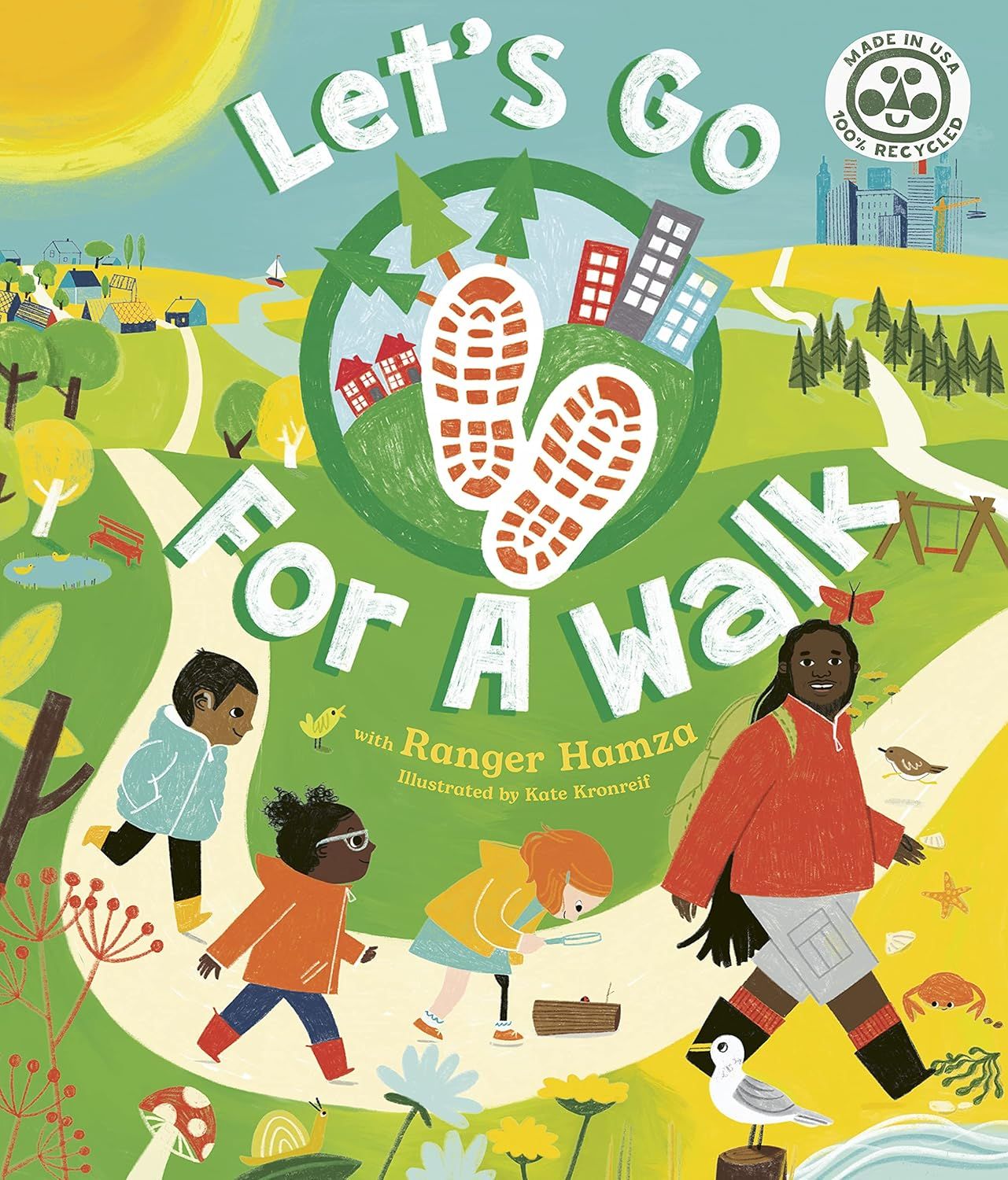
0:00Okay, our friends, so today we are going to talk about something that you do when you look for like a rock or a stick or a bug. Where would you find these things? On a walk, that's right. And so today, my friends, we're going to talk about what it's like to go for a walk. And I have found a really interesting book. It's called Let's Go for a Walk with Ranger Hamza. And this story was illustrated by Kate Cronley. And we're going to learn about this guy. His name is Ranger Hamza. And he's going to show us what it's like to go for a walk with him. Are you ready? Ready? Wait, you're not ready. Are you? Well, let's see. Today's story is read by Mommy Hamza. Mr. Pillow. Mr. Pillow. Mr. Pillow. Is that why you're so soft? Mr. Pillow. All right. Mr. Pillow.
1:23I'm so glad you're here with me, Mr. Pillow. Are you ready for a story? Mr. Pillow. Let's do it. And when we open it, we see this man Ranger Hamza. And he says, shall we go for a walk today? Take this book with you. And let's have fun spotting things on our walk together. I love that. So you can also take along this episode, this podcast. And you can listen to us while you go for a walk. And you can also follow along with the book because in the book, you can see things. So I will put a link for it on my Amazon affiliate's page and you can go grab it. Walking in the country or by the sea or in the town. So many wonderful things to see if you stop to look around. Open your eyes. Open your ears. Pause and take things in. Let's pack our bags. Get
2:29it out. And let's the walk begin. Let's go for a walk. Roses are red. Holly berries are too. We're looking for red things. Can you find a few? Oh my goodness, friends. In this picture, there's many, many red things. Let's see tomatoes and chilies, ripe apples and cherries and radishes and cranberries and juicy strawberries. A shiny red bucket and a red swirly gate. What red things will you spot on your walk today? The colors of nature change throughout the year. In spring and summer, red flowers come into bloom. In fall, the leaves from some types of tree turn from green to red. In winter, red berries on bushes feed hungry birds. What red things can
3:33you see where you are? And wouldn't we turn the page? Ah, I spy something short. What is it? It's a cat. I spy something tall. What is it? It's a tree. I spy something big. Nishto, pillow, note like cats, cats, scratch, Mr. Pillow. It's probably true. The big thing is the building. I spy something small. What is he see? A mouse. Better watch out, mouse. There's a cat there. Have a look around. Where's the tallest thing you can see? Perhaps it is a building or a tree. Plants come in different sizes. Some trees like great big oaks can grow for many years and
4:35be very tall and big. And some plants like daisies have flowers that only last one year and are very short and small. What big and small things can you spot? And how do we feel when we touch them with our hands? Are they smooth like a pebble or rough like sand? Slimey like seaweed or wet like the sea? Hard like a rock or soft like ice cream. There are so many different textures to explore what textures can you find on your walk today. A rough shell protects the oyster inside from crabs and sea birds that want to eat them. Seaweed might be slimy but it's an important food source
5:36for many sea creatures. See we're at the beach now and we can see all these things that you could touch. Using a magnifying glass you can see the sand is made up of little grains of different rocks and minerals. And now they have walked on to a farmer's market. What can we smell? Let us use our noses fresh fish baking bread. Bunches of roses smoke from a chimney slices of cheese spices that like pepper that make you sneeze. Smells can be nice and smells can be yucky. Some strong cheeses smell like stinky feet. Flowers like lavender have a nice smell that attracts bees and other insects to collect their pollen. What can you smell right now? When you sniff the air.
6:43Mr. Pillow smells Mr. Pillow. He's wishing self-kneisty clean. Totally makes sense. Now if you go to a walk in a park like they are in this picture now you see all kinds of things. A bridge is an arch. A picnic rug is a square and when you start to look you see shapes everywhere. The boat sales are triangles. The portals are round. Wherever you are walking there are shapes to be found. Wind blows against the sales on a boat and pushes it through the water. Portals are covered windows on the side of a boat for letting in air and light. What shapes can you spot on your walk?
7:46A rectangle maybe? This size of a pillow? Can you spot things that fly like butterflies and bees or wriggle like caterpillars on leaves in the trees or slither slowly like snails or scurry like ants or crawl like beetles on rocks and on plants? They're small and often hiding away but how many bugs can you find on your walk today? A caterpillar eats a lot of food to grow and then finds a soft place to settle and it makes a hard shell called a chrysalis or a cocoon and inside that hard shell the caterpillar transforms into a butterfly or moth. Did you know that a single ant can carry
8:4750 times its own body weight? If we had several ants here they could pick you up Mr. Pillow and walk around with you. I am a light pillow. Yep. My only need one ant. Sounds are all around. You might need another ant from my top hat. Birds tweeting, buttoles splashing leaves rustling children chatting. Somebody sounds. Open your ears. Listen carefully. What can you hear? Sounds are useful. People and animals use sounds to tell each other things. Birds call to other birds. Here I am. Or danger. Watch out. A bicycle bell warns other cyclists or pedestrians that you are coming through. Now ABC and 123. What letters and numbers can
9:52you see? If you are walking through the street or through the town you might see all kinds of things right? We can see a sign that says fruit juice and I spot a poster that says visit the zoo and a bus passing by is number 32. Can you spot any letters or numbers where you are? Streets are given names so that they are easier to find. A house number and street name together are called an address and we write the address on a letter or parcel that we want to send. Every building on a street is given a number or a name. Of course everything looks different when it's dark and when we turn the page we see it's nighttime. We gaze at the moon and the
10:53twinkling stars. We can make funny shadows appear on a wall and glisten out for a distant owl's call moths are flooding around the light and the lamps on the truck are shining bright. The door says the owl. What can you spot on a walk at night? Did you know most owls are nocturnal and that means they are active during the night and sleep during the day. Also a constellation is a group of stars in this guy that makes a pattern and this constellation that we can see in the picture here is called Orion. The three stars in the middle are called Orion's belt space stuff of stories from long ago. Moths are attracted to man-made lights like street lamps. Now one, two, one, two, I spy a pair of muddy boots. Back in the daytime we're looking for
12:00something new. Two bicycle wheels, two oars to row and two children swinging two and throw. There's two ducks in the water and two squirrels in the tree. Two together is called a pair. How many pairs can you see? Yeah, there are two bushes, two benches, two dragonflies, two frogs. Ducks have special oil glands near their tail that helps keep their feathers waterproof. Squirrels have long bushy tails and these help them to balance as they leap around the tree taps
13:00oars have a flat blade at one end they're used to move and steer a boat through water. Now what are things made of? What materials can we spot? A metal digger with rubber tires, a ceramic flower pot, a house built with bricks and a wooden door, glass windows to see through what are things made of? What are things made of where you are? Can you spot materials too? Some tires are made from natural rubber. The rubber is made from a liquid found outside of certain trees. Glass is made from melted sand, the same sand that you could find at the beach or in the desert. Wood comes from trunks and branches of trees. If you cut through the trunk of a tree you can learn
14:03how many years old it is by counting the number of rings. Now what can you spot when you look up hi the cloud shaped like rabbits a jet plane roaring by a bird's nest on a chimney pot a kite stuck in a tree look up high where you are what can you see? There are different types of clouds. Cumulus clouds are puffy and fluffy. Stratus clouds look like huge thick blankets covering the sky. These clouds are a good sign that rain is on the wing and cirrus clouds are thin and crispy like you take a nice new cut to walk. If it rains when the sun is shining you might see a rainbow.
15:05Now what can we see when we look down? This is exact pattern on the ground maybe if you're looking at bricks in the ground a crack in the concrete with a flower growing through stripes in the grass all sparkly with dew an earthworm wriggling in the mud crunchy leaves and pine cones and daisies and bud while you're out on a walk. When look at the ground there's so much to spot when you look down some plants can grow in the tiniest of cracks as long as they have sunlight and rain. Earthworms have no eyes or ears but they are very sensitive to vibrations. Daisies close their petals at night and open them again in the morning. It's like they're going to sleep. So can you remember what you saw in your walk today? Did you look up? Did you look down? Did you look all around? What did you hear? Why not draw a map of the route you took today
16:11and add in all the wonderful things that you spotted along the way. What did you touch? What did you smell? What colors did you spot? Did you notice any shapes? Did you count anything? Remember every time you go for a walk keep your eyes and ears open and you can always have an adventure. And that my dear friends is. Can I say it with me? And do you have anything else you want to say? Anything at all? No, you can join us for another pillow story tomorrow. Do you think? If you liked the show please take a moment to rate, review and subscribe. It really does help the show to grow. Thank you for listening.
More episodes
More from Story time with Philip and Mommy!

How to Make a Ninja Laugh
Story time with Philip and Mommy!

Bedtime for Bad Kitty
Story time with Philip and Mommy!

The Berenstain Bears' Dollars and Sense
Story time with Philip and Mommy!

The Berenstain Bears' Trouble with Money
Story time with Philip and Mommy!