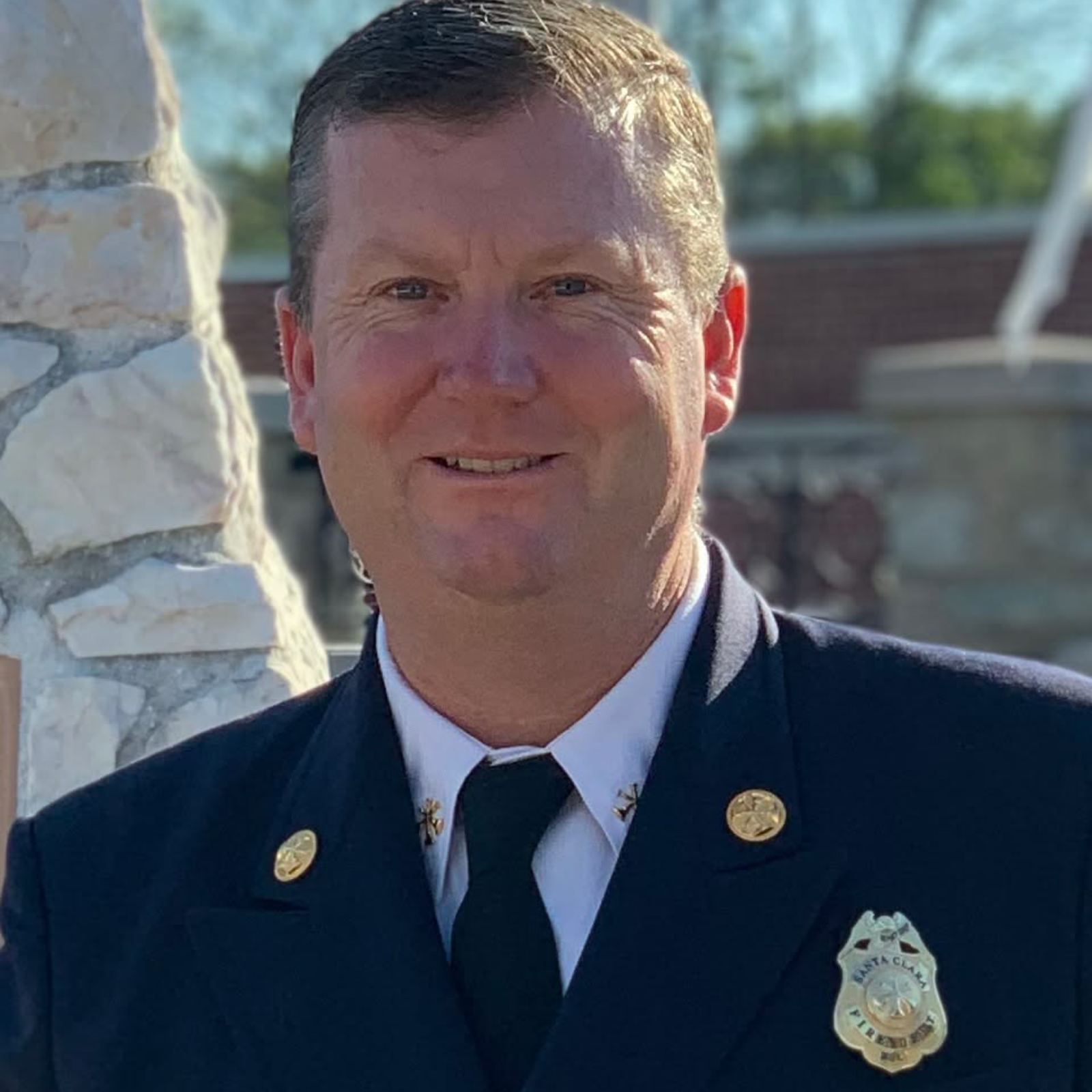
JD Madden (Hurricane Katrina, Protecting Superbowls and Saving Lives with Psychedelics) - Episode 1125
About this episode
JD Madden is a retired Deputy Fire Chief, USAR Task Force Leader and Board Member of the SIREN Project. We discuss his journey into the fire service, Hurricane Katrina rescues, the importance of proactive preparedness, recruitment, his powerful mental health story, saving lives with psychedelics and so much more.
Get every episode summarized
Each time Behind The Shield publishes, we email you a written briefing from the transcript — the topics, who appeared, and any specific claims, with the ad reads skipped.
Email me new episodesFree for 3 shows. No card needed.
Hosts & guests
Transcript ready
1,743 searchable segments. Every word is indexed and playable.
Full transcript
Behind The Shield — JD Madden (Hurricane Katrina, Protecting Superbowls and Saving Lives with Psychedelics) - Episode 1125. Machine-transcribed; use the interactive transcript above to jump the player to any line.
Welcome to the behind the shield podcast is always my name's James Gearing and this week it is my absolute honor to welcome on the show retired deputy chief You saw task force leader and board member for the siren project JD Madden Now in this conversation, we discuss a host of topics from JD's journey into the fire service progressing through the ranks the incredible rescue at hurricane Katrina the importance of proactive pre-planning Superbowl 50 his own powerful mental health story the healing power of psychedelics the siren project and so much more Now before we get to this incredible conversation as I say every week, please just take a moment go to whichever app you listen to this on subscribe to the show leave feedback and leave a rating Every single five star rating truly does elevate this podcast therefore making it easier for others to find
And this is a free library of well over 1200 episodes now So all I ask in return is that you help share these incredible men and women stories So I can get them to every single person on planet earth who needs to hear them So with that being said I introduced to you JD Madden Enjoy Well, JD I want to start by saying two things firstly. Thank you to our mutual friend Tim Howling for making this introduction And secondly, I want to welcome you onto the behind the shield podcast today Uh, thank you. Yeah, I'm honored honored to be here certainly
appreciate what both Tim and Angela have Have helped me through and any way that I can give back to help support their their efforts with siren project as well as to Kind of just get some messages out there to other other people that may be struggling with some mental health issues or also just to the Fire service leaders I think that need to hear some different perspectives of Of how their people Could use some alternative help Absolutely Well very first question where on planet earth are we finding you today? I am out in the Brentwood, California area actually live on Bethel Island Which is a waterfront Community so I have my own dock right outside and get to go fishing and be outside and And enjoy the outdoors as much as I can Beautiful. Well, let's start the very beginning of your timeline then So tell me where you were born and tell me a little bit about your family dynamic what your parents did How many siblings? Okay. Yeah, I was uh, I was born in Thousand Oaks, California
My dad was a Ventura County firefighter And my mom worked for the local hospital there doing billing I have a sister She's adopted from Korea. So I was eight years old when my parents adopted my sister who was four years old at the time So non-English speaking when she arrives. So the very interesting dynamic as From being an only child for eight years to then having an an adopted sibling one who doesn't speak English. So Go on through that. It was a was an interesting time in my life for sure And the dynamic of having a dad in the fire service my dad and the fire service was one of the Dihards right you you grow up around you you're around the fire service enough You realize that there's those who are just die hard everything about the service. It's they live it. They breathe it um, I mean if he had days off he'd be down at the At the heliport wanting to ride the helicopter or be down there right he's just super engaged his friends were over all the time
So growing up around that fire service culture. I think as a kid influenced me a lot as well Well firstly going back to When your sister kind of was introduced so I'm assuming you're probably old enough to to read or remember that What was that journey like firstly going from only child to having this you know four-year-old sister introduced to the family But secondly navigate in that language challenge For sure I can remember vividly remember the day that so When we would when I knew my parents when we I was involved in the discussion obviously that they were going to be adopting a sibling and So we did they would write letters back and forth to the orphanage To the kids and you know my sister was one of those that that they would communicate back and forth with and So I could remember that process and then I could remember the process I could remember the day at LAX at the at the airport that
She flew she flew home and she flew to Korea to LAX with the social worker And I can remember her walking down the aisle off of the off of the airplane and instantly recognizing my dad and breaking away from You know the the social worker to to to get you know almost like into his arms type of a thing And I can remember just the stir of emotions that that brought right that I was nervous. I scared as excited kind of a little bit of everything, but It's also somebody I've never met before you know and they took and she took up a lot of energy and then you go to school and you and people are You know when she's struggling in kindergarten to speak English and you're there and you know second or third grade at the time um You you want to defend or to because you know that people aren't going to treat her that well, right? So just just that whole dynamic growing up was uh
Was definitely something that I think influenced me oh And I didn't realize it then but a lot later in life especially in my leadership journey in the fire service What was it that drove your parents to adopt and then why Korea specifically? Uh, they they had a trouble having having another child so um Their their journey, I think uh, led them they had friends who had adopted from Korea So there was a there was a connection there with other people that had done it So I think that that was really the the primary primary reason Amazing We're going back to your dad. It's interesting as we sit here now, you know, both of us on the other side of our career and Really kind of picking apart all the beautiful things about the profession and then some of the arguably red flags that there might be a precursor to some struggles later and one of the The things that's come up a lot is that uh, the person who You know, and then not so referring to your father to this but as we know in the fire service the overtime
Or you know the person that any opportunity to stay at the fire station they do And you know that work-life balance and be able to switch it off when you leave and be father mother whatever it is And leave the fire service behind for you know a day or two. I think is very healthy and yet We do have men and women that are so all in That not only is it taken away time from the family but at the end of their career that transition becomes you know horrendous forum because that's who they were which is not we know it's what we do is not who we are When you reflect back now what was that element with your father was it was it You're purely just a passion or did it have a detrimental impact on you know the the ability to be present in the household when he was there all the time Uh, yeah, I mean I I've thought about that a lot um And it definitely shaped who I was and how I approached my career because My dad was gone a lot, right? He he was gone a lot. He did coach when he could um
I can remember him being part of an all-star team coaching and some of the baseball teams but But I can remember most of my time my fun time was spent with my mom and and my mom So one who took me fishing that she was the one who took me to do those things and and that was because my dad did work so much and then the other impactful Moment for me or remembering was when I decided that I Was going to go and pursue a career in the fire service um I'd gone to Cal Poly, San Luis Obispo to play baseball and uh and ended up hurting my knee early on in the process And when I hurt my knee, I I decided that I wasn't I was going to rehab and go through it the surgery and rehab and go back and play ball But during that time I start taking some night classes at Allen Hancock College and and uh doing night classes for in the fire service And I just instantly it clicked for me But I remember talking to my dad about about that that I wanted to pursue the career and
It's he remember I remember him telling me you know, he wished that he hadn't missed so many of those times growing up And that that stuck with me uh as I did get into the career It did stick with me and it's something that I then focused on with my own family to To make sure that I I did better at I did better at than what I had growing up And and when you talk about that loss of identity when you're gone My dad ended up hurting his back in the fire service. So he was you know just about 40 years old and And all of a sudden he was retired and when he retired we moved uh we moved from The Ventura County area to the San Luis Obispo area up in pass robles and out into the country where my mom sided the family Thy grandparents and uncles and cousins all they own a place out they own place out there and we bought nearby my parents built a house and During that time we lived in a travel trailer Well the house was being built and my dad was miserable
You took the fire service away and then you moved away from all of his friends Right in all of those co-workers and you think I've talked a lot about this to the The newer gent the younger generation of firefighters when they come in you think That these bonds and these friendships and That you have in the firehouse are gonna last with you forever and the minute that you walk away from it The phone call stop the The communication stops and all of a sudden you feel extremely lonely and out on an island by yourself And so I was actually glad I lived through that Part of my life because I was it made me much more aware of what I was gonna step into when I did um Jump into retirement and and went through my own mental health issues because I I ended up feeling the same exact thing You know the phone call stopped the you know, I was off I was off for Three months When I got the first phone call from my fire chief and I was number two in charge
I ended up having one phone call over 18 months of being off One phone call to check in and up from my fire chief. I obviously had Some phone calls from the ones who I was closest with and and I put it on myself to make sure that I stayed in contact as much as I could But that separation when you leave the fire service is a real is a real Real thing and and I think the more that people understand that and are prepared for it going into it And whether you retire on disability or whether you retire Straight up on a service retirement. It's gonna happen and somebody else is gonna fill your shoes the very next day when you leave there And and the department goes on and it moves on it moves on just like you weren't there And you hope that you made a difference when you were there, but you need to be ready for it when you when you step out Absolutely, I've my Favorite crew and I've worked with some amazing firefighters and different departments But the most cohesive true brotherhood was when I was in Anaheim, California for a few years Literally was just talking to my truck captain, you know, just literally two days ago
We actually went he came to Disney and we went down hung out for the day But I left Anaheim in 2008 So that that is a crew that we still talk to this day But that's out of you know 14 years of working for different departments So that illustrates again as this is very of that they say you can Can't you true friends on one hand, you know, and that's not a It's not casting shade. It's just simply the reality that you have You know brothers and sisters that you work within the fire service a lot of them are colleagues at the end of the day and when you Leave not only, you know, is it kind of outside out of mind and there's no kind of Negativity behind that but also we got to remember that the people are still in They're working these crazy shifts. They're so sleep deprived They don't have time to think about how we're doing because they're just trying to get home to their families 100% and and one of the common themes because I brought it up I I was off for about six months. I went back for a short period of time and when I went back I had made it and I had done a lot I don't talk therapy and all the different stuff that they want to put you through through the work comp process and
and One of the things I was determined on and I'd always kind of lived my career that way was to make sure that I shared the experience With as many people as I could and the first event that I worked back at Levi Stadium Instead of working up in the command post I chose to to be on the ground and and be out with the crews And I walked around I talked to them and I shared that man like it's really hard You guys got to remember that when people are off you need to check in on them whether they're your crew whether you know They're just I said because I felt it and and I think it's important you guys Understand it and that we check in on our people and I shared that with our battalion chiefs if they have people off on their shift We should be checking in on them regularly and make that a part of our routine and so many of the answers were chief We wanted to call so bad, but we didn't know what to say we didn't know if you'd be want to talk to anybody or if you needed your space or Right then any and and you realized then on the other side of it about They're struggling with it as much as you are about that conversation and it and that's why it's like if we can break down that barrier and just understand that
It's it's those short phone calls of just hey checking in to see how you're doing and and they actually they actually make a difference What I love now is the the voice text that you can do So rather than texting because that can be you know Interrupted in a number of ways just drop someone a voice text hey, you know I was thinking about you, you know Hope you're doing okay. How's rehab going you know whether it's physical or whatever it is that you're going through But then you know that's just reaching out and they're hearing your actual voice and then you know If they don't respond at that time okay, maybe maybe they need a little space But there's one guy I had and what he was going through his struggles I messaged him over and over again and never got a response and this was you know Overcoming alcoholism some other things, but when he found sobriety he said to me Just know that your text main made excuse me meant everything to me So I didn't need a response as long as I knew that they were being read as long as he knew that people were thinking about So I think yeah, just just reaching out regardless and trying to cast away that
That you know worry about is it going to be awkward and I think you know leaning into those voice text or the video messaging You can do now and just leave someone. Hey, we're at station six. We're just thinking about you today. Hope you doing well You know, give us a call if you feel up for a chat. Yeah, 100% 100% agree Going back to you know the dynamic with your father One of the interesting Conversations now because I've been spearheading trying to Trying to make the the national professional work week a 42 hour work week It's crazy. There's we sit here in 2026. There's still so much pushback when the oldest fired apartments in America work 42 hour work weeks You know DC Boston FDNY and yet the rest of us stretching all the way through the west west coast of working 56 and now Because of that we've got a recruitment crisis because And this younger generation is seeing how detrimental some of these working in conditions are not the profession but conditions
And now you've got these forced mandatries. So now people are working a E in a 90 120 hours a week, which is insane And there's this kind of chest-beating element that yeah, if you're into the job, you just suck it up You know what you signed up for and I say bullshit to that The most important currency isn't your overtime in your check It isn't your you know Instagram post with the moustache and you let the helmet It's going home to your family when you're supposed to be going home to your family So you can have walked this walk and in your profession Talk to me about that The the importance of having that balance where when you're at a station you're all in you're giving 24 hours of your best version of yourself But how important is to fight for the time to go home to your family? Oh Yeah, for me it was It was crucial. I when I told you I really set myself I tried to do it different than I had been raised
You know, I really meant that I I was so fortunate. I as weird as it sounds I had a shoulder injury and I had to have shoulder surgery. So I was put on a 40-hour work week on light duty and during that time It happened to be the start of little league baseball for my son and I love to coach I love baseball baseball is just my my thing, you know, so I I decided I was I got a real close friend of my wife's Her husband wanted to coach so we did it together and I on that 40-hour work week which every firefighter Actually is despises or is afraid of the 40-hour work week the connection that I got with my family And being home at night to help with homework and being there for every baseball game it really changed how I I built my 40 or my 24-hour schedule when I went back. I made sure that I took my personal leave around baseball
um I was also the union president as in the union leadership part of the negotiating team from 1999 All the way until I promoted in 2015 so that entire time I was either a vice president or president of the union And I can remember battling with the administration's perspective They wanted to take away the flexibility of our personal leave that we had we had 48 hours to be able to use our personal leave And you could use it to in in in small block So you could take the people who lived in town could take four hours or two hours or and go watch their kid play baseball or go watch their daughters gymnastics or Or go to the dance recital and and to me that was that was such a valuable Benefit and they didn't like it because it was a scheduling nightmare right on their end well then I Obviously, I promoted and we were able to fight that off for the longest time It ended up changing a little bit to where it was in 12-hour blocks and
but It was always I always Saw the value of that and I I can proudly say I I have missed less baseball games Of the course of a 28-year fire service career than I could count on one hand. That's no joke um I made it a priority But when also I didn't grow up in a fire service I didn't I didn't come up in the fire service where we were forcing mandatory is constantly And that has changed the dynamic of what is actually happening out there The amount of forced overtime and these guys that are trying to coach and trying to be engaged in families And they're living in the Bay Area where houses are a million and a half dollars so they have to live outside of the area So now they're commuting in long distances And then you you tell them on by the way you can't go home tomorrow after you've just worked 48 hours now You got to do 72 and you're going to miss your kid's baseball game and if you think that that resentment
doesn't end up building up over time across the whole workforce You're you're you're living under a rock right and and to me it's been a catastrophic issue with the fire service and when it wasn't until you and I spoke last time and you really Talked about the work week and and it just that just made it just clicked for me right coming it just clicked because We we have a I do believe a hundred percent that the newer generation that the newest generation of firefighters Has grown up in a time of COVID. They've they've had their schools shut down They've walked watched people be able to transition to a more remote work Which allowed them more time at home with their families and all these things and and It's made our job less appealing to them when they say wait a minute I got to go to work for 48 hours at a time and you're gonna you're gonna hold me over and And I'm not gonna be able to do the the life things that that make me happy that that
Allow me to alleviate that stress. So I do think there's a ton of value And I think my own family Would have definitely liked that type of a of a change in the fire service if I was still there I put a post up the other day the AI and it's great now you can create cartoons and all kind of things I got I'm terrible eyes. So it's it's It's a good tool, but it was just a picture of a fire chief hiding behind a desk There was all these kind of massive boxes with chains on them and it said recruitment retention, you know, fire fire suicide And then on the other side of the desk who is hiding from as a fire fire holding a sign saying 2472 and one of the comments was will it's cheaper To pay over time that it is to hire another fire fire and this that Ignorant statement is one of the things that I've been fighting this whole time If you told a banker well, it's cheaper to pay you over time than to hire another banker, you know Bank clerk grocery clerk whatever so we just need you to work seven days a week
How would that go down in the the civilian space? No one would work for the grocery store or the bank or the coffee shop But in the fire service where we're already working, you know, 56 hour work weeks and someone says well It's easier for me just to tell you you can't go home to your family another day than to actually Create a workforce as healthy I can't think of an a better example of a complete failure of leadership and ethics than to have a statement like that And so the equal and opposite is true We know that what we do doesn't work. That's why we have this crisis now, but When you look at the northeast when you look at all these departments, you know from Plano, Texas to Pasco County here in Florida that are either Beginning to or in Pasco and Gainesville's example I've already made this change and they're Shouting from the rooftops about the success that they've had with it They took the money that there was being wasted downstream and they just proactively invested it in a fourth shift Which drew everyone back in and now their their list is huge again, which is you know like you know
We'll get to when when you were testing Um, you know that the answers are there, but to Force people who have already been working 56 hours a week and tell them because of your mistake And you know say you the admin whatever that looks like city county, you know, fire administration Who work 40 hours a week and go home at five every night To say well, they need to work more Because it's easier for me again. I mean, you know, it's time for us as a profession to look in the mirror and go who are the real leaders We need to start following them and I think that those progressive departments sort of truly invested in this healthy work week Are the tip of the spear on the next generation of the fire service Yeah, completely green. It's not just really it's really not just going to land on On those the the leaders right of the of the administration when you're talking at that level or at the city leadership really The some of the most vocal people to change are are your are your people within the firehouse right because they're they're so resistant to it
Even though even though right they can they can see the struggle right they can see the impacts but At the same time Those over time people are so usually the most vocal and usually the most senior So they end up having a tremendous influence on the on the others When it comes to that so your union leadership has to be just as strong and just as courageous to be able to stand up and say You know We just had people kill themselves at the fire you know on do line of duty suicides and and you're gonna stand up here and tell me that You know that you're not you want to work more like that that you watched a seven and a ten-year-old Suns be left behind by their dad You know like and and we don't have the courage to say something needs to change and it's got to be drastic. I mean that's that And you're just not
That to me is it's gonna be it's gonna take a complete team effort on all sides to ever force that change you know Yeah another ignorant statement that I hear a lot from like you said I mean this is yeah like I've said In the past who's to blame all of us from the probi all the way through to city and county Council, you know everyone in between if you're fighting it you're part of the problem and to be really blunt blood is on your hands If you keep losing men and women to all the things that are job related and you refuse to be part of the change then shame on you And when I hear for example, you know, oh 4896 is the best shift around when we're talking about 2472 You're literally saying I'd rather work 56 away from my family rather than 42 You know, it makes no sense. I want to work 14 hours for the same salary Like why think about what you're saying so anyway. Yeah It's it's on our shoulders all the way through the ranks. It's on our politicians It's on our citizens to actually learn more about what we do and find out why you know
We need this money up front of to for the next three or four years to create this fourth shift that will then offer a higher delivery of service and save them you know make the the Taxpayers you know the money that they are giving through their taxes be used you know efficiently and proactively It's all of us, but but it begins like you said with the courageous voices throughout the ranks So I couldn't agree more You mentioned about transitioning into the fire service then so talk to me about um, you know Your on ramp experience and then how competitive was it to be a fire fire back then Yeah, I There was I remember when I so I first started I I first started with cal fire as a seasonal employee a seasonal wild land firefighter out pass So I got two and a half seasons there while I was still going to to Cal Poly Going to Cal Poly and I did seasonal firefighting so I was 18 does my 18 to 21 year old phase of my life and the so I hired a 18 and
Then I got hired by Santa Clara when I was 21 years old and I remember there was over 2000 people that took the that that took the test And they hired six of us That was that that was certified people. Yeah. Yes. Yeah in 19 now is in 1997 And I and we that it was a joint recruitment for it was a Bay Area joint recruitment where I actually took the test It was like for five different agencies throughout the Bay Area I took the test out in Fresno, which is Four hours away from Santa Clara. I know we're near there Place tie on that on that list and then they picked off of that list and then then we were brought in for For the physical agility and then the oral board so But yeah, even as a even as a fire deputy fire chief, you know, we were We were trying to figure out wow. How do we whittle down 1500 applications? You know, how do you I mean that that was the stuff we were dealing with towards the end when I was
Getting ready to leave it was like oh jeez. I hope we can find enough People to get through the background process now to to hire and then oh, we better take 15 to the background Because we were literally having people that we were offering jobs to turn it down And you're talking firefighters in in the Bay Area or starting at almost 140 $150,000 a year and they're turning the job down and because when they did the math It didn't make the math didn't math for them when they had to live so far away and and and they couldn't afford to live in the area and they didn't want to commute that far and So yeah, it just and then you know what covid post covid I think people were just like man I don't want to be the one out there dealing with all the sick people and and and they just didn't want to and we just watched our numbers crash And on top of that they're hearing About the mental health crisis and and they're talking to people and And it used to be you'd walk into a fire station and a new recruit would come in and it would be this
Just this glow of excitement and your firefighters would be so excited to talk about the department and that just changed You just watched it you just watched it change and so it Something's got to happen in order to to keep the fire service, you know Healthy and relevant and and I you know the longer I went I was no different right I was I was working myself silly as a deputy chief haven't been the union president who Everyone then expected when I got to deputy chief I could affect every single change that I ever wanted as a union president and and and I tried man I tried and and then all of a sudden your own people are That that were some of your best friends are now pointing fingers at you and accusing you that you're not You've changed sides just because your color of your badge changed in the amount of impact that that has on an individual At the chief level or even down the ranks right that organizational betrayal is it it probably leads to more
In my opinion it you can categorize organizational betrayal and so many different in so many different things If I would say that that leads to more career fatalities, I would call them right whether that you just leave the career or it leads to a suicide or it leads to To all these other all these other unhealthy things I think that's one of the biggest causes that we bury our head in the sand about most of the time I couldn't agree more and a number of people have heard that you know Even people that are revered in the country They go to other people's conferences and they're the keynote speaker or whatever And then you hear about how they're received in their own department and it's awful You know, and it is it's definitely one of the The two kind of elephants in the room the biggest one is sleep deprivation because there's an undeniable Scientifically proven direct correlation between sleep deprivation and all things ill health mental and physical But then like you said that organizational betrayal because You know when we go through an orientation
We're beaten down and I am now, you know, a proud anaheim fire fire or a proud, you know orange county fire fire And then all of a sudden I get in and now they cut your legs from you You know, and now know you can't go home. You've got another mandatory and mother mandatory Where are you going? Oh, I'm going home my family, but you need to stay here and work That's you know when you said that you would literally die for a tribe and then they turn their back on you like that That you know as as a species, you know If you go back since the dawn of man if the tribe turns their back on you That means that you're going to starve to death where you're going to get killed by another tribe or whatever it is So it's in our DNA to serve and be loyal But then that can also be completely detrimental if that very tribe that you've got wearing on your shoulder Then turns their back on you like that Yeah, yeah a hundred percent and you know it's everything from I watched You know just I like getting the word out there like one of the one of the most stressful things You we can talk about the calls we can talk about all those things one of the most stressful things that a
firefighter will do in the course of their career. It's take a promotional exam It You prepped for and why I remember I'm a good test taker as a good interviewer. I was comfortable And if I went into a fire test and I tested against 1500 people and I didn't get it The only people that knew about that was my family right that was it and that's if I told him I was taking the test um But in the fire service you live and breathe you go you go on calls you live with these people every single day They've helped you prepare and all of a sudden you go into a promotional exam and you don't do well The amount of shame that you feel personally that you've let down those people that you work that you work with You think they look at you differently now and all of those things I have watched that tank more careers like from a positivity point of view And then people will not put themselves in that situation again and all of a sudden now they're angry they're bitter and whoever checks in on them
Uh, I know that I know that I had this happen when I was promoted to deputy chief And I held in a promotional exam and some of my best friends best friends took the test and one of them didn't do so well And it ruined that friendship forever forever and where did I where because I was the one who put the test together all these all these things and and I It wrecked me right on the inside But I didn't know what to do either and but what I did recognize right away was When somebody doesn't pass a promotional exam but better they better not find out from a letter They better find out from the people who put the test together with a personal phone call to let them know that Hey man, you didn't pass. I just wanted to let you know up front This is you know that you needed to keep in contact with those people and when we talk about organizational betrayal If we're not willing to step up as fire service leaders and do those types of things and we're not willing to step up and check on the people who are off injured
Going through the work comp process which feels like it's absolutely set up to treat you like garbage like and not help you That's not that's not on us But if we don't do anything about that work comp process and we don't realize the stress that it puts on our people By checking in on them Then we as the leaders of the organization are the ones that we're part of that we're part of the system We're as bad and we're as evil as as the broken system that we forced them to go through So yeah, I think from a leadership point of view we have to We have to acknowledge all of those little things like you said policy, right? It could be bad policy That's an organizational betrayal That that nobody's willing to fix even though they know it's not a good policy um Yeah, I mean I I could talk about that stuff for for a long time You know somebody goes through an investigation I've been on all these things right? I've been on both sides of all these things
I was either the union rep on discipline cases or I was an invent I was being investigated because somebody accused me of something that That I did or you know that I did that I didn't do But the way that I felt when I had to sit down with an HR investigator because somebody pointed the finger at me as a deputy chief And said that I treated them unfairly And I have to provide all this documentation it makes you feel like you're guilty right from the beginning The way that that felt and the way that our people feel when they go through those things Can't be taken lightly and and and if you're going to keep your workforce mentally in the in the healthier place You need to start by by brainstorming all of those types of Incidents in your organization and have any awareness to then have your leadership and your peers check in on those people I think what is exciting about this whole conversation is as we are Identifying all these issues now and I don't I would say you know, I put a post on this not long ago
We lost chief David Dangerfield 10 years ago and almost 10 years ago and he was the um Florida I think it was a deputy chief Took his own life, but he put a Facebook post right before saying PTSD is real check on each other I know to my crew. I love you and then that was it and it was absolutely devastating But there's been such a meta-morphism of this conversation the last 10 years And I'm you know so fortunate. I've had so many people on here like yourself really can help unpack this So now as we're emerging We have not only identified what's broken, but we've also brought as we're going to talk about latest many other solutions and circling around to the competitive nature of when you were trying to get hired in the nighties and then myself a few years later When I hear people say for example, we have a recruitment crisis how we supposed to get these extra firefighters is like well By fixing the things that are broken have you are you so short Um is your memory so short that you can't recall that only 10 15 20 years ago
You had firefighters trying for years To become a firefighter and you had you know lists as you said of thousands of thousands of people for a handful of jobs That's where we used to be that's where we should be when you look about what we're expected to do You know within a 24-hour period and so we can get back there and we can identify the organizational portrayal We can really address toxic leadership or toxic, you know and any any rank And start forging what is supposed to be the brotherhood and the sisterhood of the fire service And if you really go back to the academy You know, would you leave your partner behind in a primary search? Of course not You know, would you send the hose you know a guy in with the hose and then turn around and run The same level of cowardice that I'm seeing people not addressing the things that are killing our first responders No, you wouldn't graduate the fire academy if you were a coward full stop You know, and even to the point if we want to push it one step further If you were you know 50 pounds overweight and refuse to do any PT
Would you make it through fire academy? No, but then two three four five years later you're opposing fitness standards You know, we have identified all these elements now that we know Are broken and that's fine because now we have an opportunity to fix it and what you're saying as well is that all these positions We can just do better if we actually reflect on you know What's not working Get you know forgive ourselves. We did the best with what we had at that time But this is a different time now So let's have a conversation about how can we do it better and I love the fact that There are departments all over the country that are already doing it better They say hey, you know florida can we borrow this from you? Okay, Nevada. You're doing this really well New York phenomenal. We're gonna take this bit and as I've said Then the rising tide lifts all ships But if we stay siloed and every city and county thinks that they're the best fired apart in the country and everyone else is shit Then we're not going to improve at all Yeah Yeah, I can remember one of the I mean, I'm sure we'll talk a little bit more about just the
The things that I've gone through in the course of the career from a mental health perspective But I let's just just I can remember and I think we talked about this private privately was In 1999 Santa in Santa we had a very tragic fatal fire on Christmas Eve and We lost two four-year-old girls the nine-year-old boy and their father and the mother and the infant baby got out and survived Um, I was on that fire help drag out the dad to help drag out the the dad and the nine-year-old boy and and But the resistance to That was my first experience of going to a critical incident stress debriefing and Our department made it mandatory that the people who were on that call go and I'll never forget the resistance to people that said I am not I do not want to go you're forcing me to go
And I sat in that room and I watched these grizzled veterans that I just looked up to that we're all Saying they didn't want to go that then broke down right they broke down and And you could see it all start to flood out and it made a dramatic impression on me. I got elected to the union leadership right after that I became when I became and I and I watched that struggle still of the pushback of of even just adopting a real true pure program right to help each other after after tragic incidents and And it was still hard to get people to accept it and and I was the union president had a great Amazing vice president. She was just we got hired together. She's just so her tenacity to get stuff done as phenomenal and and and she has been a champion for um All of our CISD and all of our mental health advancements that we've made in in our department
All we wanted to do was do a We pitched the idea of the fire chief I did as a union president that we just wanted to start this now in the academy Let's start doing this in the academy like this is probably I don't know 2013 12 All let's start let's start doing these in the academy to just give them an opportunity to have gone through one Break down the The you know uncertainty of what it is and and and and honestly is there a more stressful time in their Small fire service life than the academy when every day they're under pressure and they're getting yelled at And they're under if they don't do good on a test They may have to go home and they're their families all of it. It's stressful as hell And all we want to do was run them through a debrief at the end of that and our fire chief said no I think that's putting too much liability his exact word just too much liability jade to put on The city we're saying then that this is such a traumatic thing in our fire academy that they need to have a critical incident stress debrief because of it
and it's like What like why aren't we more concerned that they start their career healthy that they understand this process that we make this Organizational change try to break down this this resistance to it and and to start to make real cultural change and acceptance And the answer was no well pissed us off both so much that we ended up Inviting all those recruits down to the union office down to the union hall And we did a pizza night and we did a debriefing and that chief was pissed he was How could you do this? Hey, this is union business. See we did it off away from the clock like it's and and but you know what it made our point It made our point and and the the advancements that we've seen organizationally since then are I think have been have been phenomenal but Yeah, we need to we need to do better right we need to Across the we need to make this a right from the beginning part of the educational process for our firefighters as we bring them in and
And we should be hiring mental health professionals to work in these agencies to To have an outlet, you know, people bring in physical trainers. We send them away to you know We have physical trainers and a lot of organizations and but yet we don't have anybody to go to if we're struggling with our mental health Unless we go outside of the agency, but I think there's some some real Value to to start to to bring people in to to be their full time I've said this recently again I'm a perpetual student none of this is you know my revelations, but listening to all the the great minds I've had on here the prevalence of arguably a lot of times unaddressed childhood trauma in uniform is you know again in the scientific world accepted as as high I think on the aces we on average are six out of ten so adverse childhood experience score And that doesn't mean that we're the wrong fit quite the opposite what it means though if that's buried down
If it's pushed down and not addressed and then we enter this profession and we see all the horrible things and pull kids out House fires and have these horrendous wrecks and steep deprivation etc etc And now that foundation is already fractured. There's a higher chance that it's going to be worse And I found this even just observation only on the show Pretty much every single person that got to the point of of suicide ideation or even an attempt There is an unaddressed childhood element that that you know really read it's ugly head as well So what a beautiful opportunity for a conversation at the front door To these new recruits to say the fact that you are standing here now Means that you've probably had some struggles prior to this and they will become an absolute strength. They this is resilience If we work through them if we bury them down and ignore them they can they can become you know a fracture like I said So now you've got just like PT we're going to be running stairs. We're going to do push-ups It's the same with this we want to address your mental health so you can perform at a high level
So when you go you've climbed 15 stories and then you enter the apartment and you try and do a primary and look for a three-year-old You are you know your mind is ticking over it in a flow state almost So Knowing that there's this you know this history of trauma for a lot of us in uniform At the front door not just say oh, you know, you've had a bad life instead. That's talk framing it like performance Like we're gonna we're gonna make you into an incredibly high performing first responder and put one of the tools in the toolbox Are counseling you know breathwork yoga et cetera So that we can help you process what happened before you got here and make that an absolute superpower in uniform And I think that is how you frame the mental health conversation at the front door Because a lot of us 18 1920 we're not thinking about or at least our generation wasn't thinking about our mental health But if you told me well James Gearing I need you to be the the best firefighter you can be and this is one of the things that you're gonna have to do I'm not gonna question it then
Yeah, yeah, I I completely agree um And and as much as and I'll just add to kind of close that loop for us is that Where else it's really important and because we haven't started right right where that's consistent at the ground level Is that we also need to start doing that for our retirees as they're going out I mean I think that you know, I bet we could We could safely say that our our suicide numbers could easily be Double the triple if we included our retirees Because they're they're missed right? We're not we're not capturing how many people are killing themselves after they leave the job Because now they don't have the community. They don't have the tribe. They don't have it any they don't have any of it And and they're struggling every single day. They don't have the resources and and nobody's watching in on them And next thing you know, I'm getting the phone call that one of our retirees has committed suicide and
And we're we're missing those people and like in my own mental health kind of journey one of the things that we did What organizationally and and again the same same person who I was working with in the union She was she she went out and was finding resources for us that we could we could get for our people and one of the things that we came across was It's really really important to have mental health professionals locally that are Understand first responder PTSD right that you need to have somebody not just somebody who does you know normal PTSD They need to understand first responders and we had that person in care and lancing and and she's known as the cop whisperer and and anyways We brought her we brought her in and and did presentations to the organization and and you know started with the leadership And we ended up that the union was able to negotiate that they we could get 20 visits with her
Or or other mental health professionals, but she ended up being one that was seen a lot And her focus was EMDR and we did and and so I thought well I know that I've got a After I as a deputy chief that's when we work to bring her in I know that I've got a suitcase full on my back, you know of things that I could definitely Want to unload, you know, and What kind of leader would I be if I'm not willing to go through what you to go through it myself if if we're if we're offering these resources so I did it And it was extremely successful for me When I went through EMDR with her and I I went and there were so many calls in my brain that I didn't even realize were were Staying with me and when I when I went through the EMDR process and was able to really break those things down And I left feeling so much lighter. I left feeling like I had I had cleaned it out
I had emotionally released those things that had that I had doubted about myself or how I handled calls and and And it was really helpful and I remember feeling like man If the retirees would do this right before they retired then And they could offload some of these calls or help get the skills to process those calls better It would save their it would save some lives and it would allow them to have a healthier We all want that healthy healthy retirement where we strive for it That's one of the things that we all hold this such value and in in the profession And I think that so I came away feeling like we can't ever forget about them either But yet there really is nothing being done for them if we really look across across the fire service as a whole It's not a whole lot of people agencies out there that are offering resources out to your retirees I've said on here many times there's no VA for first responders and I would say that
It would be way more than than double or triple even if you think about Firstly, what's terrifying? You know, there's a national conversation that we on average die within five years of retirement Now that's already if I'm not mistaken 12 years younger than the average civilian But you think about who's towing the line on that draw ground I would say they were probably the more resilient physically fit members of that community Who would arguably supposed to be living longer than the average civilian so those Lifespans are probably cut closer to 20 years And so you think about this you do 20 25 years in the fire service Right when you transition out at let's say 55 You've got this whole suitcase like you said now you've lost your tribe you've lost your identity lost your purpose Who is the most vulnerable group? It's the people on you know who the door closed behind them the last time And now possibly because what we talked about earlier they go back to an empty home because their marriage isn't you know
Intact anymore and the kids don't talk to them anymore And no one's calling circling around to what you also said and so I would say probably it's the tip of the iceberg You know that the numbers that are published Versus who were actually losing because You know if someone passes away at 70 but they should have lived to be 90 That's a 20-year span but they got cancer or they got heart disease or you know they they died in alcoholism or they took their own life As you mentioned none of these people are being counted So to look at the stats, you know, we lost you know 105 fighters this year. No, we didn't We know suicide and overdose is a double triple that in itself Not to mention then everyone that took the uniform off at whatever age and now ceases to be a statistic So I couldn't agree more we need to firstly create an environment so people want to stay a full career If that's what works for them, but absolutely It should be focused on them transitioning healthily into maybe a second occupation into at least being a present, you know
parent grandfather whatever they end up being But that disposable hero's element was like all right. Well, thanks to 25 years his cobra for a year and then you know Good luck with everything That is such a spit in the face to the first responders if we can forge an environment that keeps some healthy through their career Then they won't be dying in droves, but I I think it would be shocking if we actually could annotate the number of people whose life spans are shortened because of Volunteering a life of service like this. I think you'd see you know, it'd be a mountain of deaths attributed to it Yeah, yeah, I completely agree Well, I want to transition into another area that you know, I know you're very That was a big part of your career So what made you enter the you saw teams and then let's talk about some notable Events that you went to with that Yeah, I uh
I was from the beginning of my fire service career. I just was I was just I wanted to be on the truck companies and and that was just what I was good at I was good at rope rescue I was good at all of the different rescue disciplines. I It was just what I wanted what I wanted to do and where what I want to focus on throughout my throughout my career And I got lucky early on to be able to get those opportunities. So it was either I You saw opportunity came up Our our department decided to send some people to Paramedic school and as a part of that process some people that had been serving on California Task Force 3 um From our agency step down To be able to pursue paramedicin and those spots opened up and I put in for them and I got one so early on in my career I was I got Kind of my dream which was to now be on a national you know urban search and rescue team that could respond across the country. So that happened
slightly before 9-11 I did not read the team deployed to 9-11. I was ready to go and we got stood back for a couple days and in that process Our department ended up sending one of our a few of our senior people over the the brand new guys and so I didn't go to 9-11 um But I did go to Hurricane Katrina and during that deployment um it was uh It's almost beyond Beyond like an explanation. It's one of those things where you're you're there and what you see is is hard to hard to explain and and the political The political struggle that you get tossed right into the middle of in these usar deployments is actually way more impactful on the responders than you could Then you could imagine because there's nothing we can do to control it and I and I say that because it hurricane Katrina we went into the 9th ward right in the beginning on the first day that we got there and now
And we we got stood we we drove actually from california and we got stopped in Houston and put in a hotel in the very beginning because When the system activated they activated all the teams at once and they realized they had no logistical way to bring all those teams in at the same time and be able to take care of them feed them How's them all of that so they stopped us in Houston and now we had to sit in a hotel and watch people being rescued off roofs Waving signs, you know, we knew they needed the help but we couldn't get there so Once we get there we get into the 9th ward and Literally that first day. We're tying bodies that were floating to trees We would tie them to a tree and we would GPS their locations call those in and then the The body recovery people would come out and take them. We were cutting holes in every roof that what hadn't had a hole in it already because in In New Orleans they have people read that they've been taught when if the levees were to break and you were to flood your below ground
You know your below sea level so retreat to the attic and then either break out or or you know somebody will come looking for you So that's that's what we did and we did that and then the very next day We we were running into people who didn't want to leave um Because they had nowhere to go and and they're the poor of the poor in our country and they didn't have anywhere to go And they were and we're trying to explain to them. You can't stay here You have no water. You have no food. I don't have anywhere to go so So we would tell them we'd check back in on them You know the next day and when you're ready to go will take you out of here and what would happen? We would get pulled out of that area and we would be sent to a high and dry area that had been searched already But it was a much more affluent part of the community and and the political pressure was pulling use our teams to areas that it Already been searched or that didn't need to be searched because those people were in the danger. So I just share that because 28 day we're 28 days in
To this since the levees had broke and flooded the area And we were searching an area that had been searched before but it was still flooded and Boat we were in a boat with a coast guard person driving the little metal boat and And my partner says did you hear somebody yell out? and Sure enough, we shut the engine off. You hear somebody yelling. We look to the house. There's this house with this gigantic tree up in front and Behind that tree and the branches you could see as we motor it up. There's a man standing in the window and so I go up and I Are you ready to get out of here and my mind this area has been searched He's refused to leave at some point. Well, that wasn't the case that giant tree had blocked any boat access when it was the waters were high No boat could get up to that This man 78 years old had had retreated to his attic he had he had rode out the storm because he wanted to help protect the church
So he he stayed and went to the church and helped the church through the hurricane They make it through the hurricane decides. Okay, his family had all left to Mississippi He decided to go back home Sleep through the night was going to go the next morning and what happened the levees broke and lake ponsa train flooded that whole area and he took a giant Giant 7-11 big gulp cup and filled it with water and retreated to the attic He'd been there for 28 days 28 days and And And I'll never forget when he says you're the first person. You're what? Oh my gosh, you know, we radioed in and we take him out of there and What ended up happening was the FEMA people had already declared it a a recovery met a recovery mission Not a rescue mission and now we found somebody So it became national news We were on Anderson Cooper. We were on everything you could imagine right and I was I had been in the fire service about that was my eighth year at that time and now all of a sudden
They're telling me you're gonna say they put a FEMA hat on me. They told me what I was gonna have to say what the message had to be It just was like It just was the most stressful like part of of My young fire service career, you know, and uh, it's kind of fun now like there was books where I'm pictured in there with night My kids took those to like their elementary school when they went because you know, I there I was in the in the history of Hurricane Katrina but I share it because I didn't realize how all those stresses added up until later in my career sure was proud of it and But there were little moments and you talk about organizational betrayal. I We didn't shave while we were there Santa Clara my department is extremely tight on their grooming standards And we didn't shave because If you shave you were exposed to all these toxins and all this bad stuff from all this stuff So they finally had told us that we could shave, but the rescue guys decided to leave a goatee
So we all did I've never had one of those, but now I'm on national news national news with a goatee And I'll never forget but my fire chief at one point um Somebody I was pretty close with too. He says man. I was pretty uh Uh Sure was proud moment to see on TV, but kind of like couldn't believe that you You were how to goatee. It's like what that that that's what that's what we worry about right now like I just remember feeling that like that at the end of what that made made a person feel like right so Yeah, so you saw and then I I ended up Being off of the team for a little bit and I when I promoted to deputy chief. I came back and And was a plans team manager deployed to Hurricane Irma and a couple others and then and then I made it all the way up to task force leader and was the leader of one of the three non-menlo park
There's three menlo park leaders and then three from all the other agencies So I was one of those three alongside Just a couple legends in the in the usr world and in joker vello and carol custon that are just I just look Up to so much and couldn't believe that I had made it that far in my career to be alongside there and to be responsible for a team of 80 people when you go out the door was a a tremendous honor That example you gave with the facial hair reminds me of um when I work for orange county It wasn't me. It was one of my you know the stations next to us. You just got murdered every single shift And I don't know what they'd come back from but it probably was horrendous And they're literally backing the rescue out of the ambulance parking space in the ER That's it, you know undercover right in you know next to the the ER doors And they get written up for not wearing a vest A road vest now think about that you know they've probably just dropped off who knows what some horrendous scene
They might be on a mandatory after being told that morning that they couldn't go home They're running these calls. They've cleaned the unit they're getting back in service And that's what you see at that moment is like oh that person needs to be wearing a vest To back you know in the road. Yes, but that wasn't even a policy as far as I remember But you know you hear this as well with grooming standards and one of the I think one of the biggest things is that I see a lot of people talking about is You will have a department that fights fitness standards But they'll tell you you can't have your hair longer the next amount It's like well, what's more important for a delivery of service and the health of your firefighters So you know, I think that's that's a really good example of like when it's just A read the room moment, you know, if you have people deployed in Katrina and there was no running water and you know Filth and you know everywhere that the eye could see And you're going to focus in on a goatee Maybe you just need to take a beat and reconsider your observation Yeah, I'm and to To go that full circle because I'm sure plenty of my
Of my buddies will be listening to this eventually When I said I was I Wasn't on the team there for a little window That was because at the end of that deployment on day 28 when we had been demobbed and we're told we were going home one of the logistics guys He he had some corona's he was because he was out at the store So he got corona's were demobbed and there were six of us that were sitting around and had one corona each sitting there and The the FEMA people about lost their mind, but we were going home the next morning and so anyway My fire chief and the deputy chief at the time deemed that as alcohol consumption on duty and I got and and their decision for that was to remove me from the team So I came back from this deployment and I didn't mention that when I left my daughter was 21 days old So I left my wife at home with a three-year-old and a 21-year-old bit and a 21-day-old daughter
and And so she was doubled doubled her days on this earth By the time I got home and my reward for it instead of being proud was that I was removed from the team so It all it actually chokes me up now Because I could have let it I could have let it ruin me and I felt like it did for a little bit and But then I decided you know what? I'm going to flip this thing and I'm going to use it in the interviews as an experience that I'd gone through And I flipped it and I ended up being promoted to captain before I was 30 years old as promoted at 29 and Obviously I was union ended up being union president and that and I and then to so when I made it to task force leader And I got back on that team and I made it all the way to task force leader this sense of pride of not
accomplishment of having not let it ruin to me um It was heavy. It still is. It's something I'm probably most proud of in my career Very powerful You mentioned about the again the the politics amidst what should simply be a rescue operation When I was at orange county We had the earthquakes and Haiti and bear in mind I'm central florida. You know these poor people are you know Just a few hundred miles away from where the station was and I wrote an email proactively saying look, you know, I speak french, you know, somewhat Are we sending people go you know and nothing happened and eventually an email went around And they said we're looking for people that want to volunteer to go to Haiti, you know, if you speak french I was like perfect. You know, finally going to get to go And they were still pulling out You know live people from the collapses when they shut The usar response down and I never understood it not only from the humanitarian point of view
But even if you just selfishly from these crews that get experienced that then go back to california or you know places that are gonna have earthquakes And I just I never to this day I never understand why we would pull so many people when when rescues were still active Especially literally our next door neighbors in that case So you know now you have a more a macro lens being in a leadership position What are some of the challenges for our usar teams that want to be out there helping but uh, you know They're pulling on the reins from the political side boy Um Yeah, the amount of passion and and towards towards the rescue disciplines Uh, on these teams is is amazing to me Um, with the people are just across the 28 teams that are based in the united states are you know They all want to go to work They all now now we're seeing that they like men low park is that team
Doesn't have enough funding But yet they're so passionate and they they have such a strong support from their from their board of supervisors That they're literally fundraising to keep things going you know to and that and that's a federal government agency You know and and and every single Homeland security change that we end up having right it it changes how our resources are deployed It used to be that they would do a rotation And deploy the resources by a rotation that would allow the teams to kind of equally get that experience Because if you don't get deployed for five six seven eight years That team is doing only training Um, their overall capabilities are are not the same as a team like Virginia or Florida or those teams that on the east coast are Are actually putting their stuff to you know their deployments and all that every single year multiple times a year
So they they changed you know So it used to be that a California team like myself. I went all the way out for Hurricane Irma all the way to Florida Right, we went to Katrina Then they changed it to more of a regional model to where you know the homelands that the security people are like Well, we're not going to pay it doesn't make any sense to pay a team from California to travel all the way to Louisiana when we can take the Texas teams and the closer teams and move them in But what you're seeing is then a definite disparity in the experience levels on the teams across the country Um, so I mean yeah, you get caught square in the middle of the political and and then when there are deployments like you said You get pulled out of areas based on political pressure based on money based on influence to go into areas that maybe your resources aren't aren't needed as much. There's a definite um You know your our job is to go in and support the local Agencies that's your job right your your job as as a use our team is to go in and support the local the local agencies
But when those state agencies then they don't want you there It's just it it can be definitely a power struggle that you get caught square in the middle of and it's not fun um The it just when you see the work that you could be doing and how you could help Yeah, it's I don't know it just Over and over again you hear there's a bureaucracy Getting in the way of us doing our job and then it's that that amnesia again, you know after 9-11 There was federal resources being thrown everywhere and you know so many teams were built up and they had a little training And then while we haven't had it, you know 9-11 for a few years So let's just start cutting it, you know, well, yeah, the fd and y-5 if I as we're heroes But now they want us to pay for their cancer. So we're gonna we're gonna stop that and it just it's nauseating because I just don't understand how the memory again is so short Because you know the whole point is to be prepared for the next thing not to have a knee jerk after it happens be prepared for a few years And then just start picking it apart again
Yeah, yeah, I I don't know what the I don't know what that solution is that's for sure especially and it's it's a sad state of affairs just overall in the political Uh In politics these days, right? It's it's so sad to me for my kids because to watch my kids who Have grown up in this era where the nastiness of the of the political Language and words used back and forth towards each other is so disrespectful. There's no It's just it's just sad because that's all they know right? I got a 23 year old son and a 20 year old daughter and that's all they know because it's all they've seen From the time they could actually understand kind of What was going on? So I don't know how we're gonna get out of it until there's the until people have finally had enough of all of it, you know I've caught out our generation And the reason I say that I was raised in England on TV shows like blue Peter
John Craven's news round comic relief live aid Where there was a real focus on community on service on helping each other on you know raising money for A country called Ethiopia that was you know thousands of miles away that we'd never met But they were starving and so English children would you know sell sandwiches and do jumble sales and things to raise money And we'd all put our you know whatever we made six pounds together and with the rest of the school and it would go off and support that thing And if you look at America the same generation you know mr. Rogers in a reading rainbow Uh god i'm blank on his name now the artist Bob Ross. I mean again our generation was raised on kindness and compassion And I really feel like we're also the generation that's traveling This technological revolution as well. We were raised prior to computers and cell phones and then you know by the time my children were born They were already in our space So I feel like Gen X we need to be the voice because we remember what it was like grown up in the AEs
70s, you know where there was that kindness and community and you did go out until the street lights came on And rather than you know rolling your eyes and saying kids today. It's like well, yeah, but we raised kids today So we owe it to them to teach them The childhood that we had all the good stuff at least so they understand what life should look like and Shouldn't be Speaking like that about each other and you know the the sport stars or whoever these horrendous role models that are put in front of them That's not an American an American is someone like the men and women for example That you were you saw uniforms with and the incredible citizens That were so heroic during Katrina as well like those those are real Americans and we I feel like we need to put that front and center and our generation It really is us that needs to be the voice because we were there When things were better and we need to steer everyone back to where you know the kind of experience that we had when we were young Yeah, yeah, I completely agree in my
I'm like I'm super proud of my My kids and I think my kids are the way they are because of Probably because I mean my wife is just an amazing human being right and she has She's so caring and compassionate to the people of the world that that She is influenced in myself as well to our to our children, you know that about and and so I I'm hopeful you know because I know that they they know it's wrong And they know that what the times we're living in aren't aren't the best and that they can make a difference and You know and I hope that and I'm confident they will you know, but it's gonna take a whole group of them to do it all The whole country for them. So, you know, hopefully we can we can make that difference Absolutely Well, I want to get to you know, you're a powerful mental health story, but one more area before we do we talked about Responding to disasters. Let's talk about the preemptive element now. You had Superbowl 50
I think you know, one of the The most horrendous things to watch for example is in a valley like incident where Something horrendous happens and then people like oh, we were ill prepared Talk to me about now shifting it where you're proactively training and preparing for a potential event Yeah, so when I was promoted in 2015. That's why I was promoted We were down the deputy chief and Superbowl 50 was coming in February of 2016 and and they needed to make sure that we were ready and that was my first decide So I was I felt you talk about feel like you're over your skis at first like I I was now going to represent. I was partnered up with one of our police captains and we were the two public safety leads for the planning for the entire event and and so you get The NFL is a very large powerful organization and and but what comes with that that
sear one type level event is that All of these all of these agencies that I've never worked with are all gonna bring resources to bear for for preparation for the event so Organizing that and being prepared in advance was Was a tremendous amount of work and I'm super proud of like the person who took my job very after me Matt Queen he just recently did the same thing but To bring all those all those resources to the table and to be able to work with everybody from the Secret Service to Department of Homeland Security to customs and border protection to our police agencies to bring it in the the the the coast guard for all of their Nuclear detection capabilities and and hazmat. I mean the National Guard teams with all of their all their their radiation detection it To we were I felt so prepared
um and and we tabletop exercised so many of these things over the course of a two-year period About how the responses would go down and and I mean there's everything from You know long guns to protect people if there was a massive you know a massive event in the parking lot was shooters or But the amount there's there's overhead, you know Surveillance going on for for any type of things they shut down the airspace There's so much that goes into it But um the overall preparation level to keep those people safe man did I feel like uh You know you you prepare for as much as you possibly can and to have all those resources that we were ultimately Ready for anything that you know might happen and we would you know You never know what it's gonna be but if it happens we we felt like we had the resources locally With all of those with all those groups combined to be able to to handle it I Told the story a few times on here and it's it's public knowledge, but it's something that needs to be
repeated I feel I went away on holiday a few years ago um to Portugal and while I was away We had the pulse shooting Um the alligator ate the child and Disney property and then there was a tv um, you know music competition star who had been killed in Orlando as well When I come back from from that trip after hearing you know seeing what happened at pulse and pulse was literally a club That I would pass in my old department prior on the way to the hospital. We butted up with that Orlando station Um and then the new place I work was the one that protected Disney Springs the shopping area and Disney you know in florida and I'm expecting to get hit with all this new training and new equipment and everything because as we said you know when there is a A near miss like that usually there's a ripple effect And there was nothing no conversation whatsoever and as it progressed through one of my friends who had on the show before um
He uh, it was the one that killed the shooter and it became apparent that the shooter actually had gone the Disney Springs first They have him on camera, you know with the stroller and the guns were inside the stroller with a blanket covering it There were too many sheriff's deputies that on that day he turns around gets back in his car drives up to to the post-night club and then kills all those poor people instead And what terrifies me is that was the most Beautiful opportunity to go thank god that didn't happen. Let's start exactly what you're talking about Let's start pre-planning, you know, what we would do. Let's start you know upping training with law enforcement etc etc But there are a lot of agencies out there that have the mentality well It hasn't happened so we're fine Rather than you listen to especially in the tech agent tech world Let me figure out every single scenario that could potentially happen, you know within reason and let's start working out what will we do At least have a kind of structure or blueprint of response and training that will mirror that so god forbid
We have an event like this in our you know area That we are on the front foot like not over the skis as you said So talk to me about that now. I think this ties in again with the healthy work week and healthy responders who have a you know a fitness level in place and A well-rested to be able to respond at this high level Talk to me about how an agency should be pre-planning You know, we have these horrendous shootings now other other, you know, incidents that could potentially happen in an American fire service So that god forbid it happens. They've already done the work prior Yeah One of the things that I think I always tried to instill in our people was to pay attention to what is happening In the world right and and and and and in around us and then Let's figure out if that happens here what we're going to do about it right the value of that is massive
Well One we got really really good from being at Levi Stadium and we had to write a really large IAP Every single event right and there's you know 20 plus events there every single year and But from big concerts to to big you know to football to soccer all kinds of events. So you get really your leadership team Get's really really really good at at building out these IAPs and your organization gets really good at At reading through them and knowing what their their roles are in in different in different events So because of that we took that a step further in our fire chief at the time who's now no longer with us Bill Kelly He he Loved the idea of then having command staff meetings and we would pick a you know An incident it would be might be an active shooter It might be It might we had and but the one that stood out to me the most was we had a very large building that was stick frame construction
That was you know still and still in raw form and it was about Five stories tall right on elk communal real right downtown And so he asked me as the ops chief to basically burn that building down You know like do do a simulation and let's burn that thing down And he didn't want the team to know about it before we got in so we we said okay We got an exercise for you and we basically Put the slide up and started this fire in this building and it started spread and it's got a neighborhood behind it It's got the main drag of commercial buildings in front. It's got a You know, it's really boxed into a really kind of a tough area in town if you're gonna have a big fire Well It we did that and I'm not joking. It wasn't two weeks later and I'm at the training center And we hear the tones go off Fire but tie and chiefs there with me We look over and we can see the header and we know that it's that building
and The efficiency of which we had we fought that fire was And the whole the whole thing ends up burning down, but in route we were in route I was ops chief batine chief was gonna be first in I was right behind him Him and I had already made the assignments In route I was gonna take the clay street and protect the homes in the back And I would need so many resources. He was gonna take elk communal real in the front But we had that fire under control before we ever got there And it was all because from a command and control perspective right and and then as the crews rolled in it was so well laid out already We didn't lose a single exposure We you know, we had learned from the big Santana Roe fire if you ever heard of that one Santana Roe is a gigantic shopping center in San Jose right it right on the border of Santa Clara In early 2000s when they were building that a welder accidentally lit a fire and burnt that place down And when Santa and when they burnt that down it started homes on fire that were
Miles and miles away complete apartment complexes and it was because of the fire was so large and the wind was blowing it over 280 and lighting Places on fire. I was on those fires downwind and We we had pre planned that we would and and from the Santana Roe post from their incident You know their post um incident review They had they had recommended in the future through county trainings that we always send You know neighborhood crew a crew into the neighborhoods to start patrolling and we did all of that on this fire So the the value of pre-planning the value of learning from other people's incidents um, I just don't think there's anything more More important that can be done at both the company level It can be done at the management level At all levels of the organization you make it a A habit we we also had started where every single fire the first in officer Regardless of how big or how small
Every single fire the first in company officer had to write a An incident action Review like a review on it and submit it to the training division and the training division would then put out a short little Lessons learned from those fires So I mean, I think that stuff in our in our profession is what is what makes us professionals if we're not doing it We're not professionals right We're just reacting to a situation and we're not we're not taking it to the next step How do we forge more humility? To learn from our own mistakes or near misses because nothing goes right I mean, you know, you go to the fire academy. It's so orchestrated because you got your concrete buildings and your burning palettes and yeah Congratulations, it went perfectly But then you get on real, you know Sonarios and there's a car fire, but it's hindered behind the lock, you know fence and now you try and break the fence down And the whole thing collapses and you end up with it on top of you and you know, it is it's organized chaos a lot of time And that's a beautiful thing. So the more mistakes that we make, you know, than the more that we can learn
So the humility to learn from your own mistakes humility to put Your near misses out because I remember it I love Anaheim fire department my favorite fire department But I do remember that the couple of near miss events that we had bad events We didn't talk about those but we did talk about the near misses from other departments So that's you know, that's that's not the best humility But then also from a national point of view, you know, we have counties and cities that don't talk to each other We have PD and FD that hate each other And there's so many silos in the American fire service that it gets in the way of this knowledge sharing So again, the rising tide How do we forge that humility across the country so that we can have this open source and really learn from each other so we can all grow and avoid these mistakes Yeah, that's a that's a good question. I It I feel like the influence locally is easy, right? That's the easy. That's the easy part
And when you talk about like Anaheim not talking about their own their own internal I think that One one way that I did it is I wasn't afraid to say when I screwed up, right? So if you're you're that's where it starts originally is that the leadership has to set a safe safe space And and set the example by by because I can tell you every single fire I ever ran There's probably assignments and things that that didn't go the way that I wanted them to That I could have done differently that I could have done better And if I was afraid to say those things out loud due to my own eco Then that certainly wasn't going to make the organization better and then I shouldn't I for sure I'm not going to expect then the other people down downstream to to feel comfortable enough to admit their own mistakes And and a lot of times in these reviews what happens The battalion chief or whoever the IC is that runs those reviews comes in and starts saying everything that went wrong Instead of everything that went right right then and and flipping those narratives but being at a at a national level
Yeah, for me The one of the best things I ever did was went to the national fire Academy to the executive fire officer program and came out of there with my EFO And I worked with fire you know, I worked with I went through that program over four years with chief officers from all over the country So you realize right away That we all are facing somewhat similar things but that every agency has a much different dynamic when it comes to the real hazards and things that are impacting their communities So now I had built my own personal network of people across the country where the east Coast was already suffering from a huge opioid epidemic right that was demanding all of their resources and just Well, I was in the Silicon Valley and though it was a problem. It wasn't It wasn't crushing our resources like it was theirs
One of the most important things that we'll talk about. I'm sure is the line of duty suicide that we suffered in our agency and And I knew and one of the people that I'll recommend to you at the end of this that that you might want to talk with He was a peer he was a classmate of mine and the one of the first phone calls I made the day after our our suicide in Santa Clara Was to him because I knew that his agency had handled two of them and that he was the fire chief during it And I needed to know how I needed to know the next steps to take and I needed somebody to talk to that didn't have that personal connection that had gone through it So I think that you know from a leadership point of view the bigger you can build your network and and have people to reach to and to learn from the better from a national Learning from each other making it a part of your culture in some way Is important. I just don't know I don't know the overall solution to
To making it better everywhere Well, let's talk about that you touched on it then so talk to me about losing one of your own Yeah, so Uh in December 1st of 2021 Um, I'm sitting in a meeting Yeah With a bunch of my command with a bunch of my My operation staff got a phone call that from a neighboring fire chief who had let me know that they were on scene of A call with one of our people and that's kind of how he put it at first and then he said JD. It's really bad um One of our firefighters had killed himself and He was on scene still as crew or his crews were on scene And so I instantly went in my office grabbed a couple of people that I knew I needed with me real quick to to make some quick decisions And um, so yeah, we had one of our
one of our Firefighters one of my best friends in the world did family vacations with them and him and his Him and his family wife and kids He'd been off on a back injury a lot of the stuff we talked about right been off on a back injury Um, he was a die hard guy on the Usar team so all my Usar friends knew him as well super active just most friendly Loving person you could ever imagine and when I was told who it was I just broke down and but I knew I had a job to do and I ended up going up to the scene Took a couple people that were really close with me Uh and and close with him with and we went up to the scene and we ended up covering up with the flag and His car was there so we I drove his car back to his family and uh The family was at the house got one of my best friends to be the family liaison because I knew it was gonna be really
This person drew that I asked to do it is just such an amazing human being I knew he could handle it and I wasn't sure that I could at the time because I needed to focus on the Organization and I did not want a single person in our fire department to find out What had happened from anyone else other than other than us So I did shift calls right away um So the first day we called the shift that was on duty Conference call let them know right away Then the next morning a new shift came on Did a call with them the next morning again did a call with the next one and uh Yeah, I totally unexpected suffer in the back injury. I had talked to him literally the day before We had texted back and forth that night um Yeah devastating absolutely Devastating it it crushed our organization um I'm not I'm not sure it's well, it's now it I'm not there anymore. It I don't believe it's recovered
You know, I don't know if it ever will um these things have a much far more reaching um Impact than you could you could imagine, you know seven and ten year old son beautiful wife I mean you'd think he had it all but um Yeah That was that's our that was our uh, so we can I will continue the discussion. I'll let you talk and then kind of answer what you got Well, I was just going to say that It breaks my heart and I've had this conversation so many times I don't think it can be repeated enough when you know 10 15 20 years and we were talking about suicide It was always the same thing. Oh, it's cowardly how selfish how could they they left behind, you know This family they left them all the pain And then I start the podcast and I start listening to people Exactly like you know your brother, but thank god they're on the show because something stopped them something pulled them away And some cases they survived their attempt even And I kept hearing the same thing over and over again. Of course, there's that element of you know
Wanting the suffering to stop the pain to stop, but it was also the sense of burdensome and I realized as I'm still also talking the sleep scientists and you know psychologists and all these other people and understanding that there is a perfect storm of all these things that come together You know unaddressed childhood trauma sleep deprivation, you know injury loss of identity loss of purpose You know organizational portrayal whatever that each person's perfect storm To the point where the brain literally becomes miswired and now they believe That they are a burden to the people that they love And that arguably at that point even though it's a you know an element of psychosis That makes their attempt Courageous and selfless now. It's completely wrong, you know In in all the things that they're being led to believe in this broken mind because to a healthy mind it makes no sense But this is what's so sad is that you have someone for example I'm not making assumptions, but let's say they were already starting to struggle
And now this identity that they had is a strong firefighter and special operations and this proud dad who I've had a back injury Now you can't pick up your child no matter go you know pull someone out of a Haitian earthquake Now a lot of who you are has been broken down as well and these little whispers that I've heard so many people say of Well, if you you just weren't here, you're found to be better off You can't even protect him anymore. You can't even serve your fire department anymore And they're just picking up these people And it's so so sad because if we put that front and center where people said You know understood if I start hearing these voices that's when I need to pick up the phone. It's it's happening. It's beginning now um We would have saved so many people and so in You know the shadows of so many that we've lost. We've got to start having these conversations You know, it's not about hey, there's a phone number on the pinboard if you start struggling call it That doesn't work EAP is like russian roulette. I mean, I've heard it so many times
But when people start either hearing themselves say that or you hear other people saying I'm a piece of shit Yeah, you know, you know, and that real burden element that is a huge red flag for us But also god forbid that you've lost someone To understand that there's a high chance that that might have been the scariest toughest decision They made but at that moment they thought they were doing the right thing It reframes that whole cowardly cowardice You know selfish thing that we keep Putting shame upon shame when it comes to the people that we lose that way But the only thing we can do after losing someone like this is to go what do we do wrong? What are we missing? How can we change it and again it goes back to the beginning of our conversation with everything from organizational portrayal to you know The identity piece to the the steep deprivation piece Yeah, 100% I can remember this also This also always going down during covid You know when I
With he was off duty during covid and I can remember we talk about little comments right That now stand out as Much bigger, you know, then it's important people hear it but The first responders in Santa Clara County were offered the vaccinations first right So when the vaccines finally came out they were offered them first and actually in our county they made it mandatory and So I called him and said hey, you're off. Um, I can get you your vaccine Um, I just When you go I need you to put your uniform on and go down there and and go the fair fairgrounds and get it and his response back to that was Oh, oh good. I can put my uniform on and remember what it felt like to be a firefighter It's burned into my brain and I said dude shut up. Let the Mock it off. You're still a firefighter. He tried to also resign from the use our team
And I told him no way You're not resigning from the use our team. Well, they need to fill my spot. I don't know when I'm coming you're coming back We're gonna get you better So yeah, just as red flags, you know, like And him and I had plenty of conversations, but not obviously to the depth and I don't know if any conversation would have ever changed the outcome You don't know right? I'm probably wouldn't of and because I completely agree with you I do believe and I know for a fact that he thinks He thought for sure they were going to be better off without him That's what they thought that's what his mind had truly convinced him of and Yeah, it is It is something that all that I mean I watched the The impact of even what it had on my own My own kids and on me personally and where it took me and my mental health for a while Um, because we couldn't have his service right away because of COVID there were no large gatherings allowed
So now we had to sit on that for well over six months before we could actually have a big Big department service so at the same time during that I was just a I was I was watching myself internally spiral while still trying to lead the organization Because there was no way that I was gonna let um Um This take me off duty while I we hadn't even really honored him in his service and uh I watched it with my own kids um because as they look I mean my son my son and him were like So close so close they are my fishing hunting he took him duck hunting fishing I mean my son just looked up to him so much And then to watch mean my daughter went out on there my my wife has been was amazing through it all my daughter went out and Soon as she turned 18 she get wanted to get a tattoo. She's she wanted that tattoo bad
I didn't know what it was Till she came home and my wife says hey you might want to just have a heads up on this and it was actually in memory of him And it was Had his number from work on it and his his radio number and I built into her tattoo And my son's baseball cleats for his he custom ordered to have His number on the side of it So it's like I watched what it did to my kids and then and then also but what it was really doing to me was was I carried a tremendous tremendous amount of guilt um And That was really where I I knew that I needed help and I wasn't sure how to go about getting it But I knew that I wasn't going to do it because I had unfinished business to do So wasn't till about a year later that I finally finally took those steps to To start worrying about myself after I felt like the organization and and his family and everything else was was in an okay place
So where was the lowest place that you found yourself and then let's start talking about some of the tools that you've used to navigate out of that Yeah, I mean It was just pure for me it was It manifested itself just in Anum-ness I couldn't focus at work I'd stare at a computer screen and have a hell of a time just getting anything done So I did file a PTSD claim And when I did I got sucked right into the work comp System with that I I did I did go back when I talked about EMDR earlier I went back to Karen and EMDar worked so well the first time I thought it would work the second time and unfortunately it just didn't for this. I needed and obviously needed something more So I ended up getting a really good therapist who had who had a great First responder background and she was awesome and she really did she really did help
They also put me on And I depressants and that did not work for me that I did not take those more than a week I couldn't do it. It's just the way they made me feel I was not I was not I was not I just didn't didn't like the way any of it made me feel So I was on a mission I had to get back to work so I did and then three months I went back to work And it went okay at first. I talked about it with everybody. I shared my stories. I shared how I felt all of those things and then I had a Somebody I'm really close to Several months in their wife called at 9.30 at night and said that they were had a gun to their head and that they were threatened to kill themselves and I jumped in my car and my wife I told her where I was going It jumped in my car. I had a department car. I called a battalion chief who's my best friend and I said dude
We got a problem He jumped in his battalion chief car and we went code three to where this person lived which was almost an hour away And by the time we got there on the phone on the way there we got the family out the family got the guns away Um, he was in crisis mode obviously so that person went to their house and I went with the family and I stood there in that parking lot and His son was just crying his daughter Was being the strong one. She's a teenager and the wife hysterical So anyways, we One thing I noticed throughout my career was I always Would sacrifice my own health for others And I share that because as a leader I probably put myself through more pain than I needed to and a lot of it was self-inflicted In this case, I didn't know anybody else other than my own therapist that I thought could do some crisis intervention with the person
So I gave up my own therapy person that worked for me For this person right away And and so then Now I didn't really have I did go talk to her one more time But now there was this gigantic conflict because I knew she was talking to the this person that it cared so much for me I just it didn't feel right. So anyway as I kept working for for about a month and No joke for that entire month or those three weeks, but when I would get up for work I would throw up I I was physically ill To convince myself to show up in that in that office and I had all of a sudden realized that I was Everyday I was afraid that somebody else was going to hurt themselves that somebody else was I was going to be responsible and not get there fast enough I was Something organizationally a decision I made or a policy that wasn't in place was going to be my fault and I was going to blame myself
I became super hyper vigilant with my kids I was so worried for months and months after this this this is and and I'm and to be honest This hasn't gone away. It's gone. It's much better and it's manageable and I understand it now, but I still fear every day that Some day my kids would have some traumatic Emotional something in their lives happen and they would chose choose this route, right? It's like So I was so afraid all the time that my kids were going to hurt themselves or Well, it was just it was just awful and so they put me in a In a program work comp put me in a program for eight weeks Every day I would go for all five like six hours and we did everything from art therapy to Tai Chi to talk therapy to Every exercise every single day and it just wasn't working I
Still just wanted to go back to work I thought that if I could get back to work But I had a I had a doctor through that in that program that said I don't think you're going back to work and I don't think you should And I still didn't want to believe it And that's when I got introduced after that program Or actually during that program was when I got introduced or recommended that hey Maybe you want to reach out to the siren project. I'm going to send you some information I didn't know anything about it. I didn't know who was involved in it and I just knew that and I'm As about as straight laces it comes no drug use, you know, no anything I didn't know when I was nervous. I was afraid of it. I didn't think I would ever do it Do it. Well, I made the phone call and when I made the phone call All right, I sent in an email through their through their site. I got a phone call back And when the phone rang it said Tim howling Like Tim what's Tim calling me for wonder what's going on with you?
So because Tim and I were on the use our team together And he says hey, thanks for filling out that form on our site. I think we can help you And that was how I ended up at siren and Yeah, that's kind of my story with the The mental health struggles, but it was a it was a tough go and honestly like I couldn't be more blessed to have found them and I couldn't be more thankful now looking back and grateful that that you know, we all we all have always joked man I wish I could retire it, you know earlier than 50 or whatever. Well, you know what I did I did and it may not have been the way that I thought I was going to end up retiring and I retired at 48 but Man am I thankful for these extra years that I've got where I'm healthier. I'm happier Going all over the country watching my son fish. She just graduated Auburn University in Alabama. He's a professional bass fisherman now My daughter I get to see her as much as I want. She's at San Francisco State My wife and I get to travel all over the world now and I'm just so I can take it all in. I think I lived in such a
blank state for so long in my head just to get by and to make sure that I was doing everything I could for everybody else that I missed so many moments even though I was there I wasn't there I know integration is a big part so kind of walk me through The the lead up to your experience and then if you want to give an overview of you know the psychedelic therapy that you went through and then let's talk about the integration after as well Sure. Yeah, so leading up to it. You couldn't you know they make sure that you're not they want you to eat clean Bert get sugars caffeine get them all out of your system. They want you need to you start journaling a little bit and you the other the other piece that was you can't be on any any antidepressants any need to stop drinking and I definitely enjoyed my wine at night so That was a big part of the integration and we did phone calls or face time calls leading up to it
uh kind of setting the expectations and And I was a nervous wreck. I share with other other groups of people now that go before they go I'll talk to them in the beginning and say hey I look for every excuse to say I couldn't go And the best thing I ever did was I got on that plane I mean I was looking for ways out even leading up to it hoping there'd be traffic or something that I'd miss and um So then once I got there Oh get to Port of Iarta Meet up with everybody. I realized and not actually before we left I realized that there was another person from the use our team that I knew really well that was also going I had no idea they were struggling. I had none none like This is a person I worked alongside of I'd been deployed with all over the country for For you sir. I had no idea that they were struggling also um We have very similar backgrounds in sports and
And just our work histories and so it was and but that also made me nervous right now Somebody I'm gonna go through this thing that I'm already afraid of is gonna be there and I know them like and and it made me a little nervous at first That it was Tim and I knew Tim and I had never met Angela, but Angela ended up going on our retreat with us and So we had mine my my My journey through that was very tough to be honest. I We during our psilocybin ceremony. I I took my the the drink concoction with the mushrooms in it and and at first things were We're good. I remember being it's very clear. I can tell you every single thing that happened But I could not tell at that time in the moment what was real and what was not real But my and they tell you don't go into it with expectations of what you think is gonna happen You got to just let the medicine do what it does and I honestly in my head thought
Oh, it's gonna be all these calls all these dead babies that I've seen in these kids and all these things that I had gone through with EMDR And honestly it had nothing to do with that other than there was the suicide piece, but it was about him. It wasn't about It wasn't about the trauma of any of it every single thing that so then all of a sudden the Dr. Andrea came over to me and I was sitting up on my on the on the bed on outside on my cot And she says why don't you come over and put your feet in the pool So I did man things are bright, you know, it's very like Just it's and that this is set probably four or five hours in and I'm really going through all this And I see that person I was telling you about from the Usar team laying on the ground On the other side just laying there But I didn't know it was him I honestly saw myself I saw myself and all of a sudden he got up came towards me
I got up out of the pool and we were standing there kind of facing each other and in my mind I was talking and looking at myself like I literally but he has tattoos on his arms and I was looking go Now why'd I get these tattoos like what did I What did I what do they mean? What do they mean? What is what is this medicine trying to tell me and anyways He says what are we supposed to do and I I don't know or Are we supposed to like fight and I'm like now all of a sudden I went into I'm going to fight myself And I'm gonna and it got it got no good for me. I got I mean we we ended up with they they have people there But somebody gets in between us and and I can remember all this vividly and the whole time I'm thinking no I have to deal with this I have to handle it I got I've got to get this out with myself And then anyways that ends and I turn and I look and I just share all this because it It's really important for me to reflect on it also, but I turn and I look and there's an empty chair
And that empty chair Represented the person that I lost at the suicide at work And I had never grieved I had never ever been able to grieve that and man it all came out. I mean just intense Intense Sobbing and I remember almost like vomiting and and It was like I I finally was able to let it all out and there was a couple other occasions like that and Then there was another lady that was part of the retreat also and she was having a rough go and for some reason I thought it was and somebody was over there trying to help her and I I thought it was my In my head it was a representation of my wife And my wife's battle of Crohn's for many years and the medicines and the trying to feel better and always in pain and And anyways, I was like I thought the people over there were like causing it or something So I went over I said get away from her and next thing you know the I'm face down in the dirt
From the person That is there to you know protect us and I'm literally being held down in the grass And finally it all the medicine man was right there and he's talking to me and I and it just all of a sudden cleared out Like I was like what am I doing like I'd literally walked over I got my Picture of my family sat back down on my bed stared at it was like that was the only thing that made me feel at peace in it and but after it was all over and I went back up I I felt like I didn't know what had happened I thought I made a huge mistake like what what just happened. I made a huge mistake And then the next day I struggled with it all night What just happened and then the next not the next day when we did the five me O DMT the toad It's a very fast-acting right fast-acting and doesn't last that long but When that happened and I laid back It was the most clear
I had ever Seen things it was like it made me realize like all I've done is sacrifice my own health and my own goodwill For all of these things at work and what did it get me it got me in a retreat. It got me face down in the dirt and in my life it It took an emotional toll on my health. I've been taking blood pressure medicine since I was 30 years old Because I carried it all all the time. I had been So worried I'd be on vacations taking phone calls right Every single where I went as a union president or as a deputy chief of ops it was following me and it was It gave I came up out of that. I felt nothing except my I was with my wife and and it was her and I's time To move on and to enjoy the life and and to To and I could finally say it was okay to stop being in the fire service and I that's what it got
That's where it got me and I came away Feeling so much better after it was all over But at first I thought oh no, what did I do? You know what did I do did I make a mistake and then that integration afterwards You know the gratitude they talk about the gratitude and that was probably my biggest takeaway was just Flipping everything and from being a negative to go man. How lucky am I today? How lucky am I even while I said earlier? How lucky am I to be Done at 48 years old and have these extra years that I wouldn't have I'd have been running super bowl the last super bowl It just happened to got the world cup coming up I'd have been so immersed in all of that and yet. What am I doing this morning before you and I talked I was on my bass boat out there and I already caught five fish today and I'm going out when we're done again Right how lucky am I to be able to have that life my wife right now and my daughter are in Europe and Traveling over her break and I just got back from a bass tournament with my son These are things that I wouldn't have had an opportunity to do Had I not got to this point and I got there because of the siren project and what they offered to
Two first responders to people that didn't even know it was available into somebody like me and I'm Now on the board and super grateful and want to give back as much as I can and lead Lead other people that it could benefit like it did me if I get the opportunity It's amazing here in these testimonies I've got a friend Navy seal friend who just went on one and think about three weeks ago through a different group But same thing you know, it's it's life changing and again. It's not the right fit for every single person. I had Uh Dr Andrea on on the show a few weeks ago. It was amazing listening to to her But just knowing that this is in the toolbox. It might just be equine therapy that works It might be canine therapy like Tim it might be so many things or a combination of but If all people think is available is you know, psych meds and talk therapy and then possibly EMDR that conversation has got out there now Then that's such a narrow field and even EMDR it seems again just observationly from all the stories
That it's a great tool maybe for specific acute events, but not for that cumulative trauma. You do need something else for that But you know, you've got these first responders. They go to the ease you know through EAP. They sit in front of the wrong person The person person to tears they like will I am a piece of shit? I guess I'm done Not understanding that firstly in the counseling world you just haven't found the right counselor But then over and above that there's so many other options and and we need to make sure that our first responders know that they can go overseas Legally, you know through these nonprofits and get the treatment that will truly change if not save their lives Yeah, yeah, I I think you're right. It is a tool right there So I'm super proud of like even our local union, you know, you talk about They all have suffered the same thing. I went through you know with with this and and they started up a An organization tee it up for mental health and they're out there and they're the siren project is part of one of their
beneficiaries this year they do a big golf tournament every year or raise a bunch of money But then there's the run stone ranch and there's these other things They're they're diversifying right so that they're spreading this money out that they raise every year to a bunch of different avenues because they know like We just want our money to go towards an option that might work for somebody and there needs to be more It's not just one one fits all, you know, so it's a I'm proud of them for taking that step too, so One question because it's interesting so many people is this kind of circles around to the aces earlier so many people that I know that I've Have gone through whether it's the MDMA or whether it's you know ayahuasca Is they go in thinking? Well, it's going to be the course this like you alluded to but more often than not a lot of times It's what happened when they were young the early life element. Did you have any kind of you know, aha moments when it came to that part of your life I didn't but again, I I didn't have anything from that
the But I've also been in the fire service almost my entire life my entire adult life since I was 18 So it's like I I didn't have anything from the childhood and but I definitely it was it was just All of those other people in my life and and and a reflection of myself and But yeah, I didn't I didn't have that what a lot of people did But the people that I was with certainly did you know, I watched that things they didn't even know Things they didn't even know came out in that Yeah, I use the princess and the p analogy a lot these days, you know If you don't get to that pee if you don't know what's under all those mattresses Then you can do the psych meds and the counseling sessions But if you're not able to access it because your mind is locked it down Then you know, it's going to be frustrating. It's going to be maddening and if this is what seems to be the real superpower of these meds And so they're just showing you what that you're nucleus of that problem really is whether it's You know the cumulative trauma and then you know the the shame and guilt
Associated even though wrongly with losing one of your firefighters or whether it was your creepy uncle when you were seven Whatever these things are it's opening the door and as we talked about with the integration now You can go back to a trusted culturally competent clinician and start unpacking that with them and now you're amplifying the healing Yeah, yeah completely agree Well, I want to be mindful of your time being chatting over two hours. I could talk to you for hours more But I want to throw some quick closing questions out you before I let you go The first one I love to ask is there a book or are there books that you love to recommend? It can be related to our discussion today or completely unrelated My kids would laugh they'd say what you read a book like a um One book that did that that stood out to me we do we did a lot of leadership type stuff In the fire department, but it was tribes by
Goden That was a good one for me because I didn't really I mean I always knew the sense of the importance of Of having a community in that, but I think there's a lot of value in that read at least there was for me um Then The other one, but it's it's a little bit it's a little bit different what that I wrote down was the there's a book called the alert of toxic leaders um By blooming lip mim blooming, but Every fire department has them right and it and it it basically talks about Why people are drawn to Leadership sometimes that is toxic and and in the fire service. I've seen that I've seen that firsthand you know you coming up in the fire service. There were some some battalion chiefs that you were like Man from just a they put on this big giant show that they're this tough guy and that they're gonna take care of their people and people are just drawn to it
But at the end of the day It's actually the most toxic thing the organization can have And and it divides us by it divides our shifts and it divides our You know, it makes it hard to make change because they're they're so died They if they come out and say something people follow them whether it's right or it's wrong and so they're that book That book I really tried to take away from it just how to how to break that down a little bit That was one that was good for me And then there's that's it right now. I'd read as many travel books as I can because I want to travel the country with my wife And we've been fortunate to travel a whole bunch as we raised our kids But I want to find the next cool place to go to that her and I can her and I can enjoy and retirement Love it What about films television documentaries any of those you love Oh, man, I don't I don't watch a ton of that. I would see the I'm an avid avid sports fan So if there's if there's sports on TV that's what I'm watching and I am so happy that opening day baseball started yesterday
All right, well the next question is there a person that you'd recommend to come on this podcast as a guest to speak to the first responders military and associated professions of the world Yeah, I've got a few um, I mentioned them earlier And we haven't stayed that close but he made a tremendous impact on me And that was his name is Alec a lec Otten o u g h t o n and he was a classmate of mine In the executive fire officer program and he's currently the fire chief at Aurora Fire in Colorado and he was the fire chief with Heinrich in Raiko County, Virginia before that I'm sure you've experienced it you sit in a room with with people from all over the country And I'm sure you've interviewed him and for some reason you magically connect and you look up to them instantly from when you listen to them talk Well Alec was like that for me in our in our executive fire officer program
He had lived through some personal tragedy losing a losing a child and and um For him to openly share that When we would sit and talk each shared some of that And then I knew that his organization had like hit his leadership style He's so good with people, but I knew that they had also suffered some line of duty suicides so I reached out to him immediately after ours and man it was so helpful what he shared and I'll never forget one of the things He said JD you got to be ready for this and I'm like What what now you know like what else can happen and he's like when this is when this is all settling down the finger pointing is gonna start And you need to be ready because they're gonna blame people. They're gonna blame you. They're gonna blame Anything they can and you can't not take that personal. It's because they're hurting. They're grieving. They don't know how to process it and
Honestly, if I hadn't got that advice Uh I don't know I might have just quit I literally might have just quit because I watched it and it sure shit happened and Some of my best friends, you know Start pointing fingers and it might not even be about that. It's about other things, right? And it's just like It was devastating, but I knew it's just all part of of pain and not knowing how to deal with the emotions and but I was so thankful for that piece of advice when he gave it. I think that there's And he has no idea about I've done siren project nothing, but there's there's a level of um Of great. He just a great human being. I think that would be some great conversations and in a life That I think would add to your show Yeah, I'd love to get him on The other one is Carl Custon from uh, he's from the Usar team Carl Been a mentor of mine from early early on in my in my career use and he owns a company called Lee and Associates now
He's a retired batine chief out of the peninsula area there in The San Mateo area and uh, but he's also like a world renowned Usar guy and he deploys on the on the teams On the incident support teams that go all over to all these big incidents. He's always state operational. He And he again, he was super close with our With our firefighter who killed himself and also with um With me and he I was on the scene still I was on the scene still up there And and he called Because he had heard about it and Just his his friendship and everything that he brings and his his perspective on life and people He would be another another great one to uh To add and also you know another thing that I'll just share in case somebody out there's listening and has to go through this Um
It's hard to say because you don't want people to get mad at you, but um when we were up there at that scene I'd never really I'd never really been on the other side um Being like the family member, right? And I know this goes without saying but I felt like the brother right that had just lost his or the best friend who just lost his best friend, you know, and I was but there were um some uh somebody up there that They were talking and laughing a little bit with the sheriff's officers and Conversation completely unrelated, right? But they didn't have the connection that I did And that made me so angry so angry that And they were somebody in our department, but they They didn't have that connection to him and uh and a leader in our department and uh
But I remember them chuckling and I remember getting so pissed off and then I you know later had time to reflect back and go wow, you know That's We like to diffuse our stress on scene sometimes when we're getting back on the rig and and there's probably been many of times where I may have done Something similar and I felt really bad about that after having lived it on the other side So anybody out there listening to to understand the impact that that actually has I lived it and I just want to make sure that people You know are aware of that and and and you know do what you need to when you get back to the firehouse, but If there's anybody within your shot, you don't know um how that impacts them and it had a pretty devastating impact on me Well, absolutely right and you're right because there is that That nervous energy that we do end up leaning into humor and it's the same kind of thing that I've seen a lot with social media You know you get these crews to take a picture in front of someone's burn out home with you know cheesy grins on their face leaning on their pipe poles
Disregarding the fact that that's someone's home. That's their entire world that could be even if it wasn't the fatal fire Like everything that they loved is gone now that the pictures on the fridge and you know memories that were maybe boxed in the attic And you're using that as a vanity piece to let everyone know what a hero you are, you know There's absolutely use PIO and you know news pictures or take a picture You know after the event where it's not showing that but Again, you know, we've got to understand that these are people's lives whether it's us on scene and again I'm sure I've been exactly what you said. I've probably done the same thing and you know come across as insensitive on a scene if I was trying to you know release some stress what I thought was out of your shot, but We there is that kind of detachment where we forget that you know this that's someone's loved one that someone's home Whatever it was and we're Driven into the ground and we're tired and we just want to release or just want to you know snap a picture for a crew pride But we've got to understand to take a step back and go, but wait a second. This look at the bigger picture
Yep Inside an organization from an official standpoint, but I I will speak directly to the union leaders out there that This is your this is this is where you get an opportunity to To guide your people that you see are are in desperate need of something different um And the resources are there available there. They are available Contact the siren project have the open mind um to To understand that it might not be for you and you may not need it But um it is an option and it is it is very beneficial and and for everybody that knows me I think you would have never in the world thought that that's where I would have went And I did and I had the courage to do it for myself and now I'm going to make sure that I have the courage to speak up so that others know it's available Beautiful Well the last question before you make sure everyone knows where to find you and the siren project What do you do to decompress?
I fish I am an avid outdoors person. I love being outdoors um But I I live right here on the water and I started um I've been bass fishing for a long time, but I I love to bass fish. I love to I love to be on the water um get up early. I love to watch the sunrise um And I you know when when things are bugging me and my wife always jokes like she's literally bought me a little notebook So I I love to write down my thoughts um It helps me to put it down on paper And then when I read it sometimes it can be in your head all you want But when you put it down on paper and you look at it and you reread it and you realize it's really probably not that big of a deal At least it works for me And I've really really worked hard on on reframing my my overall perspective on How I view things Think my wife and family would tell you I'd Really good at saying a lot of negative things out loud for a long time in my life
And I've really tried to swing that and be appreciative and grateful for For the things that we have and the things that the opportunities that we get and I think those are the most important things for me Absolutely Well for people listening then firstly if they want to reach out to you a little more about you where are the best places on lines to do that I'm on Facebook and on Instagram both uh J period D period Madden Both of those Yeah, I think I'd be pretty easy to Easy to find through there or shoot me a message and then you know Anybody that is looking for for help out there or even just wants to talk about about options um feel free to reach out And the siren projects is that uh sirenproject.org. I'm trying to remember now. Yeah siren project over Yep, okay brilliant Well, I want to thank you so much. It's just been amazing. Oh, you said I've had Angela on I've had Tim on I've had um Dr Andrea recently and then now you as well, but
To have a voice that was in you know a deputy fire chief position Who is talking about this and having again the courageous vulnerability to talk about their own struggles And how this for you personally was one of the most important tools in the toolbox It's been an amazing conversation. So I want to thank you so so much for being so generous with your time and come on the behind the shield podcast today Yeah, it's my pleasure. Thanks James. You're doing great stuff and I and I know it's making a difference
More episodes
More from Behind The Shield

Brian Bushway (The Blind Mountain Biker, Echo Location and Acoustic Athletics) -...
Behind The Shield

Eric Colby (The Great Boatlift of 9/11, the Kindness of 9/12 and Veteran Mental...
Behind The Shield
Roberto Ortiz (Hunting Cartels, Mexican Immigration and Law Enforcement as a Dou...
Behind The Shield

Jo Terry (Losing her Firefighter Husband to Suicide, Physical Therapy and the Me...
Behind The Shield