About this episode
For more than two years a vicious civil war has been raging in Sudan. It’s been defined by massacres, rapes, displacement, and starvation.
As the UN has long said, it is one of the worst humanitarian crises of the 21st century.
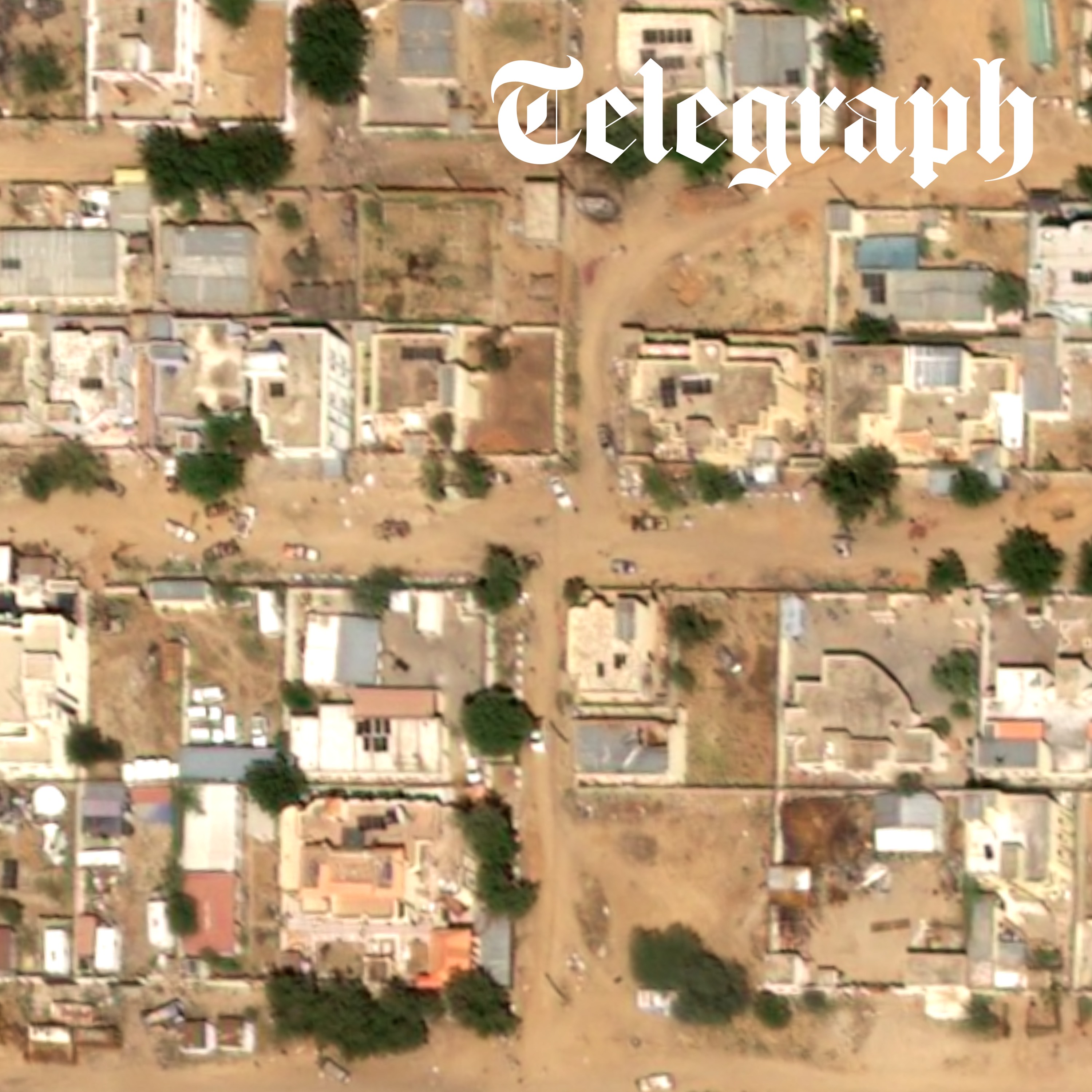
Most media didn’t pay attention until Yale’s Humanitarian Research Lab published satellite images of bodies and bloody sand. Suddenly, there was hard visual evidence of the scale of the slaughter.
This week, we speak to Nathaniel Raymond, Executive Director of Yale's Humanitarian Research Lab about how satellites are being used to track wars and war crimes from space.
We also hear from Shashwat Saraf, Norwegian Refugee Council's Country Director to get an on the ground update from near El Fasher.
Producer: Sophie O'Sullivan
Executive Producer: Louisa Wells
Studio Operator: Meghan Searle
► Sign up to our most popular newsletter, From the Editor. Look forward to receiving free-thinking comment and the day's biggest stories, every morning. telegraph.co.uk/fromtheeditor
Picture credit: AP / Airbus DS 2025
Contact us with feedback or ideas:
@venetiarainey
@ascottgeddes
Hosted on Acast. See acast.com/privacy for more information.
Hosted on Acast. See acast.com/privacy for more information.
Get every episode summarized
Each time Battle Lines publishes, we email you a written briefing from the transcript — the topics, who appeared, and any specific claims, with the ad reads skipped.
Email me new episodesFree for 3 shows. No card needed.
Hosts & guests
No transcript yet
This episode has not been transcribed. Request it and it moves to the front of the queue.
More episodes
More from Battle Lines

I went to the Strait of Hormuz. This is why Trump can’t defeat Iran’s mosquito f...
Battle Lines

‘A bunch of losers with no power’: Why Iran’s hardliners won’t win
Battle Lines

The true cost of America’s hidden missile crisis & why US-Iran talks are deadloc...
Battle Lines

‘Trump is wrong - Iran’s regime is not split over this war’
Battle Lines