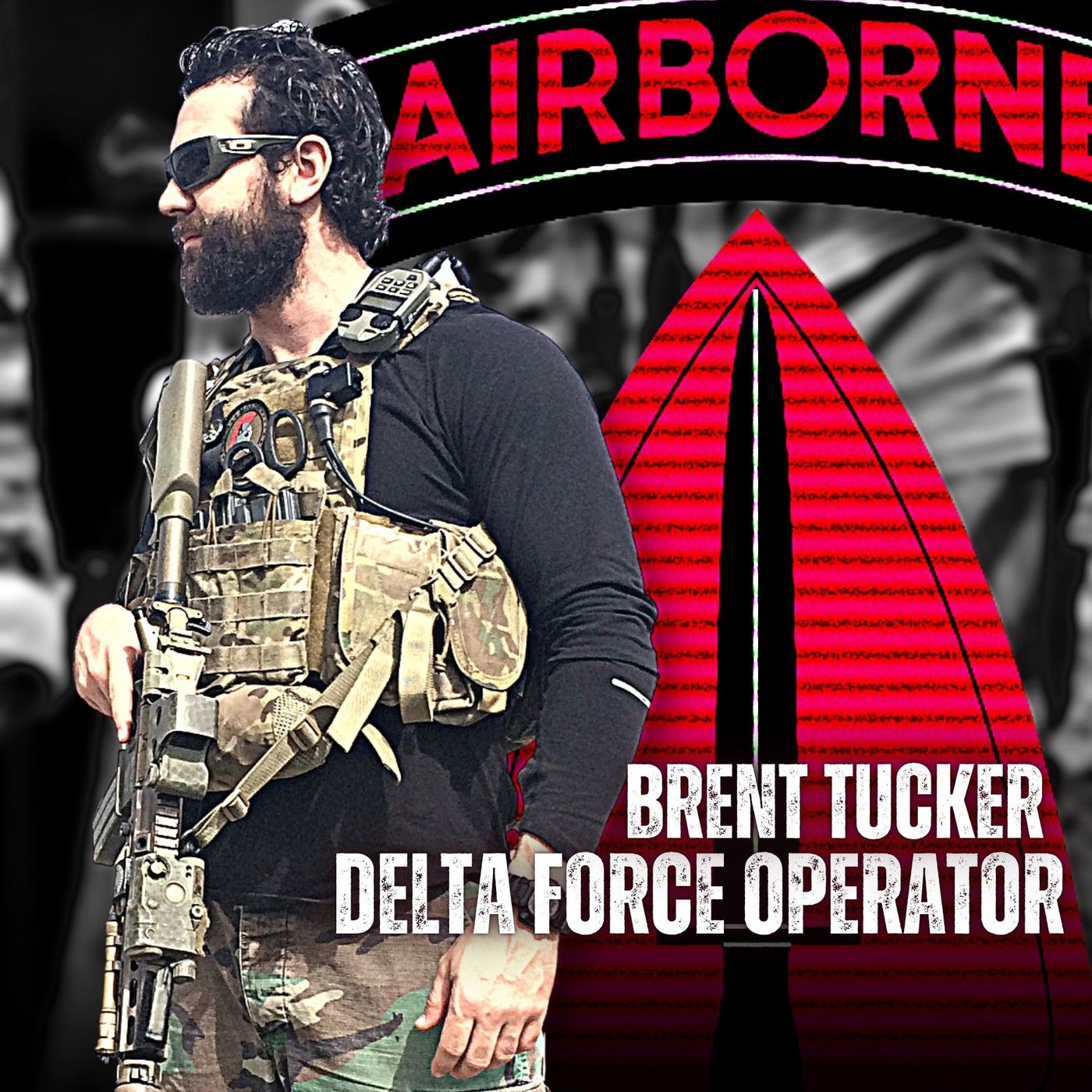
Inside Delta Force: Afghanistan, Syria & the War on ISIS | Brent Tucker (throwback ep)
About this episode
The Team House is made possible by:
Grab some FRCC here: https://frccoffee.com/
To help support the show and for all bonus content including:
-AD FREE AUDIO
-AD FREE VIDEO
-Access to ALL bonus segments with our guests
Subscribe to our Patreon! ⬇️
https://www.patreon.com/c/TheTeamHouse
00:00 – Start
02:28 – Growing Up & Joining the Army After 9/11
09:48 – Fighting to Get Into 20th Special Forces Group
16:28 – Becoming an 18 Echo Green Beret
23:22 – Bolivia & Getting Sent to Combat Diver School
29:25 – Surviving the Hardest Military School of His Career
36:32 – Afghanistan With the Commandos
43:57 – Operation Bulldog Bite & Rescuing Pinned-Down U.S. Soldiers
1:02:29 – A Desperate Call for Help From an Isolated Combat Outpost
1:09:14 – Operation Rockstar & Clearing an Enemy-Held Valley
1:19:12 – Trying Out for Delta Force & Failing Selection
1:26:58 – Making Delta & Going Through OTC
1:35:43 – Delta Force Deployments & Getting Shot
1:39:53 – Fighting ISIS in Syria
1:46:56 – Extreme Long-Range Sniping Against ISIS
1:52:36 – The Battle for Raqqa & Returning to HVT Raids
1:58:00 – The Deaths of John Dunbar & SAS Operator Matt Tonroe
2:04:04 – Injuries, Memory Problems & Knowing It Was Time to Retire
2:08:21 – Delta Force Q&A: Selection, Squadron Culture, DEVGRU & SAS
2:17:03 – Life After Delta & Training SWAT Teams
2:21:02 – Starting First Responder Coffee Company
2:24:33 – The Anti-Hero Podcast
2:26:26 – The Rob O’Neill / Bin Laden Controversy
2:29:41 – Giving First Responders a Platform
2:32:55 – Closing Thoughts
original air date 9/22/23
Become a supporter of this podcast: https://www.spreaker.com/podcast/the-team-house--5960890/support.
Get every episode summarized
Each time The Team House publishes, we email you a written briefing from the transcript — the topics, who appeared, and any specific claims, with the ad reads skipped.
Email me new episodesFree for 3 shows. No card needed.
Hosts & guests
Transcript ready
1,517 searchable segments. Every word is indexed and playable.
Full transcript
The Team House — Inside Delta Force: Afghanistan, Syria & the War on ISIS | Brent Tucker (throwback ep). Machine-transcribed; use the interactive transcript above to jump the player to any line.
Hey guys, welcome to episode 235 of the teamhouse. I'm Jack Murphy. I'm a, is it over here? Oh, sorry guys. My phone was on. Apologies. So episode 235 of the teamhouse. We're here with our guest tonight. Brent Tucker. I'm Jack Murphy here with David Park. Brent again, thank you for being on the show tonight. Really appreciate you joining us on a Friday evening. Absolutely. Thanks for having me. I truly do appreciate it. So again, because I got a little distracted in the beginning. Brent is a 20 year veteran of Army special operations. He served in 20 special forces group and then he served in Delta Force, deploying to Afghanistan, Iraq and Syria. Today, he runs the first responder coffee company and he's also the co-host of the anti hero podcast. We're really happy to have you here today, Brent. And you know, I'll kind of start it off from the top, asking the same question I asked all of our guests about their origin story. If you could tell us a little bit
about where you grew up, what you're upbringing was like and sort of how that took you on a path towards the military. Yeah. The, I grew up in a small town in Florida, Sanford, Florida, working in a family business. We own Tucker's Farm and Garden Center that my grandfather started. That was, I was one of the few people who didn't want to leave my small town. But I just wanted to work in the family business. My path in life was already set and I was more than happy to go down that path. I definitely wasn't a, a adrenaline junkie as a kid. I was a pretty quiet kid. So definitely not someone you would have pegged for anything in the special operations realm or even leaving town at any point. So how did that happen? I mean, if you were on this track of like going on, taking over the family business. Yeah. So the September 11th happened. I mean, I had,
it's, it's crazy. September 10th, September 10th, I'm 20 years old. Still chugging down that same path that I was on as a little kid. September 11th happened. And it changed my world. The same way it changed a lot of people's world. I knew I wanted to do something. I made a decision that day that I kind of would make time and time again throughout my, my military career when I, when I had to come to make a decision. Which was I didn't want to live a life with regrets. You know, I didn't want to be, I didn't want to be 70 years old, you know, looking back and said, man, when I was 20, our country got attacked, almost 3,000 people died. And I felt like I should have done something. But I just played it safe and stayed my small town. That, that honestly is the, I mean, there's the genesis right there. That line of think and started it. I raised my hand. It took me till September 27th to actually
sign the paperwork. And off I went. The, and I only meant to do is, you know, a four-year stint and then come right back to my small town. And yeah, as the saying goes, if you want to make God laugh, tell me your plans. I couldn't have been any more wrong. And I continued to be wrong about my career as it progressed. So, so what did you, in, in list as as far as like your M.O.S. what, what was kind of like your plan going into the military? The one that God laughed at, of course. Yeah. When, when I, I knew nothing about the military. And I mean, well, next to nothing. My dad would take me to, to air shows. My dad wanted to be a fighter pilot. So bad, I guess, when he was in his late teens, then I cite God him. And so he didn't get a chance to chase that dream. So I definitely grew up in a military friendly family. You know, we watched Warmoot these, you know, my dad made us watch all the Vietnam documentaries and I loved it. So we were,
we were a military friendly family. But no one was talking about joining. And I had no idea what I was going to join. So a good friend of mine that I went to high school with Jessica butters. Her dad was, was a, all I knew is that he was in the military. I knew nothing more than that. Come to find out he was a CW-4 at a National Guard unit, a National Guard air defense artillery unit out of Daytona Beach. So he was the first, he was the only person I knew. So I went to him and said, hey, you know, a country got attacked. I want to do something about it. So I came to him. He gave me pretty good advice. He's like, hey, I'm in the National Guard. I think you should do that. You'll get a chance to fight. You'll get called up. But, but, you know, you don't have to go away for four years. It sounded like a good plan to me. Sound like I was going to get what I wanted,
which was to deploy. And so I went to the recruiter that he recommended me to go to. And for a guy who wanted to join the military and fight, I got put in air defense National Guard, which may not have seen a lot of action. So that was, that was, it took me about a year to, to, well, probably took, it took, it took less than a year for me to figure that out. But, you know, figuring it out to one thing, but doing something about it is, is, is, is another. So as soon as as soon as I got a basic an AIT, we did get mobilized to go to the invasion of Iraq. And we sat around for like six months and four bliss. And at that point, we had a sister battery coming back from Afghanistan. And so I couldn't wait to talk to those guys to see what war was like. And,
I asked them and they did like a 14 month deployment to Afghanistan. And I found out that it was a patriot missile battery that you were with, sorry to interrupt. Yeah. So that would have been a part of, of, of the unit. I, in particular, I was in short range air defense, which was Stinger missile operator. Okay. So, or Stinger, yeah. So shoulder fired Stinger missiles 14 Mike, which eventually became 14 Sierra. Because I had to go to the, a little bit longer course to do the, the Avengers, like that, that, that, um, hum V with the, the, the four missiles on each side of the turret. So that's the Avengers. So that's, that's what I went to school for. But when those guys went overseas for 14 months and came back, they just guarded the gates. That's all they did. They did nothing to guard the gates, which, which was my worst fear come true. I kind of eventually
was slowly figuring out, I don't think the Taliban has a lot of helicopters to shoot down. And I'm not sure my skill set will be utilized in the war on terror. Um, so I asked those guys and said, Hey, what, uh, like, then who was doing things? And, uh, they, they, they told these stories that were probably a little bit true, but a little bit embellished. They'd be like, Oh man, these special forces guys, these green braze would come onto, uh, would come to our, come to our gate with blood all over their home fees. And I'd have to be like, Hey, Sergeant, uh, I need your IDs. And they'd be like, F you just opened the gate. And so I was like, so what'd you do? It's like, well, I opened the gate. What do you, what'd you expect me to do? I was like, man, uh, and a party means like, this guy's kind of sound like assholes. And the other party was like, this guy sounded really cool. So, uh, um, I eventually found out about 20th Special Forces group, which is a National Guard group. Um,
and that started really my, my, my whole first fight trying to, trying to do that because we were, we were mobilized at the time, getting ready to go. And that was the nail in the coffin. I was like, I don't, I don't want to do this. I want to do that. Um, and so it's very difficult as a National Guard's been who's already mobilized and went through the whole mobilization process. And what, you know, we're supposed to be, uh, even though we didn't leave when we were supposed to, they were going to just kind of hold us in this limbo as a mobilized unit they could call any time. Um, and so we sat there for months at Adel Paso waiting for a call that never came. So I started fighting with my, my company leadership then telling me, Hey, I want to go to Special Forces. I want to go to the National Guard to 20th group. Um, they kept saying no, they, they told me all sorts of lies. Like, well, you have to be an E5 to, to go be a green beret. So you'll have to wait a few years. Um, yeah. I've been, just talked a few more people found out that wasn't true.
You know, I mean, just a 20th group, when, in a weird way, it has a lot of like, with other National Guard units has a lot of myths like surrounding it. Um, and you're like, Oh, you can't go to 20th group because you have to be, you know, an activity Special Forces guy first and when they come out, that's how they go to 20th group. I mean, just all sorts of things just weren't true. Um, I eventually found, I don't know if you guys remember this. You guys remember the, AKO white pages. Oh, yeah. Yeah. That's how I found my 20th group recruiter. I went to the AKO white pages and I googled, uh, 20th Special Forces googled, uh, searched, uh, 20 Special Forces and actually found a recruiter number out of Ocala, Florida, which would have been the closest one to me. So I'm still deployed or mobilized in in Texas and I call them and, uh, I still remember
the guy who picked up because I ended up, yeah, he was a support guy there and, and was a recruiter. He picks up the phone, Sergeant First Class carry and, uh, and I was like, Hey, it's one introduced myself. Uh, my name is Private First Class Tucker and I, I want to be a green beret. And he asked me like two quick questions. Uh, like, yeah, how long you've been, he was like, right first class, yeah, where you at? I told him he's like, how long you've been in. Um, I told him, and he basically goes, uh, I'll call you back in like a year and then hangs up the fuck one. And again, I was like, man, these guys are kind of dicks. I think, maybe I'm a dick, but that's like, I don't know. I kind of want to like, I love that. Like, you're not good enough and you have to prove yourself. And, you know, this, yeah, it's like, you know, I told you, you got to come and stand out in front of the door and wait, wait, your turn. Right. Yeah. I mean, you know, it's not this. Everyone gets a trophy mentality. I can't, can't wait to welcome you. You know, I, you know, I, I, I enjoyed that. We, we, we, we demobilized a
few short months later. Uh, I, I called him right back, um, and talked to someone else on the phone who was a little more welcoming and told my sob story. They said, you know what, come over here and do a, uh, do a small tryout and we'll, and, and we'll see. Um, so I show up, knowing absolutely nothing to this small tryout. I knew they told me to get ready to, to rock and do a PT test, at least. And so it's okay. And I showed up not knowing anything, but knowing the hay like all I know about soldering is like boots, uniform matters. Uh, and I'm not a green beret yet. So I better show up with, with polished boots and a press uniform. Uh, and I did that. I was immediately scolded for it and told to get into, to PT's and, uh, don't, don't ever work or those around here again, unless there's some sort of rewards ceremony going on. And I said, okay, I like this place already. Um, I did the, uh, did the PT test and the, and the rock and, uh, I did very well on it. Um, they said, hey, we
want to bring you over our program and send you a selection as soon as possible. Go back and tell your unit that you want to, uh, that you want to transfer over here. And that's where the real fight kind started. You know, they, they, they had already been giving me a bunch of, you know, uh, slow roll and me. And now they just simply told me, no, uh, we're not going to send you, but like before the mobilization, we sent a couple guys over there. They never make it, you know, I'm don't waste our time with the paperwork. Don't waste your time. We're just not going to send you over there. So I carried that message back to 20th group and, uh, the, the sergeant major, uh, laughed at it and said, hold on. I'll, I'll make a phone call. They can't, it's, it's, I told you to do that. But it's really not up to them. Uh, so it makes a phone call. Um, I go back to work a couple of days later. They're like, well, you got what you want. Um, I hope you're happy. We'll, we'll see you in a couple months when you don't make it, which was one of the best things they could have done for me
because I absolutely trained my ass off. Uh, I couldn't stand them anymore. I did, you know, I'd too much pride to, uh, just to fight that hard. And then, you know, have to swallow it and come back and tell them I wasn't good enough. I go to selection a few months later. Uh, I, I come, I come back. Uh, I think I had to turn in some gear that I still had from them. And for whatever reason, I was kind of hoping that, uh, they'd be like, hey, we were wrong about you. Good job. You're like, the only guy that's ever, that's ever made it, uh, instead, they're like, well, guess what? You haven't made it yet. You know, half the guys don't make the cue course. So you'll be right back. And, uh, that was the last time I saw him. And I'll tell you how petty I can be when I retired 20 years later after the Delta Force, a part of me wanted to drive down there and, and shove my 214 in their face and say, see, see what I did. Uh, but of course, I think everyone there would have
been. Yeah. They're like, who are you? Yeah. Yeah. So that's how, that's how I got to, uh, that's how we got to 20th group. Um, I was, um, unfortunate. I was unfortunate enough to be smart, um, which means I got to be an 18 echo. Um, I put, after selection, I put down the forum. West's, I wanted, I put Bravo, Charlie, Echo Delta. Um, I sure as heck didn't want to be a Delta. They said congratulations. You got, you, you got, you got your top three. Is it the guy told me? And I was like, what's that mean? He goes, uh, your Neko was in your top three. There's only four choices. It was, it was second to last is what is what I've viewed it as. Um, there's two reasons I wasn't real happy about getting a neck, being an echo, is because at the time, they had a longer, uh, cue course than Bravo and Charlie. Uh, and so at,
at that time and, and, and 2002, everybody thinks the wars are going to go away if you don't hurry up and get over there. So I wanted a short of my West Bravo were Charlie. Yeah, I wanted to try to clip out of Spanish and, you know, and, and be an Afghanistan and, you know, eight, nine, ten months. I mean, the cue course is already long enough without, without the rest of that. Um, again, my, what I wanted never seems to work out and I always have to just deal with what I got. So I got echo. Um, I stayed there longer. Uh, I tried, I tried to test out of Spanish. I missed it by two questions. Um, and, uh, of course, the, you know, the jokes on me, I didn't get to miss, like, maybe I missed the deployment. So instead of 13, maybe, maybe I'd, I'd have had 14 if, uh, if I got out of there a little quicker. Um, but yeah, there's, there's, uh, there was a lot of war left. And really, I look back at that generation of, of cue course guys and they were good dudes. Man,
I'm telling you, I, I couldn't be, I still talked to some of those guys in the cue course to this day. There's such good dudes and they went on to do amazing things. And really little did we know that era of cue course students was really going to see 15 years of war after that, which, which really may be the, the, the most amount of combat, you know, any other generation was, was going to see, we had, we, we had no idea what, what, uh, what we were in for. Hello, everyone. If you're here in this, uh, you are not a member of the Patreon. You can get your hands on ad free episodes that come out early and you can ask us questions. Maybe we'll answer them. You can also watch the team house podcast completely ad free and early and you can also watch it live as we interview our guests. Um, and it's the best way to support the channel. So if you can, if you're open to it, you can go to patreon.com slash the teamhouse. That link is in the description. Uh, we appreciate the supporters and we hope you would consider
being one. So it's patreon.com slash the teamhouse. Thanks guys. Trent, I want to ask you a little bit about how 19th and 20th group are structured because we know that the different SF groups generally have, you know, are assigned an area and, and aligned to a particular area. How, like, how did they choose your language? How are 19th and 20th group, the guard units aligned? Yeah. At, at, at the time, uh, a battalion aligned with the group. So third battalion, 20th group aligned with seven, uh, special forces group. So I got Spanish because our, our battalion was aligned with seven. Okay. That's, yeah. Um, the, well, which, which really kind of gets been to, to, to my days with, with 20th special forces group as a green beret. Um, I, I was, uh, I spent my whole guard time as a, yeah, as a, as a single guy, just being a guard bum. I just went from
set of orders from school to school to deployment to deployment, uh, and just state active the, the whole time. And I loved it. I absolutely loved it. Um, as soon as I graduated the Q course, I was on a C 130 down to, down to Bolivia for, uh, for, for a month. Um, I, I had only, I'd only got to see, you know, the, the different ODAs in the company a few times. And I saw these, uh, I saw these guys on the dive team who were just, who were just better than everyone else and, and we're more than happy to prove it. And, um, I, my senior echo on my first ODA was going, was going to dive school because he wanted to go to the, to the dive team. And, uh, and by, by the second or third time, you know, we, we had done some training together. He looked at me and goes, Hey, you should go to dive school too. Um, and so I, I'd love to go to dive school. He goes, Yeah, it's easy. Just,
you know, raise your hand that there's always slots go to dive school. So I'm getting ready to go down to South America and just, just like he said, you know, all you have to do is say you want to go to dive school and they'll put you in a slot. So I go down to South America. Uh, I start training for dive school before South America. Um, as soon as I get to South America, um, I get an email back to AKO again. I get an AKO email saying that funding fell through and don't worry about, don't worry about dive school. And so I said, Okay, so the next three weeks, um, I, I went on a very different training regime and, uh, partied my ass. And had a great time. Uh, we, you know, we trained hard, we partied hard. It was a great first, um, first experience. In fact, that team I went down there with had, you know, their, their Bravo on their team, I'm, you know, uh, went to the unit before me. Their 18 Delta on the team went to the unit as a, as a medic before me. It was a, it was a
stacked team of great dudes that were seasoned guys. You know, they, they'd all been to Afghanistan already and multiple trips and they'd all been on the team for like five, six, seven years. So it was a great, great first trip learning. I was the only echo on the team. So, uh, you know, it was a great experience as a new guy to have all the commos to, to fall on me. It was a cool experience going to hotels and setting up a, you know, satcom, you know, PSC five and, you know, shooting out, uh, reports, you know, from a hotel room in different cities and, and Bolivia, just kind of a, and civilian clothes as, as you're traveling around. So just, you know, definitely a cool experience in, in that part. Um, it's a couple days before die school, supposed to start and I'm at a roadside cafe in Bolivia and I get an email. Uh, it's an A-tar notification saying, uh, giving me, you know, details of checking into die school.
So I went to the, I went to the war and officer on the team and, uh, I said, hey, this is probably nothing but I did get this A-tar as notification. And he's like, well, if you have an A-tar slot, you're, you're going, you need to get on a plane right now and go to the US. Um, I, I was both excited to hear that and also, uh, you know, it, it, like a getting punched in the gut going, I, I'm not ready for this. Let's hope by, you know, yeah, but there's a lot of things you can do with your 24 that, that you can't do later on in life. So, uh, yeah, you know, not to make these stories long, but, you know, just kind of, you know, I, I get in a, a, uh, a one way rental car and we drive like me and one other guy that was going to go back with me, drive like nine hours straight and there's these massive unrest going on because of the, the elections just happened and no one's happy with the, the, the, the election and there's road
blocks everywhere. We don't, our Spanish actually wasn't too bad, but it wasn't enough to be by ourselves negotiating roadblocks. Um, we just randomly gave people money that, you know, I just kept on giving them money until they seemed to be less angry with us and they let us go. We get to the airport and, uh, we landed on a military base dirt runway in the middle of the night, unloaded and left. So I didn't get my passport stamped. When I get to the, uh, when I get to the airport, we're trying to load up and the guy's like, Hey, something's weird. You don't have a stamp on your passport. Had, had you get in the country? And I remember the last thing my war and officer told me, was, Hey, if you get any trouble, you know, here's, here's the, here's the, here's the number to the embassy. Call this guy. He's our fixer. And so, uh, I didn't give him an answer about how we got
in here. I just said, Hey, uh, you should probably call this guy first. And the guy told me goes, I don't care who that guy is. How did you get in our country and you can go ahead and, uh, start looking at other flights because you're not getting on this one. And I was like, you know, okay, that, that sucks, but, you know, call this guy. He walks away 30 seconds later. He looks at me with disgust. He just takes my passport and he stamps it and says, get out of here. So this day, I don't know who that guy was. I don't know what he told him. Uh, but, you know, just that it was, it was a very cool, non combat first experience of, of being a green beret and just, you know, doing things that really is really unique to, uh, two green berets. Um, I end up, I get a, I fly right to Miami and check into die school and proceed to have the worst six weeks of my life. Um, whole week was absolutely
horrible. Like, you know, I quit doing breath holds. I was not ready for it. Um, I was, I got dragged out of the pool, you know, almost every day and asked why, why I suck so much. Um, and I just, and I remember calling my dad at one point and saying, uh, hey, dad, we have, you know, the Q course has been a lot, you know, just went on a trip down south. Now I'm in, now I'm in die school. It's just, it's really tough right now. I think, I think I just need to come home for a little bit. And, and, but my dad is not the, the, uh, the guy to, to cry on his shoulder. Uh, he's, he's just a very hard man. But, uh, but I also never complained to my dad about anything. Uh, so I think my dad knew if I was calling and to tell him things were pretty tough right now. He just said, do what you got to do, son. And I said, okay, I'll, I'll call you tomorrow and let you know. And, uh, every day I showed up to the pool and had to fake motivation like I wanted to be there when it
was everything I didn't want to do. And, uh, I never called my dad back and told him that I wasn't coming or was coming. My dad said he figured that when I didn't call back, he, he knew. And, again, my dad says a hard core guy. So it's not a kitchen economy and ask what's wrong. That was just the, the odd random conversation we had. Um, it was a fleeting moment of weakness. Um, I'll come back to that story here in a little bit because I tell them myself later my career saying, Hey, this is the hardest thing I've ever done. And I'll, I'll tell you the one particular like time. It was like the end of pool week and you're just, you know, you just physically exhausted. Um, and, uh, they, they put us in and again. And part of us, why are so hard is because I, I wasn't ready for it. So I mean, I'm not saying it would have been easy otherwise, but it, I definitely didn't help myself out. They put us in the pool and they're
going to have us do these, um, uh, sprints. And they said, Hey, and they told us to say, bring, bring two shirts to the pool this day. Um, and so at the very end of the day, they, uh, they said, Hey, get, get one shirt wet. Take your, take your brown shirt off, put them in both your hands. And that's what you're going to swim in to get to the other side of the pool. These two soggy shirts. And, uh, they said, pays to be a winner. First one to the other side of the pool gets to get out. And, um, and so everyone, you know, swam as hard as they could to get to the other side of the pool. And, uh, they didn't let anyone on the pool. They're like, Hey, but that's not this round. Um, they said this back and forth, back and forth like 15 times, no one gets out of the pool. Um, and sounds dramatic, but it's just true. Like guys are getting fished out of the pool because, you know, they're, they're, they're cramping up. Um, and they're giving it their all. And they're just, and I remember thinking, you know, look into the guy beside me on the gundall. And we didn't say it, but we both, you know, looked at each other just, you know, I said,
I'm gonna suck. Um, yeah, that, that, that look at another, that empty look at another guy's eyes, what he's, what he's just giving it is all. Yeah. And yeah, we've all, we've all been there. Um, and I remember thinking to myself, I got one more in me. And if, uh, if they don't get us out of the pool, um, I'm quitting because I'll end up at the bottom of this pool if they send me again. So they send us again, I get to the other side of the pool. And I'm talking, I'm, I'm coaxing myself up. You know, well, this is, it's time, it's time to quit. It's time to quit. And me and that guy look at each other one more time. And, uh, we both, you kind of shake our heads like this sucks. And, um, and he goes, eff it, I quit and gets out of the pool. And I remember looking at him getting on the pool and thinking, you, Quitter, I can't believe you. I'm wrong with you. Know that I was just as big as
if he wanted to beat me to and I probably, I probably would have quit. And, uh, and just like, do you remember watching him quit just disgusted me? And, uh, I stayed in the pool. We went back and forth or six or seven times. But I guess maybe he left me some of his energy on, on, uh, on the way out. Uh, super glad I got die school out out of the way early in my career. Uh, um, like, in certain joke here, but like, like most divers, uh, I'm a proud diver and really, uh, you're proud of that accomplishment. Um, the, and it, and it got me to work on the best ODA I ever worked with, the best group of guys, uh, honestly, I ended up having one of my best deployments in my military was a 20th group deployment with that dive team running the command doves that I left Afghanistan. We just, you know, just one, a group of, of really good friends deployed together have the same mindset, uh, and just wanted to get after it. Um, to, to this day,
one, one of my, one of my, one of my best experiences in the military and, and, and die schools, what it kind of afforded me that, uh, that possibility. I, you know, it's interesting because I, I want to paint sort of the picture for people who may not understand earlier when you're talking about going to die school or, you know, the chance to go to combat diver school, you know, you said, the, the senior echo said, there are always, billets available. There's always lots of open. And, and the reason for that is because combat diver is such a notoriously hard school that people don't sign up for it in general. Like it is, it's one of those schools that somebody asked to generally be really motivated to go to because it is such like a dick dryer. I don't know if I'd have gone back. I don't know. I mean, I mean, I, I mean, I'd, thankfully, I didn't have to make that decision. I'd, I'd like to think that with a little bit of rest and, you know, I'd, I'd, I'd have got back on there. Um, I was really lucky in, uh, in my career
that the two have not have recycled, uh, to not, uh, we'll get to a little bit. There's one thing I recycled, but, but SF didn't, didn't hand that to me. Um, and, and die school with, I'm not saying the Q course was easy. By no means with the Q course easy, you know, the Q course had really tough days in it, uh, but just for just an absolute smoke session day in, day out, you know, running a red line the whole time, die school with added doubt was the hardest military school I went to. Yeah. So talk to us about that, that deployment that I've led you into with the Kandak commandos. Oh, yeah. So we, um, I had, uh, I had, I'd been selected, uh, for, for the unit. Actually, uh, I got selected and I told them to, hey, we're on the verge of a, of another deployment and I, and I want to go back to this, uh, um, well, I should say my second time at
selection, I get selected and, and we're going, uh, I want to do this, this deployment with, with, with our guys. It's one last year off. You know, and I told them that and they, they're like, absolutely, you just not going anywhere and go, you know, go, go, go, go fire your guys. I think they respected that. Um, so I go to, so that was really cool and a weird way. Kind of be in a, a made man and, and 20th group as a, a guy already selected to go to the unit. Um, and, uh, it, it was such a great mission. Um, so we didn't have any air assets dedicated to us. You know, we didn't, but we got a lot of aviation assets given to us by the battle space owner. And how those deals usually worked was, of course, we're, you know, we're, um, we had plenty of direct action targets that we collected the intel for. And we, you know, we, uh, here's a, here's a blast from the past. If you remember terms like J-Pel targets.
Mm-hmm. Um, so we had our, our list of J-Pels to go after, but most of them required to, to do it properly, you know, aviation assets. Um, and the battle space owner was interested in giving us aviation assets, but the, the battle space owner is actually a, a, a really, a really good dude. Um, and, uh, he also wanted to work out of us. And smartly so, um, he would give us assets if we would do missions for him. And what he wanted from us was to take our commandos and do valley clearing operations for, for his conventional forces, which really was, which was a great opportunity, you know, really for us too. Like, and he's absolutely right. Like that's the commandos should have been at the very forward edge of those valley clearing operations, you know, taking bullets that, so Americans don't have to. It's, it's, it's their country. They're a motivated unit. They were more than happy to do it. Um, they had a short shelf life. So if it wasn't, you know, if,
I can't remember the exact hours, it's 48 or 72. Trust me, they, they knew what the, the shelf life was. It's even, it's in their charter. And I want to say it's 72. So if, you know, if 72 hours is about to come up, they'll let you know, hey, we're, our, our work's done here. This is, this is, this is as much as we're allowed to suck. And, and, and, and more than one occasion, for a unit that can't logistically do anything on their own. If they're on an operation, a valley clearing operation, then longer than 72 hours, they'll, they will find taxis to come pick them up in the middle of the world. All of a sudden, they're logistical masters and can find their way back to things. They can't find their way to a mission to save their life. Um, that's, even, I know I just said they heard that they were a great partner for us, but that's, that was a, uh, that was a reality of them. I'm telling you, I feel like, uh, you know, the, the more experience
I got in SF, the more Robin Sage was real. Yeah, yeah. I'm gonna be Robin Sage going, I have to show up and beg these, you know, these fake G's to let me in their camp and to, and to fight with me like we're in the real world, we're Americans with, with, you know, with bombers and suitcases full money. No one's, yeah, I don't have to, I don't have to beg anyone to come fight with us. There I am in Afghanistan begging our commandos not to leave us going. I, am I in Robin Sage right now? This is, this is crazy. Um, but sure enough, happen on more than one occasion, um, but those valid clearing operations were great. Uh, they, they did suck. I mean, everyone prefers to, to get on helicopter, hit a target in the middle night and not miss a meal or workout. Um, they, they could be trying, you know, even, even those, yeah, even, and they're still considered short duration missions at three and four days. Um, I'm sure there's some conventional guy listening to me whining about
being out for three or four days. Um, but they, uh, yeah, when it was cold, it was freezing cold, when it was hot, it was miserably hot. And, uh, they would reserve the commando unit to go down the worst parts of the valley. Again, rightfully so, and that's exactly where we wanted to be. But, you know, we did those valid clearing operations. You know, if they teed it up for us and they teed it up for us, right? Then they put us right in the, in the thickest thing, uh, in the thick of things, then we got to do a lot of good work. Um, that there's, there's a couple really cool stories that actually come from that particular, uh, mission, uh, that deployment. Uh, we were the, and I don't I don't know who keeps track of these stats. I remember them telling me, but, you know, uh, adding up our, you know, the, the various kills you get as an ODA, they, and they, you know, they, uh, they give you your casts, you know, kills and your small arm skills. And, you know, we were up in the,
you know, high couple hundreds. And, uh, they said that we are, we were the, yeah, the leading ODA in country, uh, and kills, which really wouldn't have been hard. It's not, and although we were a really good ODA, it's not because we were amazing. We thought we were, um, but they put us, they put us in a good area with the commando. So we, we, we operated in all of the east into KL. Um, I used to be able to tell you what N2KLs did for I could probably get most of the, uh, most of the acronyms. Um, and it was just a hotspot at that time. So we, we had the, we had the, the right partner force and the hottest area of the country. Um, one mission was a, uh, affair, you know, it was a great mission. It's not necessarily that the one you want to get Wilkin up for. Yeah, I told you that batine commander was, was a great dude. Um, he calls our, our team leader and our team sergeant into the office. He was like, Hey, um, I need you guys. And, uh, and I guess he's, he's, he's, he's tiered up.
You know, asking for this help. Yeah, my, my team sergeant's like, uh, my team sergeant, uh, Ricks beer, he goes, what do you need? Yeah, he's always given a Sarah Kratch. He's always been real, real good to us. He goes, what, what, what, what's wrong, boss? He goes, uh, my, my, my boys were himmed up. My boys were himmed up in a bad way. You know, we got, uh, you know, we got double digits dead and, and double digits wounded. Uh, and those numbers are climbing if we don't, if we don't get someone there like right now and, uh, came back got the ODA said, Hey, the, you know, blades are spinning. We, we got to get there. Um, we, uh, if I remember right, there's a call it operation bulldog bite. Um, we were going to insert to the south of their location because they were still in a, in a firefight. So they didn't want us to, uh, to insert there. We're going to insert south their location. And the Rangers were coming in. We're going to insert to the north and we were going to, and we were basically, it was really going to, we were supposed to meet them there together. But everyone,
everyone knew it was going to be a race to, to try to get to them first and, and, and, uh, uh, and help those guys out. Well, when we inserted the Ranger, uh, 47 had mechanical failures and they, and they didn't insert. So it was, it was just us. Um, when we got there, we got there right as, uh, first light, um, was there. Uh, the A, we got there a little bit later. It was supposed to insert and darkness. It was just first light. AC 130 got there early to try to, uh, uh, make sure that everything was going to be kosher for us. And as soon as AC 130 got on station, it started lighten off. And it didn't stop shooting. It, it was shooting while we landed and when the, and, and, and daylight, when the 47s took off, it was still firing. Um, and, and I never look at that. One of our guys was like, and that weird. He's like, what's that? He's like, I've never seen an AC 130 in the daylight.
He's like, yeah, that is, that is kind of weird. Um, come to find out, uh, and, heck, one of you guys may know, but it had to go up to like two or three star level approval to keep, to keep specter flying, uh, daylight that low, yeah, agent targets. I was gonna say that almost, almost always, uh, AC, uh, specter would be like denied daylight offs because of fly so low, you can see it. Right. And they were worried that would have presented target for man portables and stuff. But to have a, a AC 130 during the day is exceptionally rare. And like, and like you said, probably had to be elevated because the, the in country commanders, like the Air Force, they, they did not allow that at all. Yeah. I'm telling you, it was a weird sight seeing it. You know, yeah, you, you get to hear it a lot. You know, it's up there. You know, um, you know, um, multiple, multiple nighttime operations. But when you actually see it during the day,
just, just stuck out of like, man, that's really weird. Um, and, and we confirmed, you know, obviously that, you know, I got told to us that they had to get special approval to, to stay on the station. And it took us. And of course, we get, we get, uh, inserted a little bit, um, a little bit further than we wanted to be inserted. And so it's going to take even a long, so it's going to take all day for us to get up there. Um, we get into, you know, we, there's a couple of villages between us and, and then we get into a little bit of contact. But the right call was made, like, you know, this, you know, engaging it, killing them right now isn't really our, our mission, our mission is to, to get these guys as fast as we can. And, um, again, I'm, I'm, I'm the, I'm the only comma guy, uh, on, on this mission. I was the only comma guy for them, for the most part during that deployment. Uh, and, as we're traveling at night, we know we should be getting close to these guys. Uh, and it goes back
to, again, I feel like I'm in the Q course. Like at the times, you feel like the Q course is so basic and things they tell you in the Q course, they do, they, they come back, um, to, to, to ring true in operations. And I remember an SUT being said, uh, being told that the most, and then let me know if you remember this, you know, especially in small unit tactics, what is the most dangerous part of, of any mission when, when you leave, when you leave and come back from the wire, you want to take a guess at it? I mean, oftentimes it's right as you clear the objective, right? Because everyone's tired and you're chillin on security. What the seven dash, the seven dash eight answer for that will be reentry of friendly lines. Oh, geez. Yeah. Yeah. Yeah. So yeah, yeah, we can go up with friendly forces. Yeah. That's right. Reentry of friendly lines. And I always thought that was, uh, you know, a, a little bit,
a little bit over the top. Like I mean, don't you think most dangerous thing is, you know, get it out here and, you know, and get it on an ambush line and mix it up with the enemy. But here I am at 2 a.m. in Afghanistan. And there is this, you know, there's these young 11 bravo's that, you know, that are bearing their brothers and watching their other brothers, maybe, you know, slowly bleed out. And there's these guys trumping through the woods, trying to link up with them. And I cannot raise them on the radio. And hey, and I was walking point at the time too, going, well, this is about fitting. You know, it's my, it's my fault, I guess, why we can't make commas. So I guess I should be eating these rounds. I did everything that I was supposed to do before leaving. You know, I did, you know, I, I, you know, I got their fills, I got their frequencies. I did radio checks for their guys from the ground. Why I couldn't make commas at that time is, is just, is the, is the bane of every echoes existence. And, you know, when, when you need to come
with the most, I couldn't make commas. And I just remember walking with my butthole pucker going every step. I am afraid these, you know, these, these bushes are going to light up. We never made commas, we never made a radio contact with them. And luckily for me, they, you know, they, they, they hurt things in the bushes. We let up them like, you know, they yelled from a dish. I tell you, it was there. We got, we got to, you know, speaking English and they, they knew it was us. And they knew that there was an American force coming, you know, to link up with them. And luckily that got disseminated all the way to, to the outskirts. But I'll, I'll never forget how, you know, just how, how dangerous that something that, that really seems like the least amount of dangerous thing that you do. Like, you know, there was really, there's no enemy at the time. I have, there's so much other dangerous stuff I've done in my, in my military career. Yet that to
me, when I told that story, I could still feel the, yeah, the hair stick up back on my neck. Yeah, those woods, you know, waiting to get lit up with a V.S. 17 panel. Like, yeah, but it's nighttime, right? So yeah, yeah, yes. Yeah. It's, yeah, it's nighttime. I have nods. I, you know, I don't even know, you know, if they got nods or, you know, if all their guys, you know, have nods or if they're still rocking seven deltas on a low, low night, right? Make some almost just as dangerous with them as without them. Right. I'll, I'll, I'll tell you this, this war story real quick, how they, how they, how they, I'll rewind it and tell you how they got into this position and what'll blow your mind what we talked about after we met up with them. So it's really a sad story about, about the bureaucracy of our military and the inability for people to make decisions. This was one of their very last
valley clearing operations. It's, it, it had been a very quiet deployment for those guys and they just hadn't seen a lot of action. So they, you know, they, they started it in my mind a little bit to lose respect for the battlefield, you know, I mean, people don't understand, you know, there's a lot of lull to war. Yes, we lost a lot of guys in Afghanistan. There's plenty of guys who wouldn't deployed and never fired their gun and they never saw anything bad and they just, they woke up every day, went to bed every day and eventually went home and it's not a sexiest story to tell your friends, but that's the truth for really a lot of soldiers in Afghanistan. These guys haven't seen much, much combat at all. They come across this, this house and this house is completely full of ied's, full of ied's. And so the company commander says, hey, we're not going to touch this
stuff. There's way too much. None of it. I don't feel that we're competent enough to move this stuff where we should anyway. I'm just going to call this strike on this house. So they get into a long haul and they start the process of trying to get someone to authorize dropping on this house. No one wants to make the call. The, you know, the battalion commander doesn't want to make the call. The brigade commander. And in fact, it's probably worse than that, not the drug out this story, but the, you know, the opso didn't want to make the call who eventually made it to the exo and eventually made it to the battalion commander. Like all these thresholds and levels and everyone just passing the buck up, passing the buck up, passing the buck up. Well, they've been here for like four hours. Just waiting for someone to give them any sort of guidance of what, of what they should do. Well, it's human nature. I'd probably do it too. But what does Joe do after four hours being in the hot sun after not seeing any yet? Joe does what Joe does. And, and I say that, like I said,
I'm not a robot. I do the same things. They're allowed me to get up within very close proximity and, and lob a volley of RPGs and, and, and, and machine gun fire and just absolutely lay waste of these guys. And they really didn't have a solid fight and chance at it. They overwhelmed them pretty quick and hurt them pretty bad. And, you know, and that's what we got the call. So the fact that, and in the day, it was just indecision on anyone wanting. And of course, as you can, it's collateral damage is the reason they don't want to destroy a building. Yeah, destroy, destroy that building or, and there is another building close, like fairly close to it. So they were concerned about that building. Rather than being concerned for their safety and well-being of our soldiers, they cared more about mud buildings. And we said guys on the body bags for it. It'll always be wrong.
And that's how, so that's, that's how we got there. Now I'll get, now a fast forward. We're here. We're talking to these guys. The, we're going to go, you know, we're going to go up and get a little bit of a shut eye because we're, they're going to go come pick them up end day like the next day. And so we tell them, and of course, they're still in the, they're in the valley like this house is, is in the valley. They're still in this house or in this compound. And we said, hey, we're going to go up to that high ground over there and, and get the tactical advantage. And I suggest you guys come with us. And, and even then they're like, no, like you guys got it up there. Like you guys can protect us from up there, right? And like, kind of like, like, yeah, what would be, what would be a better bet would just to be up there with us. Like that's, that's where you want to be, not not down here in this valley. But, but, you know, I'm not going to be too hard on them. You know,
I mean, obviously they're, they're dealing with a lot. Be down pretty hard. And maybe they just needed him. They're more than willing to have someone come save and help them out. That's that, that, and I'll tell you one more after this. But, you know, we'll let you guys ask questions or talk about it a little bit. You want to know that that was one of our better missions. Sorry. But I don't mean that. And, you know, guys lost their lives, you know, trying to think of a good word to use. Where I say, you know, better missions. There's one of the more significant actions. And, and you guys went in there and helped out fellow American soldiers. That makes it, makes it meaningful. That's right. Yeah. I mean, the, the feeling it's only happened probably two more times in my career. Um, like, you know, to, to get there and face to face and strangers, just absolute strangers. Look at you and want to hug you because you, because you showed up. And they, they, they, they, they, you know, they needed someone with guns to show up. And, you know, they, they're just,
you know, they, they're sitting there waiting, waiting to die. And we're, I mean, if they knew us, we were as big as Jack asses as, as, as anyone else, you know, like we're, we're, uh, we're, we're, you know, we're definitely not at times to be put up on a pedestal. But in the day, hey, with a green race show up and the guys with beard show up, like, you're expected, you know, to, to, to, to, to fill that role. We were more than happy to fill that role for them and we're more than happy to, to, to protect those guys and get those guys out of there. Out of curiosity, and you're the size of that element that you guys went in to relieve. Or, uh, so much. I want to say in the, in the, in the 20s. And then do you, do you recall, like what the, uh, was it, was it a captain? Was it like a, uh, a, a, a PL or a second, or a lieutenant? I know. I'd, I'd have to, we, there's, there's, I don't know if a few guys have one like this. I would need a lifeline. And our medic, Mark Domeo remembers everything. Yeah.
Everything I can call Mark right now. He's the exact type of guy. You're there. The rake of that dude and, and the area that we were operating in. Yeah. I'm just curious if like the, the officer, like the, the, the ground force commander was one making the call not to like evac with you guys up the, up the hill or if, if he was getting it from higher that no, it's like stay in place until we resolve what we're going to do with this, these IEDs. But I just, I just remember that being, you know, the, the answer to the, to the conversation, obviously, the, the team sergeant had that, uh, had that conversation with whoever's in charge. And yeah. And, uh, being the cotton guy was bar right next to the commander, sitting up, sit, creps. Yeah. And so it was, or something else with that you wanted to talk about how that operation wound down or, uh, if sounded like maybe there was something else who wanted to say about it. Um, no, I'm not about that one. I'll, I'll talk about one more that's, yeah, that's similar. Happened to stay in the trip. But I'll tell you one of the weirdest things, um, one of the weirdest things that happened was at the end of that operation.
And by the time we actually got he-lows in there, it was actually, it was actually at night time. So we actually stayed, you know, all day during the day, got all the wounded out, um, and whoever could walk to this next LZ, we were all gonna walk that it to that, uh, HLZ and get out of there with a, under with a 47. So it's night time. Uh, we're, we're, we're in PC posture and our interpreter comes up to me and goes, Hey, uh, one of the guys found a goat and, um, he, he really wants to keep it. Um, and my, and this reaction was like, No, you can't bring a goat on a 47. Uh, but, you know, um, I don't know, is another part I was like, you know what? Sure. Yeah, you can have the goat. So I, for whatever reason, authorized this guy to have a goat on the 47 and, um, and he's just holding this goat the whole time he's holding it and we're, we're on this, um, like steep ledge. So here on
this, the top of this plateau is where it's gonna land and we're at the very edge of, of this really steep ledge. So when the 47 comes in, tailgate this way, um, I look at him and I tell him, tell him, Hey, hold on to that goat tight. We're, we're getting ready to go and, um, and I'm just watching him, uh, I'm just watching with nods and it looks like he does this and then just throws the goat off off the ledge to, to its little goat death. And I'm like, those, they're so weird. You know, afghans just do weird things, you know, just shaking my head like, I thought you wanted that goat. Why would you throw that goat off? And so this, this, this question is, is boggling my, boggling my mind the whole ride over sort of, super is the wheels laying down and, uh, and jolabad and we can get away from the road or wash. I go grab the interpreter and like, Hey, why did he kill,
why did he kill that goat? I thought he wanted that goat. And, uh, he said, and apparently he says the, uh, the 47 scared the goat and the goat locked back legs, launched off of his chest and tried to grab it. But from my angle, it looked like three, uh, three the goat off. So the poor goat jumped to its death, but it was the weirdest thing in the world to witness not, not knowing what's going on. And I really feel like that sums up my experience. I mean, honestly, you're lucky. It was just one goat because that footage started if there had been like a flock or herd of goats out there, whatever it is, like everybody would have wanted a goat. And you would add a 47, full goat shit, horrible, horrible precedence, uh, of them based probably stealing goats and taking them on the 47. Yeah. And I'm sure, I'm sure that would have been a, uh, a theater wide
email at, uh, at some point. Pretty senior up to Donkeys. Yeah. You would have been the doctor do little of Afghanistan, uh, you're shepherding goats around on 47s. Yeah. The, uh, that, that same trip, um, uh, I'm in, so I'm in severe close. I'm getting ready to go in the ring route. And I have to go down to Bogrum. Uh, I don't even, either for op fund or, or, or for crypto, there, there's some reason I had to go down to Bogrum. So I'm in Jol about, I'm in Jbad waiting for the ring flight. And this like, uh, this E five or E six guy comes up to me and goes, uh, um, and me, there's another guy with my team. Can't remember who was, who was with me. But he simply goes, Hey, uh, you guys special forces. And I mean, I'm more in civilian clothes. I mean, could have been a contractor, but, you know, lucky guests. I'm like, uh, yeah, we're special forces. And he's like, Hey, I've,
I've been looking for you guys. I've been, I've been trying to call you guys, been trying to email you guys. I'm really trying to get a hold of you guys. I'm really glad I got to see you. And I'm thinking, what, what email are you using? Like, how do, like, this whole thing is starting out weird already. And then he gets like, you know, you know, real emotional. And he's like, Hey, man, I'm we're out at Copma Jill. It goes, it's, uh, it's near the next province over to a really small base. It goes, we're just waiting to die. There goes, there's nothing we can do about it. We're just waiting to die. I, you know, I have to sit there and tell my guys that they're going to be okay. You know, help is coming. You know, it's not, it's, it's not that bad. When I know it's that bad. And I'm like, man, that is, it was a horrible story. Um, I was like, look, give, give, give me, uh, give me your red line number. And, um, we'll, uh, we'll see what we can do. Okay. And he's like, all right.
And so he leaves. I can't see my ring flight trip. And I go back to, uh, to the, uh, to the teamhouse, you know, and I go to the, you know, the team leader and team sergeant, like, Hey, like, you know, tell them the same story. I was like, uh, you might not fall look into this. And, uh, like, no, yeah, it sounds, sounds like something you should look into. And again, that's what's really cool. And I'll always miss about, you know, being on being a green bra, is, you know, the, the autonomy to do whatever you want. It's, it's a lot of work, unfortunately, to collect your own intel and, you know, create your own con ops, you know, execute your own missions with only 12 guys and a partner for us. But it's, but it's, but it's, but it's all worth it at times when you get to, to do things like this. And so I call, I call the guys up, uh, I talked to their first sergeant. It's a company size element out there. Compagil. And, uh, without trying to throw that guy on the bus, trying to feel out what's going on. And the first sergeant's like, yeah, it's pretty bad out here. If can, can you guys come out here? And I was like, okay, I'll, we'll come out and look. And, um,
so me and my team sergeant get on a black hawk and we, we fly out there to come to Jill to see what's going on. And it's a, gosh, I wish I could remember the state. I want to say it's like an Illinois National Guard unit, um, out there. And, uh, they start telling me everything that's wrong. And I remember thinking myself, uh, they're, they're screwing this up somehow. Like they're, you know, they're, they're, they're being cowards. They're, you know, this is what happens. Are you not aggressive towards enemy? And, uh, you know, I obviously, I was like deep in the back of my, in my mind, but yeah, I thought it. And so I'm listing these guys story. And I'm, and so I'm like, so that's, so you know, the, you know, the point of origin where it's always coming from. Like, well, there, there's only three points of origin. I said, all right, we'll send out an SR team and set up on, uh, on all three ports, ports of origin. There's, there's nine, 10, 12 guys. I know you're a company, but that's, that's easily doable. They're like, can't do that. We can't go out.
And I'm, I'm going to screw up the number a little bit, but, um, we can't go out with less than 12 people on a patrol. He goes, and so with 12 people on a patrol, if I'm to go put three people, so, you know, on, on those points of origin, three teams of those points of origin, that's 36 people right there that already puts the set, you know, at, at full strength for, for running operations. Because that means half the guys are sleeping while the other half are out. And as soon as those guys come back, those guys go to go out on operations. And the only thing we've done is run 24 hour ops on three different, three different point of origins. And we're not even, you know, we're not even living, we're not doing like, we're not, like, you can't run operations. Right. Right. Right. I'm like, I'm like, 12 guys to lead these points of these, these poos, if you will, are like 1200 meters away. Like, they're not that far. Like, you have to 12 guys to go a click outside the wire. He's like, that's absolutely. And just they couldn't,
they couldn't drive, they couldn't drive down to the next village, which was only four, five hundred meters outside their gate without getting completely riddled and, and have to turn back around. They couldn't get air support. They asked for guys to do value clearing operations. And just the more, you know, I sat there with those guys, the more the first sergeant, again, he was a national guard infantry first sergeant, he was a good dude. He had, he was, you know, he was just a solid guy. He had a lot of answers and a lot of things he tried. But in the day, they just were capable of solving this problem. And so we went back and we did something that we rarely, rarely do. We put the, I'm going to forget words now, but the Kandak was broken up into three elements. Kandak is already a battalion. So whatever, companies, sorry, companies. So they've broken up into three companies. And we were going to bring two companies of command and those to
clear this valley, which is, which, which we've never done because, you know, they're on a red orange and green training cycle. So they're always in third. So to bring two companies forward was, was a big deal. The soda headquarters gave us a bunch of pushback. And they're like, I don't know what you guys are talking about. We've asked, you know, we've, we've put singing birds around there. We've asked our humanters like, we're not getting anything in that area. Like they're asking us to please go do something else. And they're like, no, we've been on the ground. These guys are hurting like this valley needs to be cleared. We, we set off for what we called Operation Rockstar. That was back in the day when ODS could still name their own naming conventions before people probably took took some, some free speech liberties within their operations operation. Pat House, you know, get a pair of teeth. Yeah. Yeah. Yeah. Yeah. And I love it. And everyone got behind it. Like all the
the aviation support called all the HLZs like Ringo and like all in and and you know, HLZ, Bon Jovi and everything. It was, we inserted that night. And the heels, it was, it was a long valley. And the, the, the, the cop was at the very base of the valley. So we were going to insert at the very northern part and then kind of like a hammer and anvil operation. So, so the, so the base only had to basically be the anvil of it. We would push them all down, all down the valley. Or at least contain them in the valley. We, we get, we come into fire as heavy fire as soon as, as soon as we, as soon as we land. And, and we're thinking, and the soda if didn't even want to say, you know, here we are, taking massive, you know, RPK fire from PKM fire from the, from the mountain sides. And you told us there was no one here. And that was just a bunch, you know, a couple
basically a couple low level crooks, lobbying RPGs in the base every now and again. The, our team leader, a meetally called, a called cast. That's a whole another story, but I'll touch it on it for just a second. At the time, you had to have battalion level approval to call cast. We had a great team leader who knew the rules. And there is a caveat to that during the infill of an operation, when they know you're vulnerable, you do not have to call battalion for approval. And you could have medially called cast from the ground. That's that's exactly what he did. If you wanted done that, we'd had a bunch of shot at birds that, that night. So, he does that. We quill that. There's just these pockets as we move, pockets and pockets and pockets. And most of them were really from the sides of the mountain. So it wasn't a whole lot of
like a close, you know, personal type combat. But the type of combat that is, it's great, it's great for numbers because really just by you being in the valley is what stirs them up, you know, on on these on these mountain sides and there's just air support comes in and crushes them. Well, the very first one that we call air support on was way up there. And I wasn't on it, but we asked a couple guys to go up there and do a BDA on that. It took them hours to crawl up this mountain to get to that BDA site. But when they did, what we found were guys in ACUs and they were foreign fighters. Oh, shit. And we found them all through the valley. Long story short, by the time we get done with this valley and get home, the guys who didn't want us even going on the mission were giving us all sorts of kudos and praises for one of the, for the, you know, the biggest noble operations, you know, that we took on. And they didn't even want us to go.
Um, our captain, as soon as we get home, get home, gets gets, um, uh, we're like, um, temporarily, uh, fired or we'll see if he's fired because the C just sort of commander wanted him on his, on the carpet like now because he heard that he didn't use the right protocol for calling in casts and he called in cast without a battalion level approval. And he sat there in the bathroom for like a week. And then he sees the C just sort of commander tells the story and goes, oh, I didn't know it was during infill. You're good. And, and send some back to the team. Uh, while fortunately for us, while we're running a muck for another solid week, without our team leader actually had to go on, I'm going on some great missions. Um, but they didn't deserve that. And that, and again, that, that, that deployment was really like one of
the, the spur, you know, the moments that truly spurred me to say, as, and as great as that deployment was, like, you know, we got to save like those guys and we got back to their camp. They all gave us the biggest hug. And they're like, man, thank you for saving our lives. We don't think we were going home without you. Um, like you really feel like you did something worthwhile. But there was a reoccurring theme that deployment, which was this, conops had gotten crazy to 20 and 30 pages. Yeah. It was getting increasingly harder to fight. You feel like you're fighting the enemy and the soda, if and see just soda, trying to get out the door. If the enemy could move, as long as the enemy moved every night, then he was moving faster than, than, than we could keep up with because that conop that was approved was, was for this location. Um, it got, it got really disheartening. I mean, what are, what are ridiculous, we have,
what are, what are ridiculous situation that you have soldiers on the ground there who are telling you, hey, we're getting hit every night. But higher is saying, well, we don't have it on sick. So I guess it's not happening. It, though, the whole thing at a, um, at a battalion and higher level, you know, not, not just at, and within SF and within the military, really just kind of to start to discuss me, you know, and if we weren't there with such a solid team of good dudes who were just willing to do whatever it took to get out the wire, they really didn't have a good attitude, generally speaking. They're like, okay, fine, you want 20 pages? I'll make you, I'll get, if that's what it takes you out the wire, I'll give you 20 pages. You want 30 pages, then we'll get really efficient at writing 30 pages and we'll get out the wire. Um, they were, you know, they were just a really good team when it came to that, that really could have crushed, you know, other teams and did, and it did. It did. What did what do you use this? Do you remember roughly? Oh nine. Oh nine. This is about the crystal years.
Yeah, because I remember talking to, um, 10 or 10, two thousand oxygen, 10, yeah, yeah, I remember talking to, uh, NSF soldier, sometime in like an O8 to O9 time frame, and he said that if they were on target and they fired their weapon, there would be a fifth, they had to fill out a 156, that's six, like, that it just got so ridiculous for a while. Yeah, and, and I don't, I don't mind if the war warrants that, if we're making results and we just don't need American cowboys, you know, going on target just to spike the football every night. Right. I did that, you know, and as, and as a younger soldier, that's, you know, I would, I would have never said that and I'd be like, as long as we're here, we need to be out on target. Um, yeah, I did get a little bit older and wiser, but we weren't there yet. Yeah. And I think the biggest problem that I saw was ground guys were reporting ground tree. And I saw at first hand
that those reports, we had these like green yellow and red reports about how they're doing planning wise, how they're doing logistically, how they're, how, you know, how they're, how their training is going. And we generally gave him yellows and reds across the board, yet when you see a polished product later up at a sea just so does the level looking like it's, you know, like everything's rosy when that's not what we said. Yeah. Right. It's always, and not to disparage military intelligence because, because there are a lot of two shops or a lot of human, like, there's a lot of good work in the intel, but there's also a lot of bureaucracy bureaucracy there where when guys like, like you were talking about these guys, but when guys are on the ground are reporting what's going on. And then you have, you know, two shops, you know, Intel shops going, no, we don't have any intelligence to support us. Like, well, there's your fucking intelligence. Like, why do you think your product supersedes what these guys on the ground are telling
you? Hey, and that's that's part of unit history right there. Like we, we have, we've, there's been a disconnect for a while. You can go all the way back to, I'll get close, but, um, Operation Anaconda in 2003, someone helped me out on that, but it's got to close to that. Early war, where, you know, these ground units are saying, hey, there's a major collection of enemy personnel in this area and and higher up going, nope, we sent over AS, yeah, the ISR over there didn't see anything. I go, no, they're there and say, nope, we sent ISR over again. There's nothing there. And then it, you know, it took, you know, unit AFO troops to go to go up there in twos and threes and live on the side of mountain for a few days and go, holy crap, this place is crawling with people. And even then, like them kind of like, well, we don't really see it on, on ISR. That's one of the
reasons Operation Anaconda was such a debacle, so over relying on, on, on ISR, right, and not got ground. We, uh, we jumped forward a little bit. Um, you would talk about that before this deployment, you would also, you'd go on a selection beforehand. Could you talk to us a little bit about, um, when the idea of going to try and out for the unit came about into your mind and, and then like, going to selection? Uh, no, because I failed selection the first time. I don't talk about my failures. Uh, the, uh, go, go into selection the, uh, the first time, um, goes, goes back to the, um, you know, the adage of I didn't want to, I didn't want to be done with my military career. Not that I was thinking of retiring or being done at any time, real soon at that point, but at, at this point, my career, I felt like, you know, I went into the military, you know, check. I, you know, I became
a green beret because, you know, you know, being in the regular military was, was it enough? And then I was like, Hey, there was a small group of guys within SF that, that, that I thought were even better and, you know, and, and going to a dive team check, like, you know, I, I can, I can continue to, to push myself and, and, you know, and, and, and make it, um, you know, I wanted to go to war with that. I went to war to war several times and I felt like I was really good at it, you know, uh, you know, check, like I'm, I'm, I'm continuing to get to look for challenges, meet them. And, and, you know, there's a couple of things going on. One, I, I want to see how, how far I could go. I didn't think I was the best guy on my team and that's why I like, you know, I, I needed to go to selection because I got a, because I'm, you can't, you can't soar with, with Eagles when you're hanging around buzzards, like it was, it was, it was nothing like that. And, and fact, I was probably the third best guy on my team. Um, I wasn't even the best guy on my ODA, uh, and, but I was the only
guy that went to selection and I, I did, I never told anyone this, but I did get tired of hearing a lot of people train up for selection and, you know, going to sniper school, you know, and going to this school and, you know, um, like, um, and always like, uh, collecting this, this, this perfect packet to go to selection with because they're, because they're going to go to CAG, but they, they forgot the most important part of the process, which was going to selection. Um, and so it's had a lot of people talk about it, but they never do it. And, um, uh, so there's a lot of, and, and I, I knew him for that deployment handwriting was on the wall. Deployments are going to go away. Iraq was already starting to go away at that time. You know, there were rumors of, you know, of Afghanistan combat operations, uh, beginning to get questioned and put into whole, and I wasn't done deploying.
And I knew I could go to one other place and, and hopefully, you know, continue to deploy and maybe even deploy the rest of my career. So you kind of take that, that whole, you know, that whole mound of evidence, and that's what, that's what drove me to go to selection. So, took, uh, two shots, which is not abnormal at all. Right. In fact, I don't like, I like calling the first one a wreckie. So the first one was a wreckie. Um, and I made it really far. Like, I made it, uh, like the only thing I didn't do was the 40-mile, and it was definitely one of those things where you show up, you know, and even though, um, you know, as an ODA, you don't have this, like, yeah, I never felt this weird. Uh, oh, we're just 20th group, you know, like our ODAs always thought, you know, I had had had nothing but, uh, uh, new, new, they were good. And, and if you questioned it, we're more than willing to prove it to you. So I never really had this, and my career, this, oh, I'm just 20th group. Um, until I showed up to, to selection, and I don't, it's just a bunch of
really big guys and, uh, you know, guys telling all these crazy stories, and like, I don't know, maybe, you know, maybe, maybe I am out of my league a little bit, and then just slowly, you know, the, the days go by, and the days go by, and the class gets smaller and smaller, and, and, and you're still here and, and all those big loudmouth guys, uh, you know, didn't make time standard this day and that day, and, and really by, by the end of it, you're, it's, um, probably a dramatic way to say it, but you kind of know, you know, how in 300, like, they get to the, the end of it, and they're like, we actually might win this thing, you know, they kind of thought it was a suicide mission, and then they think they, they actually could pull it off. Um, it's kind of like how I started the field. Like, actually, I, you know, I'm looking at everyone around me, and I'm just as good as, as, as anyone here, um, I can, I can make this thing. Um, and as soon as I, about as time I started feeling like that, I got cut, um, and, uh, which was the very end of it, and I remember going to the, um,
I won't tell you. The, uh, well, we'll just, I got, we'll just say this. I got interviewed at, at the end, and, uh, the interviewer was like, um, uh, yeah, I'm just, there's not, no, not gonna talk about it. Did you, uh, did you get good feedback as in terms of what you could improve if you came back? No. Okay. Uh, I, I, um, I'll, yeah, I'll try. I, I do, I don't mind coming on podcasts. I don't mind, you know, uh, you know, talk about the unit and send, you know, selection, you know, selection is sacred. Yeah. We get it. There's, and there's some things I will talk about. Um, but yeah, I, I was, yeah, I was able to talk some at the end. He did ask me some questions. Um, I'm afraid if I go into it, I'll end up, you know, giving some answers. But, but they, but they did welcome you to come back again, try out again. Yes. He, he, he asked, he asked me how I did. I told him how I thought I did. Um, I, I thought I did pretty well. And then
he laughed at me because he said, well, you're, you're sitting here. You must not have done that well. And I was like, oh, Chelsea. Yeah. That's, this is pretty much true. We, we had a, uh, we had a lively conversation after that. And, uh, unless I said something right to, uh, to let them have pity on me and, uh, bringing me back for a second try. And so, uh, I went, went deployed, uh, came, came back, came back again and was, uh, was, was just, and I, and I truly mean this. I got, and just lucky enough to, to, to get through the process. Yes, I trained for a lot of guys did. You know, I was, I was in the top third, you know, of the class whenever we did anything. You know, I mean, I know physically I deserve to be there. So, you know, why do I feel lucky? Because there are guys that will weigh ahead of me and always ahead of me and, and didn't make it. You know, it's just, it's a weird, it's, it's a weird process that has, that has a, a weird way
of working, uh, of working things out. Um, and there's, there's a saying that didn't make a whole lot of sense at the beginning and, and, uh, they'd say, hey, we're not looking for the best guy. We're looking for the right guy. And, uh, I'm never thinking myself, wouldn't the best guy be the right guy? Kind of doesn't make a lot of sense. Um, and again, uh, just the, the longer I was there, the, the truer that, that, uh, that saying, uh, ring out was it's, it's not the best guy. It's the right guy. So I was just, again, lucky enough to be the right guy. So you get picked up and then, uh, off to OTC. And I mean, what, what was that experience like for you? I mean, did you, you enjoy the, the training? Yeah, I'll tell you, um, I will tell you this about selection. It'll, because it'll, it'll roll into, into OTC as well. Selection, bar none. I don't care where you've been. What you've done is the most professional thing you will ever witness. And, and then, you know,
I wish I could kind of go into detail and tell you like what, you know, how professional is and how to blow your mind. Um, but I'll just leave it with that. It is. It is the most professional thing you'll, you'll ever experience. Not a lot of you ever, you know, you've ever had this experience where you go to a military school and things are, they're, they're run okay, but they're just a little discombibrated and, you know, it makes you feel at one point like, is this your guys first time ever running this course? Yeah. Are you just making this up as you go along? Yeah. Yeah. You're going to have this figured out by now. That happens zero times ever in West Virginia. It is the most professional thing you will ever, it's so professional. We've had guys quit before because they saw the level of professionalism in a course and just said, I'm not that professional. I can't, be this professional and I can't meet this standard and so, and select themselves off, off the professionalism of it. So I'll absolutely say that. They, you know, the, the unit and selection
that deserves that credit to be known for that. And OTC was still professional. I say not as professionals, you know, they, it, you mess them up and OTC on a CQB run and there will be, you know, a large muscular man yelling at you from the catwalk, you know, letting you know how much you suck and I much you probably don't deserve to be here. And, you know, it is, it is up to you to deal with that information and, and, and react to react accordingly. The two things that, that they gave me were this. I felt challenged and I felt like the, you know, the skill set that I was acquiring and the resources required to, you know, needed to develop this type of skill set were, were finally there. Like, it just, it's, it's like, it's like being in a tactical Disney world.
I mean, just everything's at, at your fingertips. If you need it, you'll get it. It's with, with that, it doubt the most amazing place of ever worked. And, and, and I almost feel bad sometimes telling people like, how great I had it because even those special operations and, and as a whole, generally speaking, you know, have, have money and they have equipment, but very few people really know what it's like to never want for anything. So what was it like? What was it like when you graduated and showed up to your team and walk into their team room that first day? I, I knew this. I knew when, when I graduated OTC, it's one of the few times in life where I, I took a moment, you know, and thought to myself, hey, like, remember this, like, this will be this, this may be the greatest accomplishment of your life. I know, you know, maybe that even sounds
dramatic, but at least, at least I felt aware enough to know that this is something, you know, a few people actually get to do. I know the day if you don't make select, even if you make selection, but you don't make OTC, you did something great that still very few people do, but it's not, you don't feel good about not making it. But I knew at that point, even if they fired me in six months, I was an operator and I did, you know, I did this. I accomplished this. I was good enough. I, you know, and one of the very, I'm in a part of one of the small brotherhoods and all of the military. And I definitely, I enjoyed that moment. And then of course, when, when the realization of, you know, getting into your team room and that what you thought was, was pretty good CQB, the, my, my first team leader did, who did not hand out compliments ever to anyone.
Kind of let it slip that I graduated number one in CQB, which I knew I knew I was doing pretty good at it as in CQB. But it was letting me know you go, so, so you think you think you're good just because you graduated number one in CQB? What's, it's not going to be fast enough here. And I looked at him and go, so I graduated number one CQB. I remember, I remember going like, no, that's, that's not what this is about. But forget that. But that's, that's, that's not a compliment. It's nothing. Let me go on. I heard it. I heard you. Yeah. That what a CQB. No big deal. But he was absolutely right. Man, you, you get over there and those, and they, and they'll tell you this is usually a pretty similar experience. They'll go to the, the shoe house for the first, the first couple, you know, the first couple days and at least the first day, the first couple runs, they'll tell you, hey, just hang out in the back and don't try to shoot anything. And that's, and, and those, and I'll always remember those first few runs going,
who? Yeah, that's, that's going to be tough to keep up with. You know, I, I didn't feel like I didn't belong, but I knew that I was about to get challenged again. And it, and it was just, it was just another good feeling knowing that because it happened sometimes in our careers, the special operations where you make it to something and you're like, no, it's good. And it's, I mean, it's really good, but it's not exactly everything I thought it was going to be. You know, you have those moments. And you know, the, the unit just never really gave me that moment. Right. It is, it is what you think it is. It must be like on one hand as a new guy, a little intimidating, but at the same time, you're like, I'm with like the absolute top notch guys. So, I mean, it must be awesome to be around that kind of talent. It, um, that particular team leader loved, you know, you know, loved his team to, um, to have a lot of confidence, but, but to, to back it up as well. Um,
and, well, I remember, you know, my first deployment going over there with those guys, you know, still think me, yeah, I have, have more than enough experience on underneath my belt of combat experience, but there's always this, um, um, we're on the white side. Again, it's kind of like national guard and 20th group. Like, you know, like you know, guys that went there, but like once they go over there, they go into a black hole and you never talk to them again. Like you have, you hear rumors of what goes on over there, but no one really knows. You hear that they're, you know, you hear their target sets or are so much livelier. And, you know, when they go on target, you know, it's always, it's always, uh, it's always a lively night. And you just hear these, these stories. And so, um, you know, I was a little bit, you know, didn't know what to think of the unknown, you know, on, on my first deployment. But I do remember, you know, being next to those guys and after, you know, running through the shoot house with them and, um, you know, watching them
in mission planning and decision making and just how they carried themselves day in and day out and how well they knew their job. Um, like, I, I'm never getting on a helicopter going, I'm good. Like I'm with these guys. Um, you know, I'm, I'm good. And, and feeling still feeling like I can contribute with these guys, but still knowing these guys, these, these guys are going to take us home. And that's what they did. And man, that's what they did. Those, those, those guys were exactly who I thought they were, uh, as soon as we got to combat, they were great. Just can't say enough good things about them. And, and so at this point, I mean, you're, you're off to the races who did another, another eight deployments to the Middle East. Um, and I mean, what, what, what, uh, I mean, I don't know what you're comfortable talking about. I mean, are there any particular operations that stand out in your mind or any particular experiences that you think are, uh, significant, either do you personally or, or maybe to the history of, of special operations, frankly.
I could have done without getting shot. I get it. I, uh, stands out. I was, I was running pretty clean there for, uh, you know, probably going into almost double digit deployments and, uh, you know, everyone on my team had a purple heart. And, uh, but then I, I do remember, uh, um, I'll say this about the night I got, I got shot. I was, I was getting more, um, more aggressive and more aggressive, you know, and things that, that I probably, I knew they weren't like flagrid, but I knew that I probably shouldn't have been doing business that way and that there was probably a smarter way to do business. But, you know, it's not like I just, you know, turned into like an aggressive retard. Like I just, I'd slowly continue to go down this, you know, this, this path and got away with it and then got away with it. You know, and even, you know, a couple times, like, you know, got to kill, you know, some people that I, that I wouldn't have been in a good
position to kill otherwise. And so it, you know, kind of reinforces that, hey, just the most aggressive guy, the fastest guy wins and always wins. And that's just how it is. Um, and that is true 99% of the times and you, you, you, you play like that long enough, you, you will roll snake eyes. Uh, yeah. And, and, and, and I rolled snake eyes, uh, one night way too close, way too far, you know, on squatter patrol, squatter control, you know, a click away out from the rest of the assault element, continuing to engage a guy, engage guys and get drawn further and further out. And even knowing that and being like, hey, we're, you know, there's, you know, we just got away with that last one. There's, there's more people, you know, behind, you know, in this next group. I probably shouldn't go that far and I should probably, you know, plus up another operator or two, you know, if, if we're going to do that, uh, and then just going, and now we got this, uh, and, uh, and, and, and we did not.
So I, I got shot, um, our combo guy that was with us got shot. Uh, I got hit by a grenade about five seconds later after getting shot. Um, another round, uh, skipped off and, uh, shot my nods in half. So my panos were dangling on my face. Um, just shot up in a, and in a really bad way. And, and really lucky, lucky to get out of there. Um, and, but we did. And it, it, it, it didn't, it didn't change me to, to, um, to being like hesitant or scared. Uh, I truly think it, if, it reset me to exactly where, where I needed to be. Um, I, I don't think I would have ever operated scared. It's just not who I am. I, if, if I think I couldn't have got out of that, I don't, I'd just medically retired at that point. I just, you know, that's just not come cut. So I, either just would have been like, well, I lost it. And it's not for me. But, uh, you know,
the whole time that I was in rehab, I could not wait to get back on the battlefield. I couldn't wait, um, I don't know, it sounds maybe weird to some people, but I couldn't wait to kill someone again and to prove like, Hey, that's not how my career ends. There's no way that, yeah, I felt like my career would ended on a mistake. So I worked as hard as I possibly could to get back out there and then to, uh, you know, I don't know, validate myself still. Um, I don't, you know, the right way, way to kind of describe it. But that small reset, if I would have continued on that path, I would have died in Syria. One, one hundred percent. That series, such a different, such a different game. You, you think you know, IEDs, you know, in Afghanistan, you don't, you don't know what it's like until ISIS retreats from a village and leaves about 3,000 IEDs everywhere on every road,
on every courtyard in the walls of houses, put some on timers, put some on IR trip devices, just an absolute IED debacle. Um, and, and they were more than, and they're smart. Like, they're, they're more than willing to, uh, to, um, use your, your aggressiveness against you and pull you into situations, uh, only to, only to find out too late. Uh, yeah, we made of that, that's, that's what they wanted us to do. Right. Um, this really was, uh, a formidable enemy and, and some aspects, um, and in other aspects, they're, they're just dumb terrorists like the rest of them. So they're, they're definitely a dynamic there with ISIS. But I hate, man, I really did. I, I really hated ISIS on a, on a level that, and in the day, I kind of respected the Taliban after operating in Iraq, guys in Iraq were just so quick to, uh, to surrender, you know, at times and just,
and just take their, uh, take their chances with the judicial system. Um, at least in, at least in Afghanistan, generally speaking, uh, they were willing to, to fight it out with you. Um, and it was almost more like a tribal war as well. Like, I don't know, again, I'm not going to sit here and give too much, too much respect and credence to the Taliban as if there's some sort of legitimate government, you know, fighting for their existence and they're, they're, they're horrible people. But compared to ISIS, uh, they, you know, I can, I view them in two, two different categories. Yeah, the, the, the Taliban wasn't so much into like the flagrant war crimes and stuff like that that ISIS was. Yeah, I mean, they, they had it, you know, I mean, they were, they were capable of it, but they, they, the, the, the amount, when ISIS was willing to do it, they were willing to do it often and do it on a very large scale. Right. And, uh, and they were, and they were willing to do it,
you know, to kids as, as much as anyone. Right. They were, they were just, they're just a different breed of evil. And I, I, I, I, I remember, you know, seeing, uh, you know, seeing ISIS dead bodies just looking down on them with absolutely no remorse or no, you know, internal struggle of going, man, that was someone's son, you know, that was someone's father, but just looking at them and absolutely not caring and being like, that's just a two-legged dog, you know, which, which there are more next to them. I just really dislike them on another. Yeah. Could we talk a little bit more about a Syria, because you mentioned that that was like a totally different environment. Um, and you guys presumably working with the SDF and it, was it more of like a, a UW environment than some of the other deployments? Yeah. I'll tell you that was an SF mission all day long. That was an SF mission. Um, we, we had way too few guys doing way too much, um, you know, and for
people who really aren't set up the partner with, with, with other units, um, it, and I'll tell you why SF didn't get that mission and they wanted it. Fifth group wanted it so bad. In fact, there was a plan to give it over to them. Uh, when we got to Raka, we were going to hand it over to them. Um, and then cooler minds prevailed. So it's like a horrible idea. Like that's like, it's like handing it over, you know, at halftime. They either take it over now or they don't take it at all. Like don't, don't, don't, don't turn it over to them to them right as they are getting to the, you know, the climax and, and neat, and you need to be a well-oral machine, right, fighting their capital at, you know, at the, at, yeah, the most. And then, um, you know, and then give it to a new guy to figure out all their, all their, all their initial problems. The reason SF didn't get it is because SF, the same reason I started to not like SF at the end, they quit trusting their ground guys.
They required too much, um, oversight and that, that war was going too fast if you, if, to slow them down with the protocols that, that they would inevitably do. Um, so, um, the unit does a great job at trusting their ground guys. The, yeah, they, you know, I'd never, never had an issue, um, you know, being questioned or asking why am I doing this or why do I need that? I just tell them what I'm doing and I tell them what I need and, uh, you know, and, and if you don't give them a reason, you know, to, to, uh, to question you, they, they, they, they, they never will. Um, and so the, my, my first trip was very, was very unique because it was, it was still, well, I wouldn't even call it UW. Like it was, it was, it was closer to, to World War II. Um, like, you know, we have, we had friendly lines, yeah, enemy lines. And there was, there was,
there was, there was, there was no one between, you know, and, and even weirder than that at times, it was like, you know, we called it a bankers war. Like no one, no one fought at night, they didn't, they didn't have night vision, you know, so, you know, when the sun would came up and everyone woke up and, and ate some breakfast, they started lobbing mortars, you know, and right before dinner time, and everyone got hungry, they, you know, they, they packed it up and, and, uh, you know, and, and waited for the sun to come back up. Um, that's, yes, that's a little bit of a, you know, satire way to, to describe it because it was very unlike that at times. But there is, there, there is a lot of truth to, uh, to, to that as well. Um, there were times, yeah, you know, if you were to, you know, have a fire or, or even a loud generator, like it would, it would, it would get you some, some mortar rounds at night. I mean, they, they would come out and play at night if you gave me reason to, but generally speaking, if you didn't give me reason to, um, they were just, it was just a very much a, um,
this was a good side. This was the bad side. They're in this village. We're in this village. There's two clicks of open ground between the two villages. And, uh, we're going to fight it out to see who, who's either going to lose this village or gain this village. And, uh, for us as, as a sniper, it really pushed us to, um, to lean heavily into, uh, what, you know, we started to call it the time ELR extreme long range. Because everything at the time was 800 meters and in, you know, 800 meters if you're lucky with a 308. Well, 308 wasn't going to do anything, you know, from, from, from 2000 meters away, but that's where our engagements are. And so now we're, now we've always had three, three eights, but we never really dusted them off and used them with a lot of, you know, extremely at, at these, uh, engagements. And now, you know, we're finding out, you know, we, the way we, we use our,
yeah, I would have a tripod and a, you know, and a pillow for my, for my laser rangefinder. Like things that I've never had to do before, but, you know, uh, you know, I would have a, you know, $3,000, really right stuff tripod just, just for my laser rangefinder. Because comes to find out, you know, at 2,200 meters away, if I'm just a little bit off and I lays the, you know, the building in front of the building, I'm, you know, I'm trying to get, you know, I'm off, you know, I'm off by, my 50 meters. And in that 50 meters, now my elevation is drastically different. And I'm never going to hit my target at 2000 meters, even though that, you know, that three, three is more than capable of making a 2000 meter shot. So, um, I either just excited a lot of some of some of your nerdy shooter audience, or I just put to sleep some of some of the guys who just like direct action.
We learned a lot about our equipment and about our guns in Syria. It was a very, very different war. Do you find the, the 338, once you guys dialed it in that you guys were pretty effective, uh, using that weapons platform at those ranges? Yeah, that three, three was great. It was, uh, the one thing that we would go back and forth is when you get over 2000 meters, the problem we'd run into is spotting your misses. Even though you think the 338 is a large round, the man, it, it is. Um, but you can easily not see a miss at 2000 meters. Um, and if you can't see your miss, then you can, you can keep throwing all you want, but now you're just, you know, trying to get lucky. And even though the 50 cow is not as accurate as a 338, um, at least you can see your misses. And it's, you know, especially if you put like a office round, you know, inside there, um, you can, you know,
you can see your, your misses in that environment becomes a lot easier. And even though it's not as accurate, um, you know, at least can, you know, can make a, uh, an informed decision on, on a correction, which I just couldn't with a 338. Right. And did the really change the way we operated a lot for long distance? Yeah. The, the, the reliance on the sniper platforms have to do with, uh, the, um, air support not being as quick as it was in Afghanistan or Iraq. Uh, no, we, um, we, we were the only game into town. So we always, we always got to, uh, kind of, got what we wanted. Um, it has more to do with guys hanging out in the windows or hanging out, you know, or, or being under underneath structures that are an aerial, you know, platform. Is it really going to be able to, uh, the sea as well as someone from, uh, from a ground level? Now, did you guys, uh, and if I call it an air strike, I really have a hard time saying that's my kill.
So I'm at least going to try to couple of rounds at it before I call it an air strike. Yeah. Now, between the 338 and, uh, the, uh, the 50, do you guys experiment, experiment all with like the 300 wind mags or anything like that, you know, for that, that sort of medium range type of, yeah, the 300 wind mag, um, just wasn't a platform we used and, and no, no particular reason, uh, you know, the, you know, the SF groups, to my knowledge, I think are the only ones that use that 300 wind mag. And it's a great round. I mean, it's a laze of around me. The, the, um, the, um, ballistics of that round is, is absolutely great. It doesn't have a great, uh, barrel life to it. And unfortunately, the, the SF groups purchased that and they didn't do a good job of having a, like kind of a barrel replacement plans. They actually had a great, they probably had one of the great medium range or one of the best medium range long guns in the arsenal
for, for anyone, but with, uh, most of the barrels were shot out. Yeah. And it's, it's, it's, as great as they should have been. Yeah. Cause I know some, that's something that seals use quite a bit and, and they seem to be, be very happy with it. Uh, do, do they use a 300 as well? I, I believe so they, they use it in their sniper school. I know. So, okay. Yeah. Yeah. We didn't even, we didn't even, the only thing we even use, I want to group SOTIC and, um, uh, and level one SOTIC, um, gosh. I got to think of what's, uh, sift stick or sift stick, if you will, um, special forces sniper course, uh, and we only use 308s, you know, at, at 308, not 338, yeah. Oh, I said the fact. So as, uh, as these, the, you know, you're, you're going back and forth from Syria. I mean, how did you see the, the campaign evolve over time? The, the campaign was, was pretty straightforward, really. Even though we, we handed off to other squadrons, you know,
they, it was, they really, you know, um, encountered the same things we did and, and, you know, worked very similarly. So really it was just like, you know, we'd come in and out. It was just, it's just picking back up where you left off. Um, I, in between, in between rotations, um, I missed the, the, uh, the fall, the fall of Raka. So I'm sure that would have been, uh, a lot different. And I'll tell you why I feel like it's a lot, it was a lot different, um, because when I showed up to Raka, like very shortly after the fall of Raka, I remember driving around that place at night, feeling like I was at the, you know, the opening of, of Terminator, when there's just, yeah, bombed out buildings just everywhere on this dark smokey atmosphere. I've never seen, um, um, damage at, at that scale to, to a city, the way we leveled Raka, we absolutely leveled Raka.
And rightfully so. Yeah. And I have to ask too while we have you here. I mean, did you have any involvement in the Baghdaddy raid? No, that, that was the very first deployment I missed. Got you. And so hit Raka and, uh, what happened from there? I mean, you said that you actually went into the city at one point. Oh, yeah. Welcome. Um, um, from there, we went back into a more traditional, um, uh, high value target, right, planting. So the, the, the war, the traditional was over, um, and then that, that kicked off a much more fun part of, of Syria, where we went back into, and to strip quick strikes and a lot of them and, and, and had a, and had a great time. That,
that was probably my, my most enjoyable, uh, trip would have been after the fall of that. And, uh, you know, some of those guys pretending like they can just put down their guns and melt back into the population and, and, uh, and the Kurds will just forget about them. Um, no, the Kurds didn't forget about you. Uh, and they, and they told us by what we were at. And these are the, uh, from the outside looking in the occasional like sent-com press reports that somebody flew in and black helicopters in the night and hashed out business with the bad guys. Yeah. Yeah. It, it, it, it, it happened a lot more than, uh, the press with the press releases. Would you ask me, I would, there was no need for the press to get wind of, of, of any other. What, what, what was that like for you and, and, you know, your fellow soldiers in the sense of, the, there, there was, you know, the press might report on it occasionally. Like we had just had these two very long wars, right? That we're in and out of the media, but, but there was a national
awareness about it. But then Syria comes and, and it's not in the national consciousness the way these other wars are, but we have troops that are fighting same as we do in parts of African stuff. But what was that like for you guys? Uh, I welcomed it. I, you know, I, I should say I welcomed it. I, at, at the time, I didn't know about it. I mean, really, like, you know, when you're in that world, I got to, if I don't know what the, the news is reporting on or what they're not reporting on, yeah, I live in a very, I lived in a, in a, in a very, uh, almost in a bubble, you know, uh, go home. Right. Yeah. Do your job go home. When I'm home, I'm, I'm training from an x job. Yeah. So I don't, you know, I don't have time to listen to see what, you know, to see if the, what the news is reporting about Syria. I, you know, I, I live it in Syria. I don't, you know, the only time I would see anything on the news is someone like, you know, showed it to us and say, hey, this is, this is what they're talking about. Um, or if something got
leaked, you know, something got leaked, we, we'd always, you know, we'd always know it. And they, they'd always, uh, you know, show it to us that something got leaked and we tried to, um, so, but those are, those are far between. Well, would they try to like, like, scare you guys straight, find out who did it. Like, now, uh, most of the time, uh, there's, there's leaks would, uh, would have come from, um, a partner force or, um, you know, someone, someone had a, had a much, you know, higher level in the military that, that they, you know, that knew his weight. Yeah. It's not some of you. Yeah. It's somebody in the three X or, it's right. Yeah. Yeah. It's, yeah. It's not even someone J sock related. Yeah. Like it's someone it's, yeah, at a, at a, at a theater, like, sitcom level that has a relationship with Fox News and, and, and, and leaked it. You know, it's, that's usually where, yes, you know, along those lines. Yeah. So, uh, from that time period, uh, is there any other,
like significant missions that kind of stand out for you? Um, I won't, I won't go into great detail about it. I don't mean to, to do that as a teaser, but I'll, I'll, I'll say this more or less to kind of set the record straight on it. Um, it's another thing that it's, it's funny what, what does get news traction, what doesn't get news traction. Um, what should have been a, a much bigger story and was it? And I'll talk about it. Cause like I said, you, you can google it. Um, you know, John Dunbar, you know, dying in Syria. Um, and, uh, and Matt Tonro, which was a British SAS guy, which was right next to him when he died. Should, should have been a huge new story. Yeah. If you think about it, I mean, you got an adult force guy and a British SAS guy dying on the, on the same target. What has that ever happened? You know, that's, that's, um, that, that's, uh, that was crazy. It's never happened in, in the history of, of either one of our, of our existence yet in Syria, that was without a doubt at first. Um, but I ended up being
a bigger new story in Syria. I mean, uh, in, in England, because, um, you know, we had told our people that we have, that we obviously have, you know, ground troops and combat operations happening in Syria. Um, they were, they, they weren't as forthcoming, uh, with it, with the SAS. Right. Uh, and so when the news, so when the news hit that an SCS guy died in Syria, you know, a lot of the public was like, whoa, what's going on here? You did, you guys said that we were kind of there in a support role. That doesn't seem like a support role. Um, one of the worst misconceptions of that, uh, of that, um, of that mission is that, uh, newspapers reported that it was, that it was fractured side that, that killed them. And it's, you remember something, it was an IED, wasn't it? And then, and there's a problem with it, like, you use terms like IED, which you're right, but, but people assume, like, like roadside bomb IEDs, because that's what, you know,
when, do you talk about IEDs, is what, you know, it's what, what, what, what, what, what almost always is, uh, we were dismounted at the time, really close to, to target, uh, to a, a bomb maker's target. Um, he had, uh, he had early warning and his, uh, a, again, an IED, make, make shift claim or went off and, uh, uh, John took the brunt of that, but it set off his wall charge, um, and his wall charge is what, is what killed Matt. And that is, and that story, you know, that story is out there, but generally speaking, he'll say, hey, uh, it was a fracture side, and, you know, he died due to a friendly explosion. They'll, they'll say it in ways that, that, or that kind of really, um, yeah, it's a sympathetic explosion. It's not, you get, jump around the truth. Yeah. I like the way they say that. Cause it's, so let's, it would be like writing a story and saying, um, you know, Sergeant first class Smith died in Afghanistan due to a fuel, a, a gas tank
explosion in his Humvee. Well, did the IED set off the gas explosion? Right. Yes. Well, but the gas tank killed him. Like that makes, you know, nowhere in the history do we ever, do we ever say that? I don't know the why, why we do it here. Um, it was the direct cause of, you know, of, of, of direct contact with me. Yeah. Newspaper stories were really, yes. That's so differently. That, that painted it insinuated differently. Right. It's, it's sort of the way fact checkers work sometimes, right? Is, is they, they, I mean, technically what they're saying that it was an American explosive that killed them is true, but they're miss, but, but they're leaving out really how it all went down. Yeah. That's like, that's one way. Yeah. It's sort of like saying that somebody who died from, you know, from enemy fire died from Bob Boss. It's like, yeah,
they did die from that. That's right. Right. Yeah. But that's, that's so true. But they didn't just start bleeding. And I can, and, you know, the, the, uh, I don't remember which newspaper, but, you know, the, um, the, you know, and, and, and England, they, they did like a whole investigation on it. And then, you know, wrote a report saying, you know, this is the official report, you know, off of it, you know, and sent it out as, as official record. And again, it's, it's technically true, but I feel like it's, it's wildly, uh, misleading and doesn't do justice, you know, honestly. Right. Yeah. Either one of the guys who were, who were, who were warriors. I mean, they're both truly, truly good men. I'll tell you a story. Just real quick about Matt Tumroy was an SAS guy. That guy would, uh, he'd have to go on helicopter every now and again and go, you know, and go visit, you know, other places where, where they were at. And if he found out that we were, we were going on,
uh, on a mission that night, he would do everything in his power to get his heel out of come in sooner, or see if we would push the mission later, because he didn't want to miss a single target. He was absolutely addicted to going on missions. And, and I loved that about him. Because, you know, that's, that's the way you want every, every one of your guys to, you know, to be. And, um, so just, it's very unfortunate that, you know, that he loses life in Syria and in that manner, because he absolutely was, uh, represented his, his unit. You couldn't do a better job of, uh, representing those guys. And so how did, um, how did it, this start to like, line down for you? I mean, it sounds like you really like rode this wave throughout your career. Did some amazing things. Um, and you had, you had a great, you know, 20 years in the military. I mean, what, what was it sort of like for you? Like, you, you must have some inkling that like, this is coming. I'm not going to be able to be
an operator forever. I mean, what, what was that transition like for you? Yeah. I mean, I was, I was deep in my 30s and, you know, almost, you know, a decade at the time on, on a team. Um, yeah, which, my team time was, was coming to an end. Um, the, uh, what, what really, you know, kind of did it for me was, you know, after that, after that series trip, we had, we had been, uh, we were, we were doing training, what we always do training. Um, and, uh, I, I was just unfortunate enough to be close to a couple of really big kind of training, being explosions that, that, that just really, they, they, they really rock me. Um, and unlike earlier, you know, there's, yeah, I'd been near those, those size explosions before, but for whatever reason, you know, at this point in my life, you know, maybe it just finally shook something loose. Um, I was, I was having some, some, some real, some real issues. Uh, so we'd, we'd get, and, and what would happen
is almost every time we'd go back to, to do an explosive training, like these, these mental issues would, would, would rear back up almost like, like, like, like a re-entry of it. Um, it would get to a point where like, just simple stuff. Like I, you know, I'd have to, I would, I would write notes in my, in my locker to tell, to tell me where I parked my car, because I would just go wondering out in the parking lot, you're looking for it, and it's a massive parking lot. And, and I, I feel like the first time it really felt odd to me, because usually when you see your car, you're like, oh, that's right. That's, that's right. That's where I parked my car. But like to see the car for the first time, be like, that's not, but someone moved my car and literally going in there and starting to accuse you, you know, hey, who moved my car? Like I was parked, you know, after I, the grid on and moved your car, I parked right next to you. That's where you parked this morning. Like, no, yeah, that's right. Um, you know, trying to play it off and, you know, I mean, I go on and on and on, but one of the, you know, the, the weirder stories is, you know,
go, you know, taking the, taking the wife and kids to church and just driving and at some point, you know, you have, you know, your wife put her hand on your hand and be like, do, do you know where we're going? I'm like, no, no, I don't know where we're going right now. Like we're all dressed up kind of nice. And so I'm going to guess we're going to church. But yeah, I don't know, I don't know what date is. I don't know where we're going. And and I was my wife's like, here, you're going to go talk to someone Monday or, or I will. And and my, my team time was, was, I was within, yeah, I'd, I'd one more deployment left, you know, really, I'm house. So it was, it, it felt right. Yeah. And I felt, I felt complete with my career. I mean, really, Syria was great. Man, I love Syria. But when I got home from that last trip, I don't,
you know, just something clicked. I was like, you know what? Yeah, every trip I couldn't wait for the next one. And it's not that I didn't, you know, didn't have the hunger, didn't want to wait, you know, didn't want to deploy again. But there was a feeling of completion, you know, there that had just never been there before. So what it was all said and done. It wasn't, it, you know, it wasn't, it wasn't the hardest transition. It was at first, you know, realizing it's time. But as we started making steps towards that, I was, I was kind of excited about the, what, you know, the next chapter in life. It's awesome. Do we have, do we have questions for Brent? We do. I just wanted to say also that air tags, I put an air tag in my car. It, it worked. It worked. It worked. Yeah. Yeah. Yeah. Yeah. Let's see here. Jackson, thank you very much. Was attending selection for you know, more challenging coming from Guard SF,
is Guard SF well represented in the, and also how often do you see Marines, Airmen, and Sailors at the unit? That's a good question. I was surprised at how many other 20th group guys were there. There was a, there was a period of time where the, the highest, it was a short period of time, but it fluctuates. That 20th group had one that had the best success rate at selection. So, yeah, there's definitely no shortage of, or at least at that time, you know, of Guard guys. There's, you know, there's an eclectic mix of, of guys' unit. Yeah, and then the day it'll always be heavy with green, gray, and rangers, but there is, there's someone from everyone there. I'll just, you know, leave it at that unless they talk about the percentages of all of them, but they're, they're all there, and they definitely all show up to selection. And Jackson, thank you very much. How different are the cultures between the squadrons?
Oh, that's, that's, that's another good question actually. It, when I first got there, the, the, the cultures were, were, I wouldn't say drastically different because the truth is, if you went back a little bit further, when I was there, some people would say they were drastically different. When, you know, when I got there, there were, there were still very, very different. They all had their, their, their own personalities. And sometimes were better or worse. And by, by, really, by the time I got to the end of my career, a lot of those, I would probably say more on a negative, you know, those negative type cultures just had, had, had pretty much all the, all that disappeared. And even though there are still slight differences between the squadrons, it wasn't as much as it used to be. And then how did you feel about, how did you feel about
Dev group and HRT when you were in? I didn't feel about them. Joe, who are they? I think I read a book about the second one. Yeah. Um, the, we had a, we had a lot of interaction with, with the Dev group guys. And, um, yeah, I've, I've done, yeah, I've done, you know, large-scale training exercises with them. They've, you know, they've come over in a large-strile, you know, they've, you know, sent ones, ones, the, ones, the two of you guys were, or a team over to do large-scale training operations to get that, that crossover. Um, and we'll just say in various places around the world, I've, I've had a one or two of their guys attached to us. Um, so they could get, you know, experience of where we're at. Um, and they were always good guys. They really were. They're always good to you guys. Um, HRT, I don't know, never, never saw them. They just, you know,
completely different mission set. They're generally speaking, their co-nists were oak-owness. Um, there, there was a time we had HRT guys kind of attached to us, but when they were attached to us, they were just evidence collectors. Yeah, they were, they weren't, they weren't shooters by, by any stretch of the imagination. And, or, and, or could they be, they, you know, they haven't gone through our level of training. Uh, Joe's got you. Thank you very much. Uh, did you work a lot with 22 SAS wall deployed? I think we got that. Yeah, I think we kind of got that. Uh, doc, we, uh, and there's, there's another one. And I'll just tell you just a quick story of how much respect we have with, with, uh, with the SAS, you know, obviously we were modeled after those guys. Um, they, they helped us out a lot with our tactics in the beginning by the beginning. I mean, it's our like 1977, you know, Charlie Beck with, uh, Founder Days. And that type of, uh, relationship has, has maintained for, for 40 plus years. So, um, I mean, I'll make up this,
you know, this fictional scenario, but it's, but it's absolutely true. If I was in Syria and some, you know, and I'll, I'll make it close to a green beret. A green beret comes and knocks on my door and we're like, Hey, you heard who you guys are. It's when I come over and say hi. I'd be like, uh, go hug 40 miles. You can come back and say hi. Yeah. You know, uh, I'd say it nicer. But, you know, but generally, you know, generally speaking, that's turning around, bring a foreigner to my door. A guy who's not even American, but make it an SAS guy, come and knock on my door and say, Hey, you know, hey, mate, yeah, I'm, I'm with the, the two two. I was told to come say hi. I'd open that door as fast as I could and bring him right on in. Inviting for a spot at T. That's right. Yeah. The, the relationship that the two units have are, are, are, are great. And I'll, I still talk to some of those guys. Great, great guys. Um, dog point, thank you. Uh, what do you like about your squadron? What was the vibe like any
funny stories? Um, there's, there's always, it, it doesn't matter what part of this business you're in. You know, you work with the funniest guys you've, you've ever been around. You know, I don't care if you're a seal green beret, right? Okay, what you did, you're just hanging out with the funniest guys you'll, you'll, you'll, you'll have a work with. Um, you know, the vibe of my squad, you know, I think was a very, was a good middle of the road vibe. Like we, we, uh, we were very, we're very professional when needed to be and, um, you know, could, could kick back and, and relax when, when needed to be. I think other squadrons at times did, uh, were too professional and were very fun to be around. And, uh, you know, some of them were, uh, you know, we're a little bit more, you know, say, say cowboyish, but I don't, I don't mean to say that. Let's, yeah, in, in, in, in a, in a, in a bad light. Uh, but I think we had a good balance of, uh, of both. And so I, I really
and, uh, enjoyed, enjoyed the culture of the squadron I was in. So Goldilocks, we'll find you guys just right. Yeah. Uh, Nick TCH, well, this is actually for Jack. We might parry ever return. Maybe, yeah, if you want to, sure, we'd love to have him back. Uh, Dan O'Knight, Mary, yeah. Yeah, first, first group, Mary. Oh, no, obviously I'm planning, okay, the, the, the bear knuckle fighter might parry. Not, not that Mike Perry. Okay. Um, Dan O'Knight and Lyon's Den, thank you, uh, Delta Lee's the way big P P 82nd Pugan Dragons. It was just a comment. Yeah. Um, and then, uh, hmm. So Joe's got you. Thank you very much. Uh, you can talk or not talk about this. Obviously,
was just squadron involved at all with the battle of Kasham in 2018 against Vognar Group. Yeah, I was, uh, uh, I was in Darsar. It was, uh, it was a good time. Uh, there's, there's, there's a new starter call about it. You can read it. Uh, Dog Point, uh, thank you very much. When you went back to HVT raises zero, was it business as usual or did you have to change it up? Yeah. Oh, um, uh, more or less businesses usual. Um, you know, the, you know, all the IDs was, you know, definitely more of a thing on, um, uh, you know, that type of, you know, gaining ground, conventional forces. They're pulling back, you know, link them all in. They, they still kept, you know, the knowledge of, of that and some of the TTPs. Um, but generally speaking, it was back to business as usual. Um, I believe that is it. So tell us about FRCC and some of the things
that you're involved in now. Uh, yeah. Um, when, when I got to the, uh, the military, I had to figure out what I want to do when I grew up. Um, had no real, you know, solid plans that, you know, I did a couple like, uh, 1099 gigs contracting, but all Conan stuff, I knew I didn't want to go overseas and contract. Um, nothing against any of those guys who do, you know, I just, you know, it's not something that I was looking to, to do. Um, had a couple former unit guys, you know, start calling me up and be like, hey, we're training a SWAT team here. I need an extra instructor. You want to come out? I was like, that sounds, yeah, I'd, I'd love to, you know, hang out SWAT teams and, you know, try to transfer some of this knowledge that's really kind of very uniquely, you know, to us, and kind of uniquely to, uh, you need two SWAT teams because they, you know, they, they deal with, with barricaded shooters, active shooters, things like that that would happen on, on, on our targets. And I really enjoyed sharing
information with those guys. Like I really did. Like I got a, yeah, I felt like I, you know, every time I went and taught those guys that I, I truly um, gave them the tools needed to be just as effective, if not more effective and to do business smarter to make sure that they can go home at night. And I'll never teach someone tactics where we're, we're, we're safety is somehow in like the, the, the lead of, of, of a reason for, for teaching a tactic, never, never, never a safety, ever played a part on that's why we do this tactic. But if the effectiveness can stay 100% the same, and there is the same end result that this guy dies, yet I can increase your survivability. Yeah, we'll, we'll talk about that. Um, and so I, you know, I got to, I got to basically show
those guys the lessons that we learned and blood. Like I, I really wish I could say that we're so much smarter at the unit than everyone else. And that's why our tactics are so much better. We're kind of smart. Um, but the unfortunate truth is we just get to see a lot more targets. And we had to learn it the hard way like everyone else does. So we just got, we just get a lot more exposure to, to mistakes and, and to doing things wrong. And some of those things, we obviously, it took us way too long to, uh, to, to change the way we do, we do business. Um, so, uh, I'm really glad to be able to share that with those guys. That's something that eventually turned into, uh, me and a SEAL team six buddy, uh, we're going to start, or did start the beginning of a non-profit to raise money for police, for police officer training. Budget is such, such a big deal to those guys. They have no budget. They want to train, uh, you know,
they, and sometimes they can get like equipment budgets. And sometimes they have more equipment than you think they would, than, than they would have because of certain grants, but training doesn't come along with it. Um, and some departments don't have the necessarily equipment either. Um, so it's a, it's really a diverse, you know, um, group of people you run into and, and SWAT teams. Um, and I'm not talking about your, your, your, won'tness term of, uh, of diverse, you know, I'm talking about, there's the different, um, the different experience levels, the, the different training, the different equipment. It's, it's all over the place. Uh, so we're going to start a non-profit, uh, come to find out. I, I don't like asking people for money. And that is a integral part of big and non-profit. Right. It's much, it's a very, it's a key component. It's a key component to a non-profit. Um, so, uh, I ended up starting, uh, you know, starting first responders coffee company first, you know, that I, I'd much rather, um, you know, sell things,
have an exchange for, you know, uh, uh, uh, you know, value for a product and then, you know, take, take the money we raised from that and, uh, and put it towards first responders. So we started with the coffee company. We started November of last year. We've, uh, we've donated back a little over $20,000, uh, and, and less than a year. Uh, and, and the, and the truth is, uh, I love saying that number because it kind of sounds like a big number for a small business. But we, we get more requests than I could ever feel right now. So, uh, we won't be happy until we can stop telling departments that here what we're doing and asking for help until we can fulfill all those requests. We will never be satisfied. Um, and so that comes into the, the next part of the business. Um, you know, we could add another coffee line, which would take a lot of work and maybe add a little bit of revenue. Um, but, uh, we, we decided on, hey, what if we added a whole new product,
we could get into a whole new, um, you know, group of, uh, of purchasers. And so, uh, we started first responders to guard company and hopes of, of, of garnering a, a wider audience. And that's been great. That's been a, I, um, a little bit of a selfish pleasure because I've smoked two to three of my own stash every day. And so I needed that at wholesale pricing. But, uh, but besides that, you know, if you think half, you know, half of the country drinks coffee, but it is a very, you know, um, you have kind of convoluted market. There's a lot of people fighting in that space. Right. Even though I don't, you know, argue within first responders, yes, it, there's, there's a, you know, multi million, you know, uh, person audience that, you know, that, that doesn't have a, a product, you know, kind of like ours catering to them. So, you know, we do have a nice niche cut out in that area, but a small percentage of people smoke cigars. But we're the only cigar, you know,
we're the own, one of the very, very few American disabled veteran own, you know, cigar lines. And then of course, the only one doing anything for first responders. Um, our cigar sales were probably take over our coffee sales in the next couple of months. I'll check you guys out, Brent, because we smoke cigars on the show. We have our humidor here. So I'll definitely check out. You got a box. You got a box coming at you. All right. Well, we're happy to support the cause. And, and we encourage everybody else to support the cause, whether it's for coffee or cigars, or I guess you said whiskey, but I guess cognac would go better, right? First, are there you go? Yeah. Yeah. I kind of have this FRCC, you know, uh, thing going on. Some coffee, cologne eggs, some cones. Yeah. Company. We'll work with it. We'll massage that. Um, but you guys can can find them at frccoffee.com. That's Foxrot Romeo Charlie coffee.com. Check them out. And it's
going to be in the link. Uh, it's going to be in the show description also down below. Um, and then also, uh, you started out as a guest on the anti hero podcast, right? And then kind of work your way up just through sheer talent and charisma. Um, right. Can you do the coat votes with a small vocabulary? I was the clear choice. Uh, and you got, yeah, you can find the anti hero podcast on YouTube and also, um, on podcast platforms, right? Your, your favorite podcast. So tell us about that. Um, yeah. It, it, it really coincides with the first responder, uh, coffee company, uh, story. Uh, I think, um, if I remember right, the local news channel picked up a story about us and I just got a random email from, you know, a small podcast, you know, saying, hey, uh, I'd love to have you on the show. I'm an orange county deputy, which is the county I live in. So I was like, well, absolutely, I'll do a podcast
with you. I mean, you're a moon backyard. Went over there and did a podcast with them. Uh, we really enjoyed it. It was a good time. He's, he's a really good dude and a first responder. Uh, it was an easy conversation to have with them. Uh, he had me back on, you know, a couple more time. I'm, you know, and the times I was on was always the, you know, his, his bigger shows. Um, and, uh, you know, not to be edgy, but it's just true and it happened. You know, uh, I, I, I ended up, I ended up saying something on a 30 second snippet on a podcast, ended up into a much bigger ordeal. Try to make it real quick. Um, he just, he asked me, uh, he asked me some off the wall question on a, on a first responder topic interview and he goes, hey, um, well, are there, are there any secrets that you want to tell me about, uh, you know, black ops? I was like, no, I don't really have any, because I was really, uh, most things get leaked. So you, you probably
know them all anyway. And then he randomly goes to the robo Neil call a solid bin on. And I just, I answered the way I kind of do in a team room and I go, grab O'Neill didn't kill bin Lon. It's the worst kept secret and all the special operations. And he cut that as a snippet and posted it as the promo, although it had nothing to do with the, uh, with the, with the episode. And then it goes viral. Brent, you rabble, Rouser, and then robo Neil. Did he actually respond to that? Or uh, so for anybody who's curious, you do have to check out like the full episode where you go into the weeds with it, that which was episode 37. 37. So the, and the problem with that was, it was cut as a teaser, an unintentional teaser. And that wasn't, so it wasn't a teaser that was gonna, that was gonna go into something more. That was it. That was just my comment about it. It goes viral, has, I don't know,
between all of them million views. And a lot of people were upset. They're like, you can't just say something like that and not back it up. And there was a lot of that. And a lot of people just upset that, you know, I would make such a claim without any, you can't call some of the liar and have no, you know, you know, evidence to it. So it took me a little bit. I was like, you know what, they're right. And so I came back out the two and a half hour podcast, talking about this exact subject, taking open source information from Matt Dissonette to your guys' podcast, to, you know, to not my normal star witness, but O'Sullivan Lon's wife, who was also in the room, actually makes a statement about what happened that night. Hate to run a surprise ending, but everyone's story are all the same except for one.
So everybody's lying, but Rob. Everyone's, no, Rob is the only outlier in here. Everyone else has the same exact story about what happened that night, except for the guy making millions off of it. I mean, words like stolen valor being thrown around, but I don't know, you can use your own words. So yeah, and people should go check out that podcast, the deep dive that you guys did. Well, in the podcast in general, because you guys cover a lot of really cool topics because you talk about, I mean, a lot of first responder stuff, I mean, and you guys call out bullshit where you see bullshit too. We do, but I told him, although my co-host, Tyler, really, he has, you know, very like of, you know, he loves punk rock and he has that, he likes that culture and he doesn't mind mixing it up a little bit, although ironically enough, you know, that comment makes it looks like I'm more than happy
to stir things up, but the truth is, you know, I stepped in it and then I had to own it. And I told, you know, the anti-hero podcast when I came on in the day, I really want this to be a platform where we can tell the stories of first responders that I just don't think get told. And there's always gonna be the, and we'll have those stories on, in fact, we have one coming tomorrow, a cop that got that took around and got shot in the line of duty. You know, that's very, you know, very unique to any profession. You know, there's cops getting shot all over this country. It's an epidemic and it's horrible. But, you know, those stories are out there, but let me take, there are stories out there that paramedics and ambulance riders can tell you that never get a voice, never get to tell, you know, they're a side story. They say, yeah. The worst stuff, day in and day out, kids and moms getting mangled in a car wreck, you know,
on the way to, you know, on the way to school, just things that are horrible. But, you know, I just want to make, I want to get a platform out there to work all first responders. That's great. Yeah, I can tell you stories. Yeah, that's fantastic. And yeah, I mean, like, it's weird that the reporting on police shootings, police being shot. Like, it's gone way down, but police are like getting shot a lot out there right now. Who police officers in Orlando just got shot a couple weeks ago? And here's, and here's what's out there. Here's what's a really cool story. Usually, when that happens, however, it's how it seems is, you know, the suspect flees into a county or, you know, or an area outside the SWAT team's jurisdiction. So it's just just the way it happens. Not often enough does the local SWAT team
whose brother and sister you just shot get to go take care of it. But that's exactly what happened in Orlando. This guy holds up in a hotel still within the Orlando city limits and the SWAT guys go to work. And that guy got the good news that night. I guess I'm assuming he resisted a rest or had a gun he shouldn't have. And the good news is he doesn't have to go through the court system. He's already got his sentence. And I got to send those guys a whole box of cigars with a handwritten letter and I said, hey, enjoy this. You know, taking human life is obviously something you should never be taken lightly. But that being said, not everyone here deserves this life. And I gave him just a long heartfelt letter that said, like, I've gone through doors. It worked out well tonight, but I know what it feels like
to not know how tonight's going to work out right before that door opens. And just some kind of intimate stuff about it. And they loved it. They framed it. They smoked my cigars and they're back at it. Take removing bad guys from the streets every other night. And I love that about SWAT teams. Yeah. Brent, again, man, thank you for doing this tonight. And I just want to let people know we'll be back Monday with William Osgood, who's a special forces in Vietnam. And then next Friday, we're going to have Robin Huerzfall on the show who was in SAS. So we're really looking forward to talking to those two guys this upcoming week. Brent, any final thoughts before we wrap up tonight? No, I just, again, I couldn't be any more humbled. You guys have me on here and thinking that my story's interesting enough to listen to me run my rap. My run my rap for a couple of minutes. No, you were great, man. It was really fascinating. And I really appreciate you doing this. Yeah, we deeply appreciate your time.
Are you on social media much? Can people follow you if they're interested? I did want to break. The only social media I have is the business. And I keep it there. I didn't even want to learn that part of social media, but I had to. There you go. That's cool. People can go check that out. So definitely check out FRCC, first respond to a coffee company, cigar company, and soon to be a cognac company, or a surveyed company. You don't think you're something now. You're something now. And check right out on the anti-hero podcast. Yeah, absolutely. And yeah, like I said, hit us up when you're coming through New York sometime. You want to light up some stokies. We'll be around. And everyone else out there having a nice weekend. And we will see you on Monday. Yeah. And RS, thank you. Thank you. Just all your donations. Thank you.
More episodes
More from The Team House
The Houthis Are Winning & AI Is Making Them More Dangerous | EYES ON GEOPOLITICS
The Team House

Inside the Pentagon on 9/11 | Ambassador Matthew Klimow
The Team House

Army Special Mission Unit Operator | Erick Miyares (throwback ep)
The Team House

Is Washington Negotiating Russia’s Terms to Ukraine? | EYES ON GEOPOLITICS
The Team House