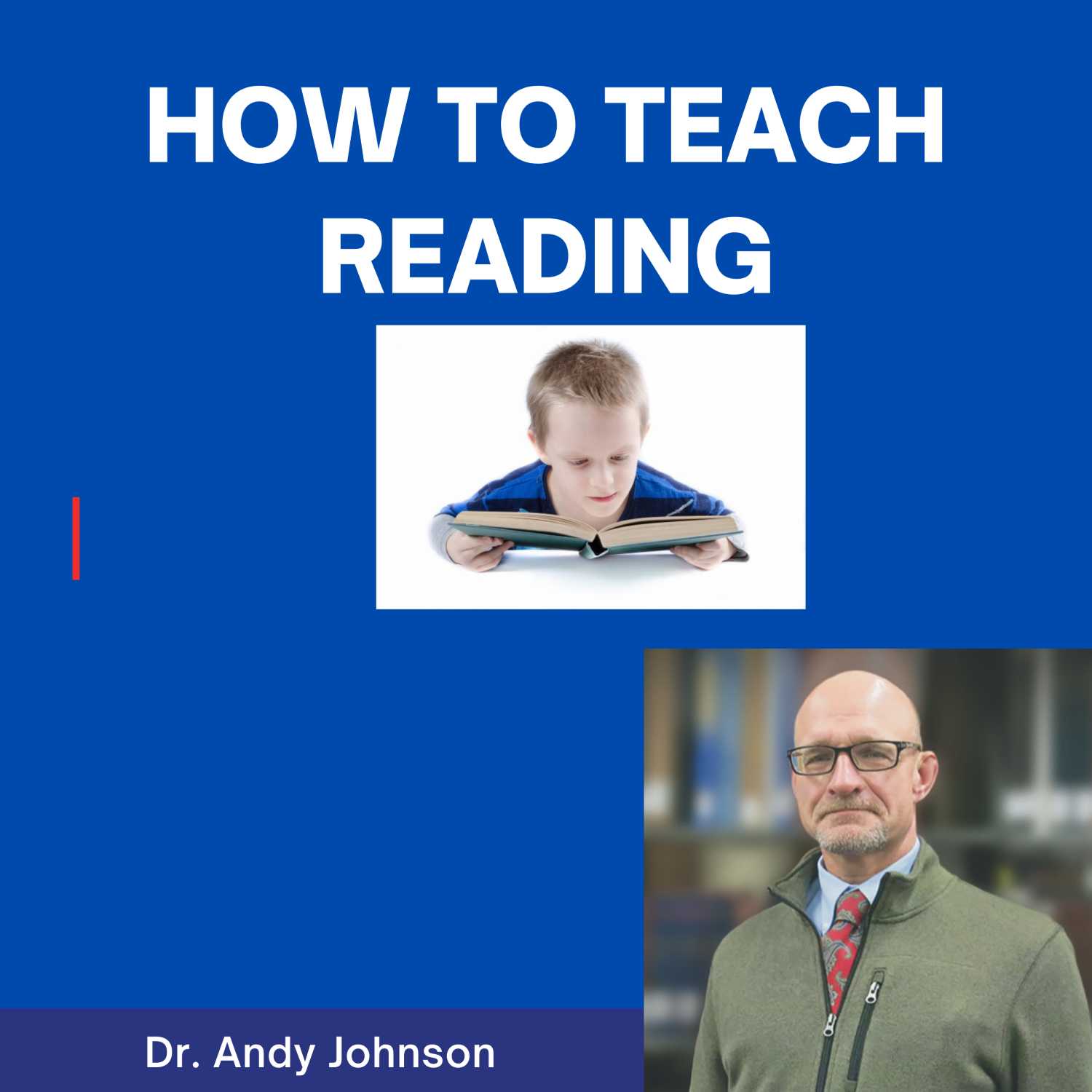
About this episode
So how do we go about the business of teaching children to read? We don’t. Instead, we create the conditions whereby children can learn to read and develop their reading skills. As I said in the last chapter, children learn to read and write in the same way that they learned to listen and speak, and that is, by being immersed in the language and by having adults around who responded to them in appropriate ways. In this sense then, we would be more accurate if we called ourselves reading-condition-creators instead of reading teachers. This podcast presents 8 tips to keep in mind as we create conditions.
1. Help children fall in love with books.
2. Create a space every day for sustained, silent reading.
3. Allow children to make choices about their reading material.
4. Connect reading pleasure to reading practice
5. Keep your reading program simple.
6. Keep instruction simple.
7. Make reading like real life.
8. Include talk and other forms of social interaction.
Get every episode summarized
Each time The Reading Instruction Show publishes, we email you a written briefing from the transcript — the topics, who appeared, and any specific claims, with the ad reads skipped.
Email me new episodesFree for 3 shows. No card needed.
No transcript yet
This episode has not been transcribed. Request it and it moves to the front of the queue.
More episodes
More from The Reading Instruction Show

Quiet, Piggy: A Trumpian Response to Science of Reading Critics
The Reading Instruction Show

Recognizing Words, the Three-Cueing System, and Identifying Words
The Reading Instruction Show

How NAEP Created a Perpetual Reading Crisis
The Reading Instruction Show

Reading and the Information Processing Model: Why Penguins Continue to Mishear W...
The Reading Instruction Show