About this episode
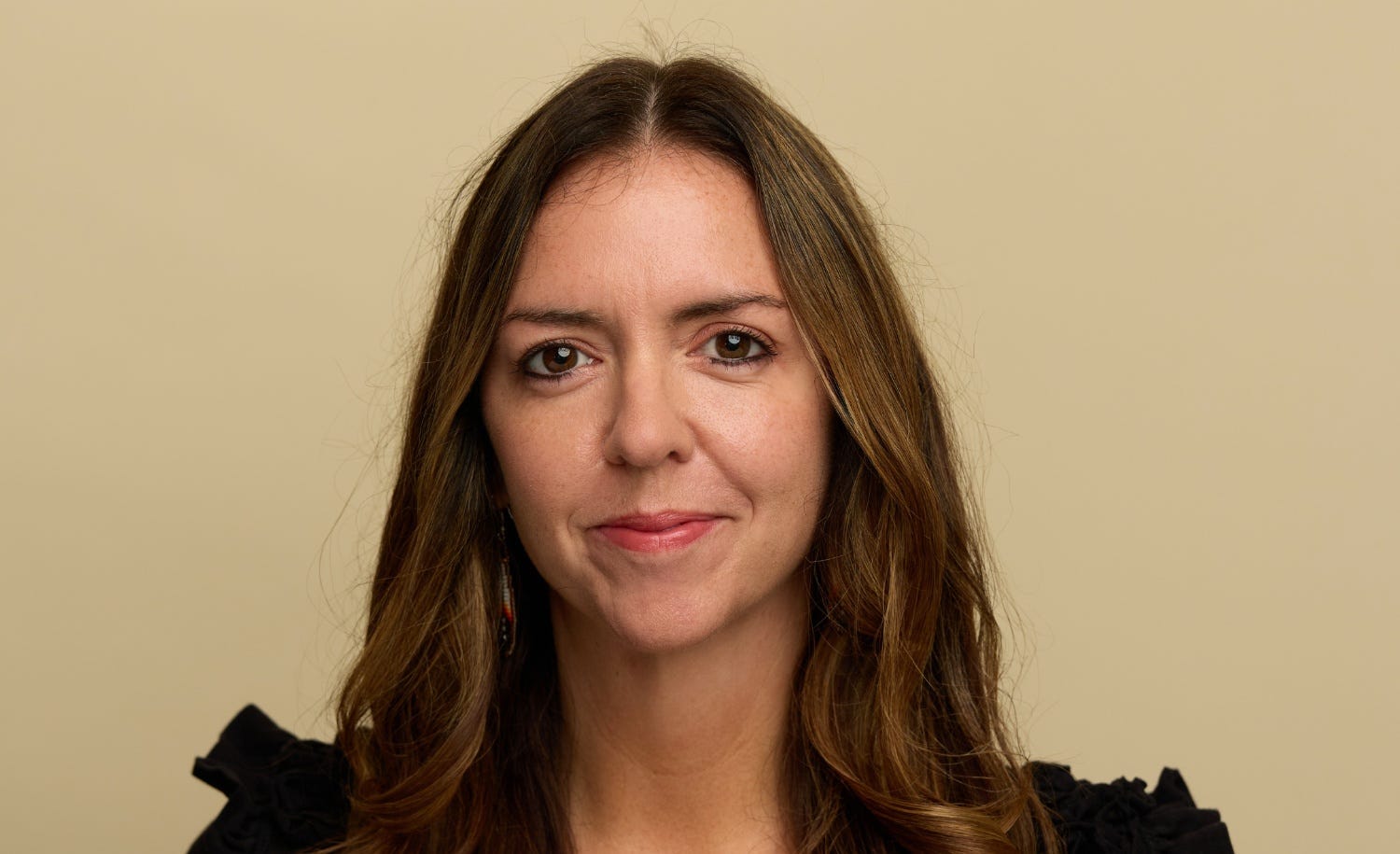
Disinformation about clean energy is showing up everywhere — online after every blackout, at county commission meetings about siting new projects, in regulatory dockets stuffed with fake comments. GoodPower, which combines a C3 education arm with a C4 advocacy arm, is trying to fight back with a network of thousands of content creators, rapid-response campaigns around storms and grid failures, and an AI tool that detects manufactured public comments. I talk with CEO Leah Qusba about what they've tried, what they've measured, and what actually works.
Chapters:
00:00 – Introduction
03:06 – What the disinformation claims, and who spreads it
05:57 – From Action for the Climate Emergency to GoodPower
08:38 – Building a creator network in non-political verticals
14:17 – Competing with talk radio and Fox News
18:26 – Winter Storm Fern and the rapid response system
23:26 – Measuring whether a deployment actually worked
27:24 – Pre-bunking and the 80-county experiment
33:18 – Getting people off the couch and into the room
38:10 – AI agents and where human judgment sits
42:05 – Keeping the C3 and the C4 distinct
47:13 – Battery fires, Moss Landing, and talking to fire chiefs
50:54 – TrueVoice and manufactured public comment
56:13 – Whether AI will overwhelm the comment process
58:11 – The best messages that actually land
1:04:22 – Super PACs, budgets, and what comes next
Get every episode summarized
Each time Volts publishes, we email you a written briefing from the transcript — the topics, who appeared, and any specific claims, with the ad reads skipped.
Email me new episodesFree for 3 shows. No card needed.
Hosts & guests
No transcript yet
This episode has not been transcribed. Request it and it moves to the front of the queue.
More episodes
More from Volts

Best of August 2026
Volts

Could we use Trump's tricks to make good green policy?
Volts

Making data centers flexible so they can serve the grid rather than stress it ou...
Volts

Why can't utilities innovate?
Volts