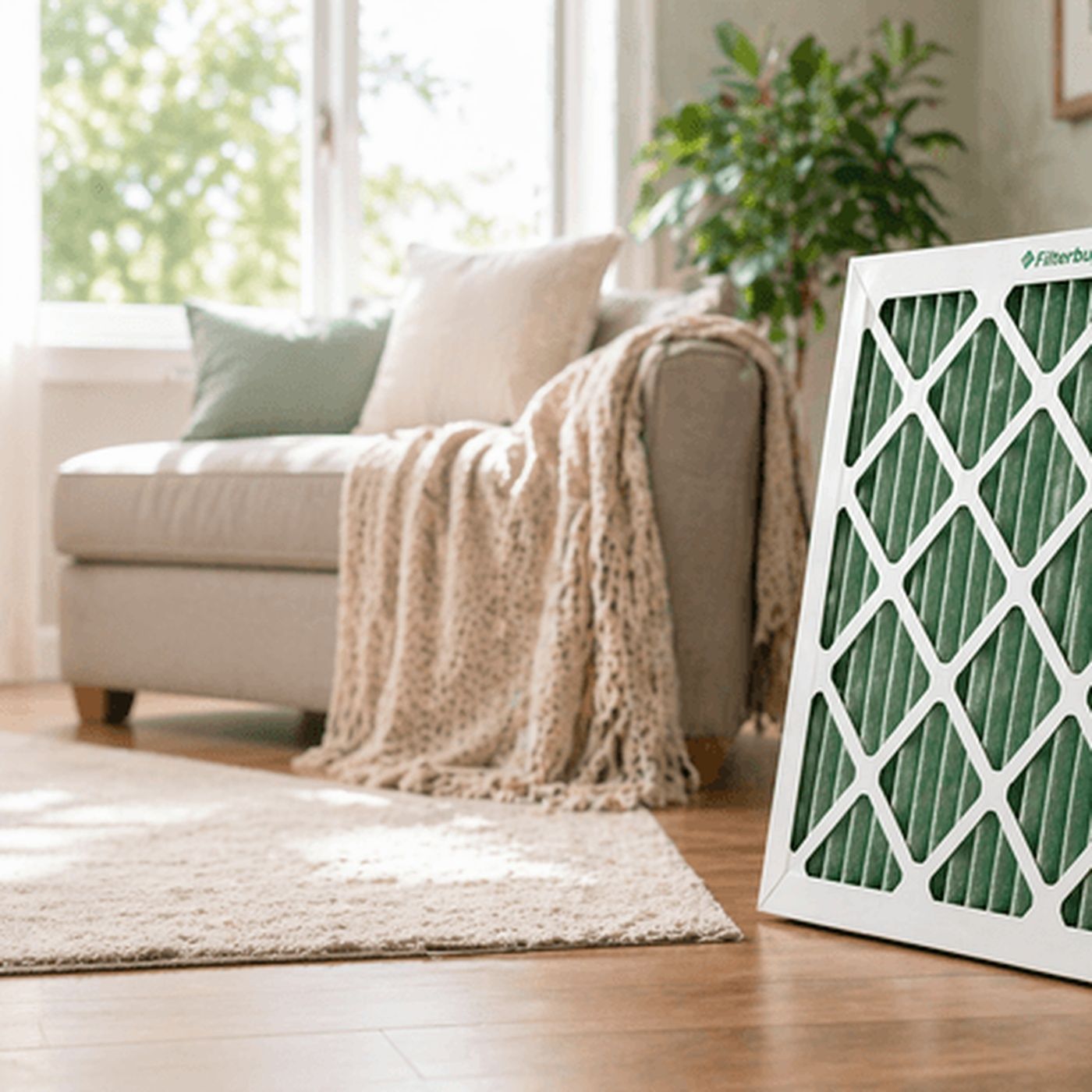
How to Manage Rising Winter Energy Costs Smartly
About this episode
Get every episode summarized
Each time Filterbuy.com Audio Blogs Podcast publishes, we email you a written briefing from the transcript — the topics, who appeared, and any specific claims, with the ad reads skipped.
Email me new episodesFree for 3 shows. No card needed.
Hosts & guests
Transcript ready
184 searchable segments. Every word is indexed and playable.
Full transcript
Filterbuy.com Audio Blogs Podcast — How to Manage Rising Winter Energy Costs Smartly. Machine-transcribed; use the interactive transcript above to jump the player to any line.
How to manage rising winter energy costs with smarter filter use. Pull your furnace filter out of the return vent and hold it up to a light. If the pleats look gray or you can't see through them, there's a good chance your furnace has been running harder than it needs to for months. That small oversight is going to cost more this season than usual. The National Energy Assistance Directors Association expects the average US household to pay about $976 on heating this winter, roughly 7.6% more than last year. Homes heated by electricity are looking at something closer to 10%. Most of that increase gets blamed on utility rates and weather. Some of it belongs there. Plenty of it is hiding in plain sight behind your return vent. TL. DR. QUICK. ANSERS. Why energy costs increase? In winter, winter energy costs rise because heating systems run longer in cold weather. Utility rates have climbed with NEADA forecasting a 7.6% average increase this season and any
equipment running inefficiently amplifies both. The cheapest lever homeowners consistently miss is the air filter. A clogged one can push HVAC energy use up by 5-15% according to the US Department of Energy. A fresh filter costs under $25 and takes 5 minutes to swap. Top takeaways. Average US home heating costs are expected to rise about 7.6% this winter, with electricity heated homes taking the biggest hit. Heating and cooling account for close to half of a typical home's energy use, which is why filter and airflow fixes pay back so quickly. A clogged air filter alone can push HVAC energy use up 5-15% per the US Department of Energy. Check your filter monthly in winter and replace every 60-90 days. More often if you have pets or allergies, size and nerve rating matter more than spending up on a premium filter your system wasn't built for. Why your winter bills are higher?
This year, three things are pushing winter energy costs up and they stack. Colder weather means longer runtimes. Every cold snap adds hours of work to your furnaces day and heating degree days pile up fast in December and January. Utility rates have climbed. NEADA tracked residential electricity prices rising about 10.5% between January and August 2025. Natural gas is held steadier, but grid demand from data centers and storage draws are pulling rates higher in several regions. Your equipment amplifies the first two. A furnace fighting a clogged filter, leaky ducts or a weak capacitor works noticeably harder to deliver the same amount of heat. How much of your winter bill is actually heating? Heating and cooling eat up close to half of a typical US home's energy use, according to energy star. In winter, the share tips higher. Anything forcing your furnace to run longer than it should shows up on the bill quickly.
The filter connection. Here's the lever most homeowners never pull. The US Department of Energy estimates that swapping a clogged filter for a clean one cuts HVAC energy use by 5-15%. A $15 filter in 5 minutes is all it takes, and for most homes that makes it the cheapest winter efficiency move on the table. When a filter is clogged, air can't pass through it cleanly. The blower motor strains, the furnace runs longer to hit the temperature you set, and every extra minute of runtime gets charged to your utility account. 5 cold months compound that fast. For the deeper mechanics of how filtration actually works, the Wikipedia entry on air filters covers it well. The practical answer is simpler. A clean filter lets your system breathe. After more than a decade of inspecting filters our customers send back, the January pattern is always the same. Pleats caked gray, air flow cut in half, and a furnace that's been working twice as hard since October to compensate. The homeowners calling us about runaway bills are almost never the ones on an auto delivery
schedule. That's from the filter by HVAC content team. Seven essential resources bookmark these. There what we cross, check our recommendations against, and there where we send homeowners who want the full picture. EIA winter fuels outlook. 2025 to 2026. The US Energy Information Administration's official forecast of winter heating, cost by fuel type in region, updated monthly through March 2026. NEADA 2025 to 2026 winter heating outlook. The National Energy Assistance Directors Association's season outlook, with a 7.6% average cost increase projection. Energy star heat and cool efficiently. The Federal Program's plain English guide to HVAC maintenance, filter changes, and smart thermostat use. US Department of Energy, HVAC filter installation.
Official guidance on filter placement, MIRV selection, and the air flow energy connection. Energy star maintenance checklist. What to expect from a preseason HVAC tune up and why air flow problems hurt efficiency, Wikipedia air filter, a clear reference overview of how air filters work, MIRV ratings, and filter media types. Filter by winter HVAC air flow guide. Our companion piece on the air flow efficiency connection and how to match filters to your specific system. Three statistics. Every homeowner should know. Three numbers worth memorizing before the coldest weeks of the season. 7.6%. The projected increase in average US home heating costs this winter. Your bill moves from $907 last year to $976 this season. From the NEADA winter heating outlook 2025 to 2026, 5 to 15%, the reduction in HVAC energy
use you can capture by swapping a clogged filter for a clean one. From the US Department of Energy. About 50%, the share of a typical home's energy use that goes to heating and cooling. Small efficiency wins here payback fastest. From energy star. Final thoughts in opinion. Some of this winter's cost pressure is outside your control. Utility rates aren't something you can negotiate. Whether isn't something you can vote against. What you can stop doing is paying extra to run a tired heating system. Here's what more than a decade of building filters and talking to millions of customers has taught us. The homeowners who get blindsided by their January bill aren't usually the ones with the biggest houses or the fanciest equipment. They're the ones treating filter changes as optional maintenance instead of a working cost lever. A clean, correctly sized filter won't make a $500 bill vanish. It will consistently shave off the quiet 5 to 15% that otherwise shows up every month for 5 straight months.
That's the most reliable low effort when we've seen and we've seen a lot of them. Next steps. Here's what to do this week. The whole list takes about 15 minutes. Pull your filter out of the return vent and hold it up to a light. If you can't see through it or the pleats look gray, order a replacement today. Write down the size printed on the frame before you order anything. A 16 by 25 by 1 filter and a 20 by 25 by 1 slot lets unfiltered air slip around the edges which is worse than no filter at all. Match the Merve rating to what your system supports. Merve 8 covers basic protection. Merve 11 handles pets and mild allergies and Merve 13 gives you the cleanest air most residential systems can run. Install the new filter with the airflow arrow pointing toward the furnace. Backwards installation drops efficiency the moment you flip the system back on. Set a calendar reminder for 60 to 90 days out or skip the reminder entirely and set up auto delivery and we'll send the right size on the right schedule.
Knock out the other easy wins while you're at it. Feel any visible air leaks around windows and outlets. Drop the thermostat a degree or two at night. Book a preseason HVAC tune up if you haven't already. Frequently asked questions. Why is my electric bill so high in winter? Your bill climbs because your heating system runs longer in cold weather. Utility electricity rates have moved up about 10.5% between January and August 2025. NEADA and any equipment running inefficiently amplifies both. A dirty filter alone can push HVAC energy use up by 5 to 15%. The three effects stack which is why the increase can feel sudden. Do air filters really affect my heating bill? Yes. The US Department of Energy estimates that replacing a clogged filter with a clean one cuts HVAC energy used by 5 to 15%. A dirty filter restricts air flow so your furnace runs longer and the blower motor works
harder to reach the temperature on your thermostat. How often should I change my furnace filter in winter? Check your filter once a month during heavy use seasons. That's energy stars recommendation. Replace every 60 to 90 days for most homes or every 30 to 60 days if you have pets, allergies, or run your furnace hard. Pleated filters generally last about 3 times longer than fiberglass. What nerve rating should I use for a furnace? Merv 8 handles basic protection. Merv 11 fits households with pets or mild allergies. Merv 13 gives you the cleanest air most residential systems can run. Going higher than what your system supports can actually hurt airflow which costs you energy. Check your HVAC manual or call a technician if you're not sure. Can a dirty filter damage my furnace? Yes restricted airflow forces the blower motor to strain and can cause the heat exchanger to overheat and short cycle. Over time that shortened system life and leads to bigger repair bills.
It's one of the most common reasons for furnace breakdowns in January and February. What's the fastest way to lower my winter energy bill? Start with your air filter. It's the only fix that takes 5 minutes costs under 25 dollars and can cut HVAC energy use up to 15% per the US Department of Energy. After that thermostat setbacks and basic air sealing are the next easiest winds. Stop paying the invisible 5% to 15% filter by makes getting the right filter easy. Where American made and factory direct we ship free and we stock over 600 standard sizes plus custom for odd duct homes. Millions of filters have gone out the door along with more than 75,000 5 star reviews from homeowners who figured out exactly what you're figuring out right now. Set up auto delivery once and you'll never chase down a weird filter size at the hardware store again. We send the right size and the right merve on the schedule you pick.
More episodes
More from Filterbuy.com Audio Blogs Podcast

Live Air Quality Index AQI Map Tampa, FL Today | Filterbuy.com
Filterbuy.com Audio Blogs Podcast

Live Air Quality Index AQI Map Virginia Beach, VA Today | Filterbuy.com
Filterbuy.com Audio Blogs Podcast

Live Air Quality Index AQI Map Virginia Today | Filterbuy.com
Filterbuy.com Audio Blogs Podcast

Live Air Quality Index AQI Map Kansas City, MO Today | Filterbuy.com
Filterbuy.com Audio Blogs Podcast